
The Tesla Model 3 has redefined expectations for electric vehicles, blending impressive performance with a commitment to sustainable transport. Its sleek design, cutting-edge technology, and robust charging infrastructure have made it a global phenomenon. However, for many prospective buyers, the burning question isn’t about 0-60 mph times or software updates, but rather: “How much does a Tesla Model 3 truly cost?” This seemingly simple query unravels a complex tapestry of financial considerations that extend far beyond the initial sticker price. Understanding the full spectrum of expenses, from the upfront purchase to long-term ownership, is paramount for any financially savvy individual considering this transformative vehicle. This article will meticulously dissect the various monetary aspects of owning a Tesla Model 3, providing a holistic financial perspective for informed decision-making.

Understanding the Sticker Price: Model 3 Trims and Initial Outlays
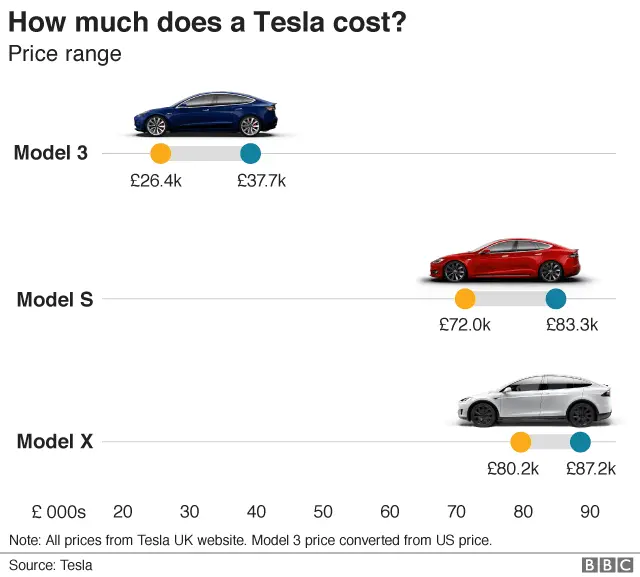
The first and most visible component of the Model 3’s cost is its Manufacturer’s Suggested Retail Price (MSRP). Tesla offers the Model 3 in several configurations, each with a distinct price point that reflects its range, performance, and features. Navigating these options is the initial step in budgeting for your potential electric vehicle.
Base MSRP by Trim Level
At the core, the Model 3 lineup typically features a few primary trims, though specific offerings can vary by market and production updates. These generally include:
- Model 3 Rear-Wheel Drive (RWD): Often considered the entry-level model, this variant offers a competitive range and performance at the most accessible price point. Its MSRP forms the financial baseline for Model 3 ownership.
- Model 3 Long Range All-Wheel Drive (AWD): As the name suggests, this trim significantly extends the driving range and adds the enhanced traction and performance of dual-motor all-wheel drive. The increased battery capacity and additional motor naturally translate to a higher MSRP.
- Model 3 Performance All-Wheel Drive (AWD): Sitting at the top of the range, the Performance model prioritizes exhilarating acceleration and handling. It includes performance upgrades such as a lowered suspension, performance brakes, and often 20-inch wheels, all contributing to its premium price tag.
Each step up in trim level represents a significant financial commitment, adding thousands to the vehicle’s base price. It’s crucial for buyers to assess their range requirements, performance desires, and, most importantly, their budget against these different MSRPs.
Optional Upgrades and Their Financial Impact
Beyond the base trim, Tesla offers a range of optional upgrades that can substantially increase the final purchase price. These choices allow for personalization but demand careful financial consideration. Key optional additions include:
- Full Self-Driving (FSD) Capability: This is arguably the most significant optional expense. FSD is a sophisticated suite of advanced driver-assistance features, continually evolving through software updates. While revolutionary, its substantial cost requires a serious assessment of its value proposition for your personal driving habits and financial priorities. Buyers must weigh the utility against the hefty investment, recognizing that its capabilities, while impressive, are still undergoing development and regulatory scrutiny.
- Exterior Paint Colors: While a standard color (historically Pearl White Multi-Coat) is usually included, opting for premium colors like Deep Blue Metallic, Solid Black, or Ultra Red adds a specific surcharge to the total.
- Wheel Upgrades: The standard wheels on each trim can be swapped for larger, often more aesthetically pleasing options, which come with an additional cost. These can also have minor implications for range and tire replacement costs down the line.
- Interior Options: While Tesla’s interior design is minimalistic, some premium interior options might be available, adding to the cost.
Each selection, while enhancing the vehicle, directly impacts the initial financial outlay. A fully loaded Model 3 Performance with FSD can easily push the total price into a higher luxury vehicle bracket, necessitating a robust financial plan.
State and Federal Incentives and Tax Credits
A critical financial aspect that can significantly offset the initial cost of a Tesla Model 3 is the availability of federal and state incentives. Governments worldwide, recognizing the environmental benefits of EVs, often offer various financial incentives to encourage adoption.
- Federal Tax Credits: In the United States, for example, the Inflation Reduction Act of 2022 introduced a revised Clean Vehicle Tax Credit. This credit can offer up to $7,500 for eligible new clean vehicles. However, eligibility is complex, often depending on the vehicle’s battery component sourcing, final assembly location, and the buyer’s Adjusted Gross Income (AGI). Furthermore, the vehicle’s MSRP must fall below a certain threshold. It is crucial for prospective buyers to consult the latest IRS guidelines and confirm Model 3 eligibility at the time of purchase, as these rules can change.
- State and Local Incentives: Beyond federal programs, many states, counties, and even utility companies offer their own incentives. These can include rebates, tax credits, sales tax exemptions, or even reduced registration fees. For instance, some states offer direct rebates at the point of sale, while others provide HOV lane access or free parking benefits that translate to indirect financial savings over time.
These incentives can considerably reduce the net purchase price, making a Model 3 more financially accessible. However, they require proactive research and understanding of eligibility criteria, as they are not universally applied or guaranteed. Integrating potential incentives into your financial projections is essential for an accurate total cost assessment.
Beyond the Purchase: Ongoing Ownership Costs
The financial journey of owning a Tesla Model 3 extends far beyond the moment of purchase. Savvy buyers understand that the true cost of vehicle ownership is a summation of both upfront and recurring expenses. Electric vehicles inherently differ from traditional internal combustion engine (ICE) cars in their operational costs, often offering significant long-term financial advantages, but also presenting unique considerations.
Charging Costs: Fueling Your Electric Vehicle
One of the most significant ongoing expenses for any vehicle is fuel. For a Tesla Model 3, this translates to electricity. The cost of charging varies dramatically based on several factors:
- Home Charging vs. Public Charging: Charging at home is almost always the most economical option. Using a Level 2 charger (240V) at home, you pay your residential electricity rate, which can range from under $0.10 to over $0.30 per kWh, depending on your utility and time-of-use (TOU) plans. Charging overnight during off-peak hours can further reduce costs.
- Supercharging Network: Tesla’s proprietary Supercharger network offers rapid charging capabilities, ideal for road trips or when home charging isn’t feasible. While convenient, Supercharging is typically more expensive than home charging, often priced per kWh or per minute, depending on the region. These costs, while higher, are still often competitive with or cheaper than gasoline for an equivalent range.
- Third-Party Charging Networks: Other public charging networks (e.g., Electrify America, ChargePoint) also have varying pricing structures, some requiring subscriptions or per-minute/per-kWh fees.
A diligent financial planner will calculate their estimated annual mileage and determine a realistic cost per mile for electricity based on their charging habits. This figure is critical for comparing the Model 3’s “fuel” costs against those of a gasoline-powered vehicle, which almost invariably show significant savings for the EV.
Insurance Premiums for a Tesla Model 3
Insuring a Tesla Model 3 can be a notable recurring expense. Several factors contribute to insurance premiums, and some unique aspects of Teslas can influence these costs:
- Vehicle Value and Repair Costs: Teslas are considered premium vehicles, and their advanced technology, specialized components, and aluminum body panels can lead to higher repair costs after an accident. This translates to higher insurance premiums.
- Safety Features vs. Accident Frequency: While Teslas are equipped with extensive safety features (like automatic emergency braking) that could reduce accident frequency, their high performance and the demographic of some drivers (younger, tech-savvy) can sometimes counteract these benefits from an insurer’s perspective.
- Theft Risk: Depending on the region, desirable vehicles like Teslas can have a higher theft risk, although features like Sentry Mode provide a strong deterrent.
- Driver Profile: As with any vehicle, your driving record, age, location, and chosen deductible significantly impact your insurance rates.
It is highly recommended to obtain insurance quotes before purchasing a Model 3 to integrate this crucial recurring expense into your budget accurately. Shopping around with multiple providers can help secure the most favorable rates.
Maintenance and Service Expenses
One of the celebrated financial advantages of electric vehicles like the Model 3 is their significantly lower maintenance requirements compared to ICE vehicles.
- Fewer Moving Parts: EVs lack an internal combustion engine, transmission, spark plugs, oil filters, timing belts, and a host of other components prone to wear and tear. This eliminates many routine maintenance tasks and associated costs.
- Brake Longevity: Regenerative braking, where the electric motor slows the car and recaptures energy, significantly reduces wear on friction brakes, meaning brake pads and rotors last much longer.
- Routine Maintenance: The primary maintenance items for a Model 3 typically include tire rotations and replacements (EVs are heavy and can be hard on tires), cabin air filter replacements, brake fluid checks/replacements (less frequent than ICE cars), and windshield wiper fluid. Software updates are delivered over-the-air, eliminating the need for dealership visits for many improvements.
- Battery Longevity: Tesla provides a substantial battery and drive unit warranty (e.g., 8 years or 100,000-120,000 miles, depending on the model). While battery degradation is a natural process, severe, premature degradation would be covered under warranty, mitigating a major potential financial risk.
Overall, the annual maintenance costs for a Model 3 are generally lower than those for comparable gasoline-powered luxury sedans, contributing to long-term financial savings.
Registration, Taxes, and Other Fees
These are often overlooked but can add up to a substantial financial burden.
- Sales Tax: An initial, often significant, expense is the sales tax on the vehicle’s purchase price, which varies by state/jurisdiction.
- Annual Registration Fees: Most states charge an annual vehicle registration fee. Some states impose additional fees on EVs to compensate for lost gasoline tax revenue, while others offer reduced fees.
- Property Tax: In some states or localities, personal property tax is levied on vehicles annually based on their assessed value, adding another recurring cost.
- Inspection Fees: While less common for EVs, some regions may require periodic safety or emissions inspections, though these are typically minimal.
It’s essential to research your local regulations to account for these mandatory governmental fees in your comprehensive financial plan.
The Financial Benefits: Savings and Resale Value
While the initial investment in a Tesla Model 3 might appear substantial, a complete financial assessment must also account for the significant long-term savings and financial advantages that ownership can provide. These benefits often offset a portion of the upfront cost, making the total cost of ownership (TCO) more competitive than many perceive.
Long-Term Fuel Savings Compared to ICE Vehicles
This is arguably the most compelling financial benefit of owning an electric vehicle. Electricity is generally much cheaper per mile than gasoline, especially when charging primarily at home during off-peak hours.
- Direct Cost Comparison: Calculating the cost per mile for electricity versus gasoline reveals a stark difference. If gasoline averages $3.50 per gallon and an ICE car gets 30 MPG, the cost is roughly $0.11 per mile. If electricity is $0.15 per kWh and a Model 3 gets 4 miles per kWh (250 Wh/mile efficiency), the cost is $0.0375 per mile. This represents a substantial savings of over 60% on “fuel.”
- Annual Savings: For an average driver covering 12,000 miles annually, these savings can amount to hundreds, if not over a thousand, dollars per year. Over a 5-10 year ownership period, these savings accumulate to thousands of dollars, directly impacting your personal finance bottom line.
- Price Volatility: While electricity prices can fluctuate, they tend to be more stable than the notoriously volatile prices of gasoline, offering greater budget predictability.
Lower Maintenance Footprint and Associated Savings
As previously touched upon, the simplicity of an EV powertrain translates into fewer maintenance needs, which in turn means tangible financial savings.
- Reduced Service Frequency: Forget oil changes, transmission fluid flushes, spark plug replacements, and complex engine diagnostics. These regular, often costly, maintenance items are entirely absent in a Model 3.
- Less Wear and Tear: Components like brake pads last significantly longer due to regenerative braking. Even components like exhaust systems, catalytic converters, and fuel pumps are non-existent.
- DIY Potential: Basic maintenance like tire rotations and cabin air filter changes can often be performed by the owner, saving labor costs, although Tesla service centers or approved mobile service are available for more complex needs.
These cumulative savings on routine maintenance, spare parts, and labor contribute to a lower overall TCO, freeing up funds for other financial goals.
Strong Resale Value and Depreciation Trends
Historically, electric vehicles, particularly Teslas, have demonstrated strong resale values compared to many traditional gasoline cars. This is a significant financial advantage that impacts the total cost of ownership.
- High Demand: The desirability and technological leadership of Tesla vehicles maintain strong demand in the used car market.
- Software Updates: Unlike traditional cars that quickly become outdated, Teslas receive continuous over-the-air software updates, adding new features and improving existing ones, which can help retain value.
- Battery Longevity Perception: As public confidence in EV battery longevity grows, so does the perceived value of used EVs. Tesla’s robust battery management systems and warranty coverage play a critical role here.
- Fuel Savings for Next Owner: The ongoing fuel savings benefit also extends to the second-hand market, making used Teslas an attractive proposition.
While all cars depreciate, the Model 3 has historically shown a more favorable depreciation curve than many luxury competitors. This means that when it comes time to sell or trade in, a Model 3 owner may recoup a larger percentage of their initial investment, making the long-term financial burden less severe.
Potential for Energy Cost Reduction (Solar Integration)
For environmentally conscious and financially astute homeowners, a Tesla Model 3 can synergize perfectly with residential solar power systems, leading to substantial energy cost reductions.
- Free “Fuel”: By charging your Model 3 with electricity generated from your home solar panels, you can effectively eliminate or drastically reduce your “fuel” costs. This represents the ultimate financial saving on transportation.
- Increased ROI on Solar: Owning an EV increases your household’s electricity consumption, which in turn makes a solar panel installation more financially viable by accelerating its return on investment (ROI). The more electricity you use, the more you save by generating it yourself.
- Grid Independence (with Powerwall): Combining a Model 3 with solar panels and a Tesla Powerwall battery storage system can create a more resilient and energy-independent home, reducing reliance on the grid and buffering against rising utility costs – a significant long-term financial hedge.
This strategic integration offers a powerful pathway to optimizing both your transportation and household energy budgets, showcasing how a Model 3 can be part of a broader financial strategy for sustainable living.
Financing Your Tesla Model 3: Loan vs. Lease
Once the total cost of a Tesla Model 3 has been comprehensively calculated, the next critical financial decision involves how to fund the purchase. The primary options are typically a traditional car loan or a lease, each with distinct financial implications for your monthly budget and long-term financial health.
Navigating Purchase Loans
A purchase loan, where you borrow money from a bank or financial institution to buy the car outright, is the most common method of financing.
- Ownership and Equity: The most significant advantage is that you own the vehicle. Over time, as you make payments, you build equity in the car. This equity can be a valuable asset for future trade-ins or sales.
- Interest Rates: The interest rate on your loan is a crucial factor, directly impacting your total cost of borrowing. A lower interest rate means less money paid over the life of the loan. Your credit score, the loan term, and prevailing market rates will dictate this.
- Loan Terms: Loan terms typically range from 36 to 72 months, sometimes even longer. Shorter terms mean higher monthly payments but less interest paid overall. Longer terms reduce monthly payments but increase the total interest paid and can result in the car depreciating faster than you pay it off (negative equity).
- Down Payments: A larger down payment reduces the principal amount borrowed, leading to lower monthly payments and less interest paid over the life of the loan. It also helps to prevent negative equity. From a financial planning perspective, allocating a significant down payment is often advisable if your liquidity allows.
The Dynamics of Leasing
Leasing a Tesla Model 3 offers an alternative to outright ownership, providing different financial advantages and considerations.
- Lower Monthly Payments: Lease payments are typically lower than loan payments for a comparable car because you are only paying for the depreciation of the vehicle during the lease term, not its full purchase price.
- New Car More Often: Leasing allows you to drive a new vehicle every few years, which can be appealing for those who enjoy the latest technology and features without the hassle of selling a used car.
- Warranty Coverage: The vehicle is typically under warranty for the entire lease term, minimizing unexpected repair costs.
- End-of-Lease Options: At the end of the lease, you usually have the option to return the car, purchase it for a predetermined residual value, or lease a new vehicle.
- Mileage Limits: Leases come with strict annual mileage limits (e.g., 10,000 to 15,000 miles per year). Exceeding these limits results in hefty per-mile penalties, which can be a significant hidden cost.
- Wear-and-Tear Clauses: Leases also have clauses regarding excessive wear and tear. Any damage beyond “normal” wear can incur additional charges at lease end.
- No Equity Building: A crucial financial difference is that you do not build equity in a leased vehicle. It’s essentially a long-term rental.
The choice between buying and leasing should align with your personal financial goals, driving habits, and desire for ownership versus flexibility. Analyze your budget carefully to determine which option is more financially prudent for your circumstances.
Budgeting and Financial Planning Considerations
Regardless of whether you choose to loan or lease, integrating a Model 3 into your overall financial plan requires careful thought.
- Debt-to-Income Ratio: A new car payment will affect your debt-to-income ratio, which lenders use to assess your ability to manage debt. This can impact your eligibility for other loans (e.g., a mortgage) in the future.
- Emergency Fund: Ensure that committing to a car payment doesn’t deplete your emergency savings. A robust emergency fund is critical for financial security.
- Opportunity Cost: Consider the opportunity cost of investing a large sum in a depreciating asset. Could that capital be better utilized for other investments with higher returns, or for paying down high-interest debt?
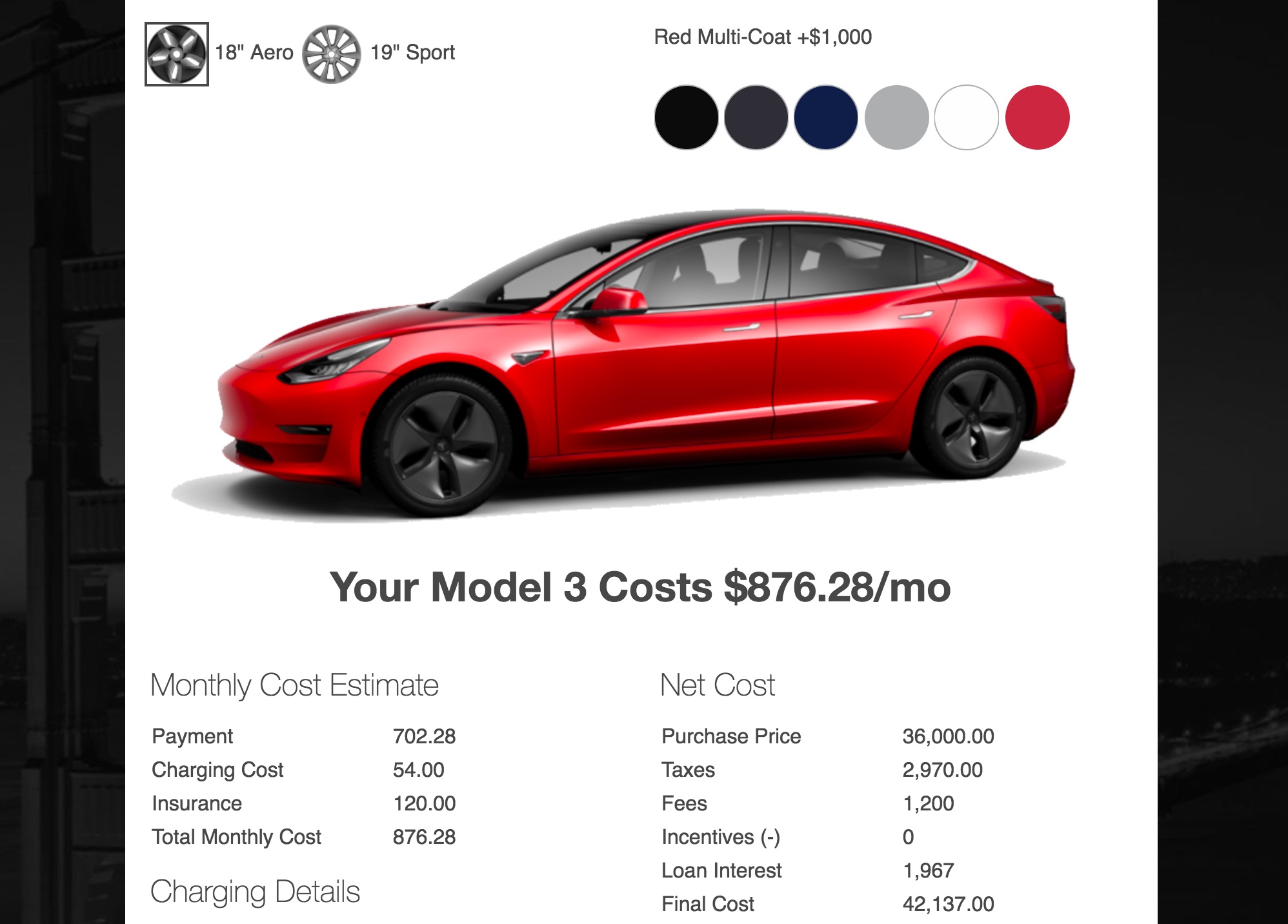
- Total Cost of Ownership (TCO): Ultimately, your financial decision should be guided by the TCO. This comprehensive calculation includes the purchase price, interest, taxes, insurance, charging, maintenance, and the potential resale value or lease end costs.
A Holistic Financial Perspective: Is the Model 3 Worth the Investment?
Determining the true financial “cost” of a Tesla Model 3 is not about a single price tag, but rather a holistic assessment of initial outlays, ongoing expenses, and significant long-term savings and benefits. For many, the decision transcends mere numbers, intertwining with values like environmental responsibility and the embrace of cutting-edge technology. However, from a purely financial standpoint, the Model 3 presents a compelling, albeit complex, case.
Total Cost of Ownership (TCO) Analysis
When all factors are weighed—the purchase price (net of incentives), financing costs, insurance, charging, maintenance, and projected resale value—the Model 3 often proves competitive with, and in many cases, superior to, similarly priced gasoline-powered luxury sedans over a 5-10 year ownership period. The initial premium can frequently be recouped through substantial savings on fuel and maintenance, coupled with strong residual values. A personalized TCO calculation, factoring in individual driving habits, local electricity rates, and insurance premiums, is the most accurate way to gauge the long-term financial commitment.
Personal Financial Goals and Lifestyle Integration
Ultimately, the “worth” of a Tesla Model 3 as an investment aligns with your personal financial goals and lifestyle.
- Budget Alignment: Can you comfortably afford the monthly payments (loan or lease), insurance, and other recurring costs without straining your budget or jeopardizing other financial priorities?
- Long-Term Savings: Do the anticipated long-term savings on fuel and maintenance, combined with potential tax credits, outweigh the initial investment for your financial plan?
- Value Proposition: Beyond direct financial metrics, does the Model 3 offer value that aligns with your financial philosophy, such as contributing to reduced energy consumption or leveraging technology that enhances safety and convenience, indirectly saving time or reducing stress?
While the environmental benefits are undeniable, framing them within a financial context highlights the potential for reduced dependence on fossil fuels and participation in a more sustainable energy ecosystem, which can have indirect long-term financial resilience benefits.
In conclusion, the question “How much does a Tesla Model 3 cost?” demands a nuanced financial exploration. It’s a journey from the initial sticker price and potential incentives to the ongoing costs of charging, insurance, and maintenance, culminating in the significant long-term savings and strong resale value. By meticulously calculating each component and aligning it with your personal financial strategy, you can make an informed decision on whether the Tesla Model 3 represents a sound and worthwhile investment for your financial future.
aViewFromTheCave is a participant in the Amazon Services LLC Associates Program, an affiliate advertising program designed to provide a means for sites to earn advertising fees by advertising and linking to Amazon.com. Amazon, the Amazon logo, AmazonSupply, and the AmazonSupply logo are trademarks of Amazon.com, Inc. or its affiliates. As an Amazon Associate we earn affiliate commissions from qualifying purchases.