
When discussing the world’s largest museum, the conversation inevitably begins and ends with the Musée du Louvre in Paris. Spanning over 72,000 square meters of gallery space and housing hundreds of thousands of items, its physical scale is undeniable. However, in the modern era, the “size” of a museum is no longer measured solely by its physical footprint or the number of artifacts in its basement. Instead, the Louvre’s dominance is a masterclass in brand strategy, corporate identity, and global marketing.
To understand why the Louvre remains the undisputed titan of the cultural world, one must look past the oil paintings and marble statues and analyze it as a global brand. It is an entity that has successfully navigated the transition from a royal residence to a public institution, and finally, to a multi-billion-euro global trademark.
Building a Global Identity: More Than Just Bricks and Mortar
A brand is defined by the promise it makes to its audience and the consistency with which it delivers that promise. The Louvre’s brand identity is built on a foundation of “universalism”—the idea that it is a repository for the collective memory of humanity. This positioning allows it to transcend French national identity and become a global heritage brand.
The Iconography of the Pyramid
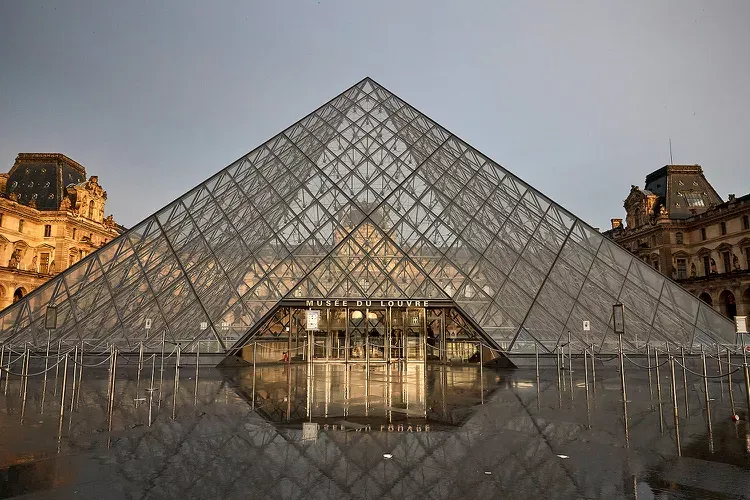
Every great brand needs a visual hook, and for the Louvre, that hook is I.M. Pei’s glass pyramid. When it was first introduced in the 1980s, the pyramid was controversial, yet it was a stroke of branding genius. It provided a modern, geometric contrast to the Renaissance architecture of the palace, creating a “visual shorthand” for the brand. Today, the pyramid serves as a logo in itself. It signifies the intersection of the ancient and the avant-garde, positioning the Louvre not as a stagnant tomb of history, but as a living, breathing part of modern culture.
Curating a Legacy of Excellence
The Louvre’s brand equity is tied to the quality and rarity of its “products”—the artworks. By housing the Mona Lisa, the Venus de Milo, and The Winged Victory of Samothrace, the museum has secured a monopoly on some of the most recognizable “intellectual property” in human history. From a branding perspective, the Mona Lisa functions as the museum’s flagship product. The museum’s strategy focuses on using these high-demand icons to draw “customers” (visitors) into the ecosystem, where they are then exposed to the broader depth of the brand’s offerings.
The Business of Cultural Soft Power
In the realm of brand strategy, “soft power” refers to the ability to influence others through attraction rather than coercion. The Louvre is perhaps the world’s most successful practitioner of cultural soft power, using its prestige to forge international alliances and expand its corporate footprint.
Diplomacy Through Art
The museum does not operate in a vacuum; it is a key player in France’s national branding. By hosting world leaders and international summits, the Louvre reinforces its status as the “center of the world.” For a brand, this level of association is invaluable. It elevates the institution from a mere tourist attraction to a diplomatic pillar. When the Louvre lends art to other nations, it isn’t just sharing history; it is engaging in brand diplomacy, establishing the “Louvre” name as a gold standard for institutional excellence.
Scaling the Brand Beyond Paris: The Abu Dhabi Case Study
Perhaps the most significant move in the Louvre’s modern brand history was the opening of Louvre Abu Dhabi. This was a revolutionary step in “museum franchising.” For a fee of approximately €400 million, the United Arab Emirates secured the right to use the “Louvre” name for 30 years.
This move was a calculated risk. Critics feared it might “dilute” the brand, but from a strategic standpoint, it was a brilliant move toward globalization. It transformed the Louvre from a French destination into a global network. By exporting its brand name, curatorial expertise, and prestige, the Louvre successfully monetized its brand equity while establishing a presence in a key emerging market. This reflects a corporate identity that is comfortable with the 21st-century realities of licensing and global expansion.
Brand Extension and Modern Monetization

A museum of the Louvre’s size requires immense capital to maintain. Relying solely on government subsidies and ticket sales is an outdated business model. Consequently, the Louvre has adopted sophisticated marketing and brand extension strategies to diversify its revenue streams.
Licensing and High-End Partnerships
In recent years, the Louvre has moved aggressively into the retail and lifestyle space. This isn’t just about selling postcards in the gift shop; it is about strategic brand collaborations. From partnerships with high-street fashion brands like Uniqlo to luxury collaborations with perfume houses and jewelry designers, the Louvre is licensing its imagery to reach new demographics.
By allowing its brand to be associated with lifestyle products, the museum remains relevant to younger generations who may not yet have visited Paris. These partnerships are carefully curated to ensure they align with the museum’s “prestige” positioning, ensuring that the brand remains aspirational while becoming more accessible.
Digital Transformation: The Virtual Brand Experience
The digital age has forced every major brand to reconsider its “user journey.” The Louvre’s digital strategy shifted from a basic website to a comprehensive digital ecosystem. During the global lockdowns of the early 2020s, the museum accelerated its digital transformation, offering high-resolution virtual tours and interactive content.
This digital expansion serves two branding purposes. First, it democratizes access to the collection, reinforcing the “universal” brand promise. Second, it serves as a top-of-funnel marketing tool. A person who experiences a virtual tour of the Louvre today is statistically more likely to purchase a physical ticket in the future. By dominating the digital space, the Louvre ensures that it remains the first name people think of when they consider the “world’s largest museum.”
Managing Reputation in a Modern Landscape
As the world’s most visible cultural brand, the Louvre faces significant scrutiny. Effective brand management requires navigating social shifts, ethical concerns, and the evolving expectations of a global audience.
Sustainability and Social Responsibility
Modern consumers, particularly Millennials and Gen Z, expect the brands they support to have a clear stance on social and environmental issues. The Louvre has had to adapt its corporate identity to reflect these values. This includes initiatives to reduce the carbon footprint of its massive facilities and engaging in transparent dialogues about the provenance of its collections.
In the world of branding, “authenticity” is a valuable currency. The Louvre’s efforts to address the colonial history of some of its acquisitions are not just ethical imperatives but brand-preservation strategies. By being proactive rather than reactive, the museum protects its reputation from potential “brand crises” that could alienate international visitors or donors.
The Future of Museum Branding
The definition of the “largest” museum is shifting from square footage to “brand reach.” As we look toward the future, the Louvre is likely to continue its evolution into a multi-platform media entity. We can expect to see deeper integrations with educational technology, more immersive VR experiences, and perhaps even the entry of museum assets into the world of digital collectibles and blockchain-verified art ownership.
The Louvre’s success proves that longevity is not guaranteed by history alone. It is guaranteed by a brand’s ability to remain synonymous with quality while remaining flexible enough to adapt to new market realities.

Conclusion: The Magnitude of a Global Icon
The Louvre is the world’s largest museum not just because of its physical size, but because of its colossal brand presence. It has successfully navigated the complexities of the modern economy by treating its heritage as a corporate asset and its mission as a global brand promise.
Through strategic iconography, international licensing, digital innovation, and sophisticated reputation management, the Louvre has ensured that it remains at the pinnacle of the cultural world. It is a reminder that in the 21st century, the most powerful institutions are those that understand how to blend their historical legacy with a forward-thinking brand strategy. Whether you are walking through its hallowed halls in Paris or browsing its collection on a smartphone in Tokyo, the brand experience remains consistent: one of awe, history, and unparalleled prestige.
aViewFromTheCave is a participant in the Amazon Services LLC Associates Program, an affiliate advertising program designed to provide a means for sites to earn advertising fees by advertising and linking to Amazon.com. Amazon, the Amazon logo, AmazonSupply, and the AmazonSupply logo are trademarks of Amazon.com, Inc. or its affiliates. As an Amazon Associate we earn affiliate commissions from qualifying purchases.