
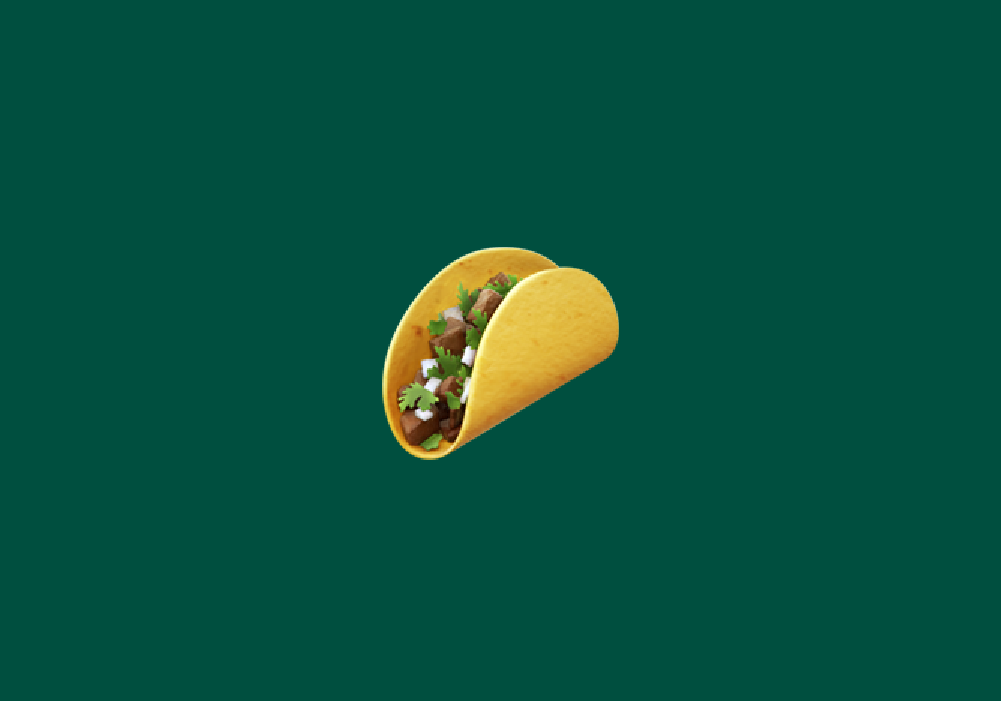
In the rapidly evolving landscape of digital communication, the “meaning” of a word is no longer confined to the dictionary. For modern brand strategists, the true lexicon of the 21st century is visual. Among the thousands of characters in the Unicode Standard, few represent the intersection of corporate lobbying, cultural zeitgeist, and community engagement as perfectly as the taco emoji ( ).
What does a taco emoji mean? To a casual user, it represents a meal. But to a brand strategist, it represents a successful case study in digital real estate, a tool for community building, and a vital component of a “visual-first” marketing identity. Understanding the taco emoji requires looking beyond the shell and the fillings to analyze how symbols dictate brand narrative and consumer behavior in a hyper-connected world.
The Evolution of Visual Language in Modern Branding
The transition from text-based marketing to visual shorthand has transformed how brands communicate with their audiences. In the early days of social media, brands relied on slogans and copy. Today, they rely on symbols that bypass the cognitive load of reading, tapping directly into the emotive and cultural centers of the brain.
From Unicode to Ubiquity: Why the Taco Emoji Matters
The taco emoji was officially approved as part of Unicode 8.0 in 2015. However, its arrival was not an accident of digital evolution. It was the result of a concerted effort to fill a gap in the digital vocabulary. For brands, the introduction of a specific emoji is akin to the launch of a new medium. When the taco emoji was released, it provided a specialized tool for food and beverage brands to signal relevance.
In brand strategy, ubiquity is the goal. When a symbol becomes a standard part of human communication, any brand that can successfully “own” or associate itself with that symbol gains a permanent foothold in the consumer’s subconscious. The taco emoji serves as a bridge between the physical product and the digital lifestyle, allowing brands to exist in the private conversations of millions.
Semiotics in the Digital Age: Decoding the Taco
Semiotics—the study of signs and symbols—is a cornerstone of personal and corporate branding. The taco emoji carries several layers of meaning. On a literal level, it denotes food. On a cultural level, it signifies “Taco Tuesday,” a ritualistic weekly event that drives billions in revenue across the hospitality sector.
On a more nuanced level, the taco emoji has become synonymous with “spiciness,” celebration, and informal social gatherings. For a brand, using this emoji is a way to signal that the company is approachable, modern, and in touch with the “vibe” of its audience. It is a form of digital body language that tells the consumer: “We speak your language.”
Case Study: How Taco Bell Lobbied for Digital Real Estate
To understand the meaning of the taco emoji, one must understand the history of its creation. This is perhaps the most significant example of a brand leveraging digital infrastructure to create a permanent marketing asset.
The #TacoEmojiEngine Campaign
In 2014, the fast-food giant Taco Bell recognized a glaring omission in the emoji keyboard: there was a hamburger, a slice of pizza, and even a box of crackers—but no taco. Seeing an opportunity for a massive branding win, Taco Bell launched a Change.org petition that garnered over 33,000 signatures.
This wasn’t just a quest for a new icon; it was a high-level brand strategy designed to position Taco Bell as the champion of its fans. By leading the charge, Taco Bell ensured that when the emoji finally arrived, the brand would be forever linked to its origin story. This is “symbolic ownership”—a strategy where a brand identifies a cultural vacuum and fills it with its own identity.
Owning a Cultural Moment through Symbolism
When the taco emoji was finally integrated into mobile OS platforms, Taco Bell didn’t stop at the petition. They launched the “Taco Emoji Engine,” an automated social media campaign that generated unique GIFs and images whenever a user tweeted the taco emoji combined with another icon.
The meaning of the taco emoji, in this context, became “engagement.” It turned a static icon into an interactive brand experience. For marketers, this serves as a lesson: a symbol’s meaning is not just what it looks like, but what it does for the user. By giving the emoji utility, Taco Bell cemented its status as the “owner” of the taco in the digital sphere, despite competitors having equal access to the icon.

The Taco Emoji as a Tool for Community and Social Commerce
In the era of “Social Commerce,” emojis act as the grease for the wheels of transaction and community building. The taco emoji, specifically, has become a cornerstone of building brand affinity.
Building Brand Affinity via Visual Shorthand
Brand affinity is the emotional connection between a customer and a business. Emojis are the perfect tool for fostering this connection because they are inherently personal. When a brand uses the taco emoji in a reply to a customer, it breaks down the “corporate wall.” It moves the interaction from a transaction (Company A selling to Person B) to a social interaction (two entities sharing a common interest).
In community management, the taco emoji is often used as a “digital high-five.” It is quick, recognizable, and carries a positive connotation. By integrating this into their brand voice, companies can humanize their corporate identity, making them feel like a friend in the user’s feed rather than a faceless entity.
User-Generated Content and the “Taco Tuesday” Phenomenon
The taco emoji is a primary driver of User-Generated Content (UGC). Because the emoji is so closely tied to the “Taco Tuesday” trend, it acts as a hashtag without the # symbol. Brands that encourage the use of the icon in their captions or comments are essentially creating a trackable, visual community.
For a brand, the “meaning” of the emoji here is “participation.” When a user posts a photo of their lunch and captions it with , they are participating in a global brand category. Smart marketing teams monitor the use of this emoji to identify influencers, engage with loyalists, and gauge the “heat” of their brand’s presence in real-time conversations.
Strategic Implementation: Using Emojis to Humanize Corporate Identity
While the taco emoji is a powerful tool, its use must be strategic. In the world of branding, there is a fine line between being “relatable” and being “cringe.”
Avoiding the “Cringe” Factor in Emoji Marketing
A brand’s identity is defined by its consistency. If a high-end financial institution suddenly starts spamming taco emojis, it creates cognitive dissonance. The meaning of the symbol must align with the brand’s core values. The taco emoji works for brands that are high-energy, youth-oriented, or centered around lifestyle and fun.
Professional brand strategists use emojis to enhance a message, not replace it. The “meaning” of the taco emoji in a professional brand context should be supplementary. It should provide visual punctuation that clarifies the tone of a post—signaling that the content is lighthearted or celebratory. Overusing it, or using it out of context, can make a brand look like it is “trying too hard,” which is the death knell for authentic digital branding.
Metrics of Meaning: Measuring the Impact of Visual Communication
Finally, how do brands measure the success of an emoji-led strategy? The “meaning” of the taco emoji can be quantified through sentiment analysis and engagement rates. Brands use AI-driven social listening tools to track how often the taco emoji is used in conjunction with their brand name versus their competitors.
If a brand’s mentions are increasingly accompanied by the icon, it indicates that the brand has successfully integrated itself into the “taco lifestyle” niche. This visual data is a key performance indicator (KPI) for brand relevance. In the digital economy, being “emoji-associated” is a powerful form of organic marketing that money can’t directly buy; it must be earned through consistent, authentic engagement.

Conclusion
The taco emoji is more than just a 20-pixel graphic of a Mexican dish; it is a vital organ in the body of digital brand strategy. It represents a successful effort by corporate entities to shape the global digital vocabulary. For brands, it means engagement, community, and a seat at the table of modern culture.
As we move further into a visual-first digital landscape, the brands that thrive will be those that understand the deep-seated meanings of these small icons. By leveraging the taco emoji, brands can transform a simple food item into a powerful symbol of identity, ensuring they remain relevant every time a user reaches for their keyboard to share a moment of joy, a meal, or a celebration.
aViewFromTheCave is a participant in the Amazon Services LLC Associates Program, an affiliate advertising program designed to provide a means for sites to earn advertising fees by advertising and linking to Amazon.com. Amazon, the Amazon logo, AmazonSupply, and the AmazonSupply logo are trademarks of Amazon.com, Inc. or its affiliates. As an Amazon Associate we earn affiliate commissions from qualifying purchases.