
The Vietnamese language, or Tiếng Việt, stands as a fascinating subject of study not only for linguists but for professionals navigating the complex landscape of global branding and international market entry. As a tonal, monosyllabic language primarily spoken in Vietnam, it serves as the official national language and is the primary medium for business, education, and cultural expression for over 100 million people worldwide. For brands looking to expand into Southeast Asia, understanding the nuances of Vietnamese is not merely a linguistic exercise—it is a critical component of corporate identity and market positioning.
The Linguistic Roots and Branding Implications
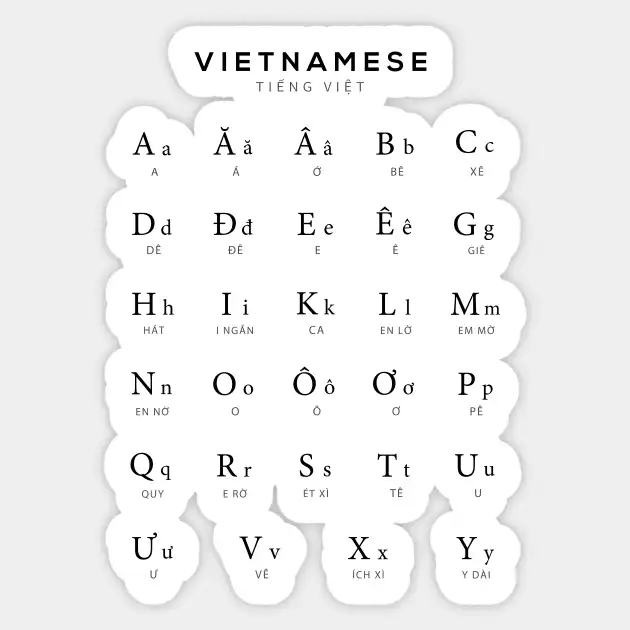
To understand Vietnamese is to recognize its unique evolutionary path. Historically influenced by Chinese characters (chữ Nôm), the language underwent a dramatic transformation in the 17th century with the introduction of the Quốc ngữ script. This Latin-based alphabet, developed by Jesuit missionaries, uses diacritics to denote tone and vowel quality. For global brands, this transition represents one of the most successful localization strategies in history, proving that linguistic adaptation is the cornerstone of sustainable market integration.
The Power of Tone in Brand Perception
Vietnamese is a tonal language, featuring six distinct tones that can completely alter the meaning of a word. For marketing and advertising professionals, this presents a significant challenge in naming and slogan localization. A brand name that sounds premium in English may inadvertently carry a negative or nonsensical connotation in Vietnamese if the tonal profile is not carefully audited. Successful companies prioritize phonetic research to ensure their brand identity remains consistent and positive when translated into the Vietnamese tonal structure.
Cultural Semantics and Corporate Messaging
Beyond the phonetics, the Vietnamese language is deeply rooted in hierarchical social structures. The use of pronouns—known as address terms—changes depending on the speaker’s age, social status, and relationship to the listener. In a corporate context, professional communication requires an acute awareness of these honorifics. Marketing materials must adopt a tone that respects these social hierarchies, moving away from the directness of Western advertising toward a more nuanced, relationship-oriented narrative.
Navigating the Vietnamese Market: A Branding Perspective
Expanding into Vietnam requires a comprehensive strategy that goes beyond simple translation. It demands localization—the process of adapting a brand’s voice, visual identity, and values to align with local expectations. Businesses that fail to grasp the cultural weight of the language often find their messaging disconnected from the local consumer base.
Crafting a Localized Identity
A global brand must decide whether to retain its English-language identity or fully immerse itself in the Vietnamese linguistic landscape. The most successful brands in Vietnam often employ a hybrid approach. They maintain their global visual identity (logos, color palettes) while heavily localizing their copy to reflect the cultural cadence of the region. This strategy preserves corporate authority while signaling a commitment to the Vietnamese market.

Content Strategy and Digital Presence
In the digital age, social media is the primary battleground for brand engagement. On platforms like Facebook, Zalo, and TikTok, the Vietnamese language is evolving rapidly. Younger generations are blending traditional Vietnamese with English loanwords, creating a “Globish” dialect that reflects Vietnam’s growing integration into the global economy. For a brand to remain relevant, it must leverage this modern vernacular. Using the formal, rigid language of the past can make a brand appear out of touch, while a modern, conversational tone helps to humanize the brand and foster community trust.
The Intersection of Language, Design, and UX
The technical constraints of the Vietnamese language—specifically the use of diacritics—pose specific challenges for digital designers and software developers. From a branding perspective, the visual presentation of the language is just as important as its grammatical correctness.
Typography and Diacritic Management
Vietnamese uses a high density of diacritics (accents and marks above and below letters). When choosing fonts for a brand’s digital touchpoints, designers must ensure that the typography supports the full Vietnamese character set. A font that looks elegant in English may become cluttered or unreadable when diacritics are applied. Ensuring that fonts are “Vietnamese-ready” is a fundamental requirement for maintaining brand professionalism. If a brand’s website or mobile app displays broken characters or incorrectly rendered accents, it immediately signals a lack of investment in the local consumer experience.
UX Writing and Information Architecture
User Experience (UX) writing in Vietnamese requires careful consideration of word length and sentence structure. Because Vietnamese is monosyllabic, the visual weight of the text can look quite different from European languages. A button label that is concise in English might expand significantly in Vietnamese, potentially breaking the responsive design of an interface. Brands that prioritize high-quality UX writing—focusing on clarity, brevity, and local context—often see higher conversion rates. By investing in professional localization teams, companies can ensure that their digital interfaces are as intuitive for a Vietnamese user as they are for a global one.
Strategic Communication in a Growing Economy
As Vietnam continues to solidify its position as a major manufacturing and consumer hub, the value of effective linguistic communication has never been higher. Brands that treat the Vietnamese language as a strategic asset rather than an obstacle will find themselves with a distinct competitive advantage.
The Role of Corporate Social Responsibility (CSR)
Language is the primary vehicle for CSR initiatives. When a company communicates its values in the native language of its employees and customers, it builds a bridge of authenticity. Using clear, empathetic Vietnamese in corporate communications demonstrates that a brand values its presence in the region not just for profit, but for the impact it creates. Whether through localized annual reports, press releases, or community outreach, the language acts as a conduit for trust.
Looking Toward the Future
The evolution of the Vietnamese language—driven by technology, international trade, and social media—mirrors the country’s rapid modernization. For brands, this means that their linguistic strategy must be dynamic. What worked five years ago may not be as effective today. Regular audits of brand language, monitoring of local trends, and engagement with native-speaking brand consultants are essential practices for any organization looking to thrive in this vibrant market.
By understanding the technical, cultural, and social complexities of the Vietnamese language, brands can move beyond the surface level of international trade and build genuine, lasting connections. Whether it is through the precise use of diacritics in a logo, the careful selection of pronouns in an ad campaign, or the intuitive design of a localized mobile app, the way a brand speaks to the Vietnamese consumer is a direct reflection of its brand equity. In the final analysis, mastering the communication of the Vietnamese identity is one of the most powerful tools in a brand’s arsenal. Success belongs to those who do not just translate, but who truly listen to the language of the market they seek to serve.
aViewFromTheCave is a participant in the Amazon Services LLC Associates Program, an affiliate advertising program designed to provide a means for sites to earn advertising fees by advertising and linking to Amazon.com. Amazon, the Amazon logo, AmazonSupply, and the AmazonSupply logo are trademarks of Amazon.com, Inc. or its affiliates. As an Amazon Associate we earn affiliate commissions from qualifying purchases.