
In an increasingly digital world where cashless transactions dominate, the concept of purchasing a purely digital asset like Bitcoin with physical cash might seem anachronistic. Yet, for a significant segment of the global population, and for those prioritizing privacy, accessibility, or circumventing traditional banking systems, cash remains a powerful and practical medium for acquiring cryptocurrency. Bitcoin, the pioneering decentralized digital currency, was designed to operate outside the conventional financial infrastructure, making cash a surprisingly fitting conduit for its acquisition. This guide delves into the methods, considerations, and safeguards involved in transforming your physical currency into digital gold.
The allure of cash in the context of Bitcoin acquisition stems from several factors, chief among them privacy and accessibility. In many parts of the world, a substantial portion of the population is unbanked or underbanked, lacking access to credit cards, bank accounts, or digital payment systems. For them, cash is king, and the ability to purchase Bitcoin directly with it opens doors to the digital economy and investment opportunities that would otherwise be inaccessible. Furthermore, for those concerned about financial surveillance or the extensive digital footprints left by online transactions, cash offers a degree of anonymity that is increasingly valued in the modern era.
The Enduring Appeal of Cash in a Digital Age
While the world gravitates towards digital payments, cash retains a unique position, particularly in the realm of cryptocurrency. Its physical nature offers distinct advantages that digital alternatives often cannot match, especially for users navigating financial systems or seeking specific transaction characteristics.
Privacy and Anonymity Considerations
One of the primary drivers for using cash to purchase Bitcoin is the enhanced privacy it affords. Traditional online cryptocurrency exchanges often require extensive Know Your Customer (KYC) and Anti-Money Laundering (AML) checks, demanding personal identification, proof of address, and sometimes even facial recognition. While these measures are crucial for regulatory compliance and preventing illicit activities, they can deter individuals who prioritize financial privacy. Cash transactions, particularly in peer-to-peer (P2P) settings or through certain Bitcoin ATMs (though regulations vary), can significantly reduce the amount of personal data shared, offering a more anonymous way to enter the crypto market. This appeal extends to those who simply prefer to keep their financial activities discreet, away from the watchful eyes of financial institutions and data aggregators.
Accessibility for the Unbanked or Underbanked
A significant portion of the global population still lacks access to traditional banking services. This demographic, often referred to as the “unbanked” or “underbanked,” is effectively locked out of many digital financial opportunities that require bank accounts, debit cards, or credit cards. Cash provides a universal medium of exchange that transcends these barriers. By enabling cash-to-Bitcoin conversions, individuals in developing nations or marginalized communities can participate in the global digital economy, access investment opportunities, and leverage Bitcoin for remittances or wealth preservation, all without needing a traditional bank account. This inclusivity is a powerful testament to the democratic potential of Bitcoin, facilitated by the humble banknote.
Avoiding Digital Footprints
Every online transaction leaves a digital footprint, a trail of data that can be analyzed, shared, and stored. For individuals wary of data aggregation, targeted advertising, or potential security breaches, minimizing this footprint is a priority. Purchasing Bitcoin with cash inherently reduces the digital trail, as the initial exchange happens in the physical world. While the subsequent movement of Bitcoin on the blockchain is public, the link between the individual and the initial acquisition can be significantly obscured. This preference for avoiding digital footprints is not just about privacy; it’s also about mitigating risks associated with data breaches and identity theft that are prevalent in the digital sphere.
Navigating the Cash-to-Bitcoin Landscape: Methods Explained
Acquiring Bitcoin with cash is not as straightforward as an online bank transfer, but several established methods cater to this specific need. Each method comes with its own set of advantages, disadvantages, fees, and levels of convenience.
Utilizing Bitcoin ATMs: A Step-by-Step Guide
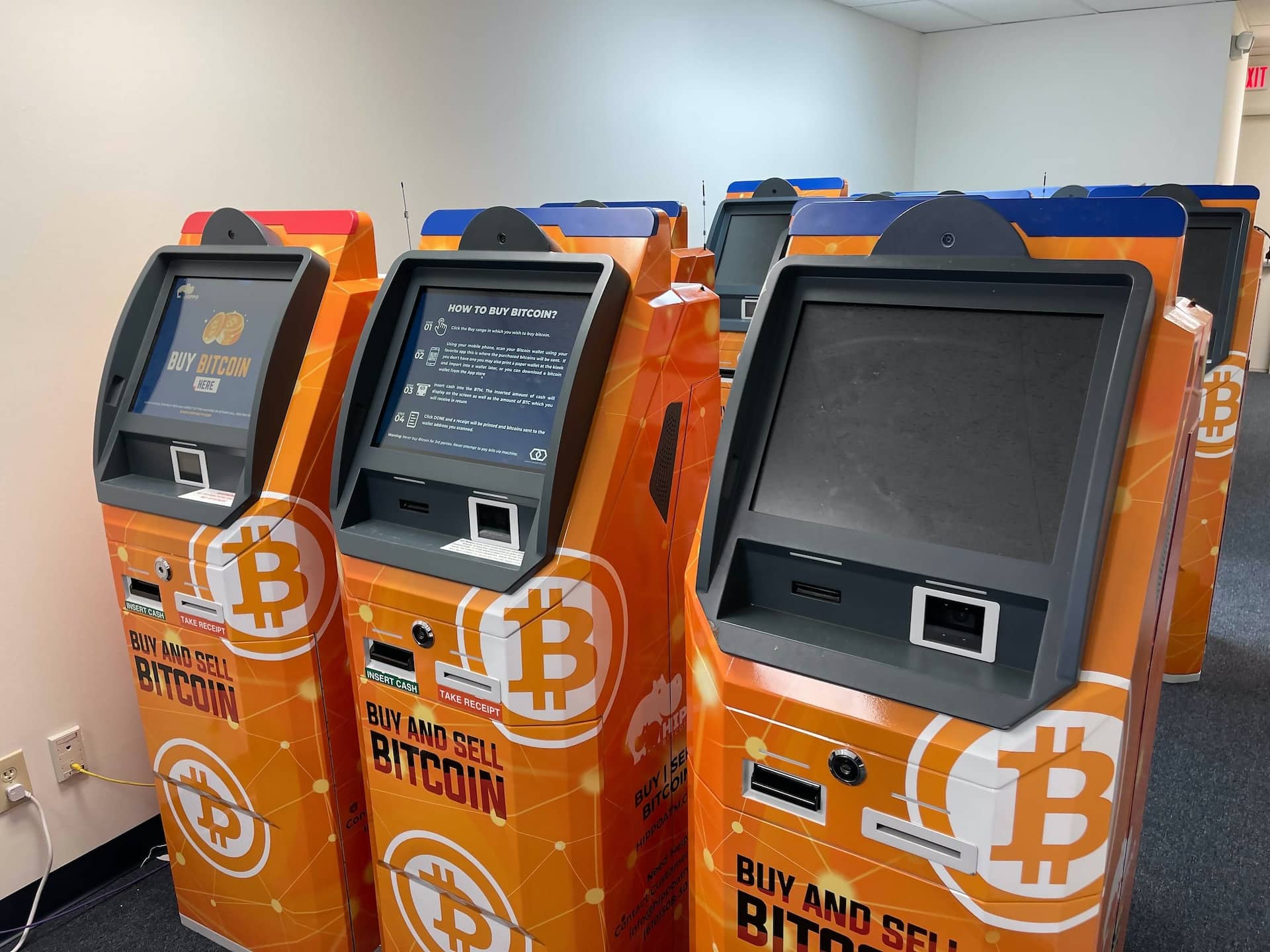
Bitcoin ATMs (BTMs) are specialized kiosks that allow users to buy Bitcoin using physical cash. They are increasingly common in urban centers worldwide, offering a relatively simple and often quick way to convert fiat currency into crypto. The process typically involves scanning your Bitcoin wallet QR code, inserting cash into the machine, and confirming the transaction. The Bitcoin is then sent directly to your wallet.
- Locate a BTM: Use online maps (e.g., Coin ATM Radar) to find the nearest Bitcoin ATM.
- Verify Limits and Fees: Check the ATM’s buying limits and transaction fees, which can be higher than online exchanges.
- Prepare Your Wallet: Ensure you have a secure Bitcoin wallet (mobile or hardware) ready to receive the funds.
- Initiate Transaction: At the ATM, select “Buy Bitcoin,” enter the amount, and scan your wallet’s receive QR code.
- Insert Cash: Feed your cash into the machine.
- Confirm and Receive: Confirm the transaction details. The Bitcoin will be sent to your wallet, typically within minutes.
It’s important to note that many BTMs now incorporate KYC requirements for higher transaction limits, often requiring a phone number verification or even ID scanning.
Peer-to-Peer (P2P) Platforms: Connecting Buyers and Sellers
P2P platforms (like LocalBitcoins, Paxful, or Bisq) facilitate direct trades between individuals. Sellers post offers to sell Bitcoin, specifying their preferred payment methods, which often include cash deposits at a bank or even in-person cash exchanges. This method offers flexibility and can sometimes yield better rates, though it requires more personal interaction and vigilance.
- Choose a Reputable Platform: Select a P2P platform with a strong reputation and escrow services.
- Find a Seller: Browse listings for sellers offering cash payments in your area or via bank deposit.
- Initiate Trade: Open a trade with a seller, specifying the amount.
- Follow Instructions: If meeting in person, agree on a safe, public location. If using a bank deposit, follow the seller’s instructions precisely.
- Confirm Payment: Once cash is exchanged or deposited, confirm payment with the platform.
- Receive Bitcoin: The seller will release the Bitcoin from escrow to your wallet.
P2P platforms typically include escrow services to protect both parties, holding the Bitcoin until the cash payment is confirmed.
Over-the-Counter (OTC) Desks: For Larger Transactions
For individuals or institutions looking to purchase substantial amounts of Bitcoin with cash, Over-the-Counter (OTC) desks offer a bespoke service. These services cater to large-volume trades that might impact market prices if executed on standard exchanges. OTC desks provide personalized assistance, liquidity, and discretion, often facilitating in-person cash deposits or bank transfers for significant sums. They typically involve a more formal onboarding process and higher minimum transaction values. While offering high liquidity, OTC transactions usually involve a premium over market rates and rigorous KYC/AML checks.
Physical Bitcoin Vouchers and Gift Cards
A less direct but still viable method involves purchasing physical Bitcoin vouchers or gift cards from retail outlets. These cards contain a code that can be redeemed for Bitcoin on a specific platform or through a dedicated website. While not directly buying Bitcoin with cash at the moment of purchase, it allows users to convert cash into a redeemable asset that then converts to Bitcoin. This method is often limited by small denominations and may come with higher fees, but it can be a convenient option for small, quick purchases.
Essential Preparations Before Your Cash Purchase
Before embarking on your first cash-to-Bitcoin transaction, adequate preparation is paramount. This not only safeguards your investment but also ensures a smooth and secure experience.

Setting Up a Secure Bitcoin Wallet
Your Bitcoin wallet is where your digital assets will be stored. It’s crucial to choose a wallet that balances security with usability. Options range from mobile wallets (for convenience), desktop wallets (for more control), to hardware wallets (the most secure for larger holdings).
- Mobile Wallets: Apps like BlueWallet, Trust Wallet, or Electrum offer ease of use for on-the-go transactions.
- Desktop Wallets: Examples include Electrum or Exodus.
- Hardware Wallets: Devices like Ledger or Trezor provide the highest level of security by storing private keys offline, making them immune to online hacks.
Always back up your wallet’s seed phrase (recovery phrase) and store it securely offline. Never share it with anyone.
Understanding KYC/AML Regulations (Even for Cash)
While cash transactions can offer greater privacy, it’s a misconception that they are entirely unregulated. Many Bitcoin ATMs and P2P platforms, especially for higher transaction amounts, are subject to Know Your Customer (KYC) and Anti-Money Laundering (AML) regulations. This might involve verifying your phone number, scanning an ID, or even providing a selfie. These regulations are designed to prevent illicit activities, and compliance is mandatory for most legitimate operators. Be prepared to provide some level of personal identification, especially if you intend to make larger purchases.
Researching Fees and Exchange Rates
Cash-to-Bitcoin transactions often come with higher fees compared to traditional online exchanges. Bitcoin ATMs typically charge a percentage of the transaction amount (e.g., 5-10% or more). P2P sellers might offer slightly less favorable exchange rates to compensate for the added effort and risk of cash handling. Always compare rates and fees across different methods and operators before committing to a transaction. Factor in not just the percentage fee but also any flat fees or network transaction fees.
Safety Precautions for Cash Transactions
Physical cash transactions, particularly P2P in-person exchanges, carry inherent risks. Prioritizing personal safety is crucial.
- Meet in Public: If conducting an in-person exchange, choose a well-lit, public place with surveillance, such as a busy coffee shop or bank lobby.
- Bring a Companion: Consider bringing a friend or family member for added security.
- Verify Identity: For P2P trades, ensure the seller’s identity matches their profile, if possible.
- Avoid Large Sums: Start with smaller amounts until you are comfortable with the process and the counterparty.
- Trust Your Instincts: If something feels off, walk away from the deal.
Pros and Cons of Using Cash for Bitcoin Acquisition
The decision to use cash for buying Bitcoin involves weighing several factors unique to this method.
Advantages: Privacy, Speed, and Inclusion
The primary advantages revolve around privacy and accessibility. Cash transactions can offer a degree of anonymity not typically found with bank transfers or credit card purchases. For the unbanked, it’s often the only viable entry point into the crypto market. Bitcoin ATMs offer immediate gratification, with transactions often completing in minutes. P2P exchanges can provide flexibility in terms of location and negotiation. This inclusiveness allows individuals worldwide to access a global, decentralized financial system.
Disadvantages: Volatility, Transaction Limits, and Security Risks
On the flip side, purchasing Bitcoin with cash presents its own set of challenges.
- Higher Fees: As noted, fees are generally higher than online exchanges.
- Limited Availability: Bitcoin ATMs are not universally available, and finding reliable P2P sellers can be challenging in some regions.
- Transaction Limits: Most cash-based methods, especially BTMs, have daily or per-transaction limits to comply with AML regulations, making large purchases cumbersome.
- Price Volatility: The price of Bitcoin can fluctuate significantly even within minutes, meaning the value of your cash could change before the transaction is confirmed.
- Security Risks: In-person cash transactions carry risks of theft, fraud, or even violence if not conducted carefully.
Maximizing Security and Minimizing Risk
Engaging with cash for Bitcoin demands a heightened awareness of security and risk management.
Verifying Counterparties and ATM Operators
Before any transaction, always verify the legitimacy of the ATM operator or the P2P seller. For ATMs, check recent reviews, location security, and ensure the machine is properly branded. For P2P platforms, scrutinize seller ratings, trade history, and read feedback from other users. Never rush into a transaction with an unverified party or an offer that seems too good to be true. Legitimate operators will have transparent fee structures and clear instructions.
Practical Tips for Physical Safety
Beyond general precautions, specific measures can enhance physical safety during cash exchanges. Arrange meetings during daylight hours. Inform a trusted friend or family member about your plans, including the location and estimated duration. Avoid displaying large amounts of cash openly. If using a bank for a cash deposit, consider going inside to the teller instead of using an external ATM. Always prioritize your personal safety over completing a transaction.
Diversification and Investment Strategy
While this guide focuses on the mechanics of purchasing Bitcoin with cash, it’s crucial to approach any cryptocurrency investment with a sound strategy. Bitcoin is a volatile asset; its value can rise and fall dramatically. Never invest more than you can afford to lose. Consider diversifying your portfolio beyond a single cryptocurrency. Educate yourself continuously about market trends, security practices, and blockchain technology. A well-informed investor is a safer investor.
Conclusion
Purchasing Bitcoin with cash remains a vital and accessible pathway into the cryptocurrency market for many. Whether driven by a desire for privacy, lack of traditional banking access, or simply a preference for tangible currency, the methods available are diverse and cater to various needs. While offering unique advantages, these methods also come with their own set of considerations, from higher fees and transaction limits to heightened security risks. By understanding the processes, preparing diligently, and prioritizing safety, individuals can confidently navigate the cash-to-Bitcoin landscape, effectively bridging the gap between the physical and digital realms of finance. As the digital economy continues to evolve, the enduring utility of cash in facilitating access to innovative assets like Bitcoin underscores its persistent relevance in a world increasingly defined by digital transformation.
aViewFromTheCave is a participant in the Amazon Services LLC Associates Program, an affiliate advertising program designed to provide a means for sites to earn advertising fees by advertising and linking to Amazon.com. Amazon, the Amazon logo, AmazonSupply, and the AmazonSupply logo are trademarks of Amazon.com, Inc. or its affiliates. As an Amazon Associate we earn affiliate commissions from qualifying purchases.