
In a world increasingly defined by the invisible dance of data and energy, the concept of “vibration” underpins much of our technological reality. Far from being a mere jiggle or shake, vibration, at its core, is an oscillatory motion or wave-like propagation that permeates everything from the subatomic realm to the vastness of the cosmos. In the context of technology, understanding and manipulating vibration is not just academic; it is fundamental to how our devices work, how we communicate, how we perceive digital experiences, and even how we might power the innovations of tomorrow. This article delves into the multifaceted nature of vibration, exploring its critical role across various technological domains, from the physical mechanics of a device to the ethereal waves that carry information across continents.

The Fundamental Nature of Vibration in Technology
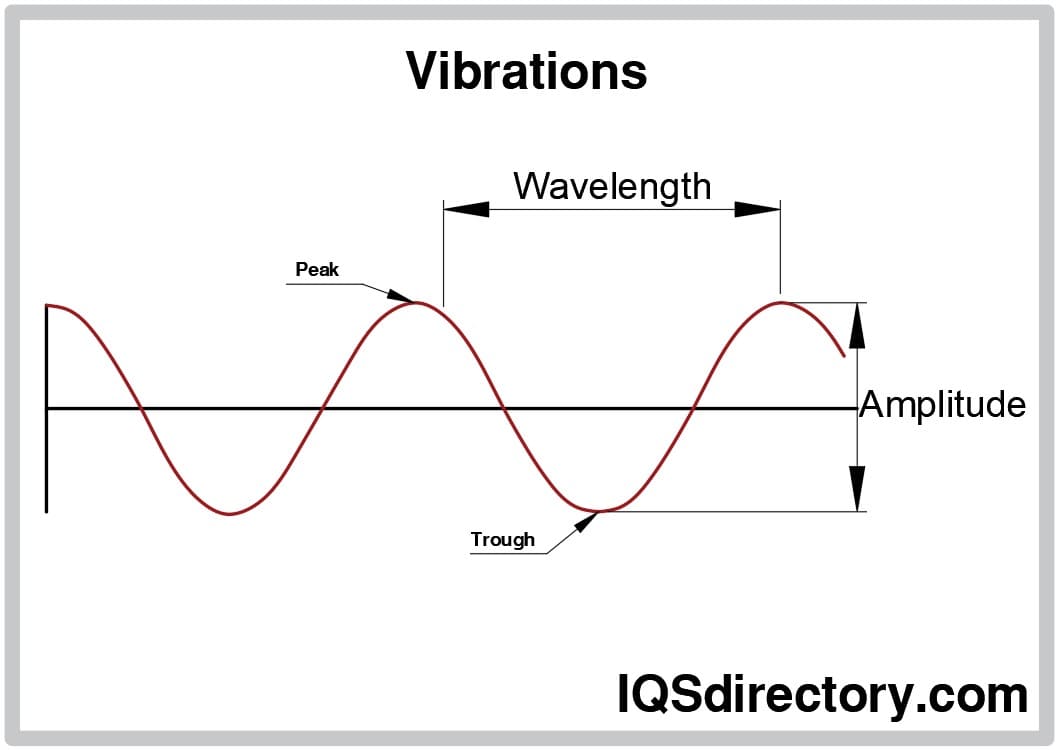
At its most basic, vibration is a periodic motion or oscillation around an equilibrium point. This simple definition belies a profound complexity and ubiquitous presence in the technological landscape, manifesting in myriad forms essential to modern innovation.
Physical Oscillation: From Mechanics to Microelectronics
The most intuitive understanding of vibration comes from its mechanical manifestation: a physical back-and-forth movement. In technology, this is evident in countless applications. Consider the spinning platters of a traditional hard drive, the hum of an electric motor, or the subtle tremor of a smartphone delivering a notification. These are all instances of deliberate or incidental mechanical vibration. Engineers painstakingly design systems to either harness beneficial vibrations (like those that drive haptic feedback) or mitigate detrimental ones (which can lead to fatigue, failure, or noise in machinery).
The scale of physical vibration in technology extends far beyond macro-level components. Micro-electromechanical systems (MEMS) leverage vibration at the microscopic level to achieve astonishing feats. Accelerometers and gyroscopes in smartphones, for instance, are tiny vibrating structures that detect changes in motion and orientation, forming the backbone of fitness trackers, gaming controls, and navigation systems. MEMS microphones convert sound pressure waves—which are vibrations of air molecules—into electrical signals, enabling crystal-clear voice communication. The precision required for these microscopic vibrations demands advanced material science and manufacturing techniques, ensuring that components vibrate at specific frequencies with incredible stability and accuracy. Understanding how materials absorb, transmit, or damp vibrations is crucial, influencing everything from the structural integrity of a rocket to the sensitive operation of a medical device.
Wave Phenomena: Sound, Light, and Electromagnetic Fields
Beyond physical motion, vibration also manifests as wave phenomena, where energy propagates through a medium or even a vacuum without significant material transport. This form of vibration is the lifeblood of communication and sensing technologies.
Sound, for example, is a mechanical wave—a vibration of pressure that travels through a medium like air, water, or solids. Audio technology, from microphones to loudspeakers, is entirely predicated on capturing, processing, and reproducing these vibrational waves. Ultrasound imaging utilizes high-frequency sound waves to create images of internal body structures or to detect objects underwater (sonar), demonstrating a powerful application of controlled acoustic vibration.
Even more pervasive are electromagnetic waves, which are oscillations of electric and magnetic fields that can travel through the vacuum of space. Light, radio waves, microwaves, X-rays, and gamma rays are all part of the electromagnetic spectrum, differing only in their frequency and wavelength – essentially, the rate at which their fields vibrate. Our entire wireless infrastructure – Wi-Fi, Bluetooth, 5G networks, satellite communication – operates by encoding data onto these oscillating fields. Optical fiber communication transmits data as pulses of light, leveraging the incredibly high vibrational frequencies of light waves to achieve vast bandwidths and speeds. Sensors that detect light (photodiodes, cameras) or radio waves (antennas) are fundamentally designed to respond to these specific electromagnetic vibrations, converting them into interpretable electrical signals. The ability to precisely generate, modulate, transmit, and detect these diverse forms of vibrational waves is a cornerstone of modern technological prowess.
Sensing and Interpreting Vibrations: The Digital Ear and Eye
The utility of vibration in technology often lies not just in its generation, but in our ability to detect it, convert it into meaningful data, and interpret that data to gain insights or control systems. This process transforms the ephemeral nature of a shake or a ripple into actionable intelligence.
Transducers and Sensors: Bridging the Analog-Digital Divide
The critical link between a physical vibration and a digital understanding of it is forged by transducers and sensors. These devices are engineered to convert one form of energy into another. For vibrations, this typically means transforming mechanical motion or wave energy into an electrical signal. Accelerometers, as mentioned, are perfect examples: they sense changes in motion by measuring the deflection or strain of a tiny vibrating mass, converting this into a voltage change. Gyroscopes detect angular velocity, often by measuring the Coriolis force acting on a vibrating element.
Microphones convert sound vibrations into electrical signals using various principles, such as piezoelectricity (where mechanical stress generates an electric charge), electromagnetism (moving a coil in a magnetic field), or capacitance (changes in plate distance due to sound pressure). Strain gauges measure the deformation of an object, which often results from mechanical vibration or stress, by detecting changes in electrical resistance. The advancement of sensor technology is relentless, focusing on miniaturization, increased sensitivity, lower power consumption, and the ability to operate in extreme environments. Accurate and sensitive sensors are paramount for applications ranging from earthquake detection to monitoring the structural health of bridges, and from enabling virtual reality experiences to precise industrial automation.
Data Analysis and Machine Learning: Unlocking Insights
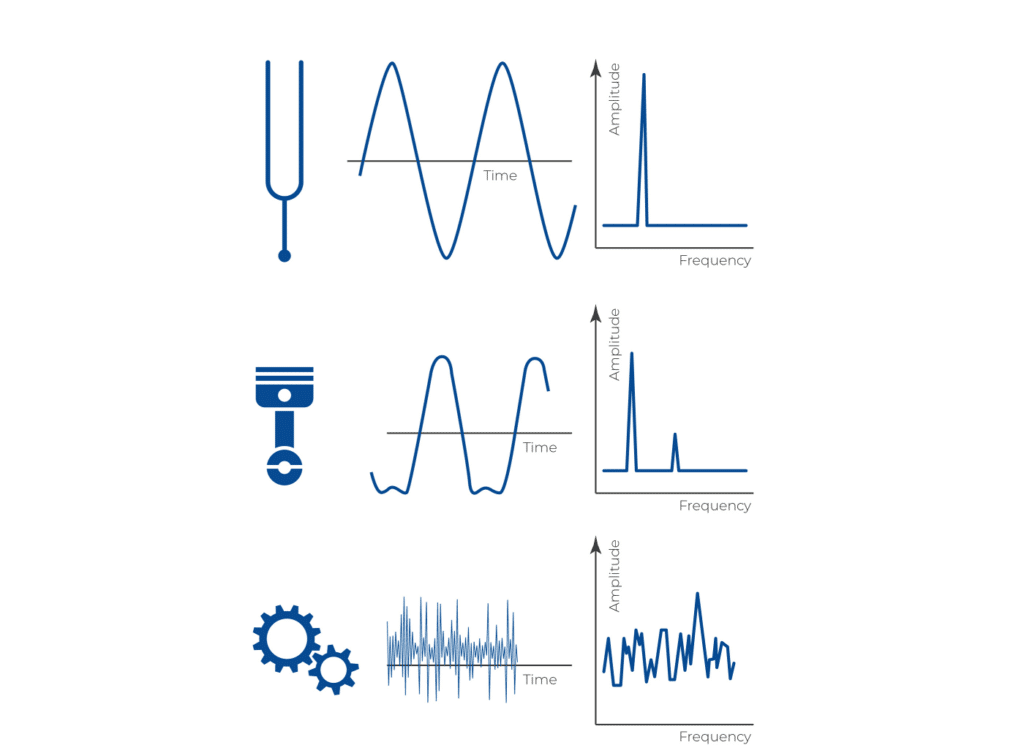
Once a vibration has been transduced into an electrical signal, it becomes digital data that can be processed and analyzed. This is where sophisticated algorithms and machine learning techniques come into play, transforming raw vibrational data into valuable information. A common analytical technique is frequency analysis, often performed using the Fast Fourier Transform (FFT), which decomposes a complex vibrational waveform into its constituent frequencies and their respective amplitudes. This allows engineers to identify specific operational modes, resonances, or potential points of failure in machinery. For example, a change in the frequency signature of a motor’s vibration might indicate bearing wear or an impending malfunction, enabling predictive maintenance before a costly breakdown occurs.
Beyond traditional signal processing, machine learning (ML) has revolutionized the interpretation of vibrational data. ML models can be trained on vast datasets of vibrational patterns associated with normal operation versus various fault conditions. This allows them to autonomously recognize subtle anomalies that might be imperceptible to human analysis, predicting equipment failure, detecting structural damage, or even identifying human activities and gestures based on their unique vibrational signatures. Edge computing, where data processing occurs closer to the source (e.g., on the sensor itself), further enhances the real-time capabilities of vibration analysis, making it possible to provide instant feedback or trigger immediate actions based on detected vibrational changes.
Harnessing Vibration: From Feedback to Energy
Vibration is not merely something to be detected or avoided; it is actively engineered and utilized to enhance user experiences, generate power, and ensure precision in countless technological applications.
Haptic Technology: Immersive User Experiences
One of the most direct and engaging applications of controlled vibration is in haptic technology. Haptics refers to the tactile feedback that simulates the sense of touch. In consumer electronics, this usually involves small motors that generate vibrations, providing alerts, notifications, or simulating textures and forces. Early forms of haptic feedback were simple eccentric rotating mass (ERM) motors in pagers and cell phones, offering a generic “buzz.” Today, advanced haptic actuators, such as linear resonant actuators (LRAs) and piezoelectric elements, offer far more nuanced and precise vibrational patterns.
This evolution has dramatically enriched user interfaces across a spectrum of devices. Smartphones use haptics to provide satisfying keypress feedback, indicate successful actions, or even create a sense of weight or texture in virtual objects. Game controllers leverage haptics to immerse players, simulating impacts, engine rumble, or weapon recoil. In virtual and augmented reality (VR/AR), sophisticated haptic gloves and suits can replicate the feeling of touching virtual objects, adding a crucial layer of realism. Beyond entertainment, haptics are vital in medical simulations, allowing surgeons to practice procedures with tactile feedback, and in automotive interfaces, where haptic cues can provide safer, eyes-free navigation or warning signals. The psychology behind haptics demonstrates that well-designed vibrational feedback can significantly enhance usability, emotional connection, and overall user satisfaction.
Vibration Energy Harvesting: Powering the Future
The pervasive nature of ambient vibration—from footsteps and traffic to machinery hum and wind—represents an untapped source of renewable energy. Vibration energy harvesting is the technology dedicated to converting these often-wasted mechanical oscillations into usable electrical power. This field is critical for developing self-powered devices and extending the lifespan of battery-dependent systems, particularly in the burgeoning Internet of Things (IoT).
Various transduction mechanisms are employed for energy harvesting. Piezoelectric materials generate an electric charge when subjected to mechanical stress or vibration. Electromagnetic generators use the relative motion between a coil and a magnet to induce a current. Electrostatic methods rely on changes in capacitance due to vibrational movement. While the power output from individual harvesters is typically small (microwatts to milliwatts), it can be sufficient to power low-energy IoT sensors, wireless nodes in remote locations, or even certain wearable devices, reducing the need for frequent battery replacement or external power sources. Challenges remain in optimizing efficiency, broadening the frequency range of operation, and developing robust, scalable solutions, but the potential for sustainable, ubiquitous power generation from ambient vibrations is immense.
Active Vibration Control: Precision and Stability
While some vibrations are desirable, others are detrimental. Unwanted vibrations can lead to noise, structural fatigue, precision loss in delicate instruments, or even discomfort. Active vibration control (AVC) systems are designed to counteract these unwanted oscillations by generating “anti-vibrations” that cancel out the original disturbances. This is achieved through a combination of sensors that detect the unwanted vibration, a controller that processes the signal, and actuators that produce the counteracting force.
A classic example is active noise cancellation (ANC) in headphones, where microphones pick up ambient sound waves, and the headphones generate inverse sound waves to cancel them out. In more complex applications, AVC is used in high-precision manufacturing equipment (like lithography machines for chip production) to prevent even microscopic vibrations from affecting product quality. It’s also employed in large structures such as bridges and tall buildings to mitigate wind-induced oscillations, enhancing safety and stability. In the automotive industry, active suspension systems can adapt to road conditions to improve ride comfort and handling by actively dampening vibrations. By intelligently manipulating vibrations, AVC ensures optimal performance, safety, and longevity of systems that require utmost stability and precision.
The Future of Vibration: A Multifaceted Technological Frontier
The exploration and application of vibration in technology continue to evolve, promising even more sophisticated and impactful innovations across diverse fields.
Advanced Materials and Metamaterials
The development of advanced materials, particularly metamaterials, is set to revolutionize our control over vibrational waves. Acoustic metamaterials, for instance, are engineered with specific structures to exhibit properties not found in nature, such as negative refractive index for sound. This opens possibilities for perfect sound absorption, acoustic cloaking (making objects acoustically invisible), and highly directional sound transmission, impacting noise control, sonar, and medical ultrasound. Similarly, mechanical metamaterials could be designed to precisely control shock absorption or energy transfer, leading to next-generation damping systems and impact protection.
Quantum Vibrations
At the frontiers of physics, the concept of vibration extends into the quantum realm. Quantum computing and sensing leverage the vibrational modes of atoms, molecules, or specific quantum systems (phonons) for information processing or ultra-sensitive measurements. Understanding and controlling these quantum vibrations is essential for developing stable qubits, quantum sensors that can detect minute changes in electromagnetic fields or gravity, and even for exploring new states of matter. This area promises to unlock unprecedented levels of precision and computational power.
Human-Computer Interaction
The future of human-computer interaction will see even more intuitive and personalized vibrational feedback. Imagine smart clothing that provides haptic guidance for navigation or posture correction, or augmented reality systems that allow users to “feel” digital objects with unprecedented realism. Furthermore, micro-vibrations generated by human physiological processes (heartbeat, muscle tremors, gestures) could be harnessed by ultra-sensitive sensors to create entirely new input methods, enabling subtle, hands-free control of devices and providing continuous health monitoring.
Smart Infrastructure and Health Monitoring
Vibrational analysis will play an increasingly vital role in smart cities and health. Networks of interconnected vibration sensors embedded in infrastructure—bridges, buildings, roads, and pipelines—will provide continuous, real-time data on structural integrity, enabling predictive maintenance and early warning systems for potential failures. In healthcare, wearable devices capable of detecting subtle physiological vibrations could monitor vital signs, track disease progression, or even detect early signs of neurological disorders, offering a non-invasive window into human health.
In conclusion, “vibration” is far more than a simple physical phenomenon; it is a fundamental principle woven into the fabric of modern technology. From the precise oscillations that underpin microprocessors and communication networks to the tactile feedback that enriches our digital experiences and the ambient energy that could power our future, vibration is a ubiquitous force. As our understanding deepens and our technological capabilities advance, the ability to generate, sense, interpret, and harness vibration will continue to drive innovation, shaping the devices we use, the environments we inhabit, and the very future of our technologically advanced world.
aViewFromTheCave is a participant in the Amazon Services LLC Associates Program, an affiliate advertising program designed to provide a means for sites to earn advertising fees by advertising and linking to Amazon.com. Amazon, the Amazon logo, AmazonSupply, and the AmazonSupply logo are trademarks of Amazon.com, Inc. or its affiliates. As an Amazon Associate we earn affiliate commissions from qualifying purchases.