
In an economic landscape where financial stability can feel increasingly precarious, programs designed to support basic human needs become indispensable. The Electronic Benefits Transfer (EBT) system stands as a cornerstone of America’s safety net, providing crucial assistance to millions of low-income individuals and families. While often synonymous with food assistance, understanding the full scope of what your EBT card enables you to purchase, and the additional benefits it might unlock, is key to maximizing its value for your personal finance and overall well-being. This guide delves deep into the mechanics of EBT, clarifying eligible purchases and highlighting strategic ways to leverage this vital financial tool.
Understanding EBT: A Gateway to Financial Stability
At its core, EBT is an electronic system that allows state welfare departments to issue benefits via a plastic debit card. It replaces paper food stamps and checks, making the distribution and use of benefits more efficient, secure, and discreet. Primarily, EBT is used for two main federal programs: the Supplemental Nutrition Assistance Program (SNAP), which helps individuals and families purchase healthy food, and Temporary Assistance for Needy Families (TANF), which provides cash assistance for a broader range of needs.
The Two Pillars: SNAP vs. Cash Benefits
It’s crucial to differentiate between the two primary types of benefits delivered via EBT. SNAP benefits are specifically designated for food purchases and are governed by strict federal guidelines regarding what can and cannot be bought. These funds are pre-loaded onto the EBT card and can be used at most grocery stores, farmers’ markets, and even some online retailers. They cannot be withdrawn as cash.
Cash benefits, typically from TANF, operate more like a traditional debit card. These funds can be used to purchase eligible items at stores, or they can be withdrawn from ATMs, allowing for greater flexibility in addressing a wider array of household expenses beyond just food. The specific rules for cash benefits can vary more significantly by state. For the purpose of this article, our primary focus will be on the more universally applicable SNAP benefits, often what people mean when they ask “what can you get on EBT.”
EBT as a Critical Financial Management Tool
For households managing tight budgets, EBT is more than just a means to acquire food; it’s an essential component of personal financial management. It directly addresses one of the largest and most inflexible categories of household spending: groceries. By covering a significant portion, or sometimes all, of a family’s food budget, EBT frees up limited cash resources that can then be allocated to other critical expenses like housing, utilities, transportation, or healthcare. Effectively utilizing EBT requires strategic planning, astute shopping habits, and a clear understanding of what constitutes an eligible purchase.
Decoding Eligible Purchases: What Your EBT Card Can Buy
The rules governing SNAP purchases are designed to ensure that benefits are used for their intended purpose: providing nutritious food. While straightforward for most grocery items, some nuances can lead to confusion.
The Foundation: Groceries and Food Staples
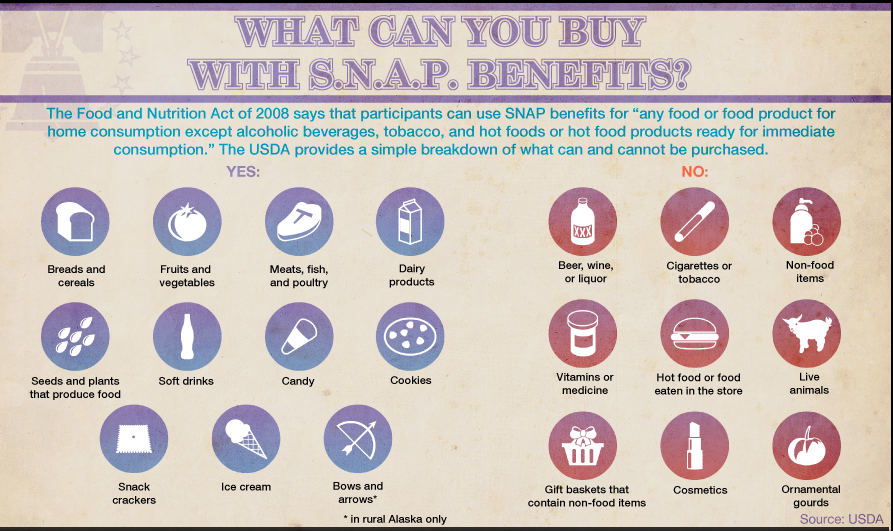
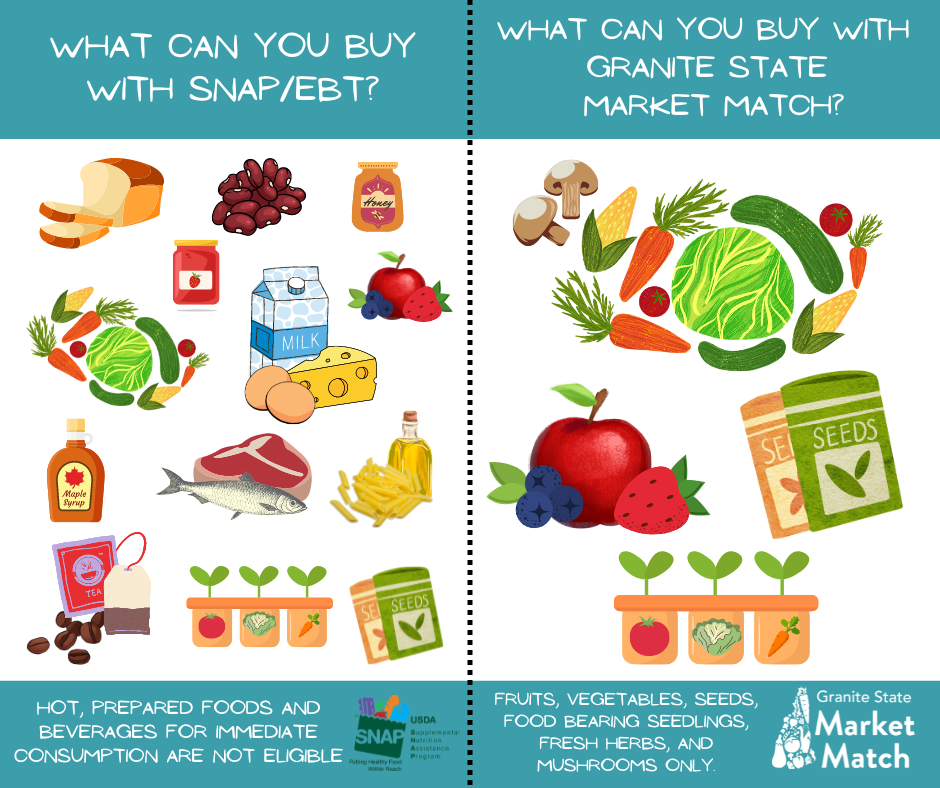
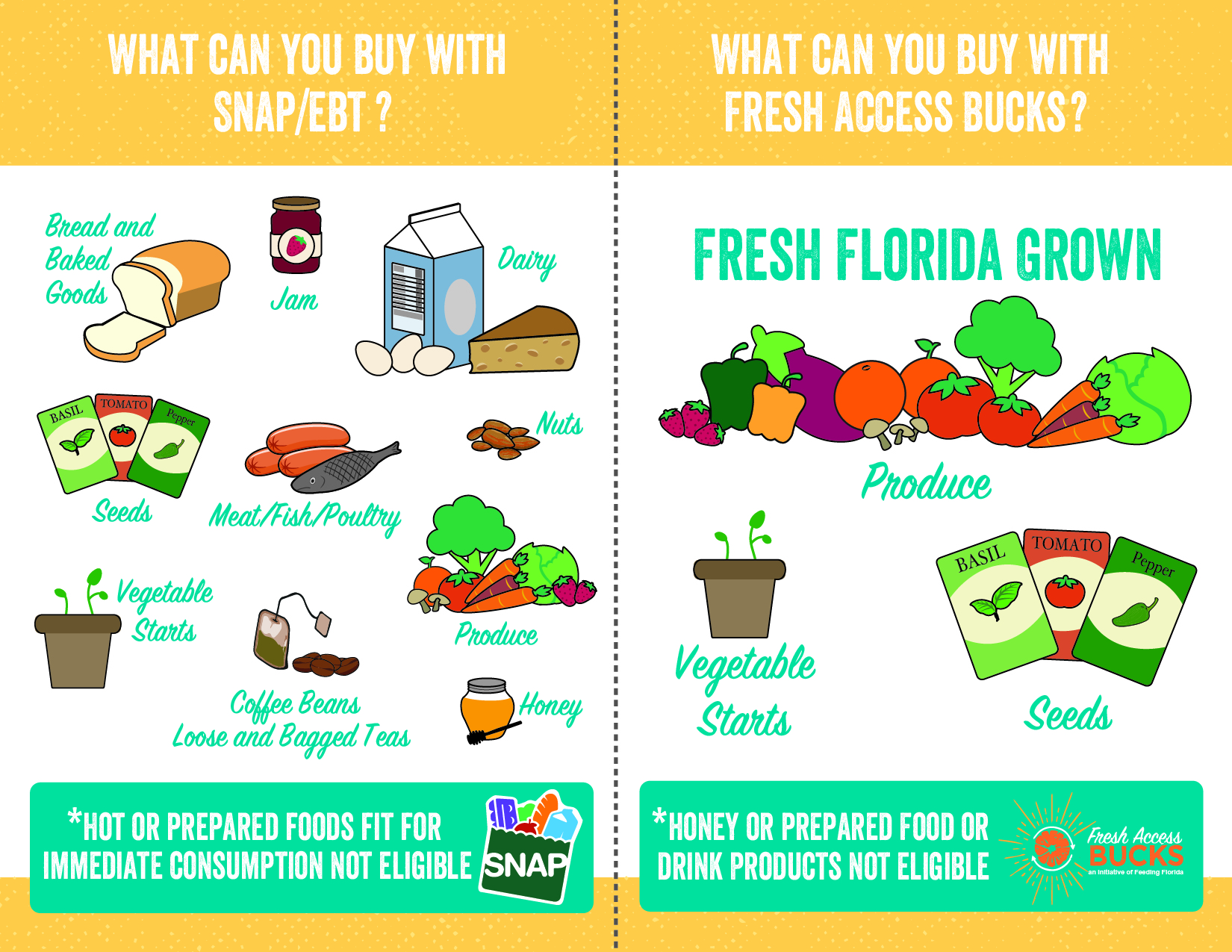
The vast majority of your EBT (SNAP) benefits will be spent on groceries. The guidelines are broad, encompassing most items found in a typical supermarket. This includes:
- Fruits and Vegetables: Fresh, frozen, canned, or dried.
- Meat, Poultry, and Fish: All forms, including fresh, frozen, cured, or canned.
- Dairy Products: Milk, cheese, yogurt, butter, and other dairy items.
- Breads and Cereals: A staple of most diets, including pasta, rice, oats, and various baked goods.
- Snack Foods and Non-Alcoholic Beverages: Chips, crackers, cookies, candy, sodas, juices, bottled water, and energy drinks (as long as they don’t contain supplemental facts labels, which would classify them as supplements).
- Condiments and Spices: Essential for cooking and flavor.
The key takeaway is that if it’s an item you would typically find on a grocery store shelf and consume as part of a meal or snack, it’s very likely eligible.
Cultivating Your Own: Seeds and Food-Producing Plants
A lesser-known but incredibly valuable use of SNAP benefits is for purchasing seeds and food-producing plants. This allows individuals and families to grow their own fruits, vegetables, and herbs, promoting self-sufficiency and access to fresh, healthy produce, often at a lower long-term cost than purchasing from stores. This provision supports sustainable living and provides an avenue for healthier eating habits, making it an insightful option for those with garden space or even small container gardens.
The Non-Negotiables: What Your EBT Card Cannot Buy
Equally important to understanding what is eligible is being clear about what isn’t. SNAP benefits have strict exclusions to prevent misuse and ensure focus on food security. Items you cannot purchase with EBT (SNAP) include:
- Alcoholic Beverages: Beer, wine, liquor.
- Tobacco Products: Cigarettes, cigars, chewing tobacco.
- Hot, Prepared Foods: Items cooked and served hot by a deli or restaurant, or foods intended for immediate consumption in-store. This is a common point of confusion.
- Non-Food Items: This is a broad category encompassing:
- Pet Food: Even if essential for a household pet.
- Vitamins and Supplements: Any product with a “Supplement Facts” label.
- Household Supplies: Cleaning products, paper towels, toilet paper, laundry detergent.
- Hygiene Products: Soap, toothpaste, shampoo, cosmetics.
- Medicines: Over-the-counter or prescription.
These exclusions underscore the program’s focus on nutrition rather than general household expenses.
Navigating the “Hot Food” Exception: RMP and Restaurant Eligibility
While hot, prepared foods are generally ineligible, there’s a significant exception: the Restaurant Meals Program (RMP). This program allows certain SNAP recipients (typically the elderly, disabled, or homeless) in participating states and counties to use their SNAP benefits to purchase prepared meals at authorized restaurants. The RMP is not available nationwide; states must opt-in and gain federal approval. It’s a critical lifeline for those who may not have access to cooking facilities or struggle with meal preparation, offering dignity and a means to access sustenance when traditional grocery shopping is not feasible. If you belong to an eligible demographic, it’s worth checking with your local SNAP office if the RMP is available in your area.
Maximizing Your EBT Benefits for Financial Wellness
Beyond simply knowing what you can buy, strategic utilization of your EBT benefits can significantly enhance your household’s financial well-being and promote healthier eating.
Strategic Meal Planning and Budgeting
Treating your EBT benefits like any other financial resource involves careful planning. Develop a weekly or bi-weekly meal plan before you shop. This helps create a shopping list that minimizes impulse buys and ensures you purchase ingredients for planned meals. Focus on versatile ingredients that can be used in multiple dishes, reducing waste. Compare prices across different stores or within the same store by looking at unit prices. Generic or store-brand products often offer substantial savings without sacrificing quality. This approach ensures your benefits stretch further, providing consistent access to nutritious food.
Leveraging Farmers’ Markets and CSA Programs
Many farmers’ markets across the country are authorized to accept SNAP/EBT cards. This provides access to fresh, local produce, often at competitive prices. Furthermore, many markets and Community Supported Agriculture (CSA) programs participate in “Double Up Food Bucks” or similar incentive programs. These initiatives match a portion of EBT spending dollar-for-dollar when used to buy fruits and vegetables at participating markets, effectively doubling your purchasing power for healthy foods. This not only benefits your health but also supports local farmers and the community economy.
Combining EBT with Other Savings Strategies
Your EBT card doesn’t operate in a vacuum; it can be integrated with other smart shopping tactics to amplify savings. Always look for sales, use store loyalty cards for discounts, and clip digital or paper coupons for eligible items. Many grocery stores offer specific deals that can be combined with EBT purchases. Also, consider buying in bulk for non-perishable items or those you can freeze, as larger sizes often have a lower unit price, saving you money in the long run. By layering these strategies, EBT becomes an even more powerful tool in your personal finance arsenal.
Beyond Food: Exploring Additional EBT-Related Support
While the direct purchasing power of EBT is limited to food (and cash benefits for other needs), holding an EBT card, specifically being a SNAP recipient, often opens doors to a wider array of valuable discounts and programs that further support financial stability and quality of life. These aren’t purchases with your EBT card, but rather benefits accessed by proving SNAP eligibility.
Discounted Admissions to Cultural Institutions
Many museums, zoos, aquariums, and botanical gardens across the United States participate in programs like “Museums for All” or offer their own EBT discount programs. These initiatives typically allow EBT cardholders to gain admission for a very low fee (often $1-$3 per person) or even for free. This provides invaluable access to educational and enriching experiences that might otherwise be financially out of reach, contributing to family well-being and children’s development without directly using SNAP funds. It’s a profound way to ensure cultural access for all income levels.
Utility Bill Assistance and Internet Programs
EBT/SNAP eligibility is frequently a qualifying factor for various utility assistance programs (like LIHEAP – Low Income Home Energy Assistance Program) and discounted internet services (such as the Affordable Connectivity Program, which replaced the Emergency Broadband Benefit). These programs aim to reduce the burden of essential household expenses, making housing more affordable and ensuring access to vital services like heating, cooling, and internet connectivity—a necessity in today’s digital world for education, job searching, and communication. Inquiring about these programs with your local utility providers and internet service companies can lead to significant monthly savings.
Educational and Employment Resources
Many state and local agencies link SNAP participation with access to free or low-cost educational courses, job training programs, and employment support services. These initiatives are designed to help EBT recipients gain new skills, improve their employability, and ultimately move towards greater financial independence. Accessing these resources can be a game-changer, turning temporary assistance into a stepping stone for long-term career growth and improved earning potential. It’s an investment in human capital that directly correlates with future financial health.
Understanding “what you can get on EBT” extends far beyond just grocery aisles. It encompasses a fundamental support system for personal finance, enabling families to meet basic needs while potentially unlocking a host of additional benefits and opportunities. By grasping the specifics of eligible purchases, adopting smart shopping strategies, and exploring related assistance programs, EBT cardholders can significantly enhance their financial stability, improve their quality of life, and build a stronger foundation for the future. EBT is not merely a card; it’s a comprehensive tool for empowerment within the broader framework of financial wellness.
aViewFromTheCave is a participant in the Amazon Services LLC Associates Program, an affiliate advertising program designed to provide a means for sites to earn advertising fees by advertising and linking to Amazon.com. Amazon, the Amazon logo, AmazonSupply, and the AmazonSupply logo are trademarks of Amazon.com, Inc. or its affiliates. As an Amazon Associate we earn affiliate commissions from qualifying purchases.