
To understand the value of the American dollar is to understand the pulse of the global economy. For the individual investor, the small business owner, or the global traveler, the “value” of a dollar is rarely a fixed number. Instead, it is a shifting metric influenced by a complex web of interest rates, geopolitical stability, and the fundamental laws of supply and demand. In the realm of personal and business finance, the dollar serves as the primary yardstick against which almost all other assets are measured. Whether you are holding cash in a savings account or diversifying into international equities, the strength or weakness of the U.S. Dollar (USD) dictates your actual purchasing power and your long-term investment returns.

The Drivers of Currency Valuation: Interest Rates and Inflation
The most immediate determinant of the dollar’s value is the monetary policy set by the Federal Reserve. In the world of finance, money flows toward the highest risk-adjusted returns. When the Federal Reserve raises interest rates, it essentially makes the dollar more attractive to global investors. High-interest rates on U.S. Treasuries and other fixed-income assets mean that investors can earn a better return on their capital in the United States than they might in other regions with lower rates. As international demand for dollar-denominated assets increases, the demand for the currency itself rises, driving up its value relative to other currencies.
The Inflation Factor
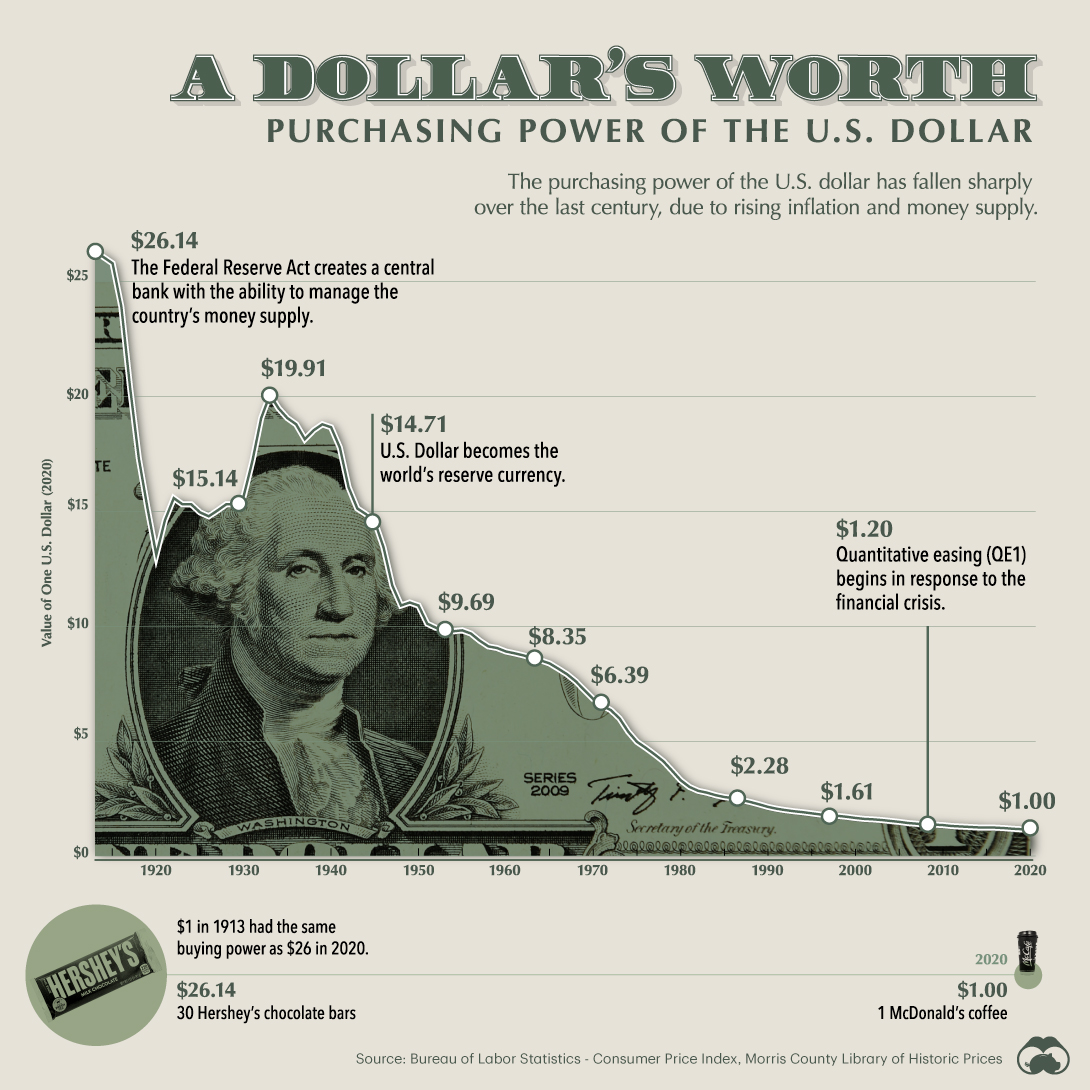
Inflation is the silent disruptor of value. In a domestic context, the value of the dollar is defined by its purchasing power—how many goods and services a single unit can buy. When inflation is high, the “real” value of the dollar declines because each dollar buys fewer items than it did previously. For the consumer, this is felt at the grocery store or the gas pump. For the investor, inflation necessitates a higher rate of return just to break even in real terms. From a global perspective, if the U.S. experiences significantly higher inflation than its trading partners, the dollar’s exchange value may depreciate because its future purchasing power is seen as less stable.
The Safe-Haven Status
Beyond interest rates, the dollar possesses a unique “safe-haven” status. During periods of global economic turmoil, political instability, or market volatility, investors tend to flee “riskier” assets—such as emerging market currencies or volatile stocks—and move their capital into the USD. This is because the United States is perceived to have the most transparent legal system, the deepest capital markets, and a history of honoring its debts. Consequently, the value of the dollar often spikes during a crisis, even if the crisis originated within the U.S. financial system, as seen during the 2008 financial collapse.
The Dollar as the Global Reserve Currency
The true value of the American dollar extends far beyond the borders of the United States. Since the mid-20th century, the USD has functioned as the world’s primary reserve currency. This means that central banks around the globe hold vast quantities of U.S. dollars as part of their foreign exchange reserves. This status grants the United States what has been called an “exorbitant privilege,” allowing the country to borrow at lower costs and maintain a persistent trade deficit without the immediate currency collapses that would plague other nations.
The Role in International Trade
A significant portion of global trade is denominated in dollars, regardless of whether the United States is a party to the transaction. For example, oil, gold, and many other essential commodities are priced in USD on the global market. This “petrodollar” system ensures a constant, baseline demand for the currency. If a country wants to buy oil from an exporter, they must first acquire U.S. dollars to facilitate the trade. This structural demand props up the value of the dollar and integrates it into the very infrastructure of global commerce.
Liquidity and Capital Markets
The U.S. dollar is the most liquid currency in the world. Liquidity refers to the ease with which an asset can be converted into cash without affecting its price. Because so many global contracts, debts, and investments are denominated in USD, the market for the dollar is incredibly deep. This liquidity is a value in itself; institutional investors and corporations prefer to hold USD because they know they can exit or enter positions with minimal friction. This makes the dollar the “grease” that keeps the wheels of international finance turning.
Measuring Value: The US Dollar Index (DXY)
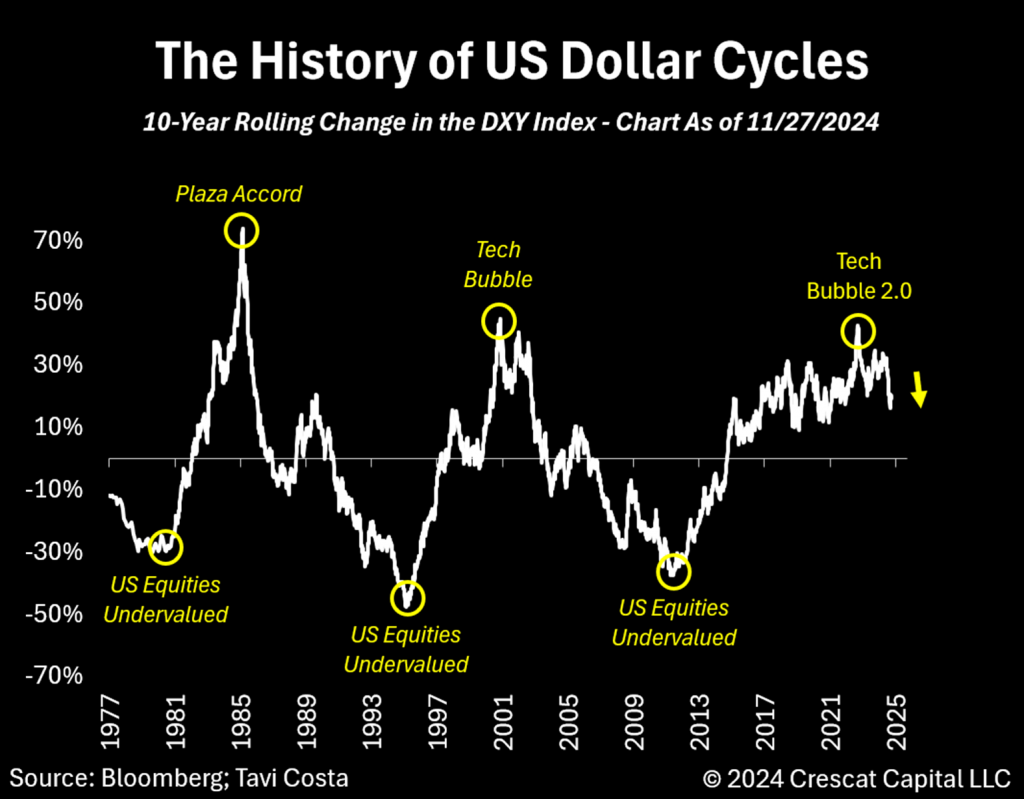
When financial analysts discuss whether the dollar is “up” or “down,” they are often referring to the US Dollar Index (DXY). This index measures the value of the USD relative to a basket of six major world currencies: the Euro, Japanese Yen, British Pound, Canadian Dollar, Swedish Krona, and Swiss Franc. The DXY provides a snapshot of the dollar’s relative strength on the global stage.
Understanding the Trade-Weighted Value
The value of the dollar is always relative. It is possible for the dollar to be losing purchasing power at home due to inflation while simultaneously rising in value on the DXY because other currencies are performing even worse. This distinction is vital for businesses involved in import and export. A “strong” dollar (a high DXY) means that American consumers can buy foreign goods more cheaply, but it also makes American exports more expensive and less competitive for foreign buyers. For multinational corporations, a strong dollar can actually hurt earnings when they convert their foreign profits back into USD.
The Influence of Geopolitical Tensions
Currency values are often a reflection of geopolitical confidence. When the U.S. enters into trade agreements or exercises diplomatic influence, it can stabilize or boost the dollar. Conversely, trade wars, sanctions, or domestic political gridlock can create uncertainty. However, because the U.S. dollar is so deeply entrenched in the global system, it often takes significant shocks to move the needle permanently. The perceived stability of the U.S. government and the rule of law are intangible but essential components of the dollar’s value.
Impact on Personal Finance and Investment Strategy
For the individual focused on wealth building, the value of the dollar affects almost every aspect of financial planning. From the cost of a summer vacation abroad to the performance of a retirement portfolio, the dollar’s fluctuations create both risks and opportunities.
Investing in a Strong Dollar Environment
When the dollar is strong, international investments often appear to underperform. If you own a European stock that gains 10% in Euro terms, but the Euro loses 10% of its value against the Dollar during that same period, your net return in USD is essentially zero. Smart investors often use “currency hedging” or rebalance their portfolios to account for these shifts. Conversely, a strong dollar is an excellent time for U.S.-based investors to acquire foreign assets, as their dollars “go further” in foreign markets.
The Dollar and Tangible Assets
Historically, there is an inverse relationship between the value of the dollar and the price of commodities like gold and silver. Since these metals are priced in dollars, a weaker dollar typically leads to higher gold prices, as it takes more units of the currency to buy the same amount of metal. For those looking to hedge against a declining dollar, holding “hard assets” or commodities has traditionally been a core strategy in business and personal finance.
Debt and the Dollar
The value of the dollar also impacts the real cost of debt. If you have a fixed-rate mortgage or business loan, inflation (which decreases the dollar’s value) can actually work in your favor over the long term. You are essentially paying back your debt with “cheaper” dollars that have less purchasing power than the dollars you originally borrowed. This is why high-inflation environments often see a surge in borrowing for tangible assets like real estate.
The Future of the Dollar: Challenges and Outlook
While the U.S. dollar remains the dominant force in finance, its long-term value is a subject of intense debate. Several factors are currently challenging the dollar’s supremacy and, by extension, its global valuation.
De-dollarization and Multipolarity
In recent years, several nations have expressed a desire to move away from the USD in international trade to avoid the impact of U.S. sanctions and monetary policy. Initiatives by BRICS nations (Brazil, Russia, India, China, and South Africa) to settle trades in local currencies represent a slow but significant shift. While the “de-dollarization” narrative is often exaggerated in the short term—given that there is currently no viable alternative with the same liquidity and trust—a gradual shift toward a multipolar currency world could eventually reduce the structural demand for the dollar.
Digital Assets and CBDCs
The rise of cryptocurrencies and Central Bank Digital Currencies (CBDCs) introduces a new technological layer to the concept of currency value. While Bitcoin is often touted as “digital gold” and a hedge against fiat currency devaluation, the Federal Reserve is also exploring the potential for a digital dollar. The efficiency and security of a digital USD could reinforce its status by making it even easier to use in global transactions, or it could face competition from decentralized protocols that operate outside the traditional banking system.
Fiscal Responsibility and the National Debt
Finally, the fundamental value of any currency is a reflection of the fiscal health of the issuing nation. The growing U.S. national debt and persistent budget deficits raise questions about the long-term sustainability of the dollar’s value. If global investors eventually lose confidence in the U.S. government’s ability to manage its obligations, they may demand higher interest rates to hold USD, or they may seek alternatives altogether. However, as of now, the dollar remains the “least dirty shirt in the laundry,” maintaining its value because the alternatives—such as the Euro or the Yuan—face their own significant structural and political hurdles.
In conclusion, the value of the American dollar is a multifaceted concept that bridges the gap between daily expenses and global geopolitics. It is a measure of interest rates, a tool of international diplomacy, and a cornerstone of personal investment strategy. By understanding the forces that drive the dollar, individuals and businesses can better navigate the complexities of the modern financial landscape, protecting their wealth and capitalizing on the inevitable shifts in the global economy.
aViewFromTheCave is a participant in the Amazon Services LLC Associates Program, an affiliate advertising program designed to provide a means for sites to earn advertising fees by advertising and linking to Amazon.com. Amazon, the Amazon logo, AmazonSupply, and the AmazonSupply logo are trademarks of Amazon.com, Inc. or its affiliates. As an Amazon Associate we earn affiliate commissions from qualifying purchases.