
The 1919 Lincoln Wheat penny is more than just a cent; it is a century-old artifact that represents a specific era of American economic history. For the modern investor or side-hustler, understanding the value of a 1919 penny requires a shift in perspective—from viewing currency as a medium of exchange to viewing it as a tangible asset. In the world of numismatics, value is driven by a complex interplay of scarcity, historical significance, and physical condition.
As we navigate an era of digital assets and volatile stock markets, many individuals are turning to alternative investments like rare coins to diversify their portfolios. The 1919 penny, minted just after the conclusion of World War I, offers a fascinating case study in how a common circulation coin can transform into a high-value financial instrument. Whether you have found one in an old jar or are looking to acquire one as a long-term hold, calculating its true market value involves far more than looking at the date.
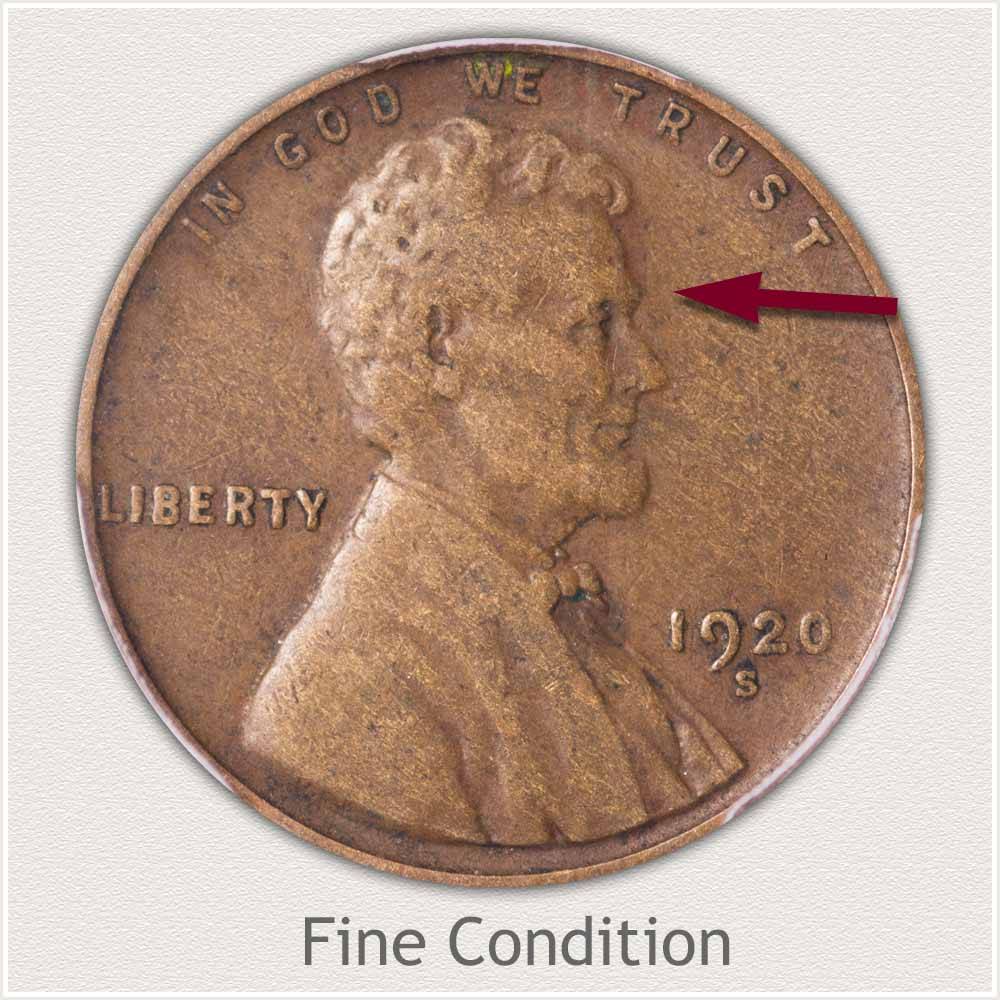
Understanding the Market Dynamics of the 1919 Lincoln Wheat Penny
The value of any collectible asset is primarily dictated by the laws of supply and demand. In 1919, the United States Mint produced a massive quantity of pennies across its three main facilities to meet the demands of a post-war economy. While the sheer volume of production suggests a high supply, the “survivorship bias” of high-quality specimens creates the scarcity that investors crave.
The Significance of the Post-WWI Era in Coinage
1919 was a year of transition. The global economy was stabilizing after the Great War, and industrial production in the United States was surging. This led to a high mintage of the Lincoln Wheat cent, designed originally by Victor David Brenner in 1909. Because these coins were used heavily in daily commerce, the vast majority of the 1919 mintage was worn down to “Good” or “Very Good” condition. For a financial strategist, this means that while a 1919 penny is common, a pristine 1919 penny is an outlier with significant upside potential.
Supply, Demand, and the Scarcity Factor
The total mintage for 1919 was over 588 million coins across Philadelphia, Denver, and San Francisco. On the surface, this high number might discourage an investor looking for “rare” items. However, the numismatic market operates on “condition rarity.” This concept dictates that the value of an asset increases exponentially as its condition approaches perfection. While a circulated 1919 penny might only be worth 20 to 50 cents, a specimen graded at Mint State 67 (MS67) can command thousands of dollars at auction because only a handful of such coins are known to exist.
Key Factors That Determine the Financial Appraisal of Your 1919 Penny
To accurately value a 1919 penny, one must look at three critical variables: the mint mark, the professional grade, and the color designation. These three factors differentiate a common pocket change find from a blue-chip investment piece.
The Role of Mint Marks (P, D, and S)
The location where the coin was produced significantly impacts its market price. In 1919, coins were struck at three locations:
- Philadelphia (No Mint Mark): With a mintage of approximately 392 million, these are the most common. In lower grades, they carry minimal premium, but in “Superb Gem” condition, they are highly sought after by registry set collectors.
- Denver (D): The Denver Mint produced about 57 million pennies in 1919. Because Denver typically had lower production numbers than Philadelphia, 1919-D pennies generally carry a higher price floor.
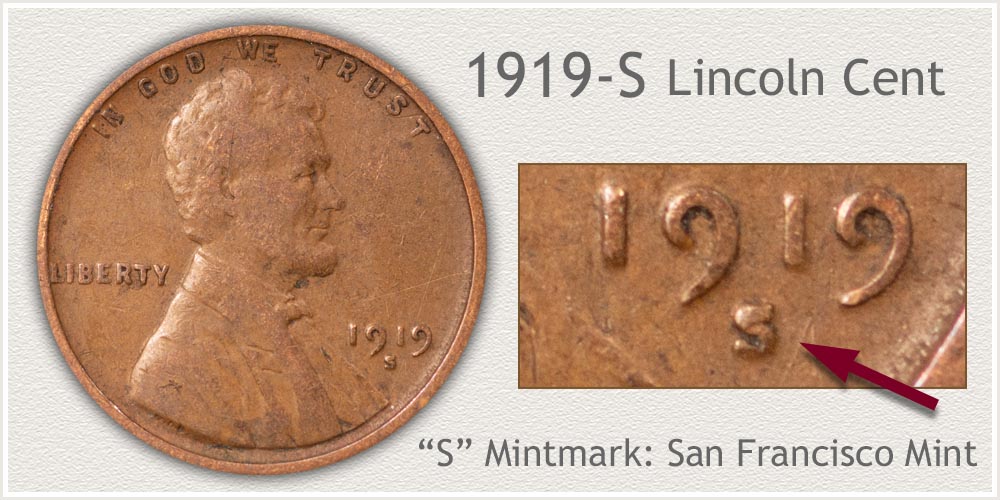
- San Francisco (S): Approximately 139 million were struck in San Francisco. While the mintage was higher than Denver’s, the 1919-S is notoriously difficult to find in high grades with a sharp strike, making well-preserved examples extremely valuable to specialists.
The Impact of Professional Grading (PCGS and NGC Standards)
In the financial world of coins, “raw” (ungraded) coins are risky. To unlock the true value of a 1919 penny, it must be authenticated and graded by a third-party service like the Professional Coin Grading Service (PCGS) or the Numismatic Guaranty Company (NGC). These organizations use the Sheldon Scale, ranging from 1 to 70.
- Circulated Grades (1–50): These coins show wear. A 1919 penny in these grades is worth very little (usually $0.15 to $5.00).
- About Uncirculated (50–58): These show trace wear on the high points. Values range from $10 to $30.
- Mint State (60–70): These are coins that never entered circulation. The jump from MS63 to MS65 can represent a price increase of several hundred percent.
Color Designations: Red, Red-Brown, and Brown
Copper reacts with oxygen over time. For the 1919 penny, the color of the copper is a primary value driver.
- Brown (BN): The coin has lost its original mint luster and turned a chocolate color.
- Red-Brown (RB): The coin retains 5% to 95% of its original orange-red copper glow.
- Red (RD): The coin retains over 95% of its original mint luster. A “Full Red” 1919 penny is the “gold standard” for investors. A 1919-S in MS65 Red is significantly more expensive than the same coin in MS65 Brown.
Rare Varieties and Error Coins: The High-Yield Assets of 1919
Beyond standard mintages, there are “anomalies” that act as high-yield assets within the numismatic market. Error coins are the result of technical failures during the minting process, and because they are unintentional, they are inherently rare.
Doubled Die Obverses and Reverses
A doubled die occurs when the hub impresses an image onto a die at a slightly different angle, resulting in doubled lettering or numbers. While 1919 is not as famous for doubling as 1955 or 1972, minor doubled dies do exist. Finding a confirmed 1919 doubled die can instantly increase the coin’s value from a few dollars to several hundred, depending on the severity of the doubling and the coin’s condition.
Off-Center Strikes and Lamination Errors
Other errors to look for include off-center strikes, where the coin was not properly aligned with the dies, and lamination errors, where the metal of the coin flakes or peels due to impurities in the copper alloy. While lamination errors are common for this era and may only add a small premium, a significant off-center strike (where 10% to 50% of the design is missing but the date is still visible) can be a prized piece for error collectors, commanding prices of $50 to $200 or more.
The 1919 Penny as a Portfolio Diversification Tool
From a personal finance perspective, investing in coins like the 1919 penny is a move toward “hard assets.” Unlike stocks, which can go to zero, or fiat currency, which can be devalued by inflation, a rare copper coin has intrinsic value and historical scarcity.
Historical Appreciation Rates
Looking at auction records over the last twenty years, high-grade Lincoln Wheat cents have shown steady appreciation. While they do not provide dividends or interest, their capital gains potential is notable. For example, a 1919-D penny in MS66 Red might have sold for a fraction of its current price a decade ago. As more collectors enter the market and “Registry Sets” (competitive collections) become more popular, the demand for these top-tier coins continues to rise.
Numismatics vs. Traditional Equities
Rare coins often have a low correlation with the stock market. During periods of high inflation or economic uncertainty, tangible assets tend to perform well. A 1919 penny is a portable, private, and durable form of wealth. However, it is important for investors to realize that the coin market is less liquid than the stock market. Selling a high-value coin for its full appraisal value can take time, often requiring an auction house or a specialized dealer.
Maximizing Your Return on Investment: Selling and Storing Your Assets
If you have identified a 1919 penny with significant value, the final step in the financial process is preservation and eventual liquidation. Proper management of the asset ensures that its value does not degrade over time.
Asset Preservation and Security
Copper is a reactive metal. To maintain the “Red” status of a high-grade 1919 penny, it must be stored in a climate-controlled environment. Humidity is the enemy of copper, leading to “verdigris” (green corrosion) which can destroy a coin’s value. Using PVC-free plastic holders (flips) or keeping coins in their sonically sealed slabs from grading services is essential for protecting the investment.

Choosing the Right Sales Channel
When it comes time to realize your gains, the method of sale is crucial.
- Local Coin Shops: Good for quick liquidity, but they typically offer 50% to 70% of the wholesale value to maintain their margins.
- Online Marketplaces (eBay): Better for common or mid-range coins, but fees and shipping risks must be factored into the ROI.
- Major Auction Houses (Heritage Auctions, Stack’s Bowers): This is the preferred route for high-value, graded 1919 pennies. These venues attract serious investors and ensure that the coin reaches its maximum market potential through competitive bidding.
In conclusion, the value of a 1919 penny is a spectrum that ranges from the price of a gumball to the price of a used car. By applying a disciplined financial approach—focusing on grading, mint marks, and market timing—investors can turn these humble copper cents into a meaningful component of their financial legacy.
aViewFromTheCave is a participant in the Amazon Services LLC Associates Program, an affiliate advertising program designed to provide a means for sites to earn advertising fees by advertising and linking to Amazon.com. Amazon, the Amazon logo, AmazonSupply, and the AmazonSupply logo are trademarks of Amazon.com, Inc. or its affiliates. As an Amazon Associate we earn affiliate commissions from qualifying purchases.