
In an increasingly health-conscious world, understanding our environment is paramount. Among the invisible threats, ultraviolet (UV) radiation stands out as a significant concern, capable of causing a range of health issues from sunburn and premature skin aging to more severe conditions like skin cancer and eye damage. For years, general weather forecasts offered broad stroke predictions, but the nuanced, hyper-local nature of UV exposure demanded more precision. Enter technology – a game-changer that has transformed how we access, interpret, and act upon critical environmental data. The question, “What is the UV at my location?” is no longer a rhetorical musing but a prompt for a sophisticated technological response, empowering individuals with real-time, personalized sun safety information. This article delves into the technological advancements that make such precise insights possible, exploring the tools, platforms, and innovations that put sun safety directly into your hands.
The Science Behind UV and Why Location Matters
Before diving into the technology, it’s crucial to grasp the fundamental science of UV radiation and the dynamic factors that make localized data indispensable. The sun, while life-giving, emits different types of UV rays: UVA, UVB, and UVC. While UVC is mostly absorbed by the Earth’s ozone layer, UVA and UVB penetrate the atmosphere, posing risks to human health.
Understanding the UV Index
The UV Index, developed by the World Health Organization (WHO) and other international agencies, is a standardized measure of the strength of solar UV radiation at a particular place and time. It ranges from 0 (low) to 11+ (extreme), with higher values indicating a greater risk of skin and eye damage and a shorter time to harm. This single numerical scale simplifies complex atmospheric physics into actionable information, guiding recommendations for sun protection, such as applying sunscreen, wearing protective clothing, or seeking shade. However, the raw number itself doesn’t tell the full story without considering its localized context.
Factors Influencing Local UV Levels
The strength of UV radiation reaching the Earth’s surface is not constant; it fluctuates dramatically based on several dynamic variables. Geographic latitude plays a significant role, with UV levels generally higher closer to the equator. Time of day and year are critical, as UV radiation is strongest during the middle of the day (10 AM to 4 PM) and during summer months when the sun is highest in the sky. Altitude also intensifies UV exposure; for every 1,000 meters increase in elevation, UV levels can rise by 10-12% due to less atmosphere to absorb the rays.
Furthermore, atmospheric conditions like cloud cover, ozone levels, and air pollution can absorb or scatter UV radiation, altering its intensity. Clouds, for instance, don’t always offer full protection; thin clouds can sometimes even increase UV exposure by scattering rays. Reflective surfaces like snow, water, and sand can significantly amplify UV exposure by bouncing rays back onto the skin. All these factors underscore why a regional forecast is insufficient and why precise, location-specific data is essential for effective sun protection.
The Need for Hyperlocal Data
Given the variability of these influencing factors, a generic UV forecast for an entire city or region often falls short. A park in a valley might experience different UV levels than a nearby beach or mountaintop trail. A dense urban canyon could have different exposure than an open suburban field. Hyperlocal data, therefore, becomes critical. It refers to information that is precise to a very small geographic area, often down to a specific street address or even a building. For UV monitoring, this granularity ensures that individuals receive the most accurate risk assessment for their immediate surroundings, enabling truly personalized sun safety strategies.
Navigating the Digital Landscape: Apps and Websites for UV Data
The quest for hyperlocal UV information has been largely fulfilled by an explosion of digital tools, ranging from dedicated mobile applications to integrated weather platforms and governmental web portals. These technologies leverage sophisticated algorithms, satellite data, and ground-level sensors to provide real-time or near-real-time UV index readings.
Dedicated UV Index Apps
A growing number of specialized mobile applications are designed solely or primarily to deliver UV index information. Apps like UVLens, SunSmart (from the Australian Cancer Council), and EPA’s SunWise are excellent examples. They often go beyond a simple number, offering hourly UV forecasts, personalized sun protection recommendations based on skin type, reminders to reapply sunscreen, and even sun protection timers to help users manage their outdoor exposure. Some apps also provide historical UV data, allowing users to understand typical patterns in their area or track their own exposure over time. Their user interfaces are typically intuitive, focusing on making critical information accessible at a glance, often incorporating visual cues like color-coded risk levels.
Integrated Weather Applications
For many, the most convenient way to check the UV index is through the weather apps they already use daily. Major players like AccuWeather, The Weather Channel, Google Weather, and Apple Weather have integrated UV index as a standard feature. These apps leverage their existing infrastructure for location services and real-time atmospheric data to provide UV readings alongside temperature, humidity, and precipitation forecasts. The advantage here is convenience; users don’t need a separate app, making UV awareness a seamless part of their routine weather check. These platforms often combine global meteorological models with local sensor data, refining their UV predictions to be as accurate as possible for specific locations.
Web-Based UV Tools and Government Portals

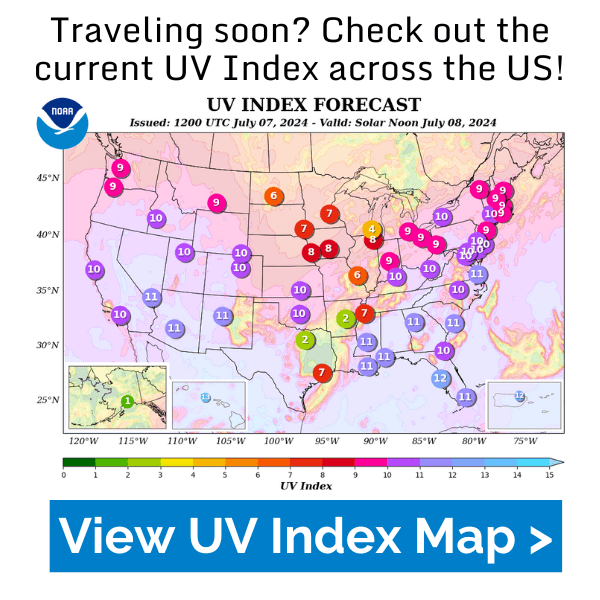
Beyond mobile apps, numerous web-based platforms provide comprehensive UV data. National meteorological services and environmental agencies worldwide often operate dedicated portals. For example, the U.S. Environmental Protection Agency (EPA) provides the SunWise UV Index, offering forecasts for various locations across the country. Similarly, national weather services in Europe, Asia, and Oceania offer detailed UV forecasts, often with educational resources on sun safety. These websites are valuable for planning longer-term activities or for researchers seeking broader data sets. They often display regional maps with UV contours, providing a visual representation of varying intensities across larger areas, complementing the hyper-local focus of mobile apps.
Beyond the Screen: Wearables and Smart Devices for Enhanced Sun Awareness
While apps provide valuable information, the next frontier in sun safety technology integrates UV monitoring directly into our lives through physical devices, offering real-time, direct feedback on exposure. These innovations move beyond passive data consumption to active, personalized sun management.
Wearable UV Sensors and Patches
The rise of wearable technology has brought forth innovative solutions for UV monitoring. Small, discreet UV sensors, often designed as patches, wristbands, or clip-on devices, can be worn on the skin or clothing. These devices contain miniature UV detectors that continuously measure ambient UV radiation. Brands like La Roche-Posay (with their My UV Patch), Netatmo (with their smart weather station that includes a UV sensor), and various smartwatches (like some Garmin and Apple Watch models) that integrate UV data from connected sensors or estimate it based on location, demonstrate this trend. The key advantage of these wearables is their ability to track actual UV exposure on a personal level, providing a more accurate picture than a generalized forecast, especially for individuals with unique exposure patterns or sensitivities. They often alert users when their cumulative exposure reaches a critical threshold, prompting them to seek shade or reapply protection.
Integration with Smart Ecosystems
These wearable UV sensors don’t operate in isolation; they are increasingly integrated into broader smart ecosystems. Data collected by UV patches or smart devices can sync wirelessly with smartphone apps, where it’s processed, analyzed, and presented in a user-friendly format. This data can then be correlated with other personal health metrics tracked by fitness trackers or health apps, creating a holistic view of an individual’s well-being. Imagine your smart home system adjusting blinds based on real-time outdoor UV levels, or your smartwatch reminding you to apply sunscreen before you step out, based on your skin type and current UV index. This interconnectedness transforms sun safety from a conscious effort into an automated, integrated aspect of daily life.
AI and Predictive Analytics in UV Forecasting
The accuracy and personalization of UV forecasting are continually being enhanced through artificial intelligence (AI) and machine learning. AI algorithms can process vast amounts of data from diverse sources – satellite imagery, ground-level UV sensors, atmospheric models, cloud cover predictions, ozone measurements, and even historical weather patterns. By analyzing these complex datasets, AI can identify intricate relationships and predict UV levels with greater precision and for longer forecast periods. Predictive analytics can also personalize recommendations based on an individual’s specific profile (skin type, location, planned activity) and past exposure patterns, offering proactive advice rather than just reactive data. This intelligent approach makes UV technology not just informative, but truly prescriptive and preventive.
Choosing the Right Tech Solution for Your Needs
With a plethora of technological options available, selecting the most suitable solution for monitoring the UV at your location requires careful consideration of various factors.
Factors to Consider: Accuracy, Features, and User Experience
When choosing a UV app or device, accuracy should be paramount. Look for tools that source their data from reputable meteorological agencies or employ sophisticated sensor technology. Check for the frequency of data updates; real-time or near-real-time updates are crucial for dynamic conditions. The range of features offered is also important. Do you need just the UV index, or do you desire personalized recommendations, sun protection timers, or historical data? Consider the user experience: Is the app intuitive and easy to navigate? Is the information presented clearly and concisely? For wearables, factors like comfort, battery life, durability, and integration with your existing smart devices are also key. Privacy policies are another critical consideration, especially for apps or devices that collect personal health or location data.
Personalizing Your Sun Protection Strategy with Tech
The true power of UV technology lies in its ability to empower individuals to personalize their sun protection strategy. By regularly checking the UV index at your location using an app, you can make informed decisions about planning outdoor activities, determining the appropriate SPF for sunscreen, and choosing protective clothing. Wearable sensors provide immediate feedback, allowing you to react instantly to changing exposure levels or cumulative doses. Set reminders on your phone or smart device to reapply sunscreen or seek shade during peak UV hours. Use the insights provided by these tools to understand your personal sensitivity to the sun and adjust your behavior accordingly. Technology serves as an intelligent guide, helping you integrate sun safety seamlessly into your daily routine, whether you’re gardening, hiking, or simply enjoying a walk.
The Future of UV Technology
The landscape of UV technology is continuously evolving. We can anticipate even more sophisticated and integrated solutions in the near future. Imagine smart clothing with embedded UV sensors that dynamically change their protective properties or provide haptic feedback when UV levels are too high. Advanced personalized health dashboards will likely integrate real-time UV data with an individual’s genetic predisposition to skin cancer, vitamin D levels, and other health metrics to offer highly customized sun exposure recommendations. Micro-sensors embedded in urban environments could provide hyper-hyperlocal UV data, down to specific street corners, creating a truly granular map of UV risk. As AI and IoT (Internet of Things) continue to advance, our ability to monitor, predict, and protect ourselves from UV radiation will become even more precise, proactive, and personalized.

Conclusion
The simple question, “What is the UV at my location?” has unlocked a sophisticated world of technological solutions designed to safeguard our health. From intuitive mobile applications and comprehensive web portals to advanced wearable sensors and AI-powered predictive analytics, technology has revolutionized our access to critical sun safety information. These tools empower us to move beyond guesswork, enabling informed decisions about our outdoor activities and sun protection strategies. By understanding the dynamic factors influencing UV levels and leveraging the diverse array of tech available, we can transform sun safety from a reactive measure into a proactive, data-driven aspect of our daily lives. While technology provides invaluable guidance, it’s essential to remember that it serves as a powerful complement to common-sense sun safety practices – seeking shade, wearing protective clothing, and applying broad-spectrum sunscreen remain fundamental pillars of protecting ourselves from the sun’s powerful rays.
aViewFromTheCave is a participant in the Amazon Services LLC Associates Program, an affiliate advertising program designed to provide a means for sites to earn advertising fees by advertising and linking to Amazon.com. Amazon, the Amazon logo, AmazonSupply, and the AmazonSupply logo are trademarks of Amazon.com, Inc. or its affiliates. As an Amazon Associate we earn affiliate commissions from qualifying purchases.