
The demographic composition of a nation serves as the primary engine for its economic engine. When we ask, “What is the United States adult population?” we are not merely seeking a raw figure from the Census Bureau; we are inquiring about the size of the labor force, the depth of the consumer market, and the foundational stability of the nation’s financial systems. As of the most recent estimates, the adult population of the United States—defined as individuals aged 18 and older—stands at approximately 260 million people. This cohort represents roughly 77% of the total population, and its fluctuations, behaviors, and financial health dictate the trajectory of the American economy.
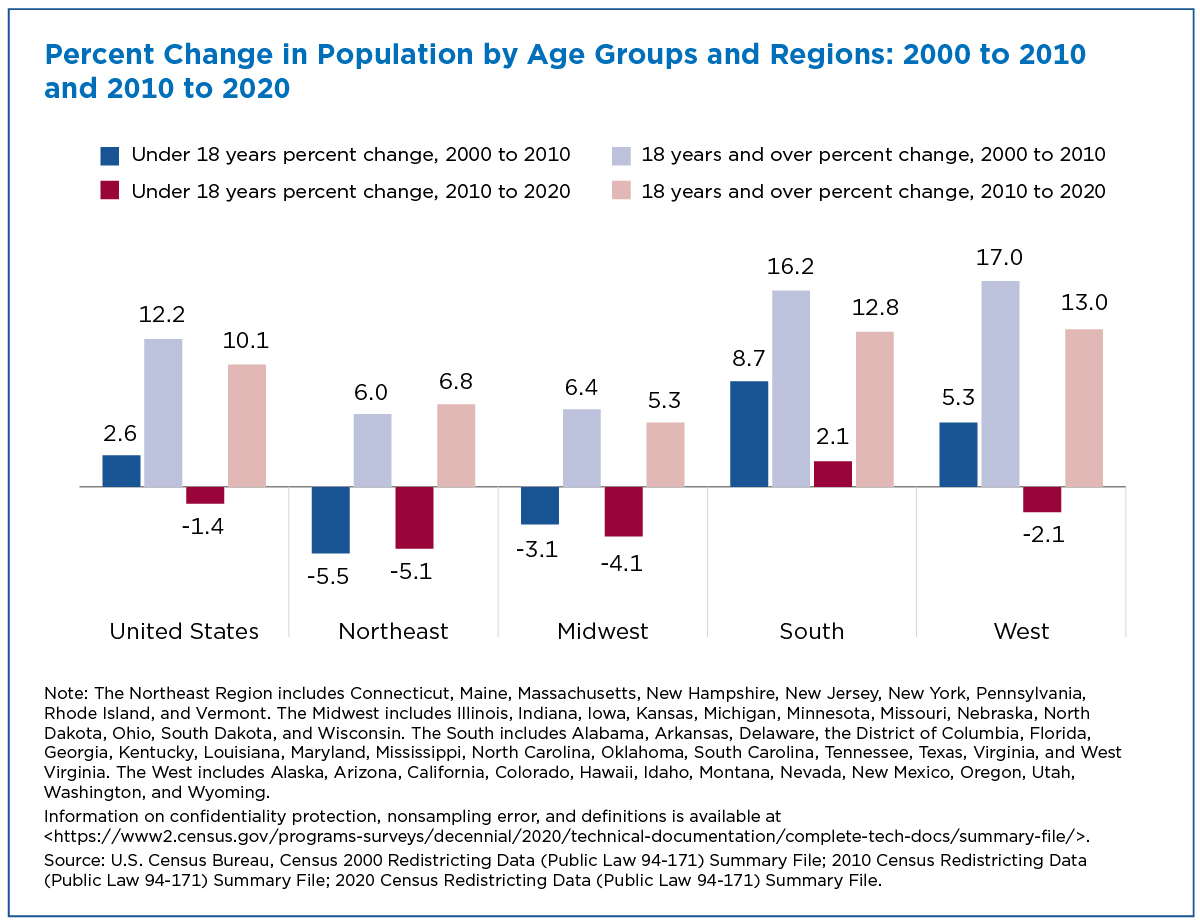
From an investment and personal finance perspective, understanding the nuances of this 260-million-strong group is essential. This population is not a monolith; it is a complex tapestry of generational shifts, varying levels of purchasing power, and evolving professional aspirations. For entrepreneurs, investors, and financial planners, the adult population represents both the supply side of the labor market and the demand side of the global economy.
The Demographic Foundation: Breaking Down the Numbers
The sheer scale of the U.S. adult population provides a unique advantage in the global marketplace. A large, relatively young (compared to other developed nations), and affluent adult population ensures a continuous flow of capital through the tax system, the stock market, and the retail sector. However, the internal dynamics of this group are shifting in ways that have profound implications for wealth management and business strategy.
The Current Landscape of the U.S. Adult Population
Current data suggests that the adult population is growing at a slower rate than in previous decades, yet it remains the primary driver of Gross Domestic Product (GDP). Within this group, the distribution of age is perhaps the most significant factor for economic forecasting. The “Silver Tsunami”—the aging of the Baby Boomer generation—means that a larger percentage of the adult population is moving from the “accumulation phase” of their financial lives into the “distribution phase.”
Conversely, the rise of the Millennial and Gen Z cohorts as the dominant forces in the workforce is reshaping how money moves. These younger adults are more likely to engage with digital-first financial tools, prioritize ESG (Environmental, Social, and Governance) investing, and participate in the burgeoning “passion economy.” Understanding the age breakdown within the adult population allows businesses to tailor their products to the specific financial needs of each life stage, from student loan refinancing to estate planning.
The Impact of Aging Populations on National Wealth
As the median age of the U.S. adult population creeps upward, the economic focus shifts toward healthcare spending, retirement solvency, and the transfer of wealth. It is estimated that over the next two decades, trillions of dollars will pass from the Silent Generation and Baby Boomers to their heirs. This “Great Wealth Transfer” will be one of the most significant financial events in history, radically altering the landscape of personal finance and investment management.
For the economy, an aging adult population presents a double-edged sword. On one hand, it creates a massive market for healthcare and assisted living services—sectors that have become staples for long-term investors. On the other hand, it puts pressure on the social safety net, requiring the younger, working-age adult population to be more productive and financially savvy to maintain the nation’s standard of living.
Workforce Participation and the Changing Nature of Income
The economic utility of the adult population is measured primarily through the labor force participation rate. This metric tracks the percentage of adults who are either employed or actively seeking employment. In the modern era, the way the U.S. adult population earns a living has undergone a structural transformation, moving away from traditional long-term employment toward more flexible, diversified income streams.
The Rise of the Knowledge Worker and Gig Economy
A significant portion of the U.S. adult population has migrated toward the “gig economy” or independent contracting. No longer tethered to a single employer for 40 years, modern adults are increasingly leveraging digital platforms to generate “online income” and “side hustles.” This shift has created a new class of “solopreneurs” who require specialized financial tools for tax management, business expense tracking, and independent retirement accounts (like SEP IRAs).
This diversification of income is a hallmark of the current adult demographic. With the advent of AI and remote work technologies, the geographic location of the adult population is becoming less relevant to their earning potential. An adult living in a rural area can now compete in the global tech or finance markets, effectively democratizing access to high-income opportunities and altering the real estate market in the process.
Productivity Trends Among Adult Demographic Brackets
Productivity is the lifeblood of economic growth. As the U.S. adult population becomes more educated and technologically proficient, the output per worker has the potential to increase significantly. However, this productivity is not evenly distributed. The “skills gap” remains a hurdle for a portion of the adult population, particularly those in industries disrupted by automation.
From a money management perspective, the ability to pivot and learn new high-value skills is the best hedge against inflation and economic downturns. The adults who are thriving in the current economy are those who treat their careers like an investment portfolio—diversifying their skills and maintaining multiple streams of revenue. This mindset shift is essential for navigating a landscape where traditional job security is a relic of the past.
Purchasing Power and Market Influence of the American Adult
The U.S. is a consumer-driven economy, with consumer spending accounting for nearly 70% of economic activity. Therefore, the “purchasing power” of the adult population is the ultimate metric for business success. When the adult population feels financially secure, the “velocity of money” increases, leading to a more vibrant and resilient economy.

Generational Wealth Shifts (Millennials vs. Boomers)
We are currently witnessing a historic tug-of-war for market influence. Baby Boomers currently hold the lion’s share of household wealth, making them the primary targets for luxury goods, travel, and high-end financial services. However, Millennials have overtaken Boomers as the largest living adult generation. Their spending habits—characterized by a preference for experiences over possessions and a heavy reliance on e-commerce—are dictating the future of retail and brand strategy.
For investors, this generational shift provides a roadmap. Companies that successfully capture the loyalty of the younger adult population today are likely to see sustained growth as these individuals enter their peak earning years. Understanding the financial pressures on younger adults, such as housing affordability and debt, is also crucial for developing financial products that provide genuine value.
Regional Economic Disparities and Growth Corridors
The U.S. adult population is not distributed evenly across the map, and neither is its wealth. We see significant migration patterns as adults move toward “growth corridors”—regions with lower taxes, lower cost of living, and higher job availability. States like Texas, Florida, and Tennessee have seen a massive influx of the adult population, driving up real estate values and stimulating local economies.
For the savvy investor, tracking these internal migration patterns is as important as tracking national population growth. Real estate investing, infrastructure development, and local business expansion are all tied to the movement of the adult population. Following the money often means following the people.
Investing Strategies for a Diversified Adult Demographic
In an environment where the adult population is more responsible for their own financial futures than ever before, the importance of sophisticated investing strategies cannot be overstated. The decline of defined-benefit pensions has placed the onus of retirement planning squarely on the shoulders of the individual.
Asset Allocation for Different Life Stages
A 25-year-old in the U.S. adult population has a very different risk profile than a 65-year-old. For the younger demographic, the focus is on long-term capital appreciation, often involving a higher concentration in equities, technology stocks, and perhaps emerging asset classes like digital assets. For the older demographic, the focus shifts to capital preservation and income generation through bonds, dividend-paying stocks, and annuities.
The key to personal finance for the modern adult is “automation.” Using financial tools to automate savings and investments ensures that wealth building happens consistently, regardless of market volatility. This disciplined approach is necessary to combat the inflationary pressures that often erode the purchasing power of the adult population over time.
The Role of Fintech in Scaling Personal Finance
Technology has revolutionized how the U.S. adult population interacts with money. Fractional shares, robo-advisors, and high-yield online savings accounts have lowered the barrier to entry for building wealth. An adult with only $100 can now start a diversified investment portfolio that would have required thousands of dollars in minimums just two decades ago.
This democratization of finance is a positive development for the overall health of the adult population. As more individuals participate in the markets, the “wealth effect” can help stimulate further economic growth. However, it also requires a higher level of financial literacy to navigate the complexities of modern markets and avoid the pitfalls of high-risk speculative bubbles.
Future Outlook: Economic Resilience and Population Sustainability
The future of the U.S. adult population will be defined by how it adapts to global challenges, including technological disruption and shifting demographic trends. While some economists worry about a “demographic cliff,” the United States remains more resilient than many of its peers due to its ability to attract and integrate talent from around the world.
Migration, Immigration, and the Labor Supply
Immigration plays a critical role in maintaining the vitality of the U.S. adult population. It provides a steady stream of labor, from high-skilled tech workers to essential service providers. Without a healthy influx of new adults, the U.S. would eventually face the same stagnation seen in countries with rapidly shrinking populations. From an economic standpoint, immigration is a net positive for the tax base and for maintaining the solvency of social programs.

Policy Implications for Future Tax Bases and Social Security
As the ratio of working adults to retirees changes, the “fiscal contract” of the United States will likely be renegotiated. Future adults may face higher tax rates or delayed retirement ages to balance the national budget. For individuals, this means that private wealth accumulation is no longer optional; it is a necessity for financial survival.
The U.S. adult population is a dynamic and powerful force. Its size, currently at 260 million, provides a stable foundation, but its success in the coming years will depend on its ability to innovate, save, and invest wisely. By understanding these demographic and economic trends, individuals can position themselves to not only survive but thrive in an ever-changing financial landscape. Whether through the pursuit of side hustles, the strategic allocation of assets, or the leveraging of new financial technologies, the American adult remains the primary architect of the nation’s economic destiny.
aViewFromTheCave is a participant in the Amazon Services LLC Associates Program, an affiliate advertising program designed to provide a means for sites to earn advertising fees by advertising and linking to Amazon.com. Amazon, the Amazon logo, AmazonSupply, and the AmazonSupply logo are trademarks of Amazon.com, Inc. or its affiliates. As an Amazon Associate we earn affiliate commissions from qualifying purchases.