
Navigating the complexities of buying or selling a home is a significant financial undertaking, and one of the most substantial costs involved for many homeowners and buyers is the real estate agent fee. Often misunderstood and sometimes a point of contention, these fees are a critical component of nearly every real estate transaction. Understanding what these fees entail, how they are structured, and what influences them is essential for anyone looking to enter the property market. This guide will demystify real estate agent commissions, providing clarity on typical rates, factors that affect them, and strategies for smart financial planning in your real estate journey.
Understanding the Standard Commission Structure
At its core, a real estate agent’s fee, or commission, is the payment they receive for their services in facilitating the sale or purchase of a property. Unlike many professions that charge hourly rates, real estate agents typically work on a commission basis, meaning their compensation is directly tied to the successful completion of a transaction.
The Buyer’s Agent vs. Seller’s Agent Split
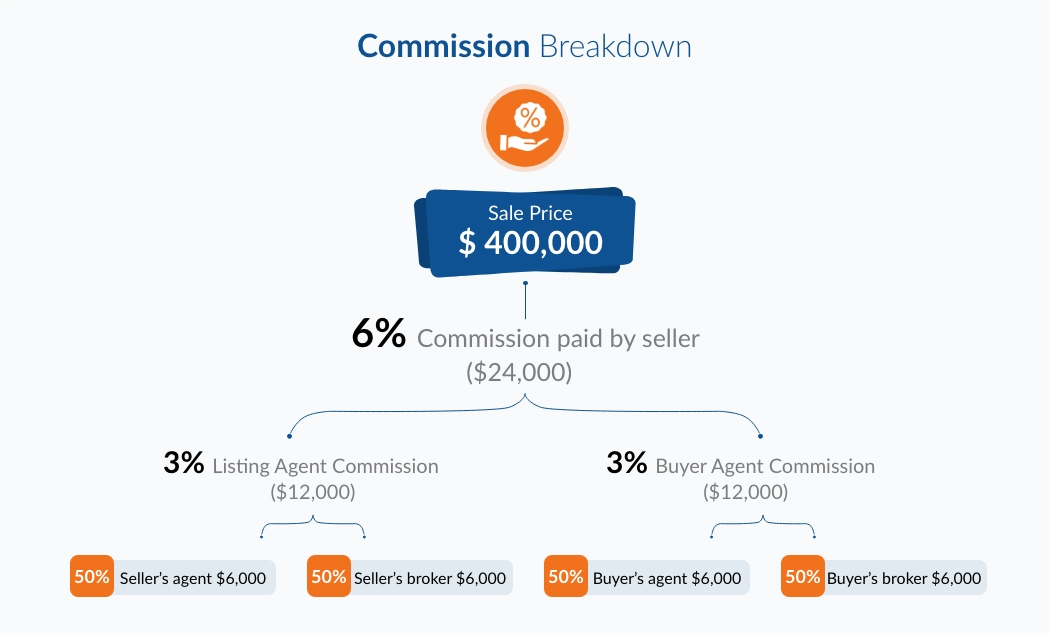
The most common commission structure in residential real estate involves a percentage of the final sale price, usually paid by the seller. This total commission is then typically split between the listing agent (who represents the seller) and the buyer’s agent (who represents the buyer). For example, if a total commission of 6% is agreed upon, it might be split 3% to the listing agent’s brokerage and 3% to the buyer’s agent’s brokerage. Each brokerage then pays its agent a portion of that, depending on their individual contract with the brokerage.
It’s a common misconception among buyers that their agent works for free. While it’s true that the buyer often doesn’t directly write a check for their agent’s services, the commission paid by the seller is typically factored into the home’s listing price. In essence, the buyer indirectly pays a portion of both agents’ fees through the purchase price of the home. This intricate arrangement has historical roots and is designed to incentivize buyer representation without placing an upfront financial burden directly on the buyer, which could otherwise deter market participation.
How Commissions are Calculated
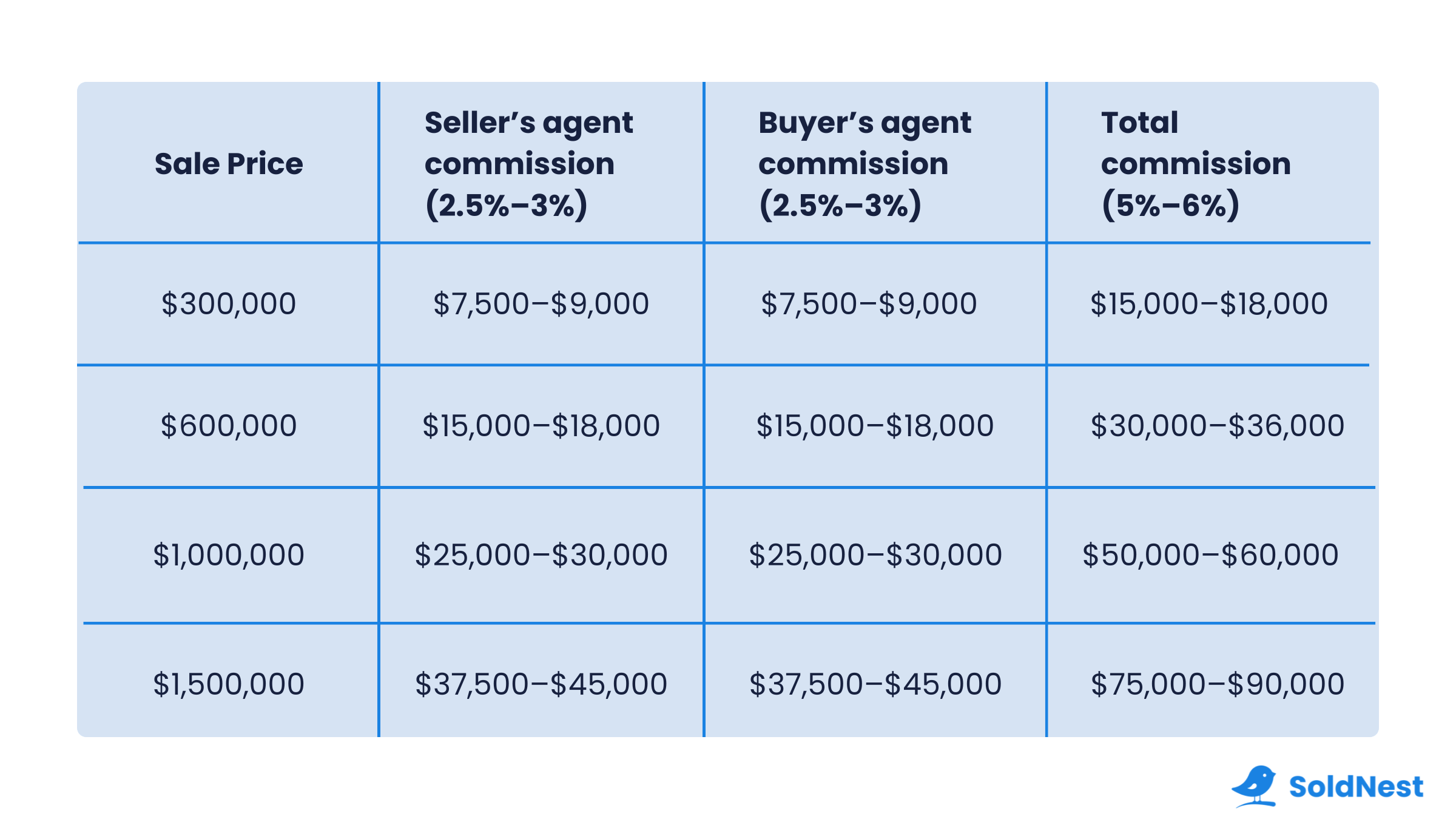
Real estate commissions are almost universally calculated as a percentage of the home’s final sale price. While there’s no legally fixed rate, the typical range for total commission in the United States has historically hovered between 5% and 6%. This means for a home sold at $400,000, a 6% commission would amount to $24,000. This $24,000 is then divided between the two brokerages involved. It’s crucial to understand that this percentage is applied to the gross sale price, before any other deductions or closing costs are factored in. This simple calculation makes it easy to estimate the commission cost once a sale price is established, but the actual percentage can vary.
Factors Influencing Real Estate Commission Rates
While a 5-6% commission rate is often cited as typical, it’s by no means a universal standard. Several dynamic factors can influence the actual rate an agent charges or agrees to. Understanding these can empower both sellers and buyers to approach negotiations more strategically.
Market Conditions and Property Value
The overall health and activity of the real estate market play a significant role. In a seller’s market, where demand outstrips supply and homes sell quickly, agents might be more willing to negotiate a slightly lower percentage, as their workload per transaction might be reduced, and the likelihood of a quick sale is higher. Conversely, in a buyer’s market, where homes take longer to sell and require more intensive marketing, agents might be less inclined to reduce their rates, as their efforts need to be more sustained and extensive.
The value of the property itself is also a factor. On very high-value properties (e.g., multi-million dollar estates), the absolute dollar amount of a 5-6% commission can be substantial. In such cases, agents might be more open to negotiating a slightly lower percentage, understanding that even a reduced rate still yields a significant fee. Conversely, for very low-value properties, agents might insist on a minimum fee or a higher percentage to ensure their time and effort are adequately compensated, as the fixed costs of doing business remain regardless of the property’s price.
Agent Experience and Service Level
Just like in any service-based industry, an agent’s experience, reputation, and the level of service they provide can impact their fee. Highly experienced agents, top producers, or those with specialized knowledge (e.g., luxury markets, specific neighborhoods, commercial properties) often command and justify standard or slightly higher commission rates. Their expertise can translate into a quicker sale, a better sale price, or a smoother transaction, ultimately offering greater value to their clients.
On the other hand, newer agents or those looking to build their client base might be more flexible with their rates to secure business. The scope of services offered also matters. An agent offering comprehensive marketing packages, professional photography, virtual tours, staging advice, and extensive negotiation support might justify a standard fee more easily than one offering a more basic service package.
Geographic Location and Local Norms
Real estate markets are inherently local, and commission norms can vary significantly from one region, state, or even city to another. What’s considered typical in a bustling metropolitan area might differ from a rural community. Local competition among agents, historical practices, and the cost of doing business in a particular area all contribute to these regional variations. It’s always advisable to research the typical commission rates in your specific locality before entering discussions with agents.
Type of Transaction (Residential vs. Commercial)
While this article primarily focuses on residential real estate, it’s worth noting that commission structures can also differ for commercial properties. Commercial transactions often involve more complex negotiations, longer timelines, and specialized expertise, which can sometimes lead to different fee arrangements, including varying percentages or structured payments depending on the deal’s intricacies.
Navigating and Negotiating Agent Fees
Understanding the factors that influence commission rates is the first step; the next is knowing how to effectively navigate and potentially negotiate these fees. While many agents operate with standard rates, there is often room for discussion, especially for sellers.
When and How to Initiate Negotiations
The best time to discuss commission rates is early in the agent selection process, ideally when you’re interviewing multiple potential agents. This allows you to compare their proposed fees alongside their service offerings and marketing plans. Approaching the negotiation openly and respectfully is key. Instead of simply demanding a lower rate, frame your discussion around value. For example, you might ask, “Given my property’s value and the current market, what flexibility do you have on your commission, and what services would be included at that rate?”
It’s important to have a clear understanding of the agent’s full service offering. If an agent is offering a comprehensive marketing strategy, professional photography, staging advice, and extensive open houses, their value proposition may justify a standard fee. If you perceive a reduced service offering, you might have more leverage to negotiate.
What You Can Negotiate For (Beyond Just the Rate)
While a direct reduction in the percentage rate is the most common form of negotiation, it’s not the only option. Consider these alternatives:
- Variable Commission: Some agents might offer a lower commission if they represent both the buyer and the seller (known as a “dual agency,” which has legal implications and restrictions in some states), or if they secure a quick sale above a certain price.
- Performance-Based Incentives: You might propose a slightly lower base commission with a bonus if the agent sells your home above a certain price or within a specific timeframe.
- Included Services: Instead of a lower rate, you might negotiate for the agent to cover certain costs, such as professional staging consultations, enhanced photography, or a pre-listing home inspection, effectively reducing your out-of-pocket expenses.
- Tiered Commission: For very high-value properties, a tiered commission structure might be proposed, where a higher percentage is paid on the first segment of the sale price and a lower percentage on the amount exceeding it.
Red Flags and Unrealistic Expectations
While negotiation is healthy, be wary of agents who are quick to drastically slash their commission without a clear justification. A significantly lower fee might signal a reduced service level, less marketing effort, or an agent who is desperate for business and potentially less experienced. Remember, an agent’s commission funds their marketing budget, their time, and their livelihood. If they are not adequately compensated, their motivation and capacity to provide top-tier service might be compromised. Aim for a fair deal that reflects the agent’s value and the market’s realities.
Alternative Commission Models and Fee Structures
The traditional commission model, while dominant, is not the only option available. A growing number of alternative models cater to different needs and budgets, particularly for sellers who want more control over costs.
Flat-Fee MLS Services
These services are designed for sellers who want to handle most of the selling process themselves but need the exposure of the Multiple Listing Service (MLS). For a one-time, upfront flat fee (which can range from a few hundred to a couple of thousand dollars), the property is listed on the MLS, making it visible to buyer agents and their clients. The seller typically handles showings, negotiations, and paperwork. While this significantly reduces commission costs, the seller still usually offers a commission to the buyer’s agent (e.g., 2.5-3%) to incentivize them to bring buyers.
Discount Brokers
Discount brokers offer reduced commission rates, often ranging from 1% to 4% for the listing side. They achieve this by streamlining operations, leveraging technology, and sometimes offering a more à la carte service menu. For example, a discount broker might charge a 1.5% listing fee but expect the seller to handle all open houses, or they might offer different service tiers at varying price points. This model can save sellers thousands but requires them to be comfortable taking on more responsibility or potentially accepting fewer personalized services.
Commission Rebates (Where Legal)
In some states, real estate agents can offer a portion of their commission back to the buyer, known as a commission rebate. This effectively reduces the buyer’s out-of-pocket closing costs or can be applied towards the purchase price. While a potential benefit for buyers, these rebates are not legal in all states, and regulations vary. Buyers should inquire about the legality and availability of rebates in their area.
For-Sale-By-Owner (FSBO)
The most aggressive approach to avoiding agent fees entirely is to sell the property yourself, known as For-Sale-By-Owner (FSBO). With FSBO, the seller takes on all responsibilities: pricing, marketing, showings, negotiations, and managing the legal paperwork. While this eliminates the listing agent’s commission, FSBO sellers still frequently offer a commission to the buyer’s agent (typically 2-3%) to attract buyers represented by agents. If they find a buyer directly without an agent, then no commission is paid at all. This option demands significant time, effort, and a good understanding of the real estate process.
The Value Proposition: Why Agents Earn Their Keep
Given the significant costs associated with real estate agent fees, it’s fair to question the value they provide. For many, particularly those with complex transactions or limited time, the expertise and services of a good agent prove invaluable, often saving clients money and stress in the long run.
Marketing and Exposure
A professional listing agent brings an extensive network and sophisticated marketing tools. This includes professional photography, virtual tours, staging advice, compelling property descriptions, and widespread distribution on the MLS, popular real estate websites, and social media. This comprehensive exposure is crucial for attracting the widest pool of potential buyers and securing the best possible price.
Negotiation Expertise
Effective negotiation is an art, and skilled agents are masters of it. They act as a buffer between buyers and sellers, expertly handling offers, counter-offers, repairs, and contingencies. Their objective perspective and experience can prevent emotional decisions, protect their client’s interests, and often lead to better financial outcomes than an unrepresented party might achieve.
Legal and Procedural Guidance
Real estate transactions involve a mountain of paperwork, strict deadlines, and complex legalities. From purchase agreements and disclosures to title searches and closing documents, an agent ensures all processes are followed correctly, helping to mitigate risks and avoid costly mistakes. They guide clients through inspections, appraisals, and financing contingencies, ensuring a smooth path to closing.

Time Savings and Stress Reduction
Selling or buying a home is a time-consuming and often stressful endeavor. An agent handles countless details, from scheduling showings and open houses to fielding inquiries, coordinating with lenders and attorneys, and managing deadlines. For busy individuals, the time savings and reduced stress alone can justify the commission, allowing them to focus on their move and personal life.
In conclusion, real estate agent fees are a fundamental part of the property market’s financial landscape. While the typical range of 5-6% might seem substantial, it represents compensation for a wide array of services, expertise, and market access. By understanding the commission structure, factors influencing rates, and available alternatives, both buyers and sellers can make informed financial decisions, negotiate effectively, and ultimately achieve their real estate goals with confidence.
aViewFromTheCave is a participant in the Amazon Services LLC Associates Program, an affiliate advertising program designed to provide a means for sites to earn advertising fees by advertising and linking to Amazon.com. Amazon, the Amazon logo, AmazonSupply, and the AmazonSupply logo are trademarks of Amazon.com, Inc. or its affiliates. As an Amazon Associate we earn affiliate commissions from qualifying purchases.