
When audiences first ask, “What is the TV show Dexter about?” the surface-level answer is simple: it is a crime drama centered on Dexter Morgan, a forensic blood spatter analyst for the Miami Metro Police Department who doubles as a vigilante serial killer. However, from a brand strategy and corporate identity perspective, Dexter represents much more. It is a masterclass in the “Anti-Hero” brand archetype, a study in narrative positioning, and a prime example of how a media property can cultivate a loyal global following by subverting traditional moral frameworks.
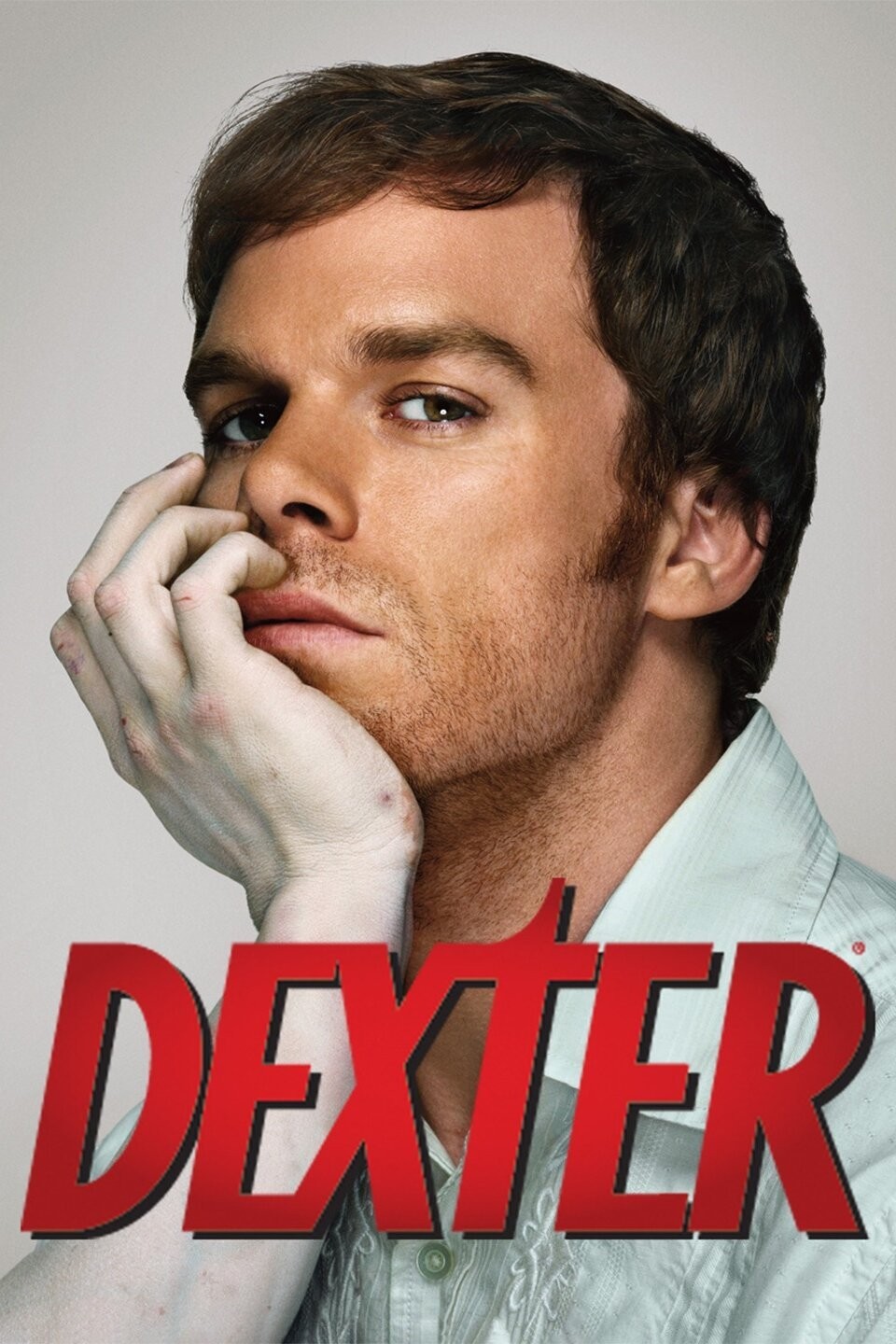
For brand strategists, Dexter is not merely a piece of entertainment; it is a high-concept product that successfully sold the “likable monster” to a mainstream audience. It challenged the conventional boundaries of brand persona, proving that a protagonist does not need to be traditionally “good” to be marketable, provided the brand identity is consistent, disciplined, and rooted in a clear set of values—even if those values are inherently dark.
The Core Identity: Defining the Dexter Brand Archetype
At the heart of the Dexter brand is a meticulously crafted identity that balances duality. In branding terms, this is often referred to as “the mask” versus “the core.” Dexter Morgan operates under a corporate-like “Code of Harry,” a strict set of rules instilled by his adoptive father. This code serves as the brand’s mission statement, ensuring that the “product” (Dexter’s vigilante justice) is only delivered to a specific target audience: other killers who have escaped the legal system.
Subverting the Hero Narrative
Most television brands in the mid-2000s were built on the “Hero” archetype—characters who stood for justice, transparency, and communal well-being. Dexter disrupted this market by adopting the “Outlaw” or “Rebel” archetype. By positioning a serial killer as the protagonist, the show’s creators had to perform a delicate brand pivot. They framed Dexter’s actions not as random acts of violence, but as a necessary, albeit grim, service to society.
This subversion is a powerful lesson in brand positioning. By identifying a “gap in the market”—in this case, the frustration audiences felt with a slow and often ineffective legal system—the Dexter brand offered a cathartic, albeit fictional, solution. The brand identity was built on the premise of “The Dark Passenger,” a psychological personification of Dexter’s inner turmoil, which allowed the audience to empathize with his struggle for self-control.
The Visual Language of the “Dark Passenger”
Branding is as much about aesthetics as it is about narrative. The visual identity of Dexter is iconic and instantly recognizable. The juxtaposition of the bright, neon, sun-drenched streets of Miami with the cold, sterile, plastic-wrapped kill rooms created a visual tension that defined the brand’s “look and feel.”
The opening credits sequence remains one of the most effective pieces of brand storytelling in television history. By using extreme close-ups of mundane morning rituals—shaving, cutting fruit, tying shoelaces—and filming them with a visceral, almost violent intensity, the show established its brand DNA without a single line of dialogue. It told the audience exactly what the show was about: the extraordinary hidden within the ordinary. This level of visual consistency is what allows a brand to maintain its identity across multiple seasons and spin-offs.
Marketing the Impossible: How Showtime Branded a Serial Killer
When Dexter premiered on Showtime, the network faced a significant marketing challenge: how do you advertise a show about a serial killer without alienating the broader public or facing a total ethical backlash? The solution lay in high-impact, experiential marketing and a focus on the show’s dark wit.
Viral Campaigns and Guerrilla Marketing
Showtime’s marketing strategy for Dexter was as bold as the show itself. One of the most famous examples of their brand activation involved “bleeding” fountains in major metropolitan areas, where the water was dyed blood-red to promote a new season. They also utilized provocative print ads and “fake” newspaper wraps that blurred the lines between the show’s fiction and reality.
These guerrilla marketing tactics were designed to generate “earned media”—the holy grail of brand strategy. By creating something shocking and shareable, Showtime ensured that the Dexter brand remained at the center of the cultural conversation. This approach demonstrates the power of “disruptive branding,” where a product breaks through the noise of a crowded marketplace by taking calculated risks that align with its core identity.

Building a Cult Following Through Ethical Conflict
A successful brand often creates a “tribe”—a community of loyalists who feel a deep connection to the product. Dexter achieved this by inviting the audience into a moral gray area. By using voiceover narration, the show gave viewers direct access to Dexter’s inner thoughts, making them “conspirators” in his crimes.
From a brand strategy perspective, this created a high level of engagement. Fans weren’t just passive viewers; they were emotionally invested in Dexter’s survival. This “insider” feeling is a key component of brand loyalty. When a brand makes the consumer feel like they are part of a secret or a specific community, it increases the “switching cost”—the emotional difficulty of walking away from the brand.
Consistency and Evolution: The Strategic Rebranding of Dexter: New Blood
After eight seasons, the original run of Dexter concluded with a finale that was famously divisive. In branding terms, this was a “product failure” that resulted in significant brand decay. For years, the Dexter legacy was tarnished by a conclusion that many felt was inconsistent with the established brand promise.
Addressing Brand Decay
The 2021 revival, Dexter: New Blood, was a strategic attempt at brand rehabilitation. The creators recognized that the original brand equity was still high, but the “customer satisfaction” regarding the ending was low. To fix this, they performed a “soft reboot.” They changed the setting from the vibrant heat of Miami to the frozen isolation of Iron Lake, New York. This shift in “packaging” signaled to the audience that the brand was evolving while remaining true to its core.
The rebranding of Dexter through New Blood focused on accountability and the consequences of the “Dark Passenger.” It was an acknowledgment that for the brand to move forward, it had to address the flaws of its past. This is a vital lesson for corporate brands: when a product or a campaign fails, the best way to regain consumer trust is through a transparent and high-quality “correction” that honors the original brand values while offering something new.
Navigating Nostalgia in the Streaming Era
In the current media landscape, nostalgia is a powerful brand asset. Showtime leveraged the existing brand equity of Dexter to drive subscriptions to its streaming platform. By bringing back the original lead, Michael C. Hall, the network ensured that the core “product” remained authentic. In branding, authenticity is the currency of trust. If the revival had featured a different lead or a completely different tone, it would have been viewed as a “brand dilution”—a cheap attempt to capitalize on a name without delivering the expected experience.

Lessons in Brand Longevity: What Businesses Can Learn from Dexter’s Legacy
The longevity of the Dexter brand, which spans nearly two decades of television, provides several key insights for brand managers and strategists across all industries.
First, define your “Code.” Just as Dexter Morgan lived by a code that prevented him from becoming a mindless monster, a business must have a clear set of values that guide its operations. This consistency builds trust with the consumer. Even if your brand is “edgy” or “disruptive,” it must be predictably so.
Second, embrace the Anti-Hero. In a world where many brands strive for a bland, universal appeal, there is immense power in being polarizing. Dexter didn’t try to appeal to everyone; it appealed intensely to a specific audience that appreciated its dark humor and moral complexity. A brand that stands for something specific—even if it is controversial—will always have a stronger following than a brand that stands for nothing.
Third, master the art of the Pivot. The transition from Dexter to Dexter: New Blood and the subsequent announcement of prequel series shows a brand that understands its lifecycle. Brands must evolve to stay relevant, but they must do so without losing the “DNA” that made them successful in the first place.
In conclusion, when we ask “What is the TV show Dexter about?” we are asking about the intersection of storytelling and brand management. It is a show about a man with a secret, but it is also a brand about the human condition, the masks we wear, and the enduring power of a well-executed identity. Through its disciplined narrative, bold marketing, and strategic evolution, Dexter remains a definitive example of how to build, maintain, and revive a powerhouse brand in the modern age.
aViewFromTheCave is a participant in the Amazon Services LLC Associates Program, an affiliate advertising program designed to provide a means for sites to earn advertising fees by advertising and linking to Amazon.com. Amazon, the Amazon logo, AmazonSupply, and the AmazonSupply logo are trademarks of Amazon.com, Inc. or its affiliates. As an Amazon Associate we earn affiliate commissions from qualifying purchases.