
The traditional question, “What is the TV schedule for tonight?” once prompted a simple reach for a printed newspaper or a thick weekly magazine. Today, that same inquiry initiates a complex interaction between cloud-based servers, sophisticated metadata aggregators, and artificial intelligence. The “schedule” is no longer a static grid; it is a dynamic, personalized digital ecosystem that adapts to user behavior, geographical location, and device compatibility. Understanding how to find tonight’s programming requires a look into the technology that powers the modern living room.
The Digital Transformation of the TV Guide
The evolution of the television schedule is a case study in digital transformation. As broadcast television shifted from analog signals to digital streams, the way we consume information about those streams underwent a parallel revolution. The “grid” has been replaced by the Electronic Program Guide (EPG), a software application used by set-top boxes and smart TVs to provide continuously updated menus of all available programming.

From Print to Electronic Program Guides (EPG)
In the early days of digital cable, the EPG was a slow-scrolling list that offered little more than a title and a start time. Modern EPGs are high-performance software interfaces integrated directly into the operating systems of devices like Roku, Apple TV, and Fire TV. These systems rely on real-time data feeds provided by companies like Gracenote or TiVo, which catalog millions of data points across thousands of channels globally. When you ask your smart remote for the schedule, the device queries an API that returns not just the title, but high-resolution imagery, cast lists, parental ratings, and deep links to related content.
The Role of Metadata in Modern Scheduling
Metadata is the invisible backbone of the modern TV schedule. Every show listed for “tonight” is tagged with specific identifiers. This includes “linear” data (the specific time it airs on a broadcast channel) and “on-demand” data (the availability of the episode on a streaming platform). The tech stack behind your TV screen uses this metadata to bridge the gap between traditional broadcast and modern streaming. For instance, if you look for a show airing at 8:00 PM, the software can simultaneously inform you that previous seasons are available for immediate streaming, creating a hybrid viewing experience that was impossible a decade ago.
Smart TVs and the Integration of Live Streaming Apps
The hardware in our homes has become significantly more powerful, turning the television into a sophisticated computer dedicated to media consumption. This hardware evolution has changed the definition of a “TV schedule” to include not just what is being broadcast over the airwaves, but what is being pushed through high-speed internet connections.
The Rise of FAST Channels (Free Ad-supported Streaming TV)
One of the most significant tech trends in the last three years is the explosion of FAST channels. Services like Pluto TV, Tubi, and Samsung TV Plus have resurrected the linear “channel” format within an internet-based framework. These platforms provide a TV schedule for tonight that looks remarkably like old-school cable, yet every “channel” is actually a curated playlist of digital files hosted on a Content Delivery Network (CDN). The technology allows for infinite niche channels—dedicated 24/7 streams for a single show or a specific genre—expanding the nightly schedule from hundreds of options to tens of thousands.
Unified Search and Cross-Platform Discovery
A major pain point for modern viewers is the fragmentation of content across different apps (Netflix, Hulu, Disney+, and live TV providers). The industry’s technological response has been the development of unified search and discovery hubs. Modern smart TV operating systems use “Global Search” APIs. When a user asks “What is the TV schedule for tonight?” the system doesn’t just check the local tuner; it scans installed apps to present a comprehensive view. This requires a high level of interoperability between competing software platforms, ensuring that a user can see a live sports event on ESPN right next to a trending movie on a subscription service.
AI and Algorithmic Curation: Your Personal Prime Time
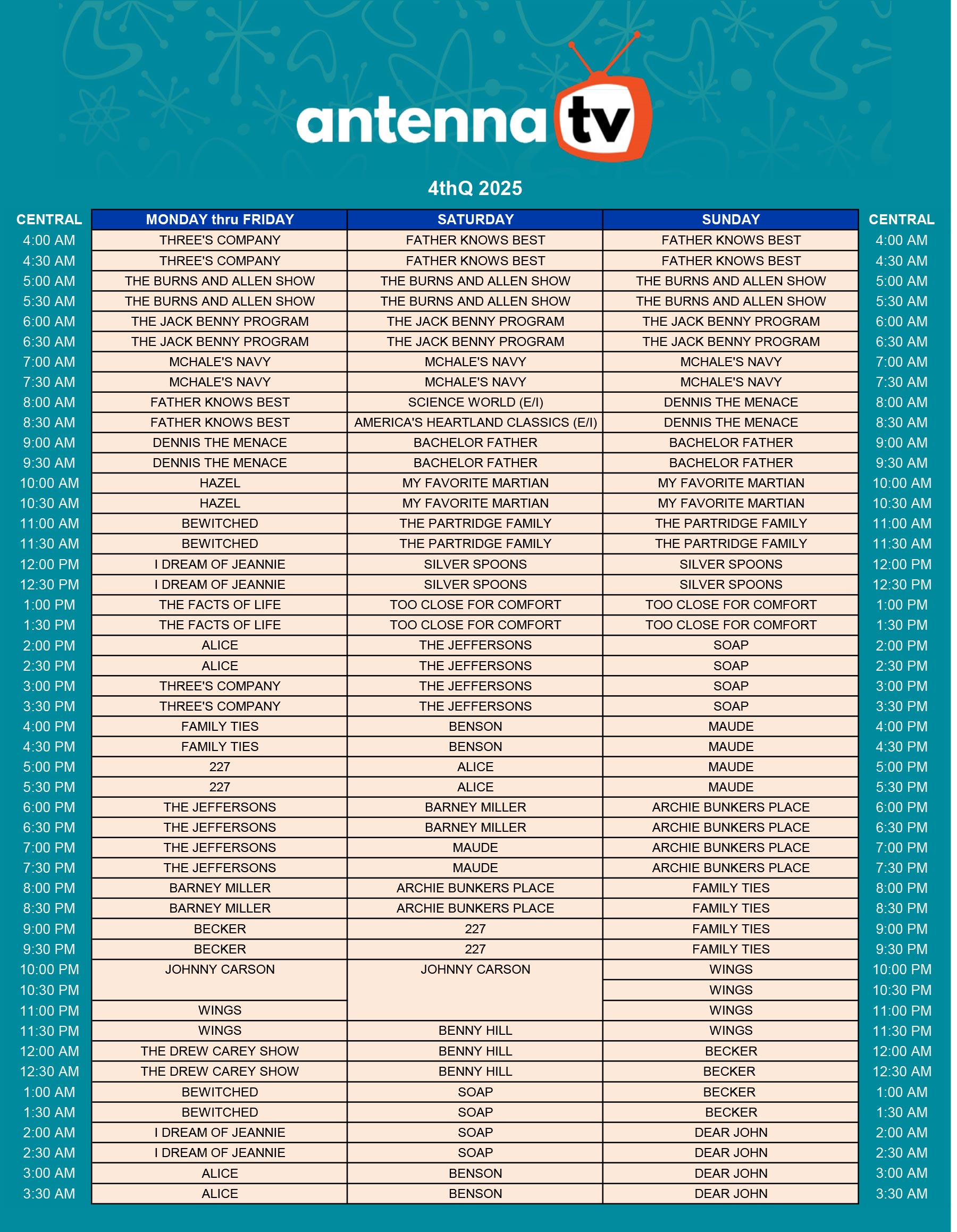
Perhaps the most profound change in the concept of a TV schedule is the shift from a universal grid to a personalized experience. Technology has moved us away from the “one-to-many” broadcast model toward a “one-to-one” curated stream, largely driven by Machine Learning (ML) and Artificial Intelligence (AI).
Predictive Analytics in Content Consumption
When you open a digital TV guide tonight, the order in which channels and shows appear is likely not alphabetical or numerical. Instead, it is dictated by predictive algorithms. By analyzing your past viewing habits, the time of day, and even the behavior of millions of other users with similar profiles, the software prioritizes what it thinks you want to see. This tech ensures that if you typically watch local news at 6:00 PM and a sitcom at 8:00 PM, those options are front and center, effectively building a “schedule for tonight” that is unique to your household.
Machine Learning and the End of the Linear Grid
AI is also being used to automate the scheduling process itself. Broadcasters use AI to optimize ad placements and predict which shows will perform best in specific time slots based on social media trends and historical data. For the viewer, this means the “schedule” is becoming more responsive. If a live sporting event runs over its allotted time, AI-driven EPGs can update across millions of devices instantly, adjusting the “tonight’s schedule” data in real-time to prevent users from missing the start of the next program or failing to record the correct window on their Cloud DVR.
Mobile Apps and Third-Party Scheduling Tools
The quest to find what is on TV tonight often begins on a secondary device, such as a smartphone or tablet. This has led to a robust ecosystem of third-party apps and digital security protocols that allow users to manage their viewing remotely.
Tracking Live Sports and Special Events
For many, the “TV schedule” is synonymous with live sports. Specialized apps like the ESPN app, the Score, or league-specific platforms (NFL+, NBA League Pass) provide granular scheduling data that exceeds what a standard TV guide can offer. These apps utilize real-time data hooks into stadium scoring systems to provide “live-to-the-second” updates. Tech-savvy viewers use these tools to set “tune-in” alerts, which send push notifications to their mobile devices or smartwatches, ensuring they never miss a kickoff or a breaking news segment.
Setting Alerts and Remote DVR Management
The interaction between mobile technology and home hardware is facilitated by cloud synchronization. When you find a show on tonight’s schedule via a mobile app, you can often “one-tap” record it to your Cloud DVR. This involves a complex handshake between the mobile software, the provider’s cloud server, and the hardware in your home. This connectivity relies on secure API calls and robust digital security to ensure that only authorized users can modify the recording schedule or access the stream remotely.
The Future of Real-Time Information Delivery
As we look toward the future of television technology, the concept of a “schedule” may continue to blur. With the rollout of ATSC 3.0 (NextGen TV), the line between internet content and broadcast content is disappearing.
ATSC 3.0 and the Hybrid Future
NextGen TV is a major technological leap for over-the-air broadcasting. It uses an IP-based signal, meaning your TV schedule for tonight could include interactive elements. Imagine watching a live football game and being able to toggle between different camera angles or access real-time player stats directly through the broadcast signal. This technology allows broadcasters to send targeted data to specific regions or even specific households, making the “schedule” a living document that delivers hyper-local information, emergency alerts, and customized advertising.
Voice Control and Conversational Discovery
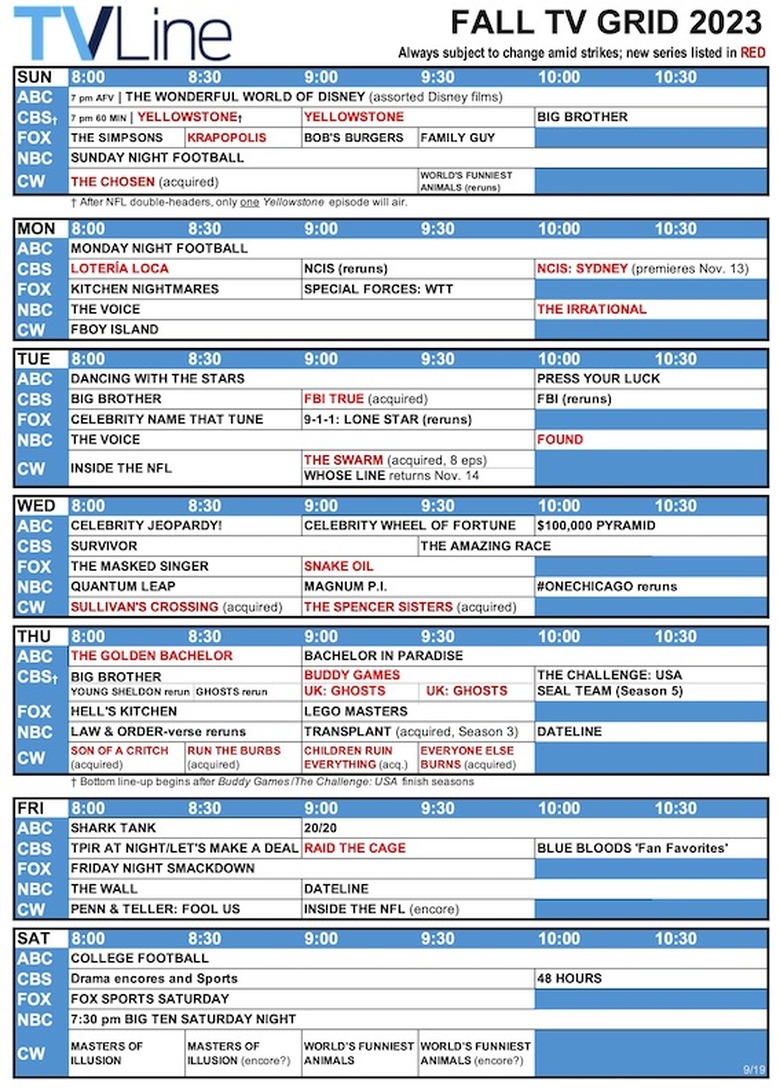
The most significant trend in how we access the TV schedule tonight is the move toward voice-activated interfaces. Natural Language Processing (NLP) allows users to simply ask, “What’s on tonight?” into a remote or a smart speaker. The underlying AI must parse this request, identify the user’s location, account for their subscriptions, and provide a verbal or visual summary. This removes the “interface friction” entirely, making the technology invisible and the information immediate.
In conclusion, the answer to “What is the TV schedule for tonight?” is no longer found in a single place. It is a synthesized output of global metadata, local broadcast signals, and personalized AI algorithms. Whether you are navigating a FAST channel grid on a smart TV, receiving a push notification for a live game, or asking a voice assistant for recommendations, you are participating in a highly advanced technological workflow designed to bring the world of entertainment to your screen with unprecedented precision and ease.
aViewFromTheCave is a participant in the Amazon Services LLC Associates Program, an affiliate advertising program designed to provide a means for sites to earn advertising fees by advertising and linking to Amazon.com. Amazon, the Amazon logo, AmazonSupply, and the AmazonSupply logo are trademarks of Amazon.com, Inc. or its affiliates. As an Amazon Associate we earn affiliate commissions from qualifying purchases.