
In the hyper-competitive landscape of modern commerce, a brand is far more than a name or a logo; it is a repository of trust, a promise of quality, and a distinct corporate identity. At the heart of this identity lies a small but powerful set of characters: the trademark symbols. Whether it is the superscript ™ or the encircled ®, these symbols serve as the frontline of brand strategy. They communicate to the world that a specific asset—be it a word, phrase, design, or even a sound—is proprietary and protected. Understanding the nuances of these symbols is essential for any brand manager, entrepreneur, or designer looking to build and safeguard a lasting legacy.
The Visual Language of Brand Ownership
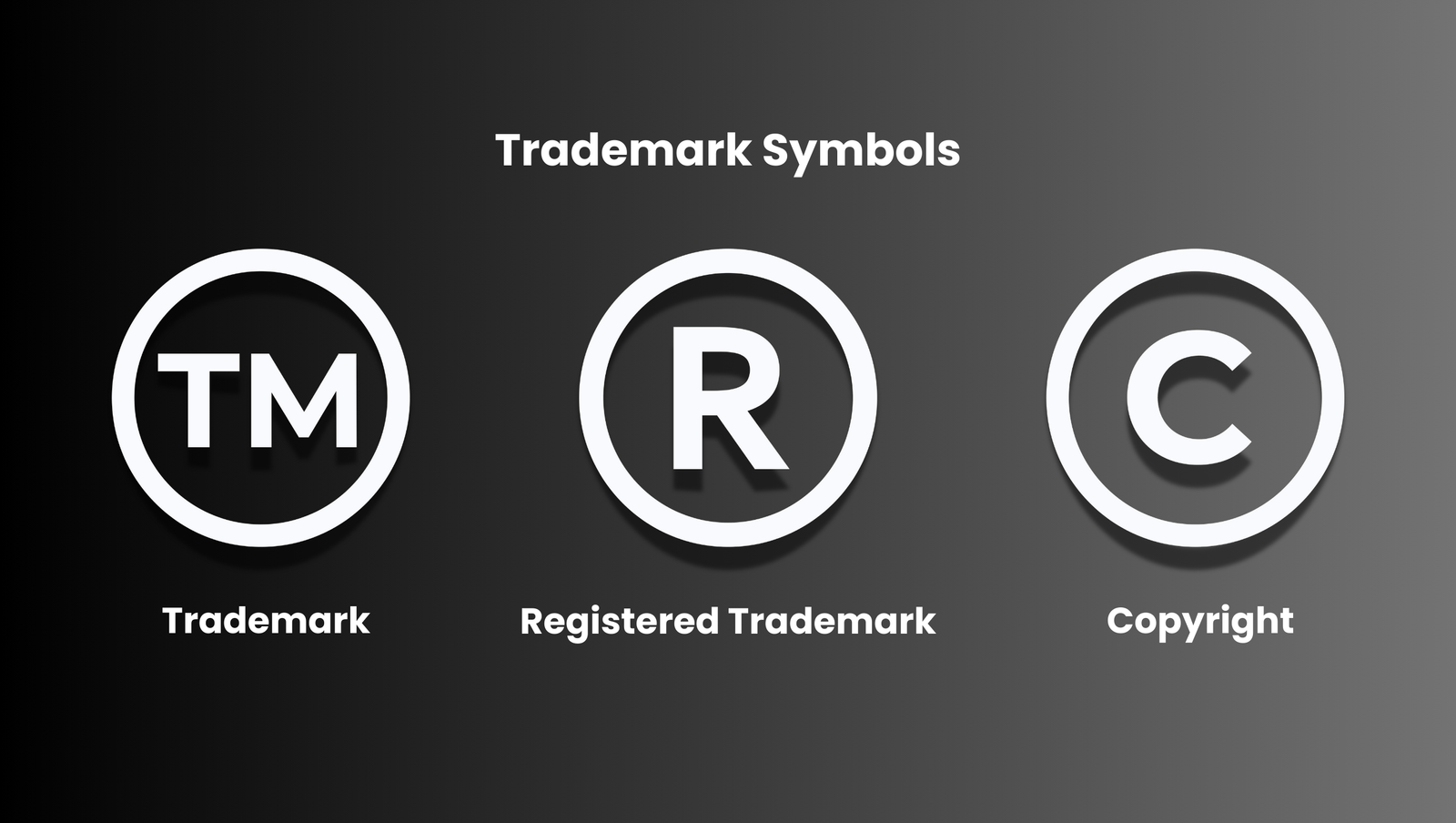
The trademark symbol is a visual shorthand for ownership. In a marketplace saturated with content and visual stimuli, these symbols act as a “keep off the grass” sign for competitors while acting as a badge of authenticity for consumers. To use them correctly, one must first distinguish between the three primary variants, each carrying its own weight and strategic implication.
The TM Symbol (™): Establishing Claim
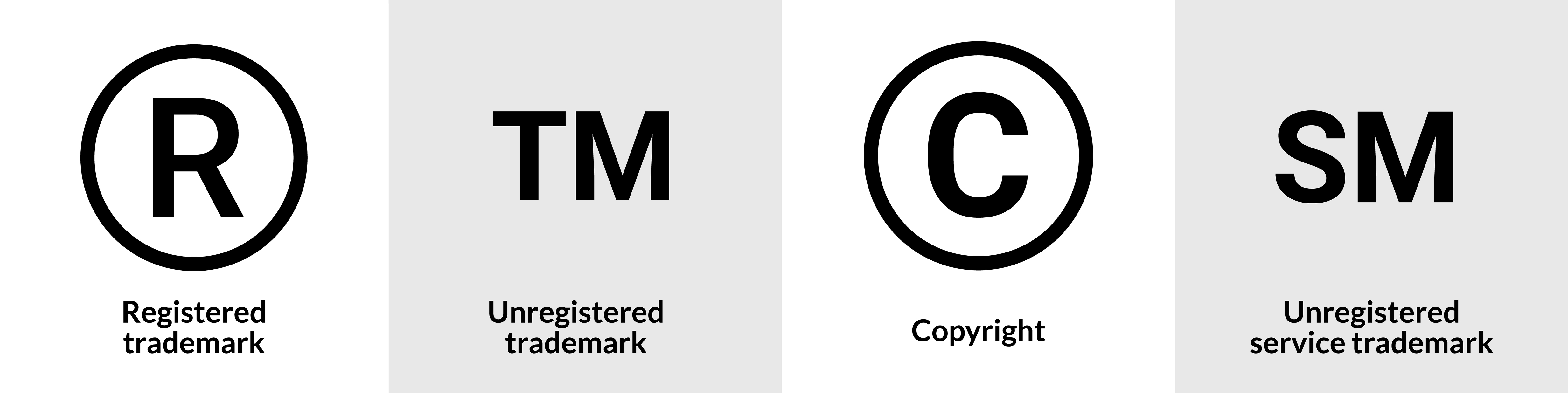
The ™ symbol is used to signal that a company claims a particular mark as its trademark. It is most commonly used for “unregistered” marks—those that have not yet been officially approved by a government body like the United States Patent and Trademark Office (USPTO).
From a brand strategy perspective, the ™ symbol is a proactive tool. It is used the moment a new product name or slogan is launched. It tells the industry, “We consider this our intellectual property,” and helps establish “common law” rights. These rights are built through consistent use in commerce rather than through a formal registration process. For startups and growing brands, the ™ symbol is the first line of defense in carving out a unique space in the market.
The SM Symbol (℠): Defining Services
While the trademark symbol is technically for products (goods), the Service Mark (℠) is its counterpart for service-based businesses. Companies offering intangible value—such as consulting firms, airlines, or hospitality groups—may opt for the ℠ symbol. However, in modern branding, the ™ symbol is often used as a catch-all for both goods and services. The distinction is becoming increasingly academic, yet for brands that want to display a high degree of precision in their corporate identity, the ℠ remains a valid and specific choice.
The Registered Symbol (®): The Gold Standard of Protection
The ® symbol represents the pinnacle of brand protection. Unlike the ™, which anyone can use at any time, the ® symbol may only be used once a mark has been officially registered with the relevant national authority.
Using the ® symbol prematurely is not just a branding faux pas; it can have legal consequences, including the denial of future registration. Once achieved, however, the ® symbol provides the brand with a presumption of ownership and the exclusive right to use the mark nationwide. Strategically, it adds an aura of established authority and “blue-chip” status to a company’s visual identity.
Strategic Implementation: When and Where to Use Trademark Symbols
Knowing what the symbols are is only half the battle; knowing how to integrate them into a brand’s visual ecosystem is where strategy meets design. The placement, frequency, and style of trademark symbols can significantly impact a brand’s aesthetic and professional perception.
Design Integration and Brand Aesthetics
One of the most common challenges for graphic designers is incorporating trademark symbols without cluttering the visual composition. A logo is a carefully crafted piece of art; a superscript ® can feel like an unwanted intrusion.
Best practices in brand design suggest that the symbol should be small and positioned in a way that does not disrupt the flow of the logo. Usually, this is in the top-right or bottom-right corner. In high-end luxury branding, symbols are often minimized to the point of being nearly invisible, maintaining a clean and sophisticated look. In contrast, in industrial or pharmaceutical branding, the symbol might be more prominent to emphasize compliance and rigorous intellectual property standards.
Consistent Use Across Touchpoints
A brand is built through repetition and consistency. Therefore, the use of trademark symbols must be governed by a clear set of brand guidelines. It is generally not necessary to include the symbol every single time a brand name is mentioned in a document or on a website. Over-marking can lead to “symbol fatigue,” making the text difficult to read and appearing overly litigious.
A common strategic approach is to use the symbol on the first or most prominent mention of the trademark in a specific piece of collateral—such as the headline of a press release or the primary hero section of a landing page. Subsequent mentions within the same document can often omit the symbol. This keeps the communication clean while still fulfilling the brand’s obligation to give notice of its claim.
The Role of Symbols in Building Brand Equity
Beyond the legalities, trademark symbols play a psychological role in how consumers perceive a brand. They are markers of “Brand Equity”—the value that a name adds to a product beyond its functional utility.
Deterrence and Professionalism
In the world of personal branding and small business, using a trademark symbol signals that the owner is serious about their craft. It suggests that the brand is an asset worth protecting. This acts as a deterrent to would-be copycats who might otherwise be tempted to borrow a catchy slogan or a unique logo. By marking the territory, a brand reduces the likelihood of “confusing similarity” in the marketplace, which is the standard for trademark infringement.
Avoiding Genericide
One of the greatest risks to a successful brand is “genericide”—the process by which a brand name becomes so popular that it is used as a generic term for the product itself. Think of “Escalator,” “Dry Ice,” or “Linoleum”—all were once protected trademarks that lost their status because they were not sufficiently defended.
Strategic use of the trademark symbol helps prevent this. By consistently identifying a name as a trademark (e.g., “Kleenex® Brand Tissues” rather than just “kleenex”), a company reinforces the idea that the name belongs to a specific source and is not a generic descriptor. This is a vital part of long-term brand strategy for market leaders.
Global Considerations for the Modern Brand
In an era of global e-commerce, a brand’s reach often extends far beyond its home country. This introduces a new layer of complexity to the use of trademark symbols.
Territoriality and International Markets
Trademark rights are territorial. A registration in the United States does not automatically grant the right to use the ® symbol in the United Kingdom or China. If a brand uses the ® symbol in a country where it has not yet secured registration, it could be accused of false advertising or misleading the public.
Global brand managers must therefore be agile. This often involves creating region-specific versions of brand assets or opting for the ™ symbol in emerging markets where registration is still pending. The ™ symbol is generally safer for international use as it represents a claim of ownership rather than a statement of government-certified status.
Digital Brand Protection
As brands move into digital spaces, including social media, mobile apps, and the burgeoning metaverse, the trademark symbol remains a vital anchor. In digital environments, symbols help distinguish official accounts and products from fan-made content or fraudulent clones. High-growth tech companies and digital creators must ensure that their handles, hashtags, and digital assets are properly marked to maintain control over their brand narrative in a fast-moving environment.

Conclusion: The Symbol as a Strategic Asset
The trademark symbol is far more than a legal requirement; it is a fundamental component of brand architecture. It bridges the gap between the creative vision of a brand and the legal protections that ensure its longevity. By understanding the distinction between the ™ and the ®, and by implementing them with design sensitivity and strategic foresight, businesses can build a moat around their identity.
In the end, the presence of that small symbol tells a story of investment, pride, and permanence. It tells the world that this brand is not just a temporary name on a screen or a package, but a protected asset that stands for something specific. For any brand looking to scale, influence, and endure, the trademark symbol is an indispensable tool in the professional toolkit. Through careful application, it ensures that the value created today remains the property of the brand tomorrow.
aViewFromTheCave is a participant in the Amazon Services LLC Associates Program, an affiliate advertising program designed to provide a means for sites to earn advertising fees by advertising and linking to Amazon.com. Amazon, the Amazon logo, AmazonSupply, and the AmazonSupply logo are trademarks of Amazon.com, Inc. or its affiliates. As an Amazon Associate we earn affiliate commissions from qualifying purchases.