
The landscape of modern medicine is no longer defined solely by stethoscopes and manual observations; it is defined by the high-speed processing power of diagnostic technology. When we ask, “What is the test for sickle cell anemia?” we are no longer just looking at a biological query. We are looking at a complex intersection of microfluidics, high-performance liquid chromatography (HPLC), artificial intelligence, and cloud-based data management.
In the tech sector, the move toward precision diagnostics has transformed the “test” from a simple laboratory procedure into a sophisticated technological stack. This article explores the hardware and software innovations that power the identification of Hemoglobin S, the genetic variant responsible for sickle cell anemia, and how these technological leaps are reshaping global healthcare delivery.

The Hardware Revolution: From Hemoglobin Electrophoresis to HPLC
At the core of identifying sickle cell anemia lies a hardware-driven process. Historically, the “gold standard” was hemoglobin electrophoresis, a technique that used an electric field to separate different types of hemoglobin molecules based on their electrical charge. However, the tech industry has pushed these physical processes into the realm of high-performance computing and automated machinery.
High-Performance Liquid Chromatography (HPLC) Systems
Modern diagnostic centers have largely transitioned to HPLC. Unlike manual electrophoresis, HPLC is a tech-heavy solution that uses high pressure to pump a sample mixture through a column filled with an adsorbent material. The technology relies on sophisticated sensors and software algorithms to detect the exact “retention time” of various hemoglobin types.
The software integrated into HPLC machines provides a digital fingerprint of the patient’s blood. For tech enthusiasts, this is a masterclass in signal processing. The machine converts physical chemical reactions into digital data points, creating a chromatogram that identifies the presence of Hemoglobin S with nearly 100% accuracy. The integration of automated sample handling means these machines can run 24/7, processing thousands of tests with minimal human intervention.
Microfluidics and “Lab-on-a-Chip”
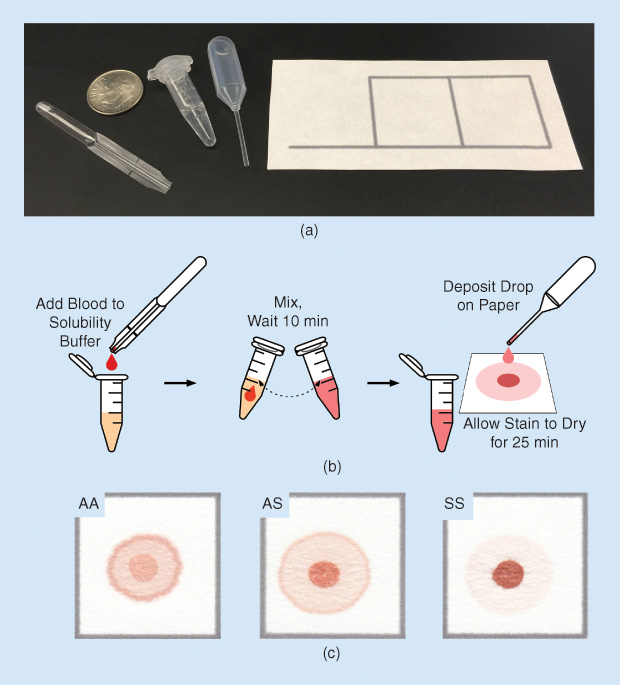
One of the most exciting trends in diagnostic tech is the miniaturization of the lab. “Lab-on-a-chip” technology utilizes microfluidics—the precise control and manipulation of fluids at the sub-millimeter scale. For sickle cell testing, this means creating portable devices that can perform complex separations on a piece of plastic the size of a credit card. These chips use etched micro-channels and integrated sensors to provide results in minutes, moving the “test” from a centralized server (the hospital lab) to the edge (the patient’s side).
Software and AI: Automating the Identification Process
While the hardware handles the physical sample, the “intelligence” of the sickle cell test increasingly resides in the software. The diagnostic process produces massive amounts of data that require sophisticated analysis, particularly when screening newborns or conducting population-wide studies.
AI-Driven Image Recognition
In regions where high-end HPLC machines are unavailable, technology has stepped in with mobile solutions. New apps are being developed that use smartphone cameras and artificial intelligence to analyze blood smears.
Using computer vision—a branch of AI—these tools are trained on millions of images of healthy versus sickled red blood cells. The algorithm identifies the characteristic “crescent” shape of the cells that gives the condition its name. This shift from human microscopy to automated image recognition represents a significant leap in software-as-a-service (SaaS) for healthcare, allowing a standard smartphone to function as a high-powered diagnostic tool.

Big Data and Predictive Analytics
The test for sickle cell anemia is often just the entry point into a lifecycle of data. Once a positive result is recorded, the data is integrated into electronic health records (EHR). Modern data platforms use predictive analytics to correlate testing data with patient outcomes. By analyzing the specific variants detected during the initial test (such as HbSS vs. HbSC), machine learning models can predict the likelihood of “crises” or complications. This is a move toward proactive rather than reactive healthcare, powered entirely by data science.
Connectivity and Cloud Infrastructure: The Global Tech Stack
The true power of a diagnostic test is its accessibility. In the tech world, this is a problem of networking and cloud infrastructure. A test result is only useful if it can be verified, stored, and shared securely between stakeholders.
Point-of-Care (POC) IoT Integration
The latest generation of sickle cell testing devices are essentially IoT (Internet of Things) devices. These portable testers are equipped with Bluetooth and Wi-Fi connectivity. When a test is performed in a remote clinic, the digital result is encrypted and uploaded to a centralized cloud database. This allows for real-time epidemiological mapping, giving health organizations a live “dashboard” of disease prevalence.
Digital Security and Genetic Privacy
Because the test for sickle cell anemia is a genetic test, it carries significant implications for data security. The tech sector is currently grappling with how to store “genomic metadata” securely. Using blockchain technology and end-to-end encryption, tech firms are developing “digital vaults” for genetic information. This ensures that while the test results are accessible to the patient and their doctor, they are protected from unauthorized access or data breaches, which is a critical concern in the era of digital health.
The Future: CRISPR and Real-Time Bio-Monitoring
As we look toward the horizon, the “test” for sickle cell anemia is evolving from a one-time diagnostic event into a continuous feedback loop, thanks to breakthroughs in biotech and wearable sensors.
Integration with Gene-Editing Platforms
Technological advancements in CRISPR-Cas9 have moved the conversation from testing to curing. However, the tech required to monitor a patient undergoing gene therapy is immense. It involves deep-sequencing technology—software capable of reading the entire genetic code to ensure the therapy has “hit” the right target. The “test” in this context is a high-resolution genetic audit, requiring petabytes of storage and massive computational overhead to verify that the Sickle Cell mutation has been corrected at the cellular level.
Wearable Monitoring and Bio-Sensors
We are entering an era where the “test” never really stops. Tech companies are experimenting with non-invasive bio-sensors that can be worn like a smartwatch. These sensors use optical technology (similar to the SpO2 sensors found in modern wearables) but calibrated to detect changes in blood viscosity or oxygen-carrying capacity associated with sickled cells.
This represents the ultimate goal of diagnostic tech: moving away from a stressful, invasive blood draw and toward a seamless, digital monitoring experience. By integrating these sensors with a mobile app, users can receive “push notifications” about their blood health, alerting them to potential issues before they become symptomatic.
Conclusion: The Diagnostic Paradigm Shift
When we define “the test for sickle cell anemia” through the lens of technology, we see a field that is rapidly moving toward automation, miniaturization, and data-driven insights. It is no longer just a question for a doctor; it is a challenge for software engineers, data scientists, and hardware developers.
From the high-pressure columns of HPLC machines to the AI algorithms on our smartphones, the technology behind sickle cell testing is a testament to the power of innovation. As these tools become more connected, more portable, and more intelligent, they promise a future where early detection is universal, data is secure, and the “test” is merely the first step in a digitally-optimized journey toward health and wellness. In the intersection of tech and hematology, the code we write is just as important as the medicine we practice.
aViewFromTheCave is a participant in the Amazon Services LLC Associates Program, an affiliate advertising program designed to provide a means for sites to earn advertising fees by advertising and linking to Amazon.com. Amazon, the Amazon logo, AmazonSupply, and the AmazonSupply logo are trademarks of Amazon.com, Inc. or its affiliates. As an Amazon Associate we earn affiliate commissions from qualifying purchases.