
Investing in the stock market can be a powerful way to build wealth over time, and for many, a prime consideration is to align their investments with companies they admire and understand. Apple Inc. (AAPL) stands as a titan in the technology sector, a globally recognized brand synonymous with innovation, quality, and a loyal customer base. From its iconic iPhones and MacBooks to its burgeoning services division, Apple has consistently demonstrated a capacity for market dominance and robust financial performance. For aspiring investors, owning a piece of this multinational behemoth can seem like an attractive proposition.
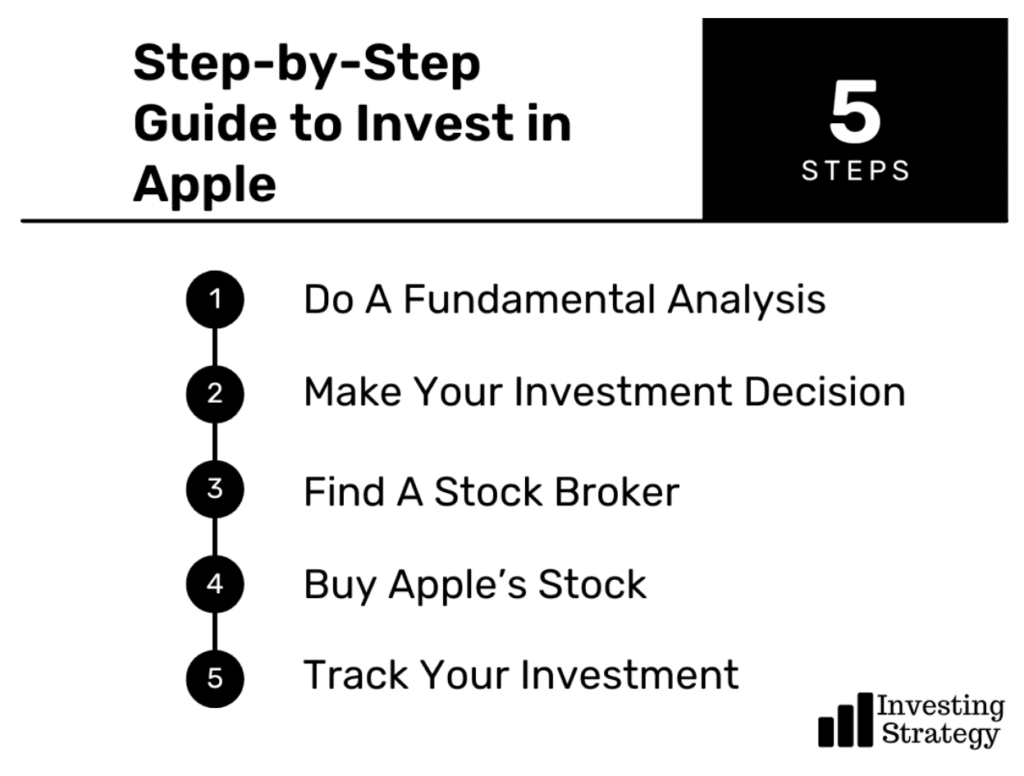
However, the path to investing in Apple shares, or any stock for that matter, requires more than just admiration. It demands a clear understanding of the investment process, an assessment of the company’s financial health, an awareness of market dynamics, and a strategy tailored to your personal financial goals. This comprehensive guide will demystify the process of investing in Apple shares, providing you with the knowledge and steps necessary to confidently add AAPL to your investment portfolio. We’ll delve into why Apple remains a compelling investment, the practical steps to execute your purchase, various investment avenues, and the crucial aspects of long-term portfolio management, all from a purely financial perspective.
Understanding Apple (AAPL) as an Investment
Before diving into the mechanics of purchasing shares, it’s crucial to understand what makes Apple a significant player in the investment landscape. A thorough financial perspective considers not just its past successes but also its current standing and future potential, alongside inherent risks.
Why Invest in Apple?
Apple’s allure as an investment stems from several core strengths that have consistently translated into shareholder value. Firstly, its unparalleled brand loyalty and global recognition foster a powerful economic moat. Customers are willing to pay a premium for Apple products, creating stable revenue streams. Secondly, Apple’s consistent innovation across its product lines, from the revolutionary iPhone to the expanding ecosystem of services, wearables, and emerging technologies, demonstrates a robust pipeline for future growth. The shift towards a higher-margin services segment (App Store, Apple Music, iCloud, Apple TV+, etc.) has significantly diversified its revenue streams beyond hardware cycles, providing more predictable and recurring income.
Financially, Apple boasts robust performance, characterized by strong revenue growth, impressive profit margins, and substantial free cash flow. This financial muscle allows the company to invest heavily in research and development, pursue strategic acquisitions, and return capital to shareholders through dividends and share buybacks. Apple has a history of increasing its dividends, making it attractive to income-focused investors, while its aggressive share repurchase programs can boost Earnings Per Share (EPS), benefiting long-term shareholders. These factors combine to paint a picture of a financially sound company with a strong competitive advantage.
Potential Risks and Considerations
No investment is without risk, and Apple is no exception. While its strengths are formidable, investors must also weigh potential headwinds. One significant concern is market saturation in key product categories like smartphones, which could temper future growth rates. Intense competition from other technology giants in hardware, software, and services constantly pressures Apple to innovate and maintain its market share. Regulatory bodies globally are increasingly scrutinizing large tech companies for potential antitrust violations and app store policies, which could lead to fines or changes in business practices.
Furthermore, Apple’s supply chain dependencies, particularly in regions like China, expose it to geopolitical risks, manufacturing disruptions, and labor issues. Valuation is another perpetual discussion point for high-growth companies; determining if AAPL stock is overvalued relative to its future earnings potential is a constant challenge for investors. Lastly, broader macroeconomic factors such as inflation, interest rate hikes, or a global recession could impact consumer spending on premium electronics and services, thereby affecting Apple’s financial performance. Understanding these risks is crucial for making an informed investment decision.
Key Financial Metrics to Watch
To make an educated investment in Apple, familiarize yourself with key financial metrics. Revenue growth indicates how effectively Apple is expanding its sales. Net Income and Earnings Per Share (EPS) reveal the company’s profitability on a per-share basis. The Price-to-Earnings (P/E) Ratio is a common valuation metric, comparing the company’s current share price to its EPS, helping assess if the stock is cheap or expensive relative to its earnings.
Other critical metrics include the Debt-to-Equity Ratio, which assesses financial leverage; a lower ratio typically indicates lower risk. Dividend Yield, though modest for growth companies like Apple, represents the annual dividend payment relative to the stock price. Finally, Free Cash Flow (operating cash flow minus capital expenditures) is paramount, as it represents the cash a company generates after accounting for cash outlays to support operations and asset maintenance. High free cash flow provides flexibility for dividends, buybacks, and debt reduction, all of which benefit shareholders. Regularly monitoring these metrics through Apple’s quarterly earnings reports and annual filings (10-K, 10-Q) is essential for any serious investor.
Essential Steps to Investing in Apple Shares
Once you’ve assessed Apple’s investment profile, the next step is the practical execution of buying shares. This involves setting up the right accounts and understanding the mechanics of placing an order.
Open a Brokerage Account
The primary gateway to investing in publicly traded companies like Apple is through a brokerage account. This is an investment account that allows you to buy, sell, and hold securities such as stocks, bonds, and mutual funds. You have options when choosing a broker: full-service brokers offer extensive advice, research, and personalized service but come with higher fees, while discount brokers (mostly online platforms) provide self-directed trading at lower costs. For most individual investors looking to buy stocks like AAPL, an online discount broker is the most common and cost-effective choice.
When selecting an online broker, consider several factors: fees (trading commissions, account maintenance fees), the platform’s ease of use and features (mobile app, research tools, charting), customer service quality, and whether they offer fractional shares (allowing you to invest a dollar amount rather than buying whole shares, which can be useful for high-priced stocks). Popular and reputable online brokers include Fidelity, Charles Schwab, Vanguard, E*TRADE, and newer platforms like Robinhood or Webull. The application process typically involves providing personal information, linking a bank account, and verifying your identity.
Fund Your Account
After opening your brokerage account, you’ll need to transfer money into it to begin investing. The most common methods for funding include Electronic Funds Transfer (EFT) from your bank account (ACH transfer), which is usually free but can take a few business days to clear. Wire transfers are faster but often incur fees from both your bank and the brokerage. You can also fund an account by mailing a check, though this is the slowest method. Some brokers may also allow direct deposits from your paycheck. Ensure you understand the minimum deposit requirements, if any, and the timeframes for your funds to become available for trading. It’s prudent to start with an amount you’re comfortable investing, keeping in mind that funds transferred via ACH may be available for trading immediately but might take longer to fully settle before withdrawal.
Placing Your Order for AAPL Shares
With your account funded, you’re ready to buy Apple shares. The process is typically straightforward through your broker’s online platform or mobile app. You’ll search for Apple using its stock ticker symbol, which is AAPL. When placing an order, you’ll typically encounter two main order types:
-
Market Order: This instructs your broker to buy or sell shares immediately at the best available current market price. While it guarantees execution, the exact price you pay might vary slightly from what you see at the moment of placing the order, especially in volatile markets.
-
Limit Order: This allows you to specify the maximum price you’re willing to pay per share (for a buy order) or the minimum price you’re willing to accept (for a sell order). Your order will only be executed if the stock reaches or crosses your specified limit price. Limit orders offer more control over the price but don’t guarantee execution. For beginners, a limit order can be a good way to avoid unexpected price fluctuations.
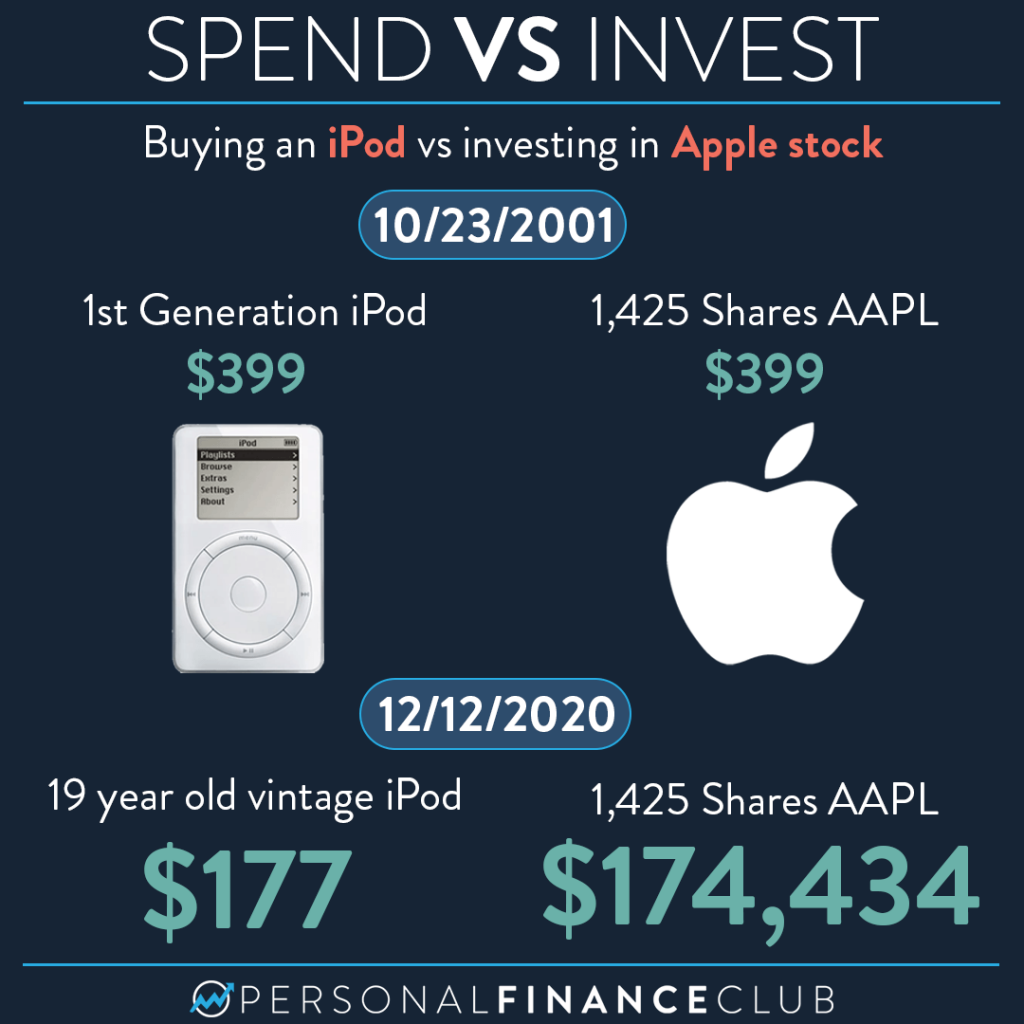
You’ll also specify the number of shares you wish to purchase. If your broker offers fractional shares, you can choose to invest a specific dollar amount (e.g., “$100 worth of AAPL”) instead of a set number of shares, which can be beneficial for those with smaller budgets or looking to dollar-cost average. Always double-check your order details before confirming to avoid errors.
Different Approaches to Investing in Apple
Investing in Apple isn’t limited to simply buying individual shares. Depending on your investment goals, risk tolerance, and portfolio strategy, several approaches can give you exposure to Apple’s performance.
Direct Stock Purchase
The most straightforward method is to buy individual AAPL shares directly through your brokerage account, as outlined in the previous section. This approach grants you direct exposure to Apple’s stock price movements and its dividend payments. It’s ideal for investors who have high conviction in Apple’s long-term prospects, have thoroughly researched the company, and are comfortable with the inherent volatility of a single stock. Direct stock ownership means your investment performance is entirely tied to Apple’s success or struggles, offering both potentially higher rewards and higher risks compared to diversified approaches.
Investing via ETFs and Mutual Funds
For investors seeking diversification or a more hands-off approach, gaining exposure to Apple through Exchange Traded Funds (ETFs) or Mutual Funds is an excellent alternative. Many ETFs and mutual funds hold AAPL shares as part of their underlying portfolios.
-
Tech-focused ETFs/Mutual Funds: These funds invest in a basket of technology companies, and given Apple’s market capitalization, it is almost always a significant holding. Examples might include funds tracking the NASDAQ 100 index.
-
S&P 500 Index Funds: Since Apple is a major component of the S&P 500 index, investing in an S&P 500 ETF or mutual fund will indirectly provide you with exposure to AAPL, alongside 499 other large U.S. companies.
The primary advantage of these funds is instant diversification, spreading your risk across many companies rather than concentrating it solely on Apple. They are also typically professionally managed, reducing the need for individual stock research. However, they come with expense ratios (management fees), and your investment performance will reflect the fund’s overall performance, not just Apple’s individual returns.
Options Trading (Advanced Strategy)
For experienced investors seeking more sophisticated strategies, options trading on Apple shares is an available, albeit highly speculative, avenue. Options contracts give the holder the right, but not the obligation, to buy (call options) or sell (put options) a stock at a specific price before a certain date. Investors might use call options to bet on Apple’s stock price increasing, or put options to profit from a decline. While options offer leverage and can lead to significant gains, they also carry a substantially higher risk of capital loss, often losing their entire value if the stock doesn’t move as anticipated. Options trading requires a deep understanding of market mechanics, volatility, and risk management, and is not recommended for beginners or those unfamiliar with complex financial instruments.
Dividend Reinvestment Plans (DRIPs)
Apple pays a quarterly dividend to its shareholders. For long-term investors, participating in a Dividend Reinvestment Plan (DRIP) can be a powerful strategy for compounding wealth. Many brokerage firms offer the option to automatically reinvest any dividends you receive from Apple back into purchasing more fractional or whole AAPL shares. This means your dividend earnings aren’t paid out as cash but rather immediately used to buy more stock, which then generates its own dividends, creating a snowball effect over time. DRIPs are an excellent way to harness the power of compound growth without needing to manually re-invest small dividend payments, contributing to your long-term share accumulation.
Long-Term Strategy and Portfolio Management
Investing in Apple shares is not a one-time transaction; it’s an ongoing commitment that requires strategic planning, continuous monitoring, and periodic adjustments to align with your financial objectives.
Diversification Beyond Apple
While Apple is a robust company, it’s crucial to remember the adage: “Don’t put all your eggs in one basket.” Diversification is a cornerstone of sound investment strategy. Relying solely on Apple, or any single stock, exposes your portfolio to idiosyncratic risks unique to that company. If Apple faces significant setbacks, your entire investment could suffer. A well-diversified portfolio should include investments across different industries, asset classes (stocks, bonds, real estate), and geographical regions. Apple can be a valuable component of your portfolio, but it should typically represent only a portion of your overall holdings, aligned with your personal risk tolerance and financial goals. Thoughtful asset allocation ensures that your portfolio can weather various market conditions and reduce overall volatility.
Monitoring Your Investment
Once you’ve invested in Apple, continuous monitoring is key. Use your brokerage platform or reliable financial news websites to track AAPL’s stock performance. Beyond price movements, stay informed about Apple’s fundamental business developments. This includes reading their quarterly earnings reports, which provide insights into revenue, profits, new product sales, and service growth. Keep an eye on major product launches, executive changes, competitive landscape shifts, and regulatory news, as these can all impact the company’s future prospects and stock valuation. Subscribing to financial news alerts or following reputable financial analysts can help you stay current. However, avoid checking your portfolio obsessively, as short-term fluctuations can lead to emotional and potentially irrational decisions.
When to Buy More or Sell
Deciding when to buy more shares or sell existing ones is a critical aspect of portfolio management. This decision should be driven by a thoughtful assessment, not by market noise or panic. Consider rebalancing strategies periodically; if Apple’s position grows too large in your portfolio due to strong performance, you might trim some shares to maintain your desired asset allocation. Conversely, if its price drops significantly and you believe the fundamentals remain strong, it could present an opportunity to buy more (dollar-cost averaging).
The decision to sell should typically be prompted by fundamental changes in Apple’s business that negatively impact its long-term outlook, a reassessment of its valuation, or a shift in your personal financial goals (e.g., needing funds for a down payment or retirement). Avoid selling purely due to short-term price drops unless your initial investment thesis has been invalidated. Conversely, don’t hold onto a stock indefinitely if its core business deteriorates simply out of emotional attachment. Always refer back to your original investment thesis and assess if the company continues to meet your criteria. Consulting a financial advisor can provide objective insights when making these pivotal decisions.

Conclusion
Investing in Apple shares offers a compelling opportunity to participate in the growth of one of the world’s most innovative and financially powerful companies. However, success in this endeavor, like all forms of investing, hinges on a structured approach, thorough research, and a clear understanding of both potential rewards and inherent risks. By understanding Apple’s financial strengths and weaknesses, opening a suitable brokerage account, familiarizing yourself with order types, and considering various investment avenues like ETFs or DRIPs, you can confidently take the initial steps.
Beyond the mechanics of purchase, effective long-term portfolio management is paramount. This includes the disciplined practice of diversification, continuous monitoring of your investment, and making informed decisions about when to adjust your holdings based on fundamental changes and your evolving financial objectives. Remember that investing is a journey, not a destination, and continuous learning coupled with a patient, disciplined approach will be your greatest assets. While Apple has delivered impressive returns historically, past performance is not indicative of future results, and all investments carry risk. Therefore, always invest only what you can afford to lose and consider seeking advice from a qualified financial professional to tailor an investment strategy that perfectly aligns with your unique circumstances and financial aspirations.
aViewFromTheCave is a participant in the Amazon Services LLC Associates Program, an affiliate advertising program designed to provide a means for sites to earn advertising fees by advertising and linking to Amazon.com. Amazon, the Amazon logo, AmazonSupply, and the AmazonSupply logo are trademarks of Amazon.com, Inc. or its affiliates. As an Amazon Associate we earn affiliate commissions from qualifying purchases.