
For many Americans, the Susan B. Anthony (SBA) dollar is a curiosity found in desk drawers or tucked away in coin collections rather than a staple of daily commerce. Issued from 1979 to 1981, and then for one final year in 1999, these coins represent a unique intersection of numismatic history and economic failure. Because they were often confused with quarters due to their size and silver-colored composition, they never achieved mass circulation. Today, collectors and casual investors alike often wonder: does this oddity of American currency hold any significant financial value?
Understanding the Rarity and Composition of SBA Dollars
To determine the value of a Susan B. Anthony dollar, one must first look at the basics of its production. The coin is composed of a copper-nickel clad copper core, the same composition used for the Washington quarter. This lack of precious metal content means that, for the vast majority of these coins, their value is strictly linked to their face value—one dollar. However, “value” in the numismatic world is rarely binary. It is determined by a hierarchy of factors: mint mark, condition, and specific production errors.
The Significance of Mint Marks
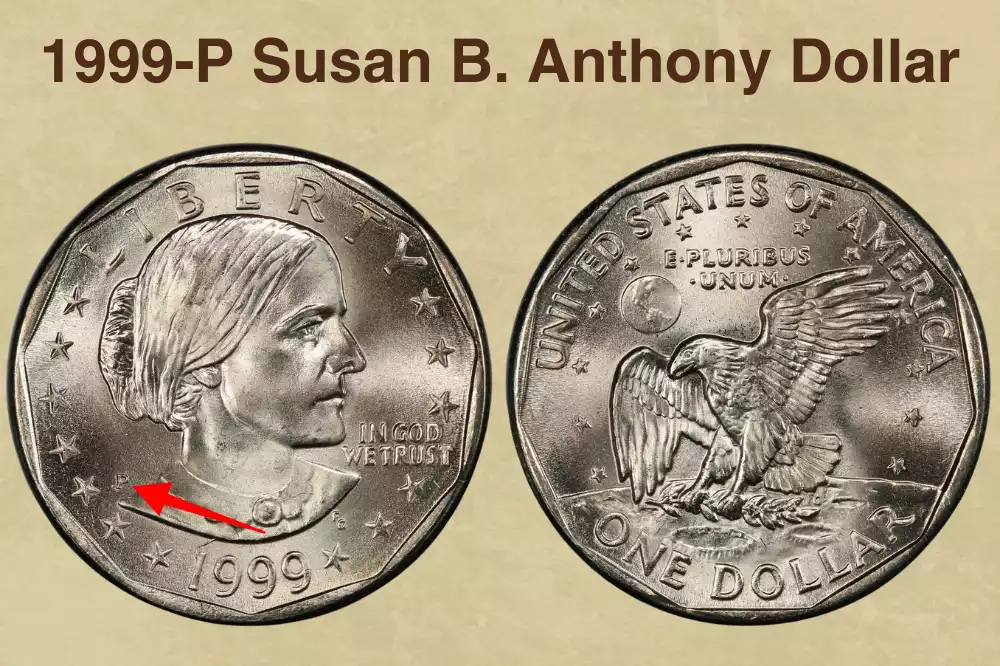
The SBA dollar was minted at three different facilities: Philadelphia (no mint mark), Denver (D), and San Francisco (S). While millions were produced, the volume varies significantly by year. Understanding which year and which mint mark you hold is the foundational step in valuation. Generally, coins from the final year of production, 1999, are rarer than those from the inaugural year of 1979 simply because they were not released into general circulation and were primarily sold to collectors through the U.S. Mint.
Evaluating Condition (Grading)
The condition of a coin is measured on a scale from “Good” to “Mint State” (MS-70). A coin pulled from a pocket and spent at a vending machine will rarely be worth more than its face value. Conversely, a coin that has never touched circulation—retaining its original luster and free of scratches or bag marks—can fetch a premium. Professional grading services like PCGS or NGC provide certified grades that significantly influence market price. For an SBA dollar, a “Gem Uncirculated” grade is often the entry point for real financial appreciation.
Identifying High-Value Errors and Varieties
In the world of coin collecting, the most exciting discoveries are often the mistakes made during the minting process. Because the SBA dollar was produced during a transition period of quality control, several distinct varieties have emerged that capture the interest of serious investors.
The 1979 “Wide Rim” vs. “Narrow Rim”
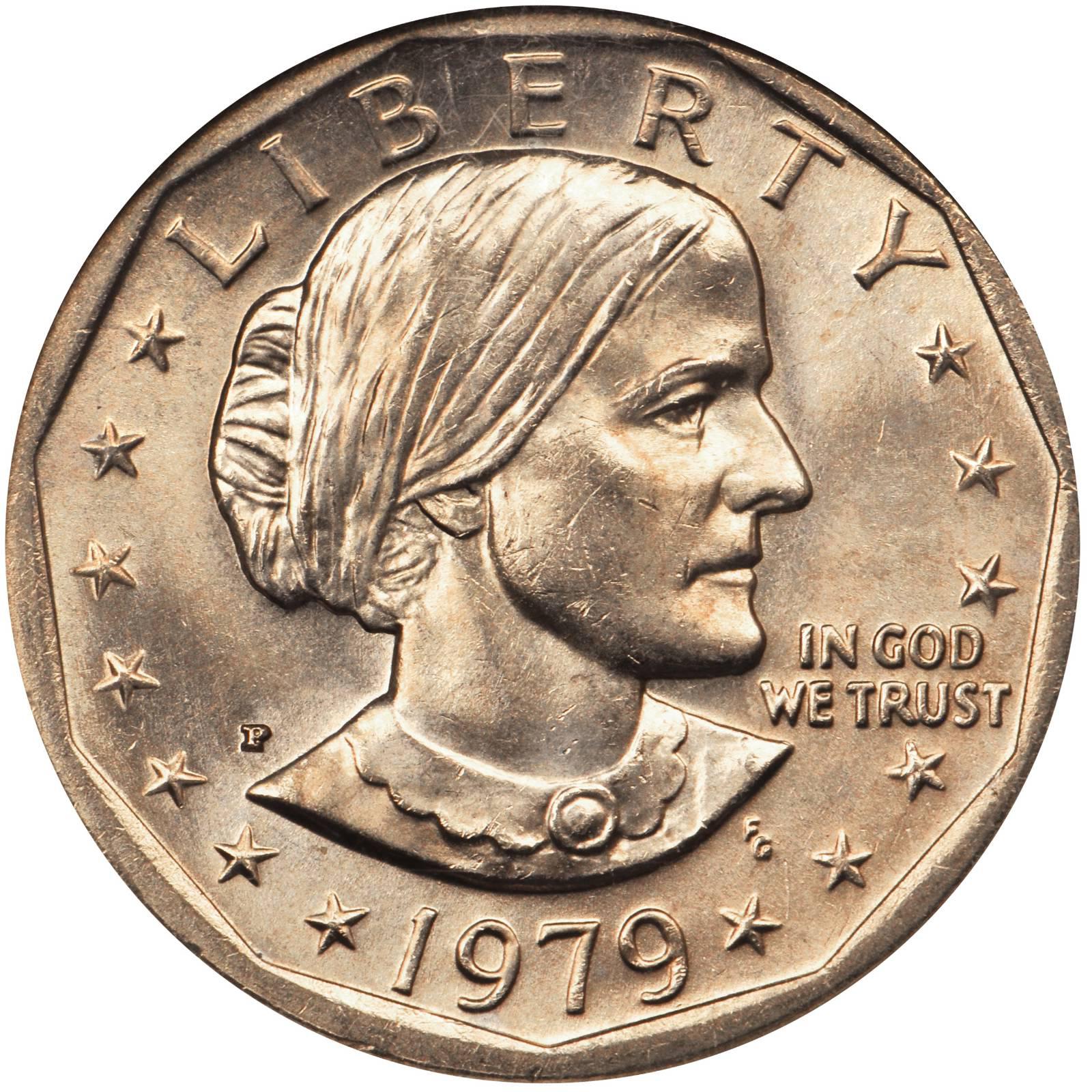
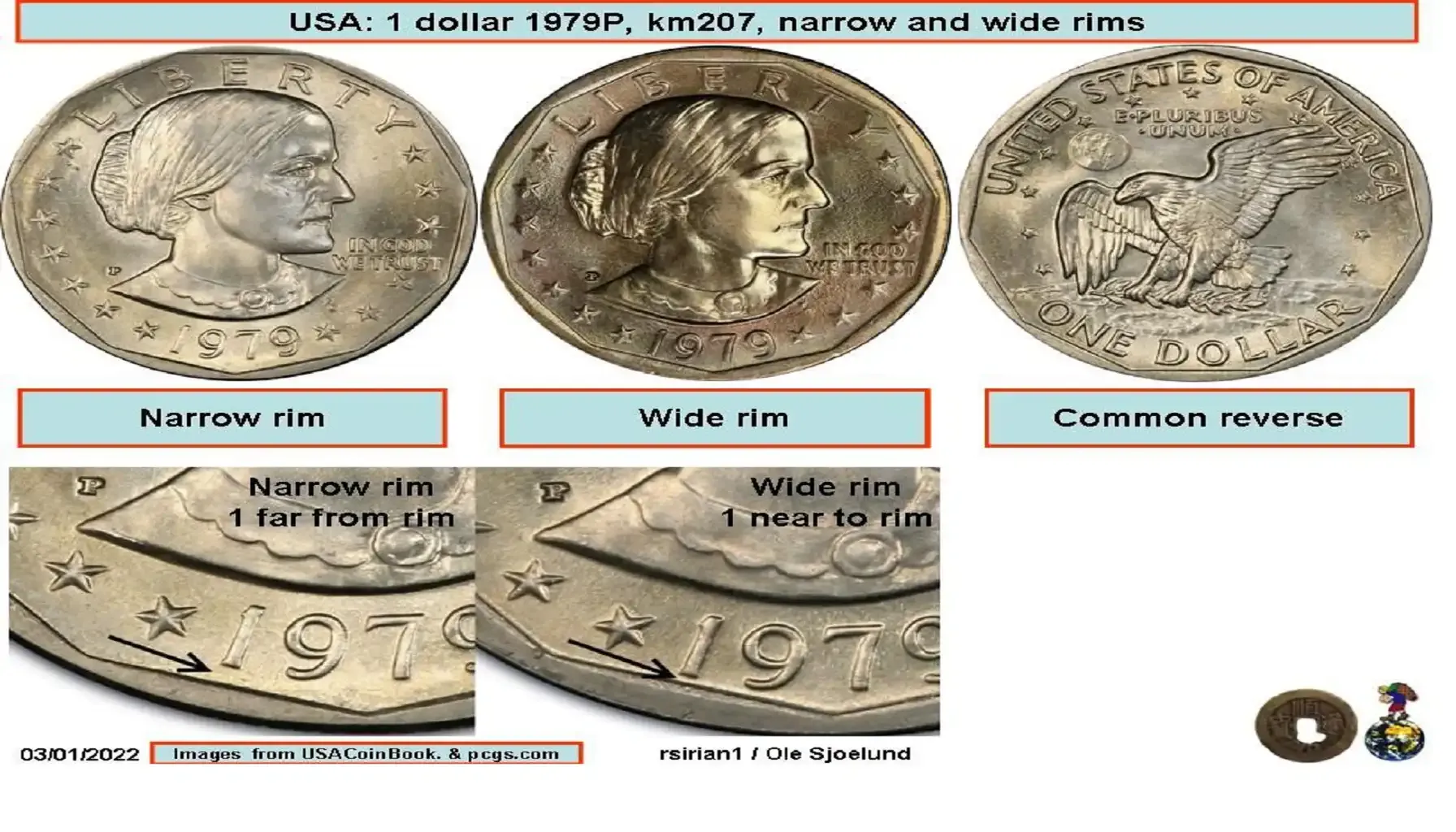
One of the most famous varieties of the SBA dollar involves the 1979 Philadelphia issue. Early in the production run, the minting dies were cut with a wider rim, causing the date and the lettering to appear closer to the edge. Later in the year, the design was modified to a “narrow rim” to improve the strike and clarity of the coin. The “Wide Rim” (or “Near Date”) 1979-P is a classic rarity. While a standard 1979-P is worth a dollar, a certified “Wide Rim” example in high-grade condition can sell for hundreds of dollars at auction.
The 1981-S Type 2 Proof
The 1981 San Francisco proof sets contain a specific variation that is highly sought after by collectors. The “Type 2” proof features a clear, distinct “S” mint mark that looks sharp and serif-like, compared to the “Type 1” which appears blobby or blurred. Identifying these subtle differences requires a magnifying loupe and a keen eye, but the financial reward for finding a Type 2 can be substantial, as these proof coins are rarer than their Type 1 counterparts.
Minting Errors
Beyond specific varieties, mechanical errors can drastically inflate the value of an SBA dollar. These include:
- Off-Center Strikes: Coins where the image is shifted, leaving a blank crescent of metal.
- Double Dies: Where the image appears to have been stamped twice, creating a “ghosting” effect on the lettering or the portrait.
- Clipped Planchets: Coins that were punched from the metal sheet incorrectly, leaving a straight or curved edge missing.
These errors are essentially “lottery tickets” in the world of currency. A severe, authenticated mint error can transform a one-dollar coin into a piece worth thousands.
The Investment Perspective: Is the SBA Dollar Worth Holding?
If you are looking to build a portfolio, the Susan B. Anthony dollar occupies an interesting niche. Unlike gold or silver bullion, which derives its value from commodity markets, the SBA dollar is a “collectible asset.” Its value is driven by demand among numismatists and historical interest.
Market Trends and Liquidity
The market for SBA dollars is generally stable but slow. You are unlikely to see the rapid price spikes associated with cryptocurrency or high-growth tech stocks. Instead, these coins function more like vintage art or niche antiques. Liquidity can be an issue; while there is always a buyer for a perfect MS-67 coin, selling a common, circulated 1979-D dollar might actually cost you more in shipping and transaction fees than the coin is worth.
Long-Term Strategy
For a personal finance perspective, investing in SBA dollars is best approached through the lens of a “long-term hold.” The goal should not be to make a quick profit, but rather to curate a collection of high-grade examples or recognized varieties. Diversifying your holdings by including key dates (like the 1981-S Type 2) or high-grade specimens is the most effective way to protect the purchasing power of your investment.
Pitfalls to Avoid
A common mistake for amateur investors is overpaying for “sets” sold on television or via mass-market advertisements. Often, these sets are comprised of low-grade coins sold at a massive markup over their true market value. Before purchasing any coin as an investment, always check the “Red Book” (A Guide Book of United States Coins) or consult recent auction records on sites like eBay (filtered by “Sold” listings) or specialized numismatic databases. If the price offered for a “collection” seems too good to be true, it likely is.
Final Verdict: What Do You Have?
To summarize the value of a Susan B. Anthony coin:
- Circulated coins (1979, 1980): Usually worth exactly $1.00.
- Uncirculated/Mint State common dates: Worth $3.00 to $10.00 depending on the grade.
- Recognized varieties (1979-P Wide Rim, 1981-S Type 2): Worth anywhere from $50 to several hundred dollars, depending on the certified grade.
- Major Errors: Potentially worth thousands to the right collector.
If you have a container of these coins, your best strategy is to sort them by date and mint mark first. Use a magnifying glass to check for the “Wide Rim” on 1979-P coins. If you find one that looks significantly cleaner and shinier than the others, consider sending it to a professional grading service.
Ultimately, the Susan B. Anthony dollar is a fascinating, if misunderstood, piece of American economic history. While it won’t replace a traditional retirement fund, it offers a tangible, educational way to engage with the principles of asset valuation. Whether you hold them for their historical significance or their potential for rare variety appreciation, these coins are a testament to the fact that even a failed experiment can hold lasting value for those who take the time to look a little closer.
aViewFromTheCave is a participant in the Amazon Services LLC Associates Program, an affiliate advertising program designed to provide a means for sites to earn advertising fees by advertising and linking to Amazon.com. Amazon, the Amazon logo, AmazonSupply, and the AmazonSupply logo are trademarks of Amazon.com, Inc. or its affiliates. As an Amazon Associate we earn affiliate commissions from qualifying purchases.