
In the world of non-profit organizations, few acronyms carry as much weight, history, and immediate recognition as the SPCA. While the general public understands the Society for the Prevention of Cruelty to Animals as a network of animal shelters, from a brand strategy perspective, the SPCA represents a masterclass in decentralized brand identity, emotional marketing, and the “halo effect” of corporate positioning. To understand what the SPCA is, one must look beyond the physical kennels and examine the sophisticated branding engine that has sustained a global movement for over 150 years.

The Anatomy of a Decentralized Brand Identity
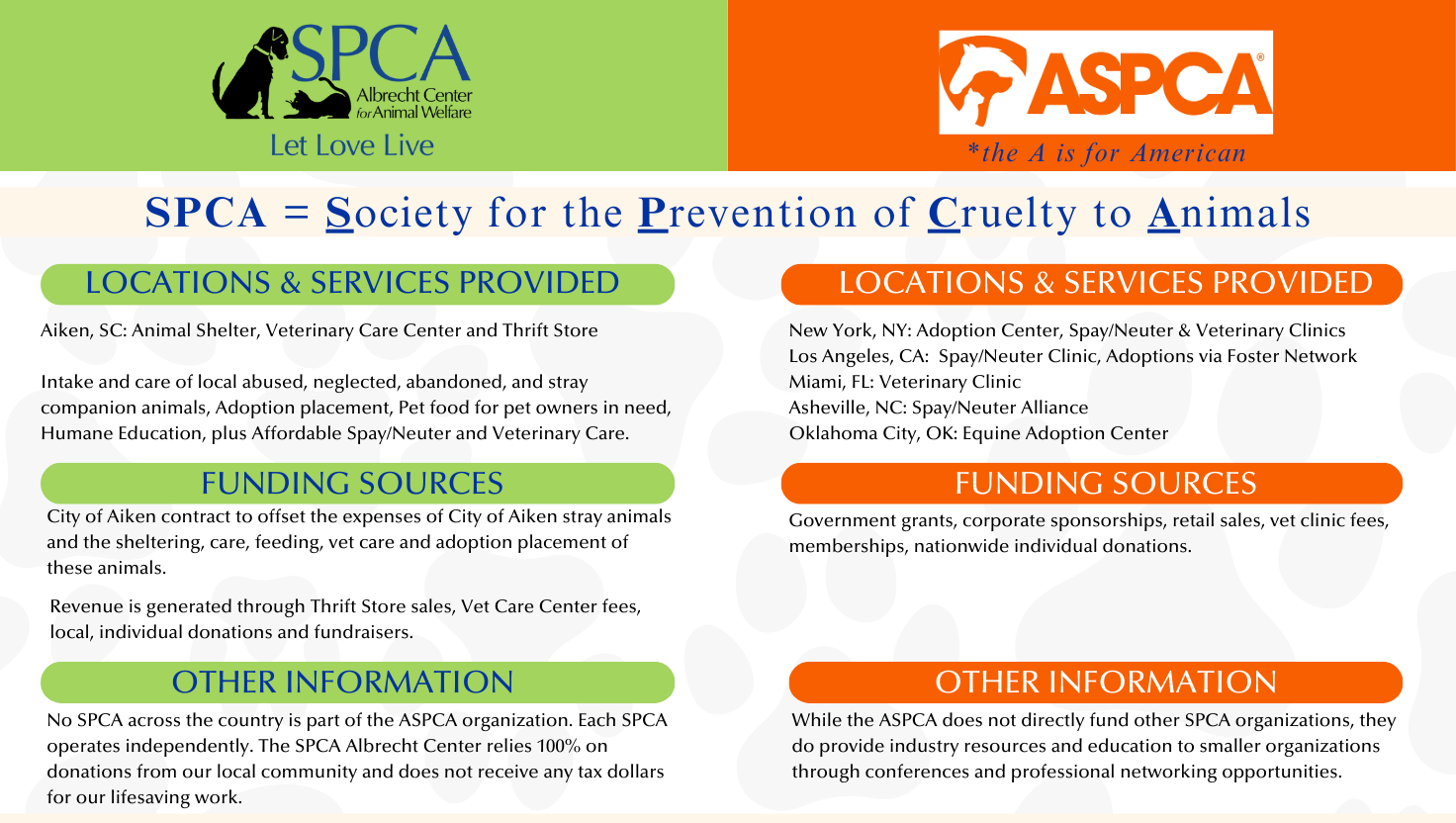
The most striking aspect of the SPCA from a brand strategy viewpoint is its decentralized structure. Contrary to popular belief, there is no single “SPCA” that governs all others. Instead, the SPCA is a shared brand identity utilized by thousands of independent organizations worldwide. This creates a unique set of challenges and opportunities regarding brand equity and corporate identity.
The Power of the Genericized Trademark
The SPCA name functions similarly to a “genericized trademark” in the non-profit sector. Because the term “Society for the Prevention of Cruelty to Animals” describes a mission rather than a single corporate entity, various local chapters can adopt the moniker to gain instant credibility. This is a classic example of brand positioning through nomenclature. By using these four letters, a local startup shelter bypasses the “trust acquisition” phase that most new brands must endure. They inherit over a century of established reputation, allowing them to focus their marketing budgets on local conversion rather than national brand awareness.
Brand Architecture: Local vs. National
The relationship between national entities (like the ASPCA in the United States or the RSPCA in the UK) and local SPCAs is a fascinating study in brand architecture. While they share the “SPCA” name, they are often legally and financially distinct. This creates a “Brand Paradox.” The national organizations spend millions on high-level brand awareness and advocacy, while local organizations benefit from the residual brand equity to drive local adoptions and donations. For a brand strategist, this highlights the importance of “Network Branding,” where the collective reputation of many independent actors creates a dominant market position that no single competitor can easily disrupt.
Marketing the Mission: How the SPCA Built Global Authority
The SPCA’s longevity is not accidental; it is the result of a consistent, multi-generational marketing strategy that leverages emotional intelligence and ethical authority. By positioning itself as the “Voice for the Voiceless,” the SPCA has moved beyond a service-based brand to become a value-based brand.
Emotional Branding and High-Stakes Storytelling
One cannot discuss the SPCA brand without mentioning its mastery of emotional branding. In the realm of marketing, “affinity brands” succeed by aligning their identity with the personal values of their target audience. The SPCA utilizes high-stakes storytelling—often showcasing the journey from “rescue” to “recovery”—to create a powerful narrative arc. This is a deliberate brand choice that shifts the focus from the organization’s operational costs to the donor’s emotional impact.
By humanizing the animals and villainizing cruelty, the SPCA creates a clear “Hero’s Journey” where the donor is the protagonist. This type of brand storytelling is far more effective at driving long-term loyalty than clinical, data-driven reporting.
Visual Identity and Logo Consistency
Across the globe, SPCAs generally adhere to a specific visual language. The use of clean, sans-serif typography, often accompanied by animal silhouettes (dogs, cats, or even horses), creates a visual shorthand for “safety” and “protection.” In brand design, the choice of blue or orange—colors often associated with trust and optimism—helps to balance the heavy subject matter of animal cruelty with a sense of hope. This consistency ensures that whether a consumer is in New York, London, or Sydney, the visual triggers remain the same, reinforcing global brand recall.
The Business of Trust: Personal Branding and Community Engagement

In the non-profit world, trust is the primary currency. For the SPCA, this trust is maintained through a complex interplay of personal branding at the local level and high-level corporate advocacy.
The Role of Advocacy in Brand Positioning
Modern brands are increasingly expected to take political and social stances. The SPCA has been a pioneer in this “Advocacy Branding.” By lobbying for legislative changes, the brand positions itself as a thought leader and an ethical authority rather than just a service provider. This elevated status allows the SPCA to command higher price points for corporate partnerships and a larger share of the “charitable wallet.” It transforms the brand from a local charity into a global watchdog, a move that significantly increases its brand value.
Community Engagement as a Brand Touchpoint
For local SPCAs, the brand is experienced through direct touchpoints: adoption centers, low-cost clinics, and education programs. These services function as “Brand Activation” events. Each animal adopted is essentially a “living brand ambassador” that enters a consumer’s home, providing a daily reminder of the organization’s value. This creates a feedback loop of brand loyalty that is nearly impossible for for-profit companies to replicate. The “customer” (the adopter) becomes a lifelong advocate for the brand, often providing recurring donations and word-of-mouth marketing for years to come.
Digital Evolution: The SPCA Brand in the Tech-Driven Era
As consumer behavior shifts toward digital platforms, the SPCA has had to pivot its brand strategy to remain relevant. The transition from physical mailers to viral digital content has fundamentally changed how the brand communicates its mission.
Viral Storytelling and Social Media Presence
The SPCA brand thrives on social media because its product—compelling animal stories—is inherently “shareable.” However, the strategy goes deeper than just posting “cute” photos. The brand utilizes “Inbound Marketing” techniques, creating educational content that helps pet owners solve problems (e.g., training tips, health advice). By providing value before asking for a donation, the SPCA builds a relationship with its audience that is based on utility, not just guilt. This shifts the brand perception from a “charity” to a “resource.”
The UX of Giving
Modern SPCA branding also focuses heavily on the User Experience (UX) of the donation process. Leading chapters have invested heavily in digital infrastructure, ensuring that the brand promise of “transparency” and “ease” is reflected in their websites. A frictionless donation process is a hallmark of a mature brand. When a brand can successfully marry its emotional appeal with a seamless digital interface, it maximizes its conversion rate, turning passive sympathizers into active stakeholders.
Lessons for Corporate Identity and Brand Strategy
The story of the SPCA offers several vital lessons for brand managers and corporate strategists, regardless of their industry.
1. The Halo Effect of Purpose
The SPCA demonstrates that a mission-driven brand can survive and thrive through economic downturns and social shifts. When a brand’s identity is rooted in a fundamental human value (in this case, compassion), it achieves a level of “Brand Immortality.” Companies that can link their corporate identity to a higher purpose often see higher levels of employee retention and customer loyalty.
2. Balancing Global Recognition with Local Authenticity
One of the hardest things for a brand to do is scale while remaining “human.” The SPCA’s decentralized model allows it to maintain the authority of a global giant while keeping the “mom-and-pop” feel of a local shelter. For corporate brands, this suggests that a “Glocal” strategy—global consistency with local adaptation—is often the most effective way to build trust in diverse markets.
3. Protecting the Brand Equity
Because the SPCA name is so valuable, protecting it from dilution is a constant battle. This serves as a reminder to all brand owners that your name is your most valuable asset. Continuous monitoring of how the brand is used, maintaining high standards of “product” (service) delivery, and aggressively defending the brand’s reputation are essential for long-term health.
In conclusion, “What is the SPCA?” is a question with a two-part answer. Operationally, it is a champion of animal welfare. Strategically, however, it is a global brand powerhouse that has successfully navigated over a century of change by maintaining a crystal-clear identity, leveraging emotional storytelling, and building a foundation of unwavering trust. It is a prime example of how a consistent brand strategy can turn a simple mission into a global institution.
aViewFromTheCave is a participant in the Amazon Services LLC Associates Program, an affiliate advertising program designed to provide a means for sites to earn advertising fees by advertising and linking to Amazon.com. Amazon, the Amazon logo, AmazonSupply, and the AmazonSupply logo are trademarks of Amazon.com, Inc. or its affiliates. As an Amazon Associate we earn affiliate commissions from qualifying purchases.