
In the landscape of modern hardware and specialized gadgets, the miter saw stands as a testament to the evolution of precision engineering. While often associated with general construction, its role in high-tech workshops, architectural prototyping, and precision manufacturing is indispensable. To understand what a miter saw is used for is to explore the intersection of mechanical design and digital accuracy. As hardware continues to integrate with smarter interfaces and more efficient power systems, the miter saw has transitioned from a blunt instrument of carpentry into a sophisticated piece of technology designed for repeatable, high-fidelity results.
Understanding the Tech Behind the Miter Saw
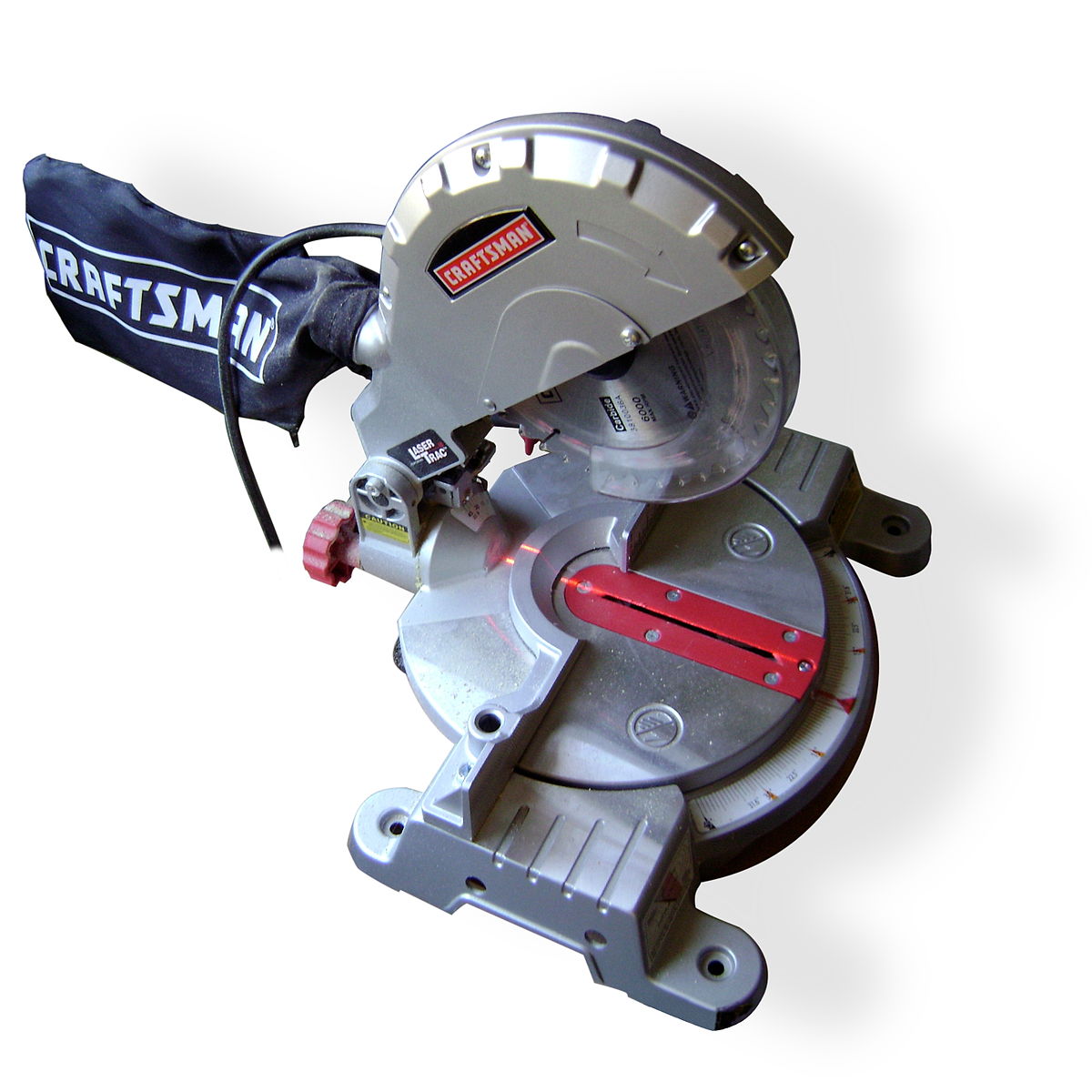
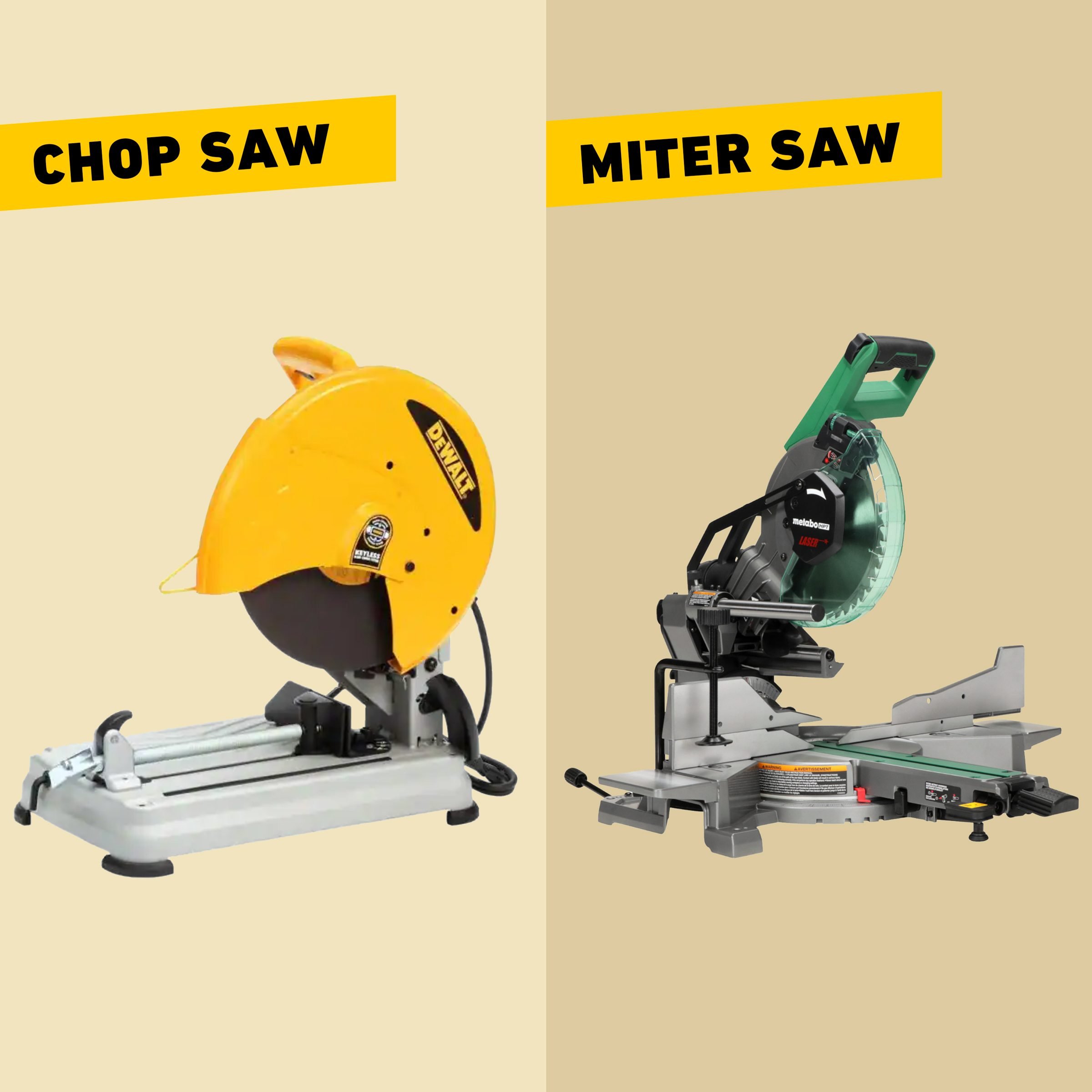
At its core, a miter saw is a specialized power tool designed to make precise crosscuts and angled cuts in a variety of materials, primarily wood, but increasingly composites and light metals. Unlike a standard circular saw, which is guided by the user’s hand across a surface, the miter saw is a stationary machine where the blade is mounted on a pivoting arm that drops down onto the workpiece. This configuration allows for a level of stability and accuracy that handheld tools cannot match.
The Anatomy of Modern Cutting Hardware
The modern miter saw is a marvel of mechanical synchronization. It consists of several key components that have undergone significant technological upgrades over the last decade. The base and fence provide the foundational stability, often machined from high-grade aluminum to ensure a perfectly flat surface. The “miter” aspect refers to the horizontal angle at which the blade meets the material, controlled by a rotating table.
The “bevel” function, found in compound miter saws, allows the blade to tilt vertically. When these two movements are combined, the tool can execute complex geometry that is essential for modern architectural design and intricate framing. The integration of high-torque, brushless motors has further revolutionized this hardware, providing consistent RPM (revolutions per minute) even under heavy load, which reduces friction and ensures a cleaner finish.
Evolution from Manual to Power-Driven Systems
The history of the miter saw is one of increasing automation and precision. Originally, miter boxes were manual guides used with hand saws. The transition to power saw technology in the mid-20th century introduced the motorized miter saw, which significantly increased the speed of production. Today, we are seeing a shift toward “smart” miter saws. These contemporary gadgets feature electronic braking systems that stop the blade in milliseconds for safety, as well as sophisticated LED and laser projection systems that map the blade’s path onto the material with sub-millimeter accuracy.
Primary Applications: Where Precision Meets Utility
The primary utility of a miter saw is defined by its ability to replicate specific angles perfectly across multiple workpieces. This makes it a foundational tool in any environment where consistency is non-negotiable. Whether in a high-tech manufacturing facility or a custom design studio, the miter saw is the go-to hardware for transforming raw stock into specific components.
Cross-Cutting and Angled Joins
The most common use for a miter saw is the crosscut—a straight cut made across the grain of a piece of wood. However, its true value lies in “mitered” joins. This is the process of cutting two pieces of material at a 45-degree angle to create a seamless 90-degree corner. This application is critical in the production of high-end tech enclosures, frames for digital displays, and internal architectural elements.
In the world of high-fidelity audio, for example, the construction of speaker cabinets requires perfectly mitered edges to ensure an airtight seal and optimal acoustic resonance. The precision of the miter saw’s calibrated scales allows technicians to dial in these angles with a degree of certainty that prevents material waste and ensures structural integrity.
The Role of Compound and Bevel Cuts
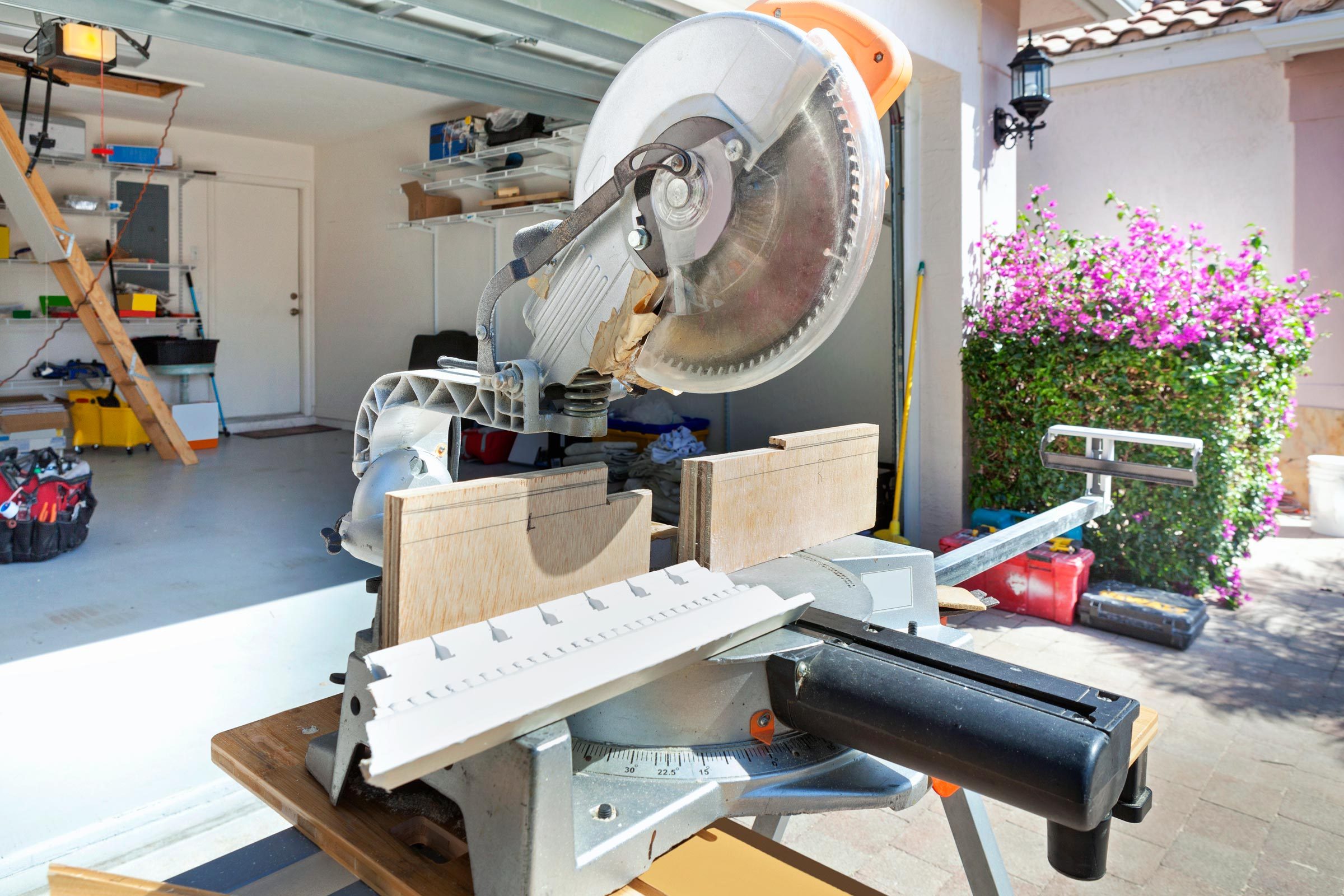
Beyond simple angles, miter saws are used for compound cuts—which involve both a miter (horizontal angle) and a bevel (vertical tilt). This is particularly relevant in the installation of crown molding or the construction of complex geometric frameworks used in modern tech-focused office spaces and retail environments.
When engineers design ergonomic workstations or custom laboratory furniture, they often rely on these compound angles to create slopes and transitions that accommodate wiring looms and integrated hardware components. The ability of the miter saw to lock into these multi-axis positions makes it an essential tool for bringing complex CAD (Computer-Aided Design) drawings into the physical world.
Smart Features and Digital Innovations in Modern Saws
As we move further into the era of the “smart workshop,” the miter saw has adopted several features that align it with modern technology trends. These innovations focus on two primary areas: accuracy and user safety.
Laser Guides and Shadow Line Technology
One of the most significant digital upgrades to the miter saw is the implementation of precision guidance systems. Early versions used basic laser lines that required constant recalibration. Modern high-end saws, however, utilize “shadow line” technology (often referred to as XPS systems). This uses high-intensity LEDs to cast a literal shadow of the blade onto the workpiece.
The advantage of this tech is that it never needs calibration; as long as the blade is present, the shadow represents the exact kerf (width) of the cut. For technicians working on sensitive electronic housing or high-value materials, this visual feedback loop is vital for reducing error rates.
Brushless Motors and Battery Ecosystems
The shift from corded to cordless technology has hit the miter saw market with full force. Modern lithium-ion battery platforms have reached a point where they can deliver the high voltage necessary to drive a 10-inch or 12-inch blade through dense materials without a drop in performance.
The “tech” here lies in the communication between the battery and the motor. Intelligent chips monitor thermal output and power draw, optimizing the energy flow to prevent overheating while maximizing runtime. This portability allows for the use of precision cutting hardware in remote locations or on-site installations of complex digital infrastructure where power grids might not yet be established.
The Engineering of Precision: Why Accuracy Matters
In any technological application, the margin for error determines the quality of the final product. The miter saw is designed to mitigate human error through mechanical locks and fine-tuning adjustments.
Mitigating Human Error with Calibration
A professional-grade miter saw features positive stops—predetermined notches at common angles like 0, 22.5, 33.9, and 45 degrees. These stops are mechanically engineered to ensure the saw “clicks” into place, removing the guesswork from the equation. However, the true tech enthusiast looks at the micro-adjustability of these tools. Most modern saws allow for “sub-degree” calibration, enabling the user to adjust the fence or the blade angle by fractions of a degree to compensate for material expansion or imperfect structural environments.
Dust Extraction and Workspace Safety Tech
Modern hardware isn’t just about the cut; it’s about the environment in which the cut is made. High-performance miter saws now feature advanced dust extraction ports designed using fluid dynamics to capture up to 90% of airborne particulates. In tech-sensitive environments—such as laboratories or data centers where airborne dust can damage delicate circuitry—this extraction technology is paramount.
Furthermore, the integration of electronic brakes and “soft start” technology protects both the machine and the operator. Soft start systems gradually ramp up the motor speed, reducing the initial torque kick and extending the lifespan of the gears and the motor itself.
Specialized Use Cases: Beyond Basic Carpentry
While we often think of wood, the miter saw’s utility extends into various tech-driven sectors that require rigid, angled components.
Custom Tech Enclosures and Prototyping
In the world of hardware prototyping, creating custom enclosures for servers, IoT devices, or specialized sensors often requires the use of extruded aluminum or high-density polymers. With the correct specialized blade, a miter saw can cut these materials with extreme precision. This allows developers to create “mock-ups” and functional prototypes that meet exact specifications before moving to full-scale manufacturing. The ability to quickly iterate on physical designs using a miter saw speeds up the development lifecycle of new hardware products.
Architectural Fine-Tuning
In modern architecture, especially in “smart buildings,” the integration of tech requires precision-cut channels for fiber optics, sensor arrays, and hidden lighting. The miter saw is used to create the recessed housing and the trim work that hides these complex systems while maintaining a clean, minimalist aesthetic. The tool’s ability to create perfectly matched joints ensures that there are no gaps where light could leak or where sensitive wiring could be exposed to the elements.
As we look toward the future, the miter saw will likely continue to evolve with the integration of IoT connectivity—allowing for digital angle presets via mobile apps—and even more advanced sensor-based safety systems. For now, it remains a pinnacle of mechanical precision, a vital gadget for anyone bridging the gap between digital design and physical reality.
aViewFromTheCave is a participant in the Amazon Services LLC Associates Program, an affiliate advertising program designed to provide a means for sites to earn advertising fees by advertising and linking to Amazon.com. Amazon, the Amazon logo, AmazonSupply, and the AmazonSupply logo are trademarks of Amazon.com, Inc. or its affiliates. As an Amazon Associate we earn affiliate commissions from qualifying purchases.