
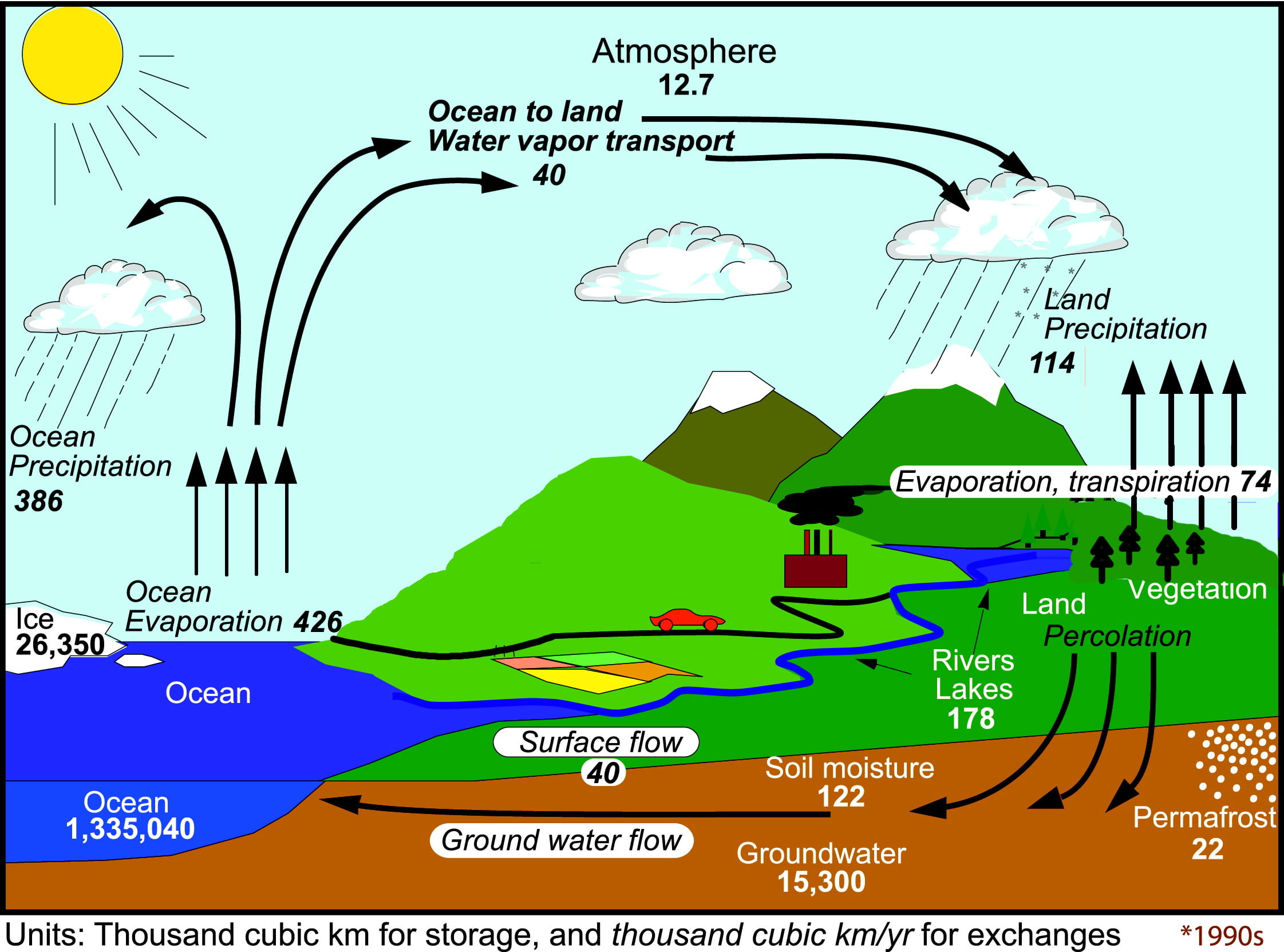
The water cycle, or the hydrological cycle, is the planet’s most efficient system for distributing life-sustaining resources. However, from a technological and engineering perspective, it is more than just a biological necessity; it is a massive thermodynamic machine. To understand the “source of energy” in the water cycle is to understand the foundational input for nearly all renewable energy technologies currently dominating the global tech landscape. While the sun provides the raw thermal input required to move trillions of tons of water around the globe, it is modern technology that allows us to capture, analyze, and optimize this energy for human consumption.
In the contemporary tech sector, the intersection of thermodynamics and software is where the most significant innovations are occurring. From AI-driven weather modeling to the high-efficiency turbines of hydroelectric dams, the technology used to interface with the water cycle is evolving at an unprecedented pace.
1. The Solar Engine: Digital Modeling of the Primary Energy Source
The sun is the undisputed source of energy for the water cycle. It provides the thermal energy necessary for evaporation, sublimation, and the atmospheric movement of water vapor. In the realm of technology, our ability to quantify and predict this solar input has become a cornerstone of climate tech and renewable energy planning.
The Role of Satellite IoT and Remote Sensing
Modern meteorology relies on a sophisticated “Internet of Aerospace Things.” High-resolution satellites, such as those in the GOES-R series, use advanced spectral imaging to measure solar irradiance and its immediate effect on ocean temperatures. These hardware systems collect petabytes of data, tracking how solar energy drives the phase change of water from liquid to gas. Tech firms are now using this data to build “Digital Twins” of the Earth’s atmosphere, allowing researchers to simulate how variations in solar output will affect regional water cycles.
AI-Enhanced Evapotranspiration Analysis
Understanding how solar energy drives water from plants and soil back into the atmosphere (evapotranspiration) is critical for precision agriculture tech. AI algorithms now process data from ground-based sensors and drone imagery to calculate the exact energy balance of a specific field. By identifying the thermal energy absorption of crops, these software tools can automate irrigation systems, ensuring that water—and the energy used to move it—is never wasted.
2. Transforming Kinetic Flow into Grid-Scale Power
Once the sun’s energy lifts water into the atmosphere and gravity brings it back down as precipitation, that potential energy is converted into kinetic energy. This is where mechanical engineering and electrical tech take center stage. The “source” of energy becomes a tangible asset that can be converted into electricity through hydroelectric systems.
High-Efficiency Turbines and Variable Speed Tech
The traditional water wheel has evolved into hyper-efficient Kaplan and Pelton turbines. Current technological trends focus on variable speed technology, which allows turbines to operate efficiently even when water flow is inconsistent. Integrated with power electronics, these turbines use sophisticated software to adjust the pitch of the blades in real-time, maximizing the energy extraction from every cubic meter of water flowing through the system.
Micro-Hydro and Distributed Energy Resources (DERs)
Technology is moving away from massive, environmentally disruptive dams toward “run-of-river” and micro-hydro systems. These gadgets are small enough to power a single village or a remote industrial site. The innovation here lies in the “Inverter Tech” and “Smart Controllers” that stabilize the fluctuating energy output of a stream, allowing it to integrate seamlessly into a localized smart grid. This decentralized approach is a major trend in the digital transformation of the energy sector.
3. Smart Water Management: AI and IoT in the Hydrological Loop
As the global population grows and climate patterns shift, the technology used to manage the water cycle’s distribution becomes as important as the source of the energy itself. We are currently seeing a “digitization of water,” where the flow of molecules is tracked with the same precision as the flow of data packets in a fiber-optic network.

The Rise of the Smart Water Grid
A Smart Water Grid utilizes IoT sensors to monitor flow rates, pressure, and quality across vast geographic areas. By applying machine learning to this data, utility tech companies can identify “non-revenue water” (leaks) that represent lost energy. Since moving and treating water is one of the most energy-intensive processes in modern society, using AI to optimize this flow is a direct way of conserving the solar energy initially captured by the cycle.
Predictive Maintenance and Structural Health Monitoring
The infrastructure used to harness water energy—dams, reservoirs, and pipelines—is increasingly being outfitted with “Structural Health Monitoring” (SHM) tech. These systems use acoustic sensors and fiber-optic strain gauges to detect microscopic cracks or shifts in the landscape. This data is fed into predictive maintenance software, ensuring that the physical hardware of the water cycle remains operational without the need for costly, energy-intensive overhauls.
4. Emerging Tech: Desalination and Green Hydrogen Production
The technological horizon is looking at ways to manipulate the water cycle to solve the global energy crisis. If the sun is the source of energy that moves water, then “Green Hydrogen” is the technology that uses that water to store energy for later use.
Electrolysis and the Future of Energy Storage
By using renewable energy (often derived from the water cycle via hydropower or wind), tech companies are performing electrolysis to split water molecules into hydrogen and oxygen. This process essentially “packages” the sun’s energy into a chemical form that can be transported. The technology behind proton exchange membrane (PEM) electrolyzers is currently a massive focus for R&D departments in the tech and energy sectors, aiming to make hydrogen a viable alternative to lithium-ion batteries.
Advanced Membrane Tech in Desalination
Desalination is often seen as “reversing” a part of the water cycle, requiring significant energy to remove salt from seawater. Modern tech trends are focused on biomimetic membranes and graphene-based filtration. These nanotechnology breakthroughs aim to reduce the energy threshold required for desalination, making it possible to provide fresh water in arid regions using nothing more than localized solar power—once again bringing the cycle back to its primary energy source.
5. The Digital Security of Global Water-Energy Infrastructure
As our reliance on the technology that manages the water cycle increases, so does the need for robust digital security. The systems that monitor the energy source and its distribution are now primary targets for cyber warfare and industrial espionage.
Protecting SCADA Systems
Supervisory Control and Data Acquisition (SCADA) systems are the backbone of hydroelectric plants and municipal water works. The current trend in digital security for these systems involves “Air-Gapping” critical controls and implementing “Zero Trust” architectures. As we move toward more connected, cloud-based management of water resources, the software used to protect these assets becomes a vital component of the energy cycle itself.
Blockchain for Water Rights and Energy Trading
In some tech-forward regions, blockchain technology is being piloted to manage water rights and energy trading. By using decentralized ledgers, stakeholders can transparently track the “energy credits” generated by hydroelectric sources. This ensures that the value derived from the sun’s work in the hydrological cycle is distributed fairly and efficiently, without the need for centralized, slow-moving bureaucracies.

Conclusion: The Synergy of Physics and Software
The source of energy in the water cycle is a constant—the sun’s nuclear fusion provides the heat that drives the world’s weather. However, the utility of that energy is entirely dependent on the level of technology we apply to it. We have moved from a passive observation of rain and rivers to an active, data-driven management of a global thermodynamic engine.
Through the lens of modern tech, the water cycle is a massive data set to be analyzed, a kinetic stream to be harnessed, and a chemical resource to be unlocked. As AI, IoT, and renewable energy hardware continue to converge, our ability to interface with the sun’s energy—as manifested through water—will determine the sustainability of our digital and physical world. The future of tech is not just in the silicon of our chips, but in how we manage the ancient, solar-powered cycle that keeps our planet in motion.
aViewFromTheCave is a participant in the Amazon Services LLC Associates Program, an affiliate advertising program designed to provide a means for sites to earn advertising fees by advertising and linking to Amazon.com. Amazon, the Amazon logo, AmazonSupply, and the AmazonSupply logo are trademarks of Amazon.com, Inc. or its affiliates. As an Amazon Associate we earn affiliate commissions from qualifying purchases.