
The seemingly simple question “what is the size of a 2 x 4?” opens a crucial dialogue for anyone involved in construction, home improvement, or even casual DIY projects. While the answer might appear straightforward, the distinction between a “nominal” and “actual” dimension holds significant financial implications that can impact budgets, material waste, project timelines, and ultimately, the profitability or cost-effectiveness of an endeavor. Understanding this nuance is not merely about technical specifications; it’s a fundamental component of astute financial planning and resource management in any project involving lumber.
The Critical Financial Distinction: Nominal Versus Actual Dimensions
When you walk into a lumberyard or browse an online store, a “2 x 4” is the common designation for a piece of lumber. This measurement, however, is a nominal size – a traditional designation that originated from the dimensions of rough-sawn lumber before it underwent drying and milling processes. For the financially savvy project manager or homeowner, recognizing the difference between this nominal size and the actual finished dimensions is paramount to avoiding costly mistakes.
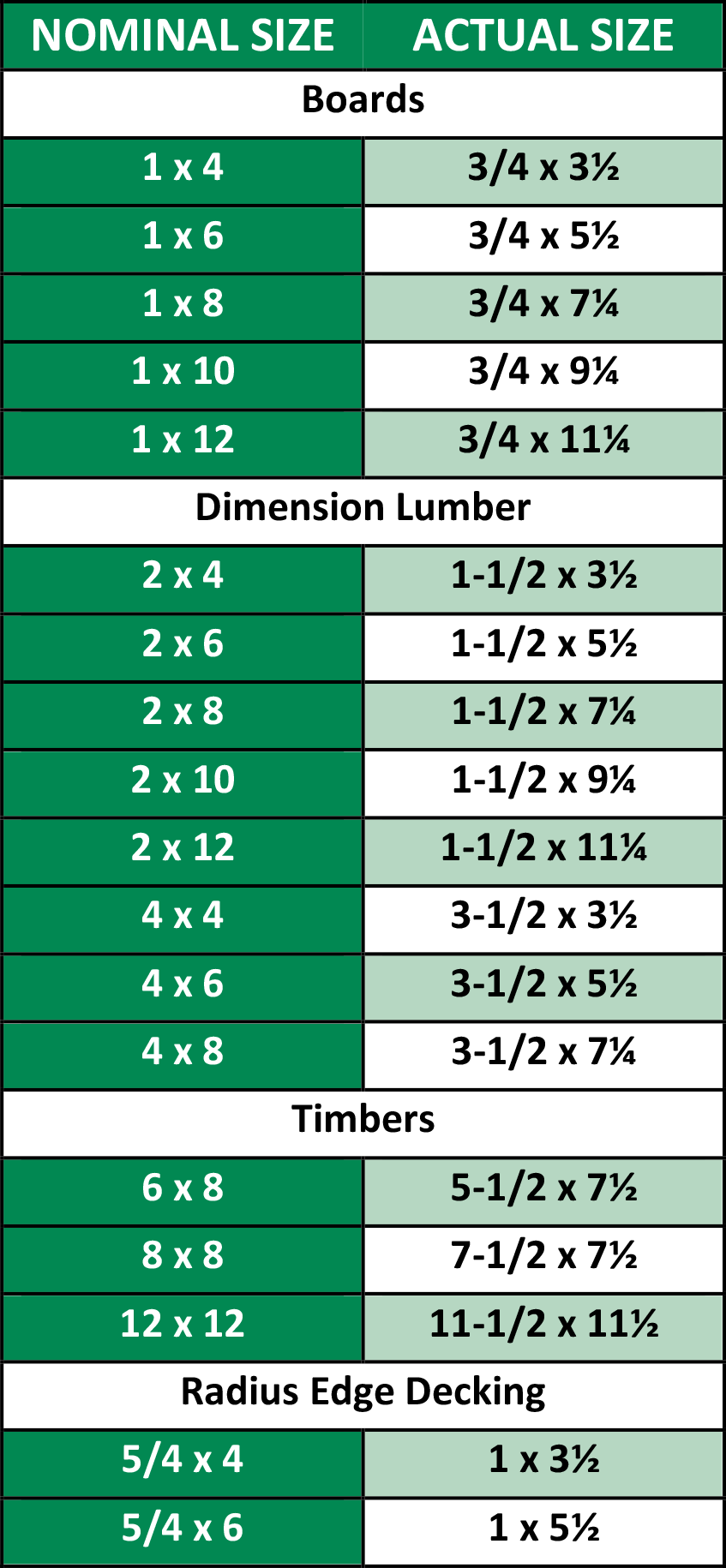
Understanding Nominal Sizes and Their Origins
The nominal size of a 2×4 dates back to an era when lumber was cut from logs, then dried and planed to make it smoother and more consistent. Each of these processes—drying (which causes shrinkage) and planing (which removes material)—reduces the overall dimensions of the wood. The “2×4” label, therefore, became a historical reference point, a classification method rather than a precise measurement of the final product. Financially, this historical naming convention can be a trap for the uninitiated, leading to inaccurate material estimates and unexpected budget overruns. Without this knowledge, one might assume a 2-inch thickness and 4-inch width, leading to calculations that are simply incorrect for the actual lumber received.
The Actual Milled Dimensions: What You Really Pay For
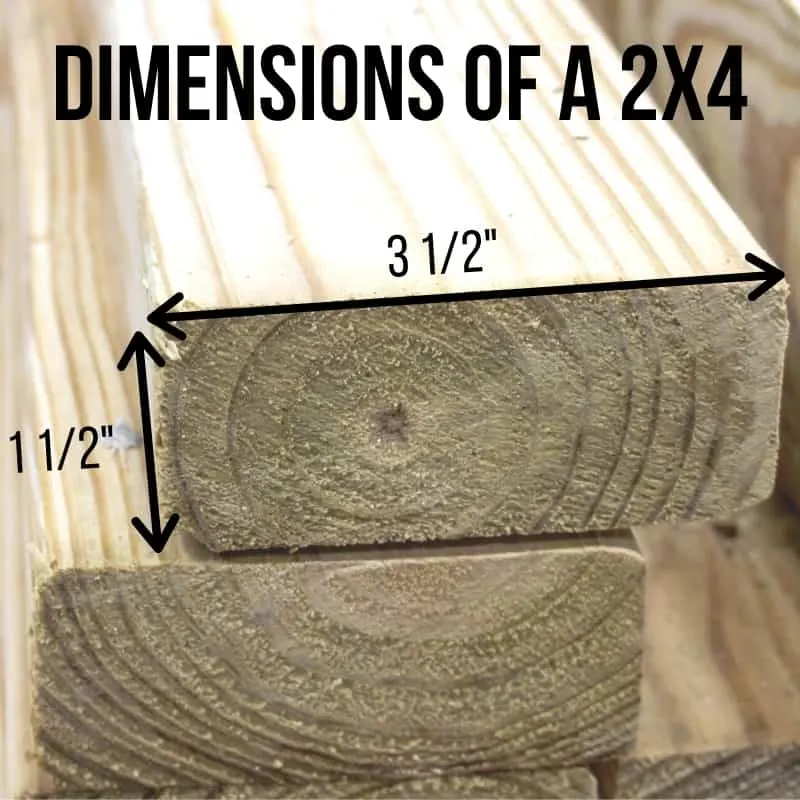
Today, the standard actual dimensions of a dried and planed 2×4 are typically 1.5 inches thick by 3.5 inches wide. This reduction from the nominal 2×4 to the actual 1.5×3.5 inches is consistent across the industry for most commonly available softwood lumber. While this difference might seem minor, a half-inch here and there across multiple pieces of lumber can dramatically alter the structural integrity of a project, the amount of material required, and the overall cost. For example, if a project requires precise joinery or a specific volume of wood, miscalculating based on nominal dimensions could lead to purchasing insufficient material, resulting in multiple trips to the supplier, or, worse, over-purchasing and incurring unnecessary expenditure and waste. Professional builders and financial planners understand that every fraction of an inch translates into concrete dollars saved or spent, making this seemingly small detail a significant factor in material budgeting.
Financial Implications of Misunderstanding Lumber Sizes
The cost of lumber is a substantial component of many construction and DIY budgets. A precise understanding of actual dimensions directly correlates with financial prudence, preventing a host of costly issues.
Budget Overruns Due to Material Waste
One of the most immediate financial consequences of misjudging lumber sizes is material waste. If a design is drafted based on nominal dimensions (e.g., assuming a 4-inch width for a wall stud when it’s actually 3.5 inches), the cuts might be incorrect, leading to unusable scraps. While some waste is inevitable, consistent miscalculation can lead to a significant percentage of purchased lumber being discarded. This translates directly into lost money, as you’re paying for material you cannot use. For large-scale projects, even a small percentage of waste can amount to thousands of dollars. Effective financial management demands minimizing waste, and accurate dimensional understanding is key to achieving this.
Project Delays and Increased Labor Costs
Time is money, particularly in construction and professional contracting. If a project plan, including blueprints and material lists, is based on incorrect lumber dimensions, it can lead to multiple problems on-site. Workers might spend valuable time trying to fit incompatible pieces, redesigning on the fly, or waiting for additional, correctly sized materials to be delivered. Each delay pushes back the project completion date, incurring additional labor costs, equipment rental fees, and potentially penalties for missing deadlines. For a contractor, this directly impacts profitability; for a homeowner, it means extended disruption and potentially higher total project costs if they are paying for skilled labor by the hour or day.
Selecting the Right Grade for Cost Efficiency
Beyond size, understanding lumber grades (e.g., common, select, appearance) also offers financial opportunities for optimization. While not directly related to the nominal vs. actual size debate, it complements a comprehensive material understanding. For structural components hidden behind drywall, a less expensive “common” grade might suffice, whereas for exposed elements, a higher-grade “select” or “appearance” lumber might be necessary, albeit at a higher cost. A financially astute decision-maker chooses the appropriate grade for each application, avoiding the unnecessary expense of premium lumber where it’s not needed, and conversely, preventing structural failures or aesthetic compromises by using inadequate grades. This strategic selection further underscores the importance of a nuanced understanding of lumber properties to maximize financial efficiency.
Strategic Purchasing and Cost-Effective Project Planning
Armed with accurate knowledge of lumber dimensions, individuals and businesses can implement strategies that lead to significant cost savings and more predictable financial outcomes.
Calculating Material Needs Accurately
The cornerstone of any financially sound project is an accurate material take-off. By using the actual dimensions of 1.5 x 3.5 inches for a 2×4, professionals can calculate precise quantities of lumber needed, minimizing both over-purchasing and shortages. Modern CAD software and online calculators often factor in these actual dimensions, but the human element of understanding and verifying inputs remains critical. This accuracy extends to calculating cubic footage for material volume, which directly influences shipping costs, storage requirements, and overall material budget. A precise bill of materials is not just a technical document; it’s a core financial planning tool.
Buying in Bulk Versus Specific Cuts
Understanding your exact dimensional needs allows for more strategic purchasing. For larger projects, buying in bulk can often lead to per-unit cost savings. Lumberyards and suppliers frequently offer discounts for larger quantities. However, if your project only requires specific lengths or a smaller volume, it might be more cost-effective to purchase specific cuts to minimize waste, even if the per-foot price is slightly higher. The decision often boils down to a financial calculation: the cost of bulk lumber minus potential waste versus the cost of precise quantities. This financial optimization requires accurate dimensional knowledge to make the right trade-offs.
Comparing Retailer Pricing and Quality
Knowing the exact specifications of a 2×4 empowers you to make direct, apples-to-apples comparisons between different suppliers. While the actual dimensions are standard, the quality of milling, the wood species, and the grading can vary, impacting price. A slightly cheaper 2×4 might have more knots, warping, or other defects that lead to higher waste or more labor to work around. Financial insight means recognizing that the lowest sticker price isn’t always the cheapest option in the long run. By understanding the standard dimensions and what constitutes good quality, you can evaluate true value, negotiating better prices or selecting suppliers that offer the optimal balance of cost and product reliability, thereby protecting your investment.
Long-Term Financial Value of Informed Material Selection
The financial impact of understanding lumber dimensions extends beyond immediate project costs, influencing long-term value, durability, and even potential resale value.
Durability and Maintenance Savings
Using correctly sized and appropriate lumber ensures the structural integrity and longevity of a project. A structure built with undersized or poorly selected lumber, perhaps due to miscalculations, might require more frequent repairs, replacements, and maintenance over time. These ongoing costs can quickly erode initial savings. Conversely, a well-built structure using correctly sized and specified materials offers greater durability, reducing the need for costly interventions down the line. This translates into significant long-term financial savings for homeowners and a better reputation for contractors.
Resale Value and Property Enhancements
For real estate, the quality of construction and materials directly impacts property value. A home or structure built with attention to detail and using standard, correctly sized lumber is perceived as higher quality and can command a better price on the market. DIY projects, if executed correctly with proper material understanding, can enhance a property’s appeal and functionality, contributing positively to its appraisal and resale value. Conversely, projects with visible flaws or structural issues due to miscalculation or poor material choices can detract from value, potentially leading to financial losses upon sale. Thus, understanding the “size of a 2×4” isn’t just about building; it’s about investing wisely in assets that appreciate over time.
aViewFromTheCave is a participant in the Amazon Services LLC Associates Program, an affiliate advertising program designed to provide a means for sites to earn advertising fees by advertising and linking to Amazon.com. Amazon, the Amazon logo, AmazonSupply, and the AmazonSupply logo are trademarks of Amazon.com, Inc. or its affiliates. As an Amazon Associate we earn affiliate commissions from qualifying purchases.