
In the rapidly evolving landscape of mobile commerce (m-commerce), the distinction between a simple marketplace and a sophisticated shopping assistant has become increasingly blurred. At the forefront of this digital transformation is the Shop app, a powerful mobile application developed by Shopify. Designed to streamline the entire end-to-end shopping experience, the Shop app integrates order tracking, payment processing, and product discovery into a single, cohesive technical ecosystem.
For the modern consumer, the Shop app represents a shift toward a more centralized digital identity, where the fragmented nature of online shopping is replaced by a synchronized, data-driven interface. This article explores the technical foundations of the Shop app, its core features, and its role in the broader technology-driven retail landscape.
Understanding the Shop App: An Ecosystem Approach to Mobile Commerce
To understand what the Shop app is, one must first understand its lineage. It is not merely a standalone application but a consolidation of several high-performing Shopify technologies. By leveraging the existing infrastructure of millions of independent merchants, Shopify has created a consumer-facing layer that simplifies how users interact with diverse digital storefronts.
The Evolution of Arrive and Shopify Pay
The Shop app is the spiritual and technical successor to “Arrive,” a highly successful package tracking app, and “Shopify Pay,” the accelerated checkout feature. By merging these two functionalities, Shopify created an “all-in-one” utility. Technically, this involved migrating the robust API integrations of Arrive—which pulled data from hundreds of shipping carriers—and nesting them within a secure payment framework. The result is an app that manages the lifecycle of a purchase from the moment of discovery to the final delivery notification.
Bridging the Gap Between Merchant and Consumer
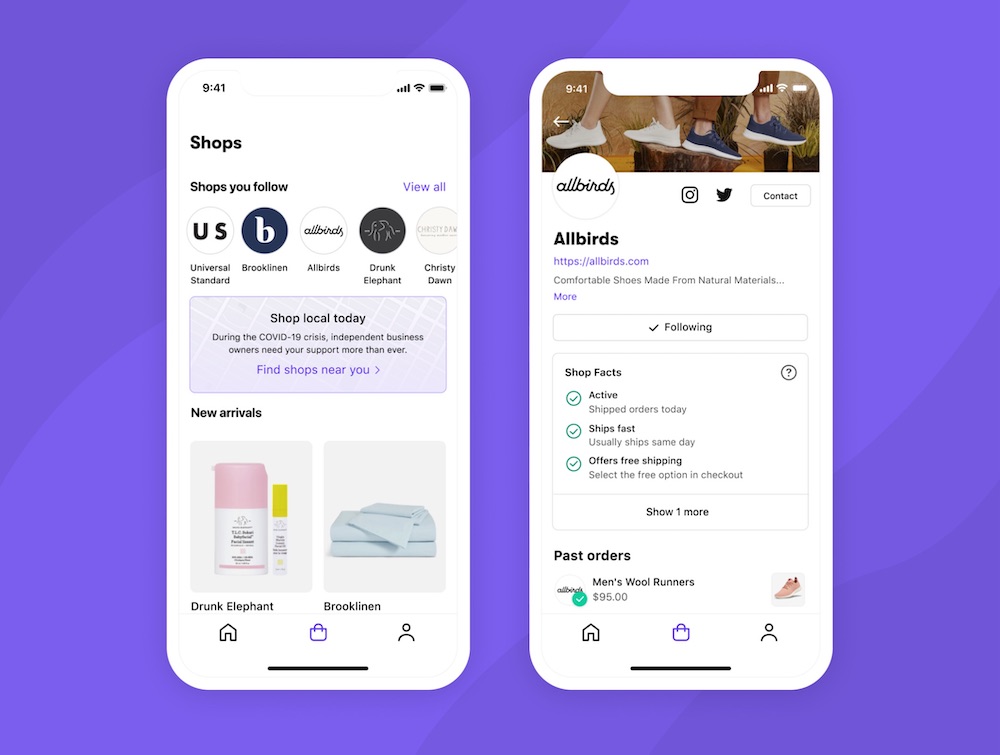
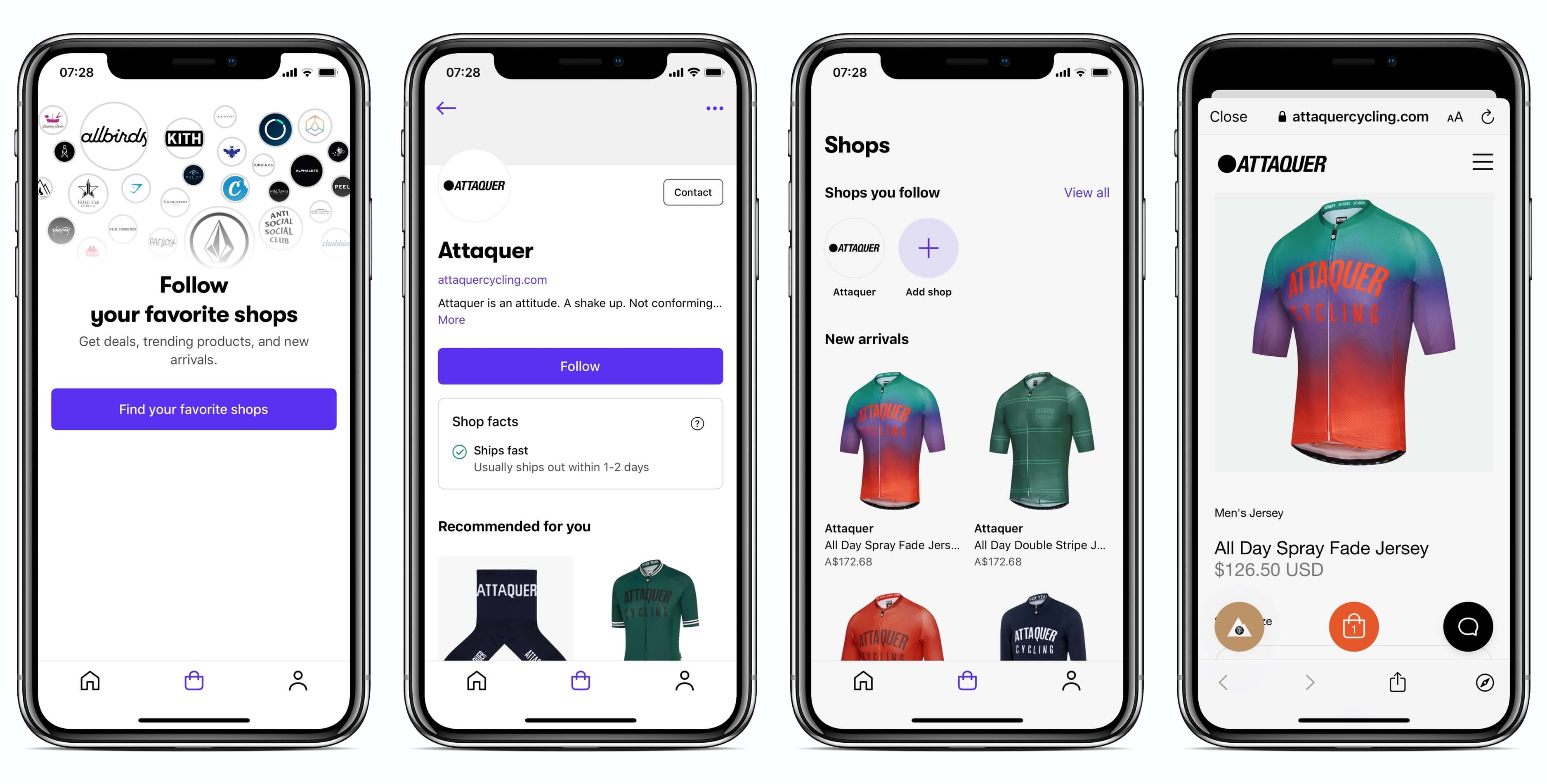
Unlike traditional marketplaces like Amazon or eBay, the Shop app does not operate on a centralized inventory model. Instead, it functions as a sophisticated frontend interface for the decentralized Shopify ecosystem. It utilizes GraphQL and REST APIs to fetch real-time data from individual merchant stores. This allows users to follow their favorite brands, receive updates on new product launches, and access customized storefronts—all while the actual transaction and fulfillment remain under the control of the independent merchant.
Core Technological Features of the Shop App
The technical prowess of the Shop app lies in its ability to aggregate complex data streams into a user-friendly mobile interface. From logistics to financial technology (FinTech), the app utilizes several key modules to enhance the user experience.
Real-Time Order Tracking and Logistics Integration
One of the primary technical hurdles in e-commerce is the “black box” period between order confirmation and delivery. The Shop app solves this by integrating directly with email providers (via OAuth) and shipping carriers. By scanning a user’s inbox for tracking numbers (with permission) or pulling data directly from a Shopify merchant’s fulfillment center, the app provides a live map-based view of package movement. This relies on complex webhooks that trigger notifications the moment a carrier updates a package status, ensuring near-instant synchronization.
One-Tap Checkout with Shop Pay
At the heart of the app’s utility is Shop Pay, Shopify’s proprietary accelerated checkout technology. From a technical standpoint, Shop Pay stores encrypted credit card and shipping information on Shopify’s PCI-compliant servers. When a user checks out on any store that supports Shop Pay (even outside the app), the system recognizes the user via their email address or a browser cookie. It then sends a multi-factor authentication (MFA) code to the Shop app or via SMS, allowing for a “one-tap” transaction. This reduces friction, lowers cart abandonment rates, and utilizes high-level encryption to secure sensitive financial data.
Personalized Product Discovery and Recommendation Algorithms
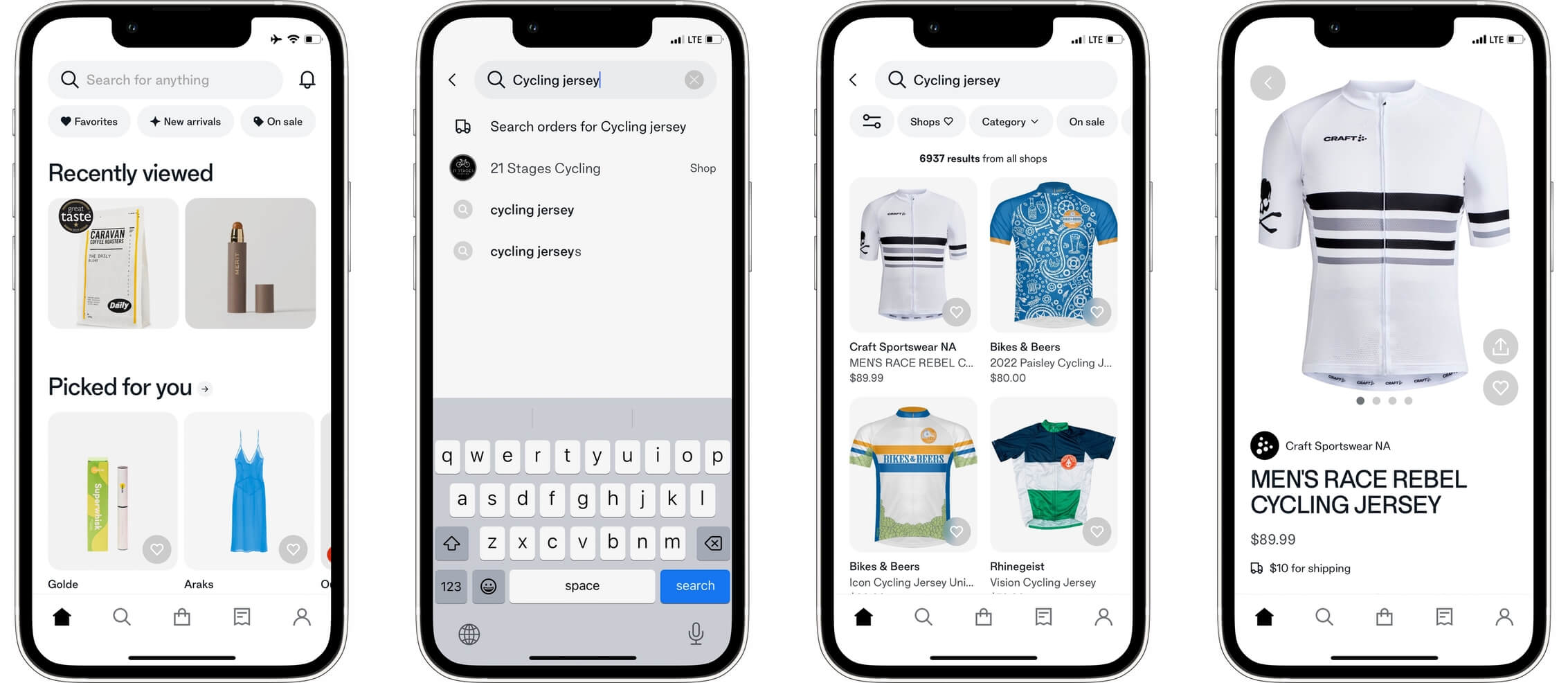
The Shop app employs machine learning models to curate the “Shop” tab. By analyzing a user’s purchase history, followed shops, and browsing behavior across the Shopify network, the app serves personalized product recommendations. Unlike invasive third-party tracking, this data stays within the Shopify ecosystem, allowing the algorithm to refine its suggestions based on high-intent signals. The technical challenge here involves processing massive datasets in real-time to ensure that the “For You” feed remains relevant without compromising app performance or load times.
Security and Data Privacy in the Digital Shopping Space
In an era where digital security is a primary concern for consumers, the Shop app places a heavy emphasis on robust technical safeguards. Because the app handles both logistical data (addresses) and financial data (payment methods), its security architecture is multi-layered.
End-to-End Encryption and Shop Pay Security
Shop Pay, the engine powering the app’s transactions, is built on a foundation of industry-standard security protocols. It utilizes AES-128 (Advanced Encryption Standard) or higher to protect data at rest and TLS (Transport Layer Security) for data in transit. Furthermore, the Shop app utilizes biometric authentication (FaceID or TouchID) to ensure that even if a mobile device is compromised, the payment credentials remain locked behind a secondary layer of hardware-based security.
User Data Protection and Privacy Controls
Technologically, the Shop app is designed to be a “privacy-first” assistant. Users have granular control over what the app can access. For instance, the email integration feature—used for tracking orders from non-Shopify merchants—uses restricted scopes to ensure the app only reads data relevant to shipping and logistics. Shopify has also optimized the app to comply with global data regulations, such as GDPR and CCPA, providing users with the ability to download or delete their data directly through the interface. This transparency is a critical component of its technical reputation.
The Impact of Shop App on the Future of Mobile Commerce (m-Commerce)
The Shop app is a prime example of “Headless Commerce” principles being applied to a consumer-facing product. It demonstrates how the backend of a store can be decoupled from the frontend, allowing the same product data to be displayed on a website, a social media feed, or a dedicated mobile app.
Headless Commerce and API Integration
The technical architecture of the Shop app relies heavily on the “Storefront API.” This allows the app to act as a custom “head” for millions of different Shopify backends. When a merchant updates a product description or inventory count on their Shopify dashboard, the change is reflected across the Shop app instantly via API calls. This level of synchronization is what allows the app to scale across millions of users and stores simultaneously without lagging or showing outdated information.
Enhancing the Post-Purchase Experience through Automation
In the traditional tech stack of a small business, post-purchase communication is often handled via fragmented automated emails. The Shop app centralizes this through a unified notification system. Technically, this involves a sophisticated notification engine that manages push notifications, email alerts, and in-app updates based on real-time triggers from logistics partners (like UPS, FedEx, or DHL). By automating the “Where is my order?” (WISMO) queries, the app significantly reduces the technical and support burden on merchants.
Setting Up and Navigating the Shop App: A Technical Walkthrough
For users and tech-savvy shoppers, navigating the app is an exercise in clean UI/UX design. The application is built using cross-platform frameworks—likely React Native—which allows Shopify to maintain a consistent code base across both iOS and Android devices while providing near-native performance.
User Interface (UI) and Experience (UX) Design
The UI of the Shop app is intentionally minimalist, focusing on three main hubs: “Home,” “Shop,” and “Orders.”
- The Home Tab serves as a dashboard for active deliveries.
- The Shop Tab acts as a curated search engine for products across the Shopify network.
- The Orders Tab provides a historical log of all transactions.
Technically, this tripartite structure is designed to minimize cognitive load, ensuring that even as the app adds more features (like Shop Cash or carbon offset tracking), the core utility remains accessible.
Managing Synchronized Accounts and Cross-Platform Accessibility
A key technical feature of the Shop app is its cross-platform persistence. Because the app is linked to a Shopify ID, a user can start a cart on a desktop browser, complete the purchase via Shop Pay, and then immediately see the tracking information appear in the mobile app. This requires a robust state management system that synchronizes user data across different sessions and devices in real-time. The app uses cloud-based synchronization to ensure that whether you are on a tablet or a smartphone, your shopping history and preferences are always up to date.
Conclusion
The Shop app is far more than a simple directory of online stores; it is a sophisticated mobile commerce utility that leverages Shopify’s massive technological infrastructure to benefit both the consumer and the merchant. By integrating complex logistics tracking, secure FinTech solutions, and AI-driven discovery into a single interface, it addresses the most common friction points in the digital shopping journey.
As technology continues to push the boundaries of retail, the Shop app stands as a blueprint for the future of m-commerce—one where data is secure, transactions are instantaneous, and the relationship between the buyer and the brand is enhanced by a powerful, invisible layer of software. For anyone looking to understand the current state of e-commerce technology, the Shop app is an essential case study in digital integration and user-centric design.
aViewFromTheCave is a participant in the Amazon Services LLC Associates Program, an affiliate advertising program designed to provide a means for sites to earn advertising fees by advertising and linking to Amazon.com. Amazon, the Amazon logo, AmazonSupply, and the AmazonSupply logo are trademarks of Amazon.com, Inc. or its affiliates. As an Amazon Associate we earn affiliate commissions from qualifying purchases.