
The digital landscape is a constant torrent of information, innovation, and curated experiences. From the latest smartphone release to a friend’s exotic vacation photos and the buzz around a new AI tool that promises to revolutionize your workflow, it’s a world designed to keep you engaged, informed, and, often, feeling like you’re on the outside looking in. This pervasive feeling, the fear of missing out, or FOMO, has become an intrinsic part of modern life. It’s the silent anxiety that whispers when you see others thriving, achieving, or simply enjoying something you’re not.
In an era defined by hyper-connectivity, FOMO is not just a fleeting emotion; it’s a powerful driver of consumer behavior, a significant factor in decision-making across our personal and professional lives, and a constant undercurrent of stress for many. This article delves into the multifaceted nature of FOMO, exploring its origins, its impact on our relationship with technology, brand perception, and financial decisions, and ultimately, how we can navigate this pervasive anxiety to live more fulfilling and present lives.
The Digital Fabric of FOMO: Technology’s Double-Edged Sword
Technology, while a marvel of human ingenuity, has inadvertently become the primary amplifier of FOMO. Social media platforms, at their core, are designed to showcase the highlights of people’s lives, creating a curated reality that often eclipses the mundane. We scroll through feeds filled with perfectly posed photos, glowing testimonials, and announcements of groundbreaking advancements, all while sitting at our desks or on our couches. This constant exposure to what could be or what others are doing fuels the nagging sensation that we’re somehow falling behind.
The Algorithmic Echo Chamber and the Illusion of Progress
The algorithms that govern our digital experiences are meticulously crafted to keep us engaged. They learn our preferences, our interests, and our vulnerabilities, serving up content that is most likely to capture our attention. When it comes to technology, this means we’re bombarded with the latest trends, software updates, and gadget releases. There’s a relentless pressure to stay current, to adopt the newest AI tools, to upgrade to the latest smartphone, and to master the newest productivity app. The underlying message, often unspoken, is that if you’re not on the cutting edge, you’re effectively being left behind.
This creates an almost perpetual sense of needing to learn, adapt, and acquire. Are you using the most efficient AI writing assistant? Is your workflow optimized with the latest project management software? Have you explored the new features of that popular app? The sheer volume of information can be overwhelming, leading to a feeling that there’s simply not enough time or mental bandwidth to keep up with it all. This is where FOMO truly takes hold, transforming genuine interest into anxious obligation. The allure of these tools is undeniable – they promise enhanced efficiency, greater creativity, and a competitive edge. However, the pressure to adopt them can lead to impulsive purchases, unnecessary subscriptions, and a perpetual chase for a digital nirvana that remains just out of reach.
The Gadget Race and the Fleeting Joy of Innovation
The tech industry thrives on innovation, and the constant release of new gadgets fuels a consumer cycle of upgrades. Each new smartphone, wearable, or smart home device is presented as a significant leap forward, promising enhanced features and a superior user experience. This creates a powerful sense of FOMO, especially for those who identify as early adopters or tech enthusiasts. The fear of missing out on a revolutionary feature, a sleeker design, or a more powerful processor can drive impulse purchases, leading to a drawer full of barely-used gadgets.
Beyond the hardware, the software ecosystem is equally dynamic. Apps are constantly updated, introducing new functionalities and sometimes deprecating older ones. This necessitates a continuous learning curve, where users are encouraged to adapt to new interfaces and workflows. The tutorials and reviews proliferate, all vying for your attention, all reinforcing the idea that to be a proficient user, you must be constantly engaged. This relentless pace of technological evolution, while exciting, can also be exhausting, contributing to the feeling that you’re perpetually playing catch-up. The joy of a new purchase can be short-lived, quickly overshadowed by the anticipation of the next big thing.
Brand Beyond the Buzz: FOMO in Perception and Identity
FOMO isn’t confined to the realm of technology; it profoundly influences how we perceive and interact with brands. Brands, in turn, are adept at leveraging this inherent human anxiety to shape perception, drive engagement, and cultivate loyalty. Understanding this dynamic is crucial for both consumers and businesses alike.
The Cult of the Coveted Brand: Exclusivity, Hype, and the Fear of Being Left Out
Brands have mastered the art of creating desirability through strategic marketing and the cultivation of exclusivity. Limited edition releases, early access programs, and carefully orchestrated hype campaigns all tap into our innate desire to be part of something special, something that others might not have. The fear of missing out on a coveted product, a trending experience, or an exclusive offer can be a powerful motivator, leading consumers to make purchasing decisions based on perceived scarcity rather than genuine need.
Think of the queues that form outside flagship stores for new product launches, the sold-out signs on online retailers for sought-after collaborations, or the buzz surrounding a restaurant that’s notoriously difficult to get a reservation at. These are all deliberate manifestations of FOMO, designed to create a sense of urgency and desirability. For brands, this translates into heightened demand, increased sales, and a stronger sense of brand community. For consumers, it can lead to a constant chase for the next “it” item, where the perceived value is often tied to its inaccessibility. This also extends to personal branding, where individuals might feel pressure to align themselves with certain brands or adopt specific lifestyles to project an image of success and relevance.

The Power of the Narrative: Case Studies, Reputation, and the Fear of Irrelevance
In the corporate world and among professionals, FOMO can manifest as a fear of being left behind in terms of industry trends, best practices, or influential networks. Case studies that showcase immense success, glowing testimonials about revolutionary strategies, and constant discussions about “what’s next” can create a sense of urgency to adopt new approaches. The fear of maintaining a stagnant reputation or appearing irrelevant in a rapidly evolving market can drive businesses to invest in new technologies, marketing strategies, or talent acquisition, sometimes without thorough due diligence.
Corporate identity and brand strategy are also susceptible to FOMO. A company might feel pressured to adopt a trendy aesthetic, jump on a fleeting social media challenge, or emulate the success of a competitor, all driven by the fear of not being perceived as modern or innovative. This can lead to disjointed brand messaging, a loss of authentic identity, and ultimately, a dilution of their unique value proposition. The relentless pursuit of what others are doing, fueled by FOMO, can stifle genuine creativity and strategic foresight.
Money Matters: FOMO’s Impact on Financial Decisions
The allure of wealth, opportunity, and financial security is a potent area where FOMO can have significant consequences. The constant stream of success stories, investment opportunities, and online income potential can create a fertile ground for anxious decision-making.
The Investment Rollercoaster: Chasing Trends and the Fear of Missed Gains
The world of personal finance and investing is rife with FOMO. The rise of online trading platforms, cryptocurrency booms, and the proliferation of “get rich quick” schemes have amplified the pressure to invest. Seeing friends, colleagues, or influencers boasting about their investment portfolios or successful ventures can trigger the fear of missing out on lucrative opportunities. This can lead to impulsive investment decisions, chasing trending assets without understanding their inherent risks, or putting money into ventures based on hype rather than sound financial principles.
The narrative of early investors in successful startups or those who “got in early” on a cryptocurrency phenomenon is a powerful FOMO driver. It creates the illusion that immense wealth can be acquired with minimal effort if only one acts quickly. This can lead individuals to take on excessive risk, invest money they cannot afford to lose, and experience significant financial distress when these speculative ventures inevitably falter. The desire to “get ahead” can override a rational assessment of financial goals and risk tolerance.
The Online Income Mirage: Side Hustles and the Pressure to Monetize Everything
The dream of passive income, side hustles, and financial independence is a powerful draw for many. The internet is saturated with content promising to unlock these avenues, showcasing individuals who have seemingly built empires from their laptops. This can create a sense of FOMO, making individuals feel that they are not maximizing their potential if they are not actively pursuing multiple income streams.
The pressure to monetize every skill, every hobby, and every spare moment can be exhausting. The fear of missing out on the next big online opportunity, the next viral product, or the next lucrative freelance gig can lead to overcommitment, burnout, and a diminished sense of personal time and well-being. While exploring new income streams can be beneficial, it’s crucial to approach them with realistic expectations and a clear understanding of one’s goals, rather than driven by the anxious pursuit of what others appear to be achieving.
Overcoming FOMO: Cultivating Presence and Purpose
The pervasive nature of FOMO in the digital age can feel overwhelming, but it is not an insurmountable challenge. By understanding its roots and actively cultivating a different mindset, we can reclaim our peace of mind and live more intentionally.
The Antidote to Anxiety: Embracing JOMO and Mindfulness
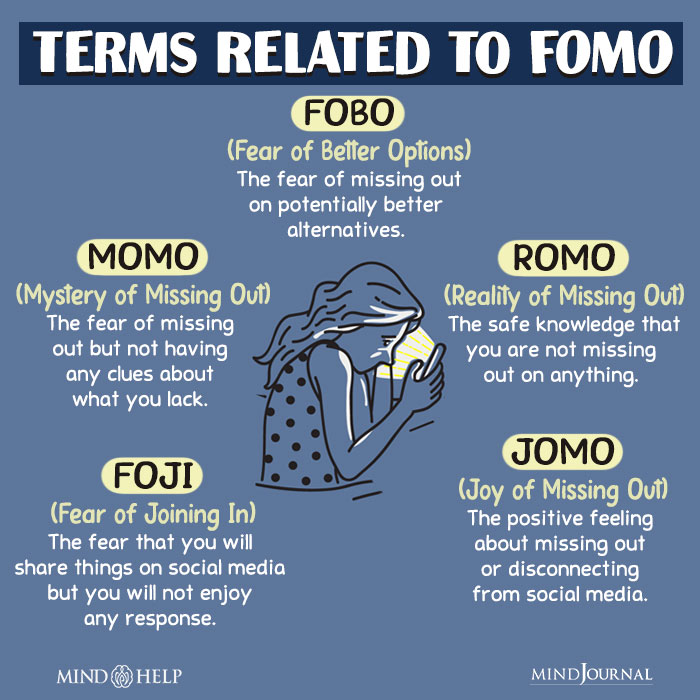
The most effective antidote to FOMO is to actively cultivate its opposite: JOMO, or the Joy of Missing Out. This involves consciously choosing to disengage from the constant stream of information and embracing the present moment. Practicing mindfulness, engaging in activities that bring genuine joy without the need for external validation, and setting boundaries around technology usage are crucial steps. This means putting down the phone during meals, resisting the urge to constantly check notifications, and dedicating time to activities that are fulfilling for their own sake, not for the likes or shares they might garner.

Realigning Your Priorities: Purpose Over Performance
Ultimately, overcoming FOMO requires a shift in focus from external validation to internal purpose. Instead of chasing what others are doing or what appears to be trending, individuals and businesses should prioritize their unique goals, values, and aspirations. This involves asking critical questions: What truly matters to me or my organization? What impact do I want to make? By aligning actions with a clear sense of purpose, the allure of fleeting trends and the anxiety of missing out on perceived opportunities diminish. Investing time and resources in what genuinely contributes to your long-term vision, rather than being swayed by the latest digital siren song, leads to more sustainable success and a greater sense of fulfillment. In essence, it’s about understanding that true progress isn’t about keeping up with everyone else, but about moving forward on your own meaningful path.
aViewFromTheCave is a participant in the Amazon Services LLC Associates Program, an affiliate advertising program designed to provide a means for sites to earn advertising fees by advertising and linking to Amazon.com. Amazon, the Amazon logo, AmazonSupply, and the AmazonSupply logo are trademarks of Amazon.com, Inc. or its affiliates. As an Amazon Associate we earn affiliate commissions from qualifying purchases.