
In the complex ecosystem of modern personal finance, the routing number serves as the foundational address for your capital. Whether you are setting up a direct deposit for a new career opportunity, initiating a wire transfer for a real estate closing, or linking a high-yield savings account to your primary checking, the routing transit number (RTN) is the essential coordinate that ensures your funds arrive at their intended destination.
For customers of Fifth Third Bank, a major financial institution with a significant footprint across the Midwestern and Southeastern United States, understanding which routing number to use is not merely a clerical detail—it is a critical component of secure and efficient money management.

Understanding the Role of the Routing Number in Personal Finance
The American Bankers Association (ABA) created the routing number system in 1910 to streamline the processing of paper checks. Today, these nine-digit codes have evolved into the digital DNA of the United States financial system. A routing number identifies the specific financial institution responsible for a transaction, functioning much like a zip code for a bank.
For Fifth Third Bank clients, the routing number is utilized in several key financial activities:
-
Automated Clearing House (ACH) Transfers: This includes common movements like your employer depositing your paycheck or you paying your monthly utility bills online.
-
Wire Transfers: When you need to move large sums of money rapidly, such as a down payment for a home, the routing number directs the funds through the Federal Reserve’s electronic network.
-
Direct Debits: This allows subscription services or loan providers to pull funds directly from your account.
-
Tax Refunds: When filing with the IRS, providing your Fifth Third routing number ensures your refund is deposited directly into your account rather than sent as a physical check.
Why Fifth Third May Have Multiple Routing Numbers
Unlike smaller community banks, large institutions like Fifth Third Bank often have multiple routing numbers. This is typically a result of historical mergers and acquisitions. As Fifth Third expanded across state lines, it inherited the routing numbers of the banks it acquired. While the bank has consolidated many of these over the years, the correct number to use often depends on the state where you originally opened your account or the specific type of transaction you are performing.
Primary Routing Numbers for Fifth Third Bank
When searching for the routing number for Fifth Third Bank, the most common number used for the majority of transactions (including ACH and domestic wires) is associated with their headquarters in Cincinnati, Ohio. However, geographic nuances still exist.
The Most Common Routing Number
For the vast majority of Fifth Third customers, especially those in the Midwest, the primary routing number is:
042000314
This number is generally accepted for:
-
Direct deposits
-
Automatic bill payments
-
Electronic funds transfers
Regional Variations
Depending on where your account was established, you might be required to use a different number. While Fifth Third has moved toward a more centralized system, legacy accounts in specific regions like Florida, Michigan, or Illinois may occasionally require verification of a specific regional code.
To ensure the highest level of accuracy for your personal finance records, it is always recommended to verify your specific routing number through one of the following official channels:
-
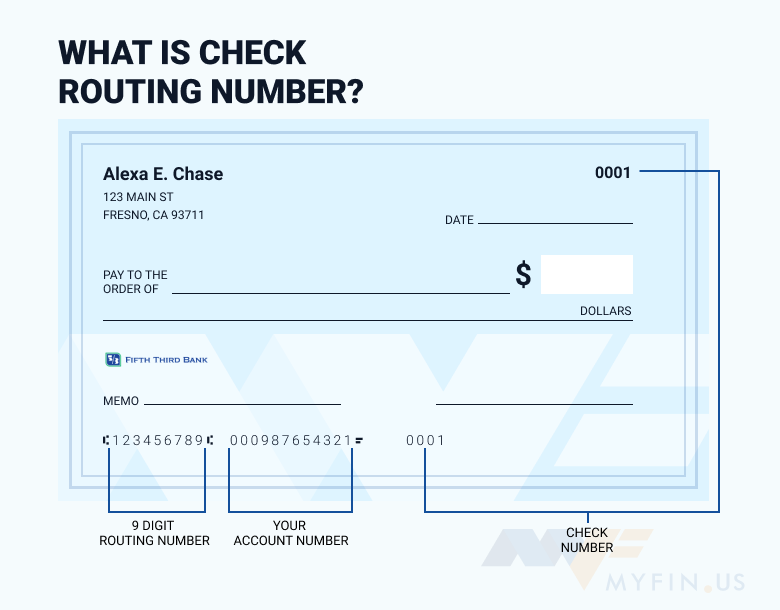
The Bottom of Your Checks: On any standard check provided by Fifth Third, the nine-digit routing number is the first set of numbers printed on the bottom-left corner.
-
The Fifth Third Mobile App: After logging in, select your account and look for “Account Details” or “Routing Information.”
-
Online Banking Portal: Similar to the mobile app, the web interface provides a secure way to view your specific routing and account numbers.
-
Monthly Statements: Your paper or digital statement will typically list the routing number associated with that specific account.
Domestic vs. International Transfers
It is a common point of confusion in business finance to conflate routing numbers with SWIFT codes. While the nine-digit ABA routing number is used for domestic transfers within the U.S., international transfers coming into your Fifth Third account from abroad will require a SWIFT/BIC code. Fifth Third Bank’s primary SWIFT code is FTBKUS33. When receiving international funds, you will provide this code along with your domestic account number and the bank’s physical address.
Managing Your Money: Security and the Routing Number
In the realm of digital security, the routing number is public information; any individual can look up the routing number for a major bank online. However, when combined with your private account number, it becomes a key that can unlock your financial resources. Understanding how to manage this information is a vital skill for maintaining financial health.
Protecting Your Financial Identity
While you must share your routing and account numbers to facilitate transactions like direct deposit, you should treat this information with the same care as your Social Security number. Scammers often use “spoofed” communications to request bank details.
In professional money management, it is wise to follow these security protocols:
-
Use Secure Portals: Only enter your routing and account numbers on encrypted, “https” websites.
-
Monitor Transactions: Regularly review your Fifth Third transaction history for any unauthorized ACH withdrawals.
-
Utilize Positive Pay: For business owners using Fifth Third for corporate finance, “Positive Pay” is a service that matches the account number, check number, and dollar amount of each check presented for payment against a list of checks previously authorized by the company.
The Difference Between Routing and Account Numbers
To the uninitiated, the string of numbers at the bottom of a check can seem like a single identifier. However, for precise financial planning, you must distinguish between them:
-
The Routing Number (First 9 digits): Identifies Fifth Third Bank.
-
The Account Number (Middle digits): Identifies your specific personal or business account.
-
The Check Number (Final digits): Identifies that specific paper document.
When setting up online income streams or side hustles, mistyping a single digit in the routing number can lead to “Returns,” where the money is sent back to the sender. This can cause significant delays in cash flow, which is why double-verifying these numbers is a hallmark of a savvy investor.
Leveraging Fifth Third Tools for Financial Growth
Knowing your routing number is the first step toward automating your financial life. Automation is one of the most effective strategies for building wealth, as it removes the psychological friction associated with saving and investing.
Automating Your Savings and Investments
Once you have identified your Fifth Third routing number, you can use it to create a “frictionless” financial system:
-
Split Direct Deposits: Most employers allow you to split your paycheck between multiple accounts. By using your Fifth Third routing and account numbers, you can direct a percentage of every paycheck into a dedicated investment account or an emergency fund before you ever have the chance to spend it.
-
Linking Brokerage Accounts: Whether you use Vanguard, Fidelity, or a fintech app, linking your Fifth Third checking account via the routing number allows for seamless transfers. This enables “Dollar Cost Averaging,” where you invest a set amount of money at regular intervals regardless of market fluctuations.
-
Credit Card Payments: To maintain a high credit score—a cornerstone of personal finance—use your routing number to set up autopay for your credit cards. This ensures you never miss a payment and avoid the high-interest debt that can derail long-term financial goals.
The Evolution of Financial Tools
As we look toward the future of money, the traditional routing number remains surprisingly resilient. Even as we see the rise of real-time payment systems like FedNow and the growth of peer-to-peer (P2P) apps like Zelle (which Fifth Third supports), the underlying architecture still relies on these established routing protocols.
For the modern consumer, Fifth Third Bank offers a blend of traditional stability and digital convenience. By mastering the basics of their banking infrastructure—starting with the routing number—you position yourself to take full advantage of the bank’s suite of financial products, from basic checking to complex wealth management services.

Conclusion: Accuracy as a Financial Asset
In the world of finance, precision is profit. While searching for “what is the routing number for Fifth Third Bank” may seem like a simple task, it represents your engagement with the broader financial system. By ensuring you have the correct 042000314 (or your specific regional variant), you are safeguarding your transactions, enabling your income streams, and building a foundation for disciplined financial management.
Always remember that while the routing number identifies the bank, your account number identifies your legacy. Keep both secure, use them strategically to automate your wealth-building habits, and consult with a Fifth Third representative if you are ever in doubt about the specific requirements for a high-value transfer. In the fast-paced world of online income and global investing, having your banking details ready is a simple yet powerful way to stay ahead of the curve.
aViewFromTheCave is a participant in the Amazon Services LLC Associates Program, an affiliate advertising program designed to provide a means for sites to earn advertising fees by advertising and linking to Amazon.com. Amazon, the Amazon logo, AmazonSupply, and the AmazonSupply logo are trademarks of Amazon.com, Inc. or its affiliates. As an Amazon Associate we earn affiliate commissions from qualifying purchases.