
In the realm of personal finance, the ability to manage a household budget during times of economic volatility is a critical skill. One of the most significant variable expenses in any budget is the cost of groceries. When income fluctuates or unexpected expenses arise—such as medical bills, car repairs, or job loss—the food budget is often the first area to be squeezed. Utilizing a food pantry is not merely a sign of hardship; it is a strategic financial decision that allows individuals and families to reallocate limited resources toward fixed costs like housing, utilities, and debt obligations. This guide explores the logistical and financial framework of accessing food pantries as a tool for maintaining long-term financial stability.
Integrating Food Assistance into Your Financial Recovery Plan
Navigating a financial crisis requires a holistic approach to cash flow management. When your outflow exceeds your inflow, you must find ways to bridge the gap without accumulating high-interest debt. Food pantries serve as a vital “buffer” in this equation. By reducing your grocery expenditure to near zero, you can divert those funds toward protecting your credit score or avoiding eviction.
The Stigma vs. The Financial Strategy
Many individuals hesitate to use food pantries due to a perceived social stigma. However, from a professional financial perspective, a food pantry is a community resource designed to prevent deeper financial insolvency. Just as a business might use a tax credit or a government grant to stay afloat during a downturn, a household uses a food pantry to preserve its capital. Embracing this resource early can prevent the “downward spiral” where a family sacrifices nutrition, leading to health issues and further financial strain.
Reallocating Saved Capital for Debt Reduction
If the average household spends $500 to $800 per month on groceries, accessing a food pantry can provide an immediate cash infusion of that same amount back into the monthly budget. In the context of personal finance, this is equivalent to a significant “side hustle” or a substantial pay raise. This “found money” should be strategically allocated. For instance, prioritizing a high-interest credit card payment or building a small emergency starter fund can provide a safety net that prevents the need for future assistance.
Navigating the System: Eligibility and Requirements
Understanding the mechanics of the food pantry system is essential for efficient resource management. Not all pantries operate under the same rules, and knowing the requirements beforehand can save time and transportation costs.
Documentation Needed for Application
Most food pantries are managed by non-profit organizations, religious institutions, or local government agencies. While some have an “open door” policy, many require specific documentation to ensure resources are distributed to those in financial need. Commonly requested items include:
-
Proof of Identity: A driver’s license, state ID, or passport.
-
Proof of Residency: A recent utility bill or lease agreement to confirm you live within the pantry’s service area.
-
Proof of Income: Pay stubs, social security award letters, or unemployment documentation.
-
Household Composition: Information regarding the number of dependents in the home, which often dictates the volume of food provided.
Income Thresholds and Asset Tests
Many pantries follow the eligibility guidelines set by The Emergency Food Assistance Program (TEFAP), which are often tied to the Federal Poverty Level (FPL). Typically, if your household income falls below 130% to 200% of the FPL, you will qualify for assistance. Unlike some government welfare programs, many local food pantries do not perform “asset tests,” meaning you can still have a car or a modest savings account and qualify for food based solely on your current monthly income.
Types of Food Support Programs and Their Financial Impact
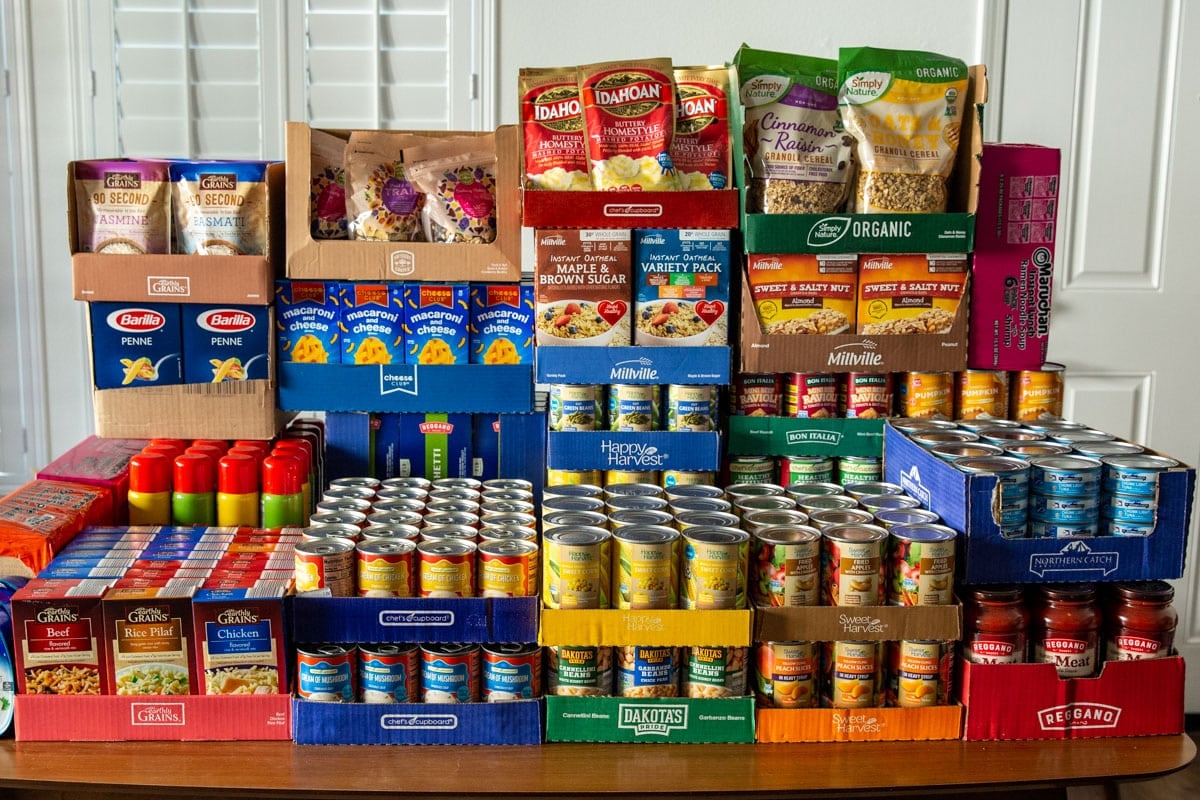
The landscape of food assistance is diverse, ranging from small “micro-pantries” to massive regional food banks. Choosing the right type of support can impact your schedule and the quality of nutrition you receive.
Community-Based Pantries and Banks
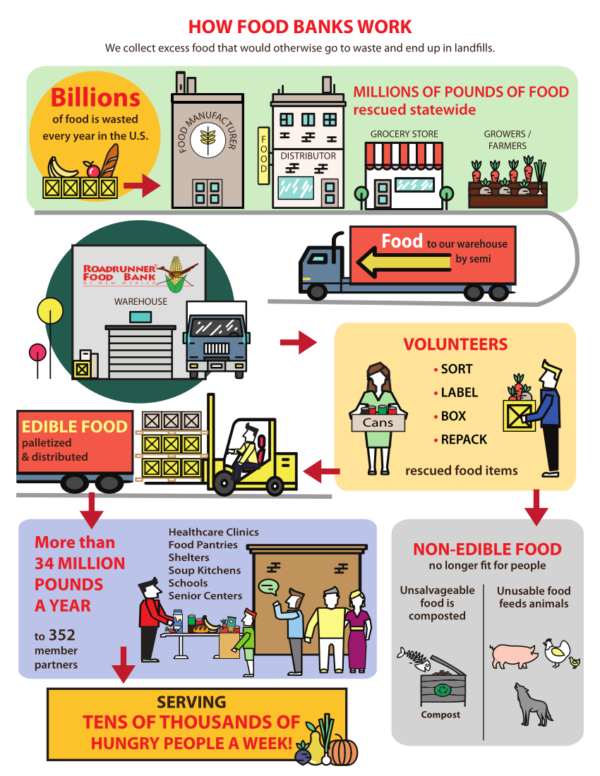
Local pantries are usually the most accessible. They often operate on a “choice model,” which allows you to select items that fit your family’s dietary needs, much like a traditional grocery store. This model is financially superior because it minimizes waste—you only take what you will actually eat. Regional food banks, on the other hand, act as the wholesalers for these smaller pantries. Understanding the relationship between the two can help you find “mobile pantries” that may visit your neighborhood on a monthly basis, providing bulk items like frozen meats and fresh produce.
Federal Assistance: SNAP and WIC Integration
A food pantry should be viewed as one component of a broader financial toolkit. It is often most effective when used in conjunction with the Supplemental Nutrition Assistance Program (SNAP) and the Special Supplemental Nutrition Program for Women, Infants, and Children (WIC). While SNAP provides a monthly electronic benefit transfer (EBT) card for use at retail stores, it may not cover the full cost of a healthy diet. Using a food pantry to supplement SNAP benefits allows you to use your EBT balance for specialty items or fresh goods that the pantry might not provide, effectively stretching your purchasing power.
Strategic Logistics: How to Maximize the Benefit
To treat the use of a food pantry as a professional financial move, one must apply the principles of inventory management and logistics. This ensures that the time invested in visiting a pantry yields the highest possible return on investment.
Inventory Management at Home
Before visiting a pantry, perform a “pantry audit” of your own kitchen. Knowing exactly what staples you already have—such as rice, flour, or canned goods—prevents you from taking redundant items. This leaves more for others and prevents clutter in your home. Once you return from the pantry, practice the “First In, First Out” (FIFO) method of inventory management used in the restaurant industry. Place newer items at the back of the shelf and older items at the front to ensure nothing expires and your “assets” are fully utilized.
Understanding Distribution Models
Distribution models vary significantly. Some pantries require an appointment, while others operate on a first-come, first-served basis. From a time-management perspective, appointments are preferable as they reduce the opportunity cost of waiting in line. Additionally, some pantries offer “drive-through” services, which can be a more time-efficient way to receive bulk items. Be sure to check if the pantry offers “proxies,” which allows a friend or family member to pick up food on your behalf if your work schedule conflicts with distribution hours.
Long-Term Financial Health Beyond the Pantry
The ultimate goal of utilizing financial tools like food pantries is to reach a point of self-sufficiency where these resources are no longer needed. This transition requires disciplined financial planning and a commitment to long-term goals.
Building an Emergency Buffer
As your financial situation stabilizes, the money previously saved on groceries should be transitioned into a high-yield savings account. Financial experts recommend having three to six months of expenses in an emergency fund. By continuing to use the pantry for a short period even after your income increases, you can accelerate the growth of this fund, providing a permanent shield against future volatility.

Transitioning Back to Self-Sufficiency
When your budget allows you to return to traditional grocery shopping, it is important to do so gradually. Start by purchasing only the items that the pantry could not provide, such as fresh dairy or specific proteins. As your “grocery line item” becomes a permanent part of your budget again, continue to apply the frugal habits learned during the period of assistance. Meal planning, bulk purchasing, and avoiding brand-name items are financial habits that serve you well regardless of your income level.
In conclusion, accessing a food pantry is a sophisticated method of managing a household’s bottom line during lean times. By understanding the eligibility requirements, optimizing the logistics of food distribution, and strategically reallocating the saved funds, individuals can protect their overall financial health. It is a temporary bridge to a more secure financial future, ensuring that the most basic of human needs—nutrition—does not become a liability that compromises long-term prosperity.
aViewFromTheCave is a participant in the Amazon Services LLC Associates Program, an affiliate advertising program designed to provide a means for sites to earn advertising fees by advertising and linking to Amazon.com. Amazon, the Amazon logo, AmazonSupply, and the AmazonSupply logo are trademarks of Amazon.com, Inc. or its affiliates. As an Amazon Associate we earn affiliate commissions from qualifying purchases.