
In the rapidly evolving landscape of personal finance, few applications have sparked as much discussion, innovation, and occasional controversy as Robinhood. Launched in 2013, this mobile-first brokerage platform fundamentally reshaped how millions of retail investors engage with financial markets. At its core, Robinhood is a financial technology (fintech) application designed to facilitate commission-free trading of stocks, exchange-traded funds (ETFs), options, and cryptocurrencies. Its mission, to “democratize finance for all,” resonated deeply with a new generation of investors often alienated by the high fees and complex interfaces of traditional brokerages.
Before Robinhood, the idea of trading stocks without paying a per-trade commission was largely unheard of for individual investors. Brokerage fees, even those as low as $5-$10 per trade, could significantly erode returns, especially for those investing smaller sums or engaging in frequent transactions. Robinhood’s disruptive model eliminated these direct costs, lowering the barrier to entry for millions and igniting a shift across the entire brokerage industry. This article delves into the Robinhood app, exploring its financial mechanisms, its impact on personal investing, and the broader implications for market accessibility and financial literacy.

The Dawn of Commission-Free Investing: Robinhood’s Core Proposition
Robinhood emerged as a trailblazer by challenging the fundamental revenue model of the brokerage industry. By offering commission-free trades, it not only attracted a massive user base but also forced established players to adapt, ultimately leading to a widespread elimination of trading commissions across the board. This strategic move wasn’t just about cost savings; it was about fundamentally reshaping the perception of investing for the average person.
Democratizing Access to Financial Markets
The primary allure of Robinhood lies in its ability to make investing accessible to nearly anyone with a smartphone and a modest amount of capital. Traditional investing often carried an intimidating aura, perceived as a domain reserved for the wealthy or financially sophisticated. Robinhood’s streamlined onboarding process, intuitive user interface, and absence of minimum account balances (for most accounts) effectively tore down these barriers. Suddenly, opening a brokerage account and making your first investment became as simple as downloading an app and a few taps. This accessibility is crucial for fostering broader financial participation, allowing individuals from diverse economic backgrounds to potentially build wealth through market engagement.
Shifting the Paradigm of Investment Costs
Prior to Robinhood, every trade, buy or sell, typically incurred a commission fee. For an investor with $100 looking to buy shares, a $7 commission meant losing 7% of their capital before the investment even had a chance to perform. This made small-scale, diversified investing practically impossible. Robinhood’s zero-commission model eliminated this friction, making it financially viable for users to buy a single share, or even fractional shares, without being penalized by transaction costs. This shift empowered investors with limited capital to diversify their portfolios more effectively and experiment with different investment strategies without the overhead of fees eating into their returns. The ripple effect of this innovation forced competitors to drop their own commissions, fundamentally altering the economics of retail trading.
User Experience and Accessibility for New Investors
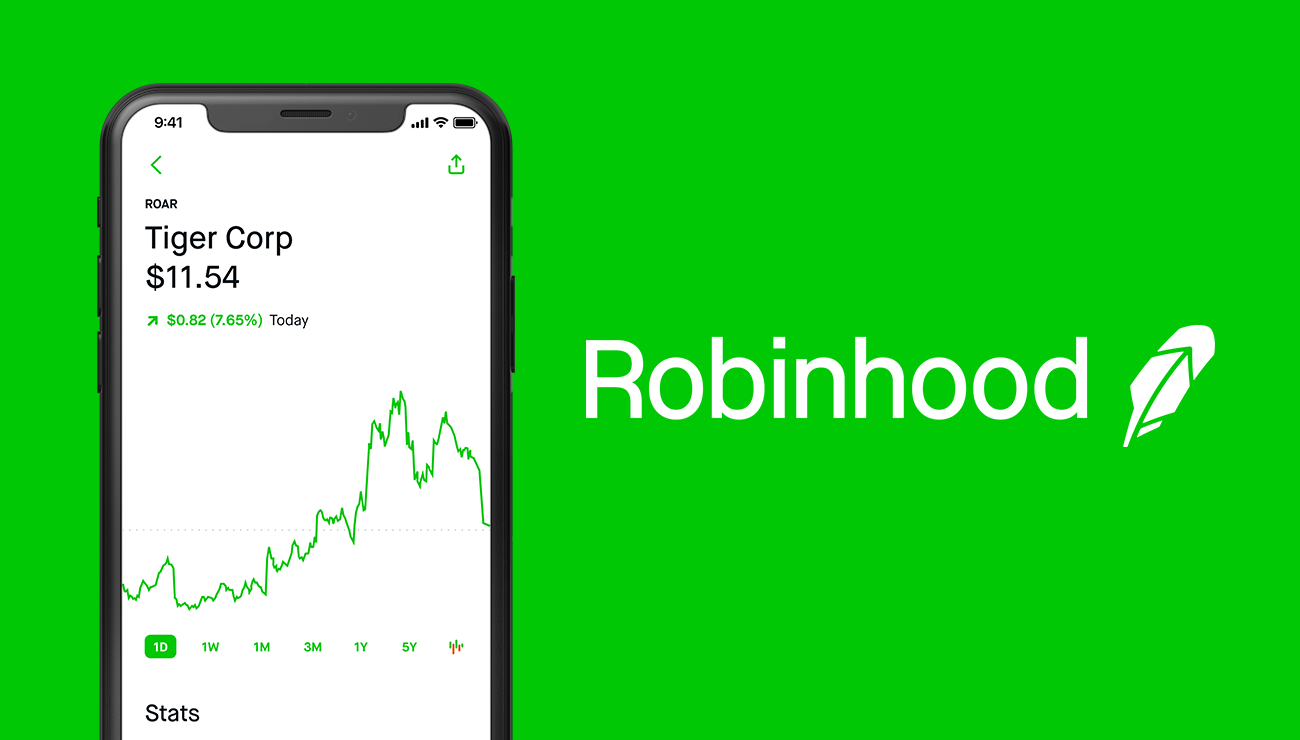
Beyond just cost, Robinhood’s design philosophy played a significant role in its appeal. Its user interface is minimalist, gamified in some aspects, and incredibly easy to navigate. This stands in stark contrast to the often-complex, data-heavy platforms offered by legacy brokers. For new investors, particularly younger demographics accustomed to app-based interactions, Robinhood provided a familiar and comfortable environment. Features like simplified charts, news feeds, and personalized watchlists are presented in an engaging manner, making the learning curve for market mechanics far less steep. This focus on user experience has been instrumental in attracting millions who might otherwise have found the world of investing daunting.
Navigating the Investment Landscape with Robinhood
Robinhood isn’t just about commission-free stock trading; it offers a diversified suite of financial products that cater to various investment appetites, from conservative stock purchases to more speculative options and cryptocurrency trades. Understanding these offerings is key to leveraging the platform for personal financial goals.
Core Investment Products: Stocks, ETFs, and Options
The bread and butter of Robinhood’s offering began with stocks and ETFs. Users can buy and sell shares of publicly traded companies, from tech giants to emerging market players, with real-time market data. ETFs, which are collections of stocks or other assets, provide an easy way to diversify across industries or entire markets with a single purchase. Robinhood also offers access to options trading, a more complex financial instrument that allows investors to speculate on the future price movements of an underlying asset. While options can offer significant leverage and potential returns, they also carry substantially higher risk and are generally recommended for more experienced investors with a thorough understanding of their mechanics.
Exploring Cryptocurrency Trading
Responding to growing user demand, Robinhood expanded its offerings to include cryptocurrency trading through Robinhood Crypto. This allows users to buy, sell, and hold popular cryptocurrencies such as Bitcoin, Ethereum, and Dogecoin alongside their traditional stock portfolios. The integration of crypto trading within the same user-friendly app made it incredibly simple for traditional investors to dip their toes into the volatile world of digital assets. While convenient, it’s crucial for investors to understand the unique risks associated with cryptocurrency, including extreme price fluctuations and regulatory uncertainty, distinct from traditional equities.
Advanced Features for Modern Investors: Fractional Shares and Recurring Investments
To further enhance accessibility and promote sound financial habits, Robinhood introduced features like fractional shares and recurring investments. Fractional shares allow investors to buy a portion of a share of stock, meaning they can invest a specific dollar amount (e.g., $5) into a high-priced stock like Amazon or Google, rather than having to purchase an entire share. This innovation dramatically lowers the entry point for blue-chip investments and makes diversification more attainable for smaller portfolios.
Recurring investments enable users to set up automatic, scheduled purchases of stocks, ETFs, or cryptocurrencies. This feature supports a dollar-cost averaging strategy, where an investor buys assets regularly over time, regardless of price fluctuations. This approach can help mitigate the impact of market volatility and foster disciplined, long-term wealth building, which is a cornerstone of prudent personal finance.
Cash Management and Supplementary Financial Tools
Beyond trading, Robinhood has ventured into broader financial services. Its “Cash Management” feature offers users a debit card and high-yield interest on uninvested cash, akin to a checking or savings account. This further integrates the platform into users’ daily financial lives, positioning Robinhood as a more holistic financial tool rather than just a trading app. While these offerings provide convenience, investors should compare interest rates and features with traditional banking options to ensure they align with their overall financial strategy.

The Financial Implications and Investor Profile
Robinhood’s design and offerings have profound financial implications, influencing how individuals approach investment, manage risk, and perceive long-term wealth building. It has cultivated a distinct investor profile, often characterized by a willingness to engage with markets more frequently and sometimes with a higher risk tolerance.
Benefits for the Budget-Conscious and Entry-Level Investor
For individuals with limited capital, Robinhood is a game-changer. The absence of commissions means every dollar invested goes directly into assets, maximizing potential returns for small portfolios. Fractional shares further empower budget-conscious investors to diversify across expensive stocks that would otherwise be out of reach. This low barrier to entry makes it an ideal starting point for entry-level investors looking to learn the ropes of the market without significant financial commitment or fear of prohibitive fees. It allows them to experiment, learn from mistakes on a smaller scale, and gradually build their financial acumen.
Understanding Risk and Reward on a Simplified Platform
While Robinhood excels at simplifying the act of investing, it also places a significant onus on the user to understand the inherent risks involved. The platform’s ease of use and instant gratification elements can sometimes overshadow the complexities and potential downsides of market speculation, particularly with volatile assets like options and certain cryptocurrencies. Investors must be diligent in their research and understand that while the platform makes trading easy, it does not mitigate market risk. For instance, options trading can lead to rapid and substantial losses if not managed carefully, and cryptocurrency prices can swing wildly in short periods.
The Allure of Immediate Gratification vs. Long-Term Financial Planning
Robinhood’s immediate execution and “gamified” elements, such as celebratory confetti after a trade, have drawn both praise for engagement and criticism for potentially encouraging short-term speculative behavior over long-term financial planning. While the platform offers tools for recurring investments and long-term holding, its rapid execution and easy access can tempt some users into frequent, high-risk trades driven by market sentiment or social media trends, rather than fundamental analysis or strategic asset allocation. A balanced approach requires discipline, using the platform’s efficiency for strategic investment rather than impulsive trading.
Comparing Robinhood to Traditional Brokerages: A Cost-Benefit Analysis
When weighing Robinhood against traditional brokerages, the cost-benefit analysis extends beyond mere commissions. While traditional brokers may have higher fees (though many have matched Robinhood’s zero-commission model), they often offer a wider array of research tools, advanced analytical features, and personalized financial advisory services. Robinhood’s strength lies in its simplicity and cost-effectiveness for self-directed investors. However, those requiring in-depth market analysis, complex charting tools, or professional guidance for comprehensive financial planning might find traditional platforms more suitable, even if the direct trading costs are now similar. The “best” platform often depends on an individual’s investment sophistication, financial goals, and preferred level of support.
Robinhood’s Impact on Personal Finance and Market Dynamics
Robinhood’s meteoric rise has not been without significant consequences, shaping not only individual financial habits but also influencing broader market dynamics and attracting intense regulatory scrutiny.
Fostering Financial Literacy and Engagement
By making investing more accessible and engaging, Robinhood has arguably played a role in increasing financial literacy among demographics that previously felt excluded from capital markets. Its simple interface and readily available news feeds can encourage users to learn about companies, economic indicators, and investment strategies. The sheer number of new investors entering the market via Robinhood signifies a cultural shift where understanding personal finance and market participation is becoming more mainstream. This newfound engagement, when coupled with responsible education, can empower individuals to take greater control of their financial futures.
The Debate Around “Gamification” and Responsible Investing
One of the most contentious aspects of Robinhood’s design is its perceived “gamification” of investing. Features like push notifications, leaderboards, and simplified visuals have been criticized for potentially encouraging excessive or risky trading behavior, particularly among inexperienced investors. Critics argue that by making investing feel like a game, the platform might inadvertently downplay the serious financial risks involved, leading to poor decision-making. Robinhood, on its part, has introduced educational resources and safety features to promote responsible investing, but the debate continues regarding the balance between engaging design and fostering prudent financial habits.
Regulatory Scrutiny and Investor Protection Concerns
Robinhood’s rapid growth and unique operational model have placed it under considerable regulatory scrutiny. Key areas of concern include “payment for order flow” (PFOF), where Robinhood routes customer orders to market makers who pay for the privilege. While this mechanism allows Robinhood to offer commission-free trades, regulators have questioned its transparency and whether it always ensures the best possible execution prices for retail investors. The platform has also faced fines and criticism over system outages during periods of high market volatility and its handling of complex financial products like options, leading to calls for stricter investor protection measures and enhanced financial education.
The Future of Retail Investing: A Post-Robinhood Era
Regardless of its controversies, Robinhood has undeniably left an indelible mark on the financial industry. It catalyzed the commission-free trading revolution, forcing competitors to adapt and fundamentally altering the cost structure of investing. It has introduced millions to the stock market, broadening financial participation and engagement. Looking forward, the “post-Robinhood era” will likely see continued innovation in fintech, with a focus on blending accessibility, sophisticated tools, and robust investor protection. The challenge for platforms like Robinhood and its successors will be to maintain an engaging user experience while rigorously promoting financial literacy and responsible investment practices.
Conclusion: Robinhood’s Enduring Legacy in Personal Finance
The Robinhood app represents a significant chapter in the democratization of personal finance. By pioneering commission-free trading and offering an intuitive mobile experience, it successfully lowered the barriers to entry for millions of new investors, making stock market participation more accessible than ever before. While it has faced its share of controversies regarding its business model and the “gamification” of investing, its impact on the retail brokerage industry is undeniable.
Robinhood has empowered individuals to take greater control of their investment journeys, offering a simplified gateway to stocks, ETFs, options, and cryptocurrencies, complemented by features like fractional shares and recurring investments that support diversified and disciplined wealth building. For budget-conscious and entry-level investors, it remains a powerful tool. However, its ease of use also underscores the crucial need for investors to couple platform proficiency with a robust understanding of market risks and long-term financial planning principles. As the financial landscape continues to evolve, Robinhood’s legacy will be defined not just by its disruptive innovations, but also by its ongoing role in shaping how individuals engage with, understand, and ultimately manage their personal finances in a digital age.
aViewFromTheCave is a participant in the Amazon Services LLC Associates Program, an affiliate advertising program designed to provide a means for sites to earn advertising fees by advertising and linking to Amazon.com. Amazon, the Amazon logo, AmazonSupply, and the AmazonSupply logo are trademarks of Amazon.com, Inc. or its affiliates. As an Amazon Associate we earn affiliate commissions from qualifying purchases.