
Embarking on the journey of entrepreneurship is an exhilarating prospect, brimming with potential for innovation, personal growth, and financial independence. However, the path from a nascent idea to a thriving enterprise is paved with crucial decisions, none more fundamental than those pertaining to finance. For any aspiring company founder, understanding and mastering the financial intricacies of business launch and operation is not merely an advantage; it is an absolute necessity. This comprehensive guide will navigate you through the essential financial considerations, strategies, and tools required to build a resilient and profitable company from the ground up, ensuring your venture is built on a solid monetary foundation.

Laying the Financial Foundation: Initial Planning & Capital
Before a single product is sold or a service rendered, the financial groundwork for your company must be meticulously laid. This initial phase involves critical foresight and honest assessment, setting the stage for all subsequent financial decisions.
Defining Your Business Model and Financial Projections
Every successful company begins with a clear vision and a viable business model. This model dictates how your company will create, deliver, and capture value, and critically, how it will generate revenue and profit. A robust business model must translate into concrete financial projections. This involves forecasting your sales volume, pricing strategy, cost of goods sold (COGS), operating expenses, and ultimately, your projected profit and loss statement, balance sheet, and cash flow statement for the first 3-5 years. These projections, while estimates, provide a roadmap and a benchmark against which to measure future performance. They are instrumental not only for internal planning but also for attracting external investors and lenders. Understanding your target market, competitive landscape, and unique value proposition will heavily influence the realism and attractiveness of these financial forecasts.
Estimating Startup Costs: A Comprehensive Overview
One of the most common pitfalls for new businesses is underestimating the true cost of getting off the ground. Startup costs encompass every expense incurred before your company can generate significant revenue. This typically includes legal and registration fees (incorporation, permits, licenses), intellectual property protection (trademarks, patents), initial inventory or equipment purchases, office rent and utilities (if applicable), technology infrastructure (software, hardware, website development), marketing and branding efforts, and initial salaries or contractor fees. It’s also crucial to account for working capital—the money needed to cover operating expenses before revenue fully kicks in. A detailed itemization of these costs will provide a clear picture of the initial capital required and prevent mid-launch financial crises. Always add a contingency fund (typically 15-20% of your total estimated costs) to account for unforeseen expenses.
Personal Financial Preparedness: Bridging the Gap
While your company’s finances are distinct from your personal finances, there’s often an intersection, especially in the early stages. Many entrepreneurs fund their initial startup costs using personal savings, or they may need to support themselves without a regular salary for a period. Assessing your personal financial readiness is therefore paramount. This includes evaluating your personal savings, emergency fund, current income streams, and monthly living expenses. Understand how long you can comfortably sustain yourself without drawing a significant salary from your new venture. Creating a personal budget and perhaps even building up a financial buffer can alleviate stress and allow you to focus more intently on your company’s growth rather than immediate personal financial pressures.
Funding Your Venture: Securing the Necessary Capital
Once you have a clear understanding of your capital requirements, the next step is to secure the necessary funds. This often involves exploring various financing avenues, each with its own advantages and disadvantages.
Self-Funding (Bootstrapping) and Personal Savings
Bootstrapping involves funding your company primarily through your personal savings, initial sales revenue, and by minimizing expenses wherever possible. It is often the preferred method for many entrepreneurs as it allows for complete ownership and control, avoiding the dilution of equity or the burden of debt. While it may slow initial growth, it fosters financial discipline and resourcefulness. Personal savings, loans from family and friends, or even selling personal assets can form the backbone of a bootstrapped venture. This method demands a lean operational approach, prioritizing essential expenditures and reinvesting profits judiciously.
Debt Financing: Loans and Lines of Credit
Debt financing involves borrowing money that must be repaid, typically with interest, over a specified period. Common sources include traditional bank loans, small business administration (SBA) loans, or lines of credit. Bank loans often require a solid business plan, collateral, and a good personal credit score. SBA loans are government-backed and can offer more favorable terms to small businesses. A line of credit provides flexibility, allowing you to borrow up to a certain limit as needed, which can be ideal for managing cash flow fluctuations. The advantage of debt financing is that you retain full ownership of your company; however, it adds fixed monthly payments and interest obligations, which can strain a young company’s cash flow if not managed carefully.
Equity Financing: Angel Investors and Venture Capital
Equity financing involves selling a portion of your company’s ownership (equity) to investors in exchange for capital. Angel investors are high-net-worth individuals who invest their own money, often taking a hands-on mentorship role. Venture capitalists (VCs) are firms that invest institutional money in high-growth potential companies, usually in exchange for a significant equity stake and often board representation. This route can provide substantial capital, strategic guidance, and valuable networks, accelerating growth. However, it means giving up a share of your ownership and control, and you will be accountable to your investors for returns. The valuation of your company at the time of investment is a critical negotiation point in equity financing.
Exploring Grants and Crowdfunding
Beyond traditional debt and equity, other funding avenues exist. Government grants, often provided to businesses in specific industries or those addressing particular social or economic needs, offer non-dilutive capital (money you don’t have to repay or give up equity for). These can be highly competitive and often come with strict application processes and reporting requirements. Crowdfunding platforms allow you to raise small amounts of money from a large number of people, often through pre-orders (rewards-based crowdfunding) or by offering a share of future profits or equity (equity crowdfunding). Crowdfunding can also serve as a powerful marketing tool, building a community around your product or service even before launch.
Managing Business Finances: From Launch to Growth
Securing capital is only the beginning. Effective financial management is an ongoing process crucial for sustainability, profitability, and growth.
Setting Up Your Business Bank Accounts
Separating personal and business finances is a golden rule. Open dedicated business bank accounts (checking and savings) as soon as your company is legally registered. This simplifies accounting, provides a clear financial record for tax purposes, and projects a professional image. Consider accounts that offer features tailored to businesses, such as online banking, multiple user access, and integration with accounting software. Some banks also offer small business lending or credit lines that can be beneficial as your company matures.
Budgeting and Cash Flow Management
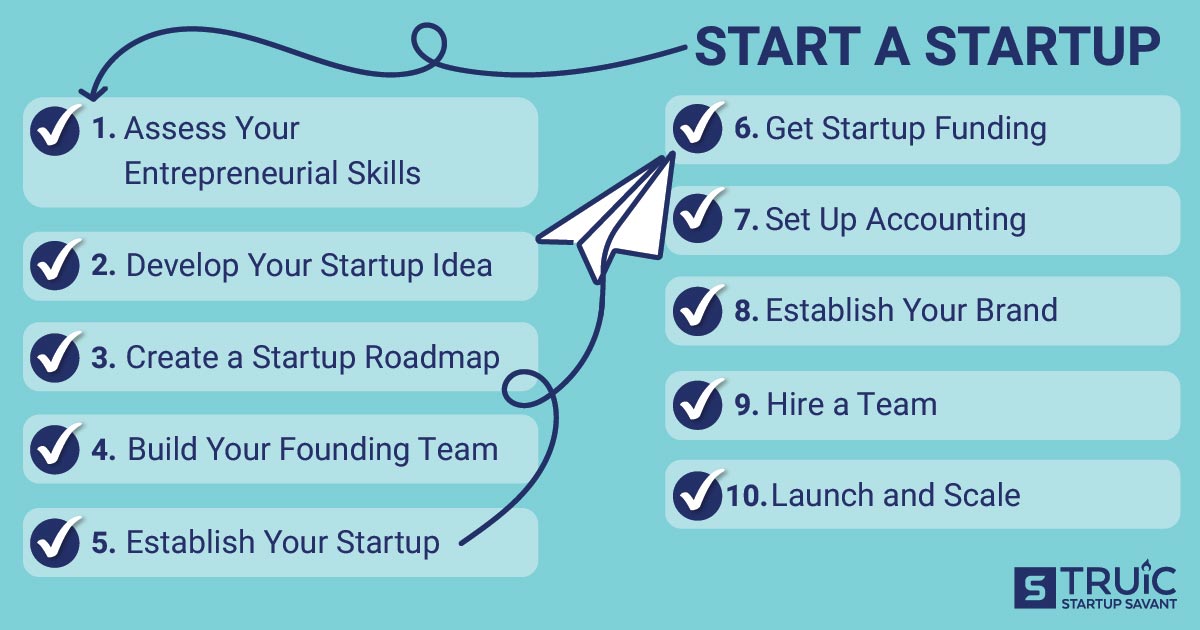
A detailed budget is your financial roadmap, outlining projected income and expenses over a specific period. It helps you allocate resources effectively, identify potential shortfalls, and monitor actual spending against planned spending. Equally important is rigorous cash flow management. Cash flow is the movement of money in and out of your business. Positive cash flow means more money is coming in than going out, which is vital for paying bills, employees, and suppliers. Implement strategies to optimize cash flow, such as managing accounts receivable (collecting payments promptly), negotiating favorable payment terms with suppliers, and maintaining a cash reserve for lean periods. Understanding your cash conversion cycle – the time it takes to convert investments in inventory and resources into cash from sales – is also key.
Understanding Financial Statements: P&L, Balance Sheet, Cash Flow
As your company operates, it will generate crucial financial statements: the Profit and Loss (P&L) statement, the Balance Sheet, and the Cash Flow Statement. The P&L (or Income Statement) shows your revenues, expenses, and net profit or loss over a period (e.g., a quarter or year). The Balance Sheet provides a snapshot of your company’s assets, liabilities, and owner’s equity at a specific point in time. The Cash Flow Statement tracks the movement of cash, categorized into operating, investing, and financing activities. Learning to read and interpret these statements is essential for making informed business decisions, assessing financial health, and identifying areas for improvement.
Navigating Tax Obligations and Compliance
Understanding and adhering to tax regulations is a non-negotiable aspect of running a company. This includes federal, state, and local income taxes, sales taxes, payroll taxes, and potentially industry-specific taxes. Proper record-keeping is critical for accurate tax filings. It is highly advisable to consult with a qualified accountant or tax professional early on to set up appropriate tax structures, understand your obligations, and ensure compliance. Ignoring tax responsibilities can lead to severe penalties, audits, and damage to your company’s reputation. Staying informed about changes in tax law is also crucial for ongoing compliance.
Revenue Generation and Profitability: Sustaining Your Enterprise
Ultimately, the long-term viability of your company hinges on its ability to consistently generate revenue and achieve profitability. This requires strategic thinking and continuous optimization.
Pricing Strategies for Your Products or Services
Pricing is a delicate balance between covering costs, achieving profitability, and remaining competitive while delivering value to your customers. Various pricing strategies exist, including cost-plus pricing (cost + markup), value-based pricing (what customers are willing to pay for perceived value), competitive pricing (matching or beating competitors), and psychological pricing. Your chosen strategy should align with your business model, target market, and overall brand positioning. Regularly review and adjust your pricing based on market feedback, cost changes, and competitive dynamics. Dynamic pricing models can also be employed in certain industries to maximize revenue based on demand.
Cost Management and Operational Efficiency
While revenue generation is vital, controlling costs is equally important for profitability. Implement robust cost management practices from day one. This involves regularly reviewing all expenses, identifying areas for reduction without compromising quality or service, and negotiating better deals with suppliers. Operational efficiency plays a significant role here; streamlining processes, automating tasks, and optimizing resource utilization can reduce waste and lower operational costs. For instance, inventory management systems can minimize holding costs, and efficient supply chains can reduce logistics expenses. A lean operating model ensures that every dollar spent contributes effectively to your company’s value proposition.
Monitoring Key Financial Performance Indicators (KPIs)
To truly understand your company’s financial health and trajectory, you must identify and regularly monitor key financial performance indicators (KPIs). These are measurable values that demonstrate how effectively your company is achieving its business objectives. Relevant KPIs might include gross profit margin, net profit margin, customer acquisition cost (CAC), customer lifetime value (CLTV), burn rate (how quickly you’re spending cash), return on investment (ROI), and churn rate. Tracking these metrics provides actionable insights, allowing you to identify trends, make data-driven decisions, and proactively address potential issues before they escalate.
Strategies for Reinvestment and Growth
Achieving profitability opens up new opportunities for growth, but it requires strategic reinvestment. Deciding how much profit to reinvest back into the business versus distributing to owners or shareholders is a critical decision. Reinvestment can take many forms: expanding product lines, investing in research and development, upgrading technology, increasing marketing spend, hiring more staff, or expanding into new markets. A balanced approach that ensures sufficient working capital while fueling strategic growth initiatives is paramount. Growth should always be financially sustainable, meaning it doesn’t overextend the company’s resources or compromise its long-term financial stability.
Leveraging Financial Tools and Strategies for Success
In today’s digital age, a plethora of tools and professional advice can significantly simplify and enhance your financial management processes.
Utilizing Accounting Software and Financial Management Platforms
Gone are the days of manual ledgers and spreadsheets for most businesses. Modern accounting software like QuickBooks, Xero, FreshBooks, or Zoho Books automates tasks such as invoicing, expense tracking, payroll processing, and financial reporting. These platforms provide real-time insights into your financial health, streamline tax preparation, and often integrate with other business tools. Choosing the right software based on your company’s size, complexity, and specific needs can save countless hours, reduce errors, and provide a clearer financial picture. Many also offer features for inventory management, project tracking, and even CRM functions, consolidating various aspects of your operations.
The Role of Financial Advisors and Accountants
While accounting software is powerful, it doesn’t replace the expertise of human professionals. A qualified accountant can help you set up your chart of accounts correctly, provide strategic tax planning advice, ensure compliance with complex regulations, and prepare accurate financial statements. A financial advisor, on the other hand, can offer broader strategic guidance on investment decisions, cash flow optimization, risk management, and long-term financial planning for your company. Engaging these professionals early can prevent costly mistakes, identify opportunities, and free you to focus on core business operations. They are invaluable partners in navigating the complexities of business finance.
Risk Management and Insurance Considerations
Every company faces financial risks, from operational disruptions and legal liabilities to market fluctuations and natural disasters. A robust risk management strategy is essential. This includes identifying potential risks, assessing their impact, and developing mitigation plans. Insurance plays a critical role in transferring certain risks. Consider essential coverages such as general liability insurance, property insurance, workers’ compensation insurance, professional liability (E&O) insurance, and potentially cybersecurity insurance depending on your industry. Investing in appropriate insurance policies protects your company’s assets and provides a financial safety net against unforeseen events that could otherwise derail your venture.

Planning for Future Financial Milestones and Exit Strategies
A successful company is built with a long-term perspective. This includes planning for significant financial milestones like scaling operations, securing additional rounds of funding, or potentially acquiring other businesses. Equally important, even from the outset, is considering potential exit strategies. Will you sell the company, pass it down to family, go public, or liquidate? Having an eventual exit strategy in mind can influence financial decisions throughout your company’s lifecycle, from how you structure your ownership to how you build your asset base. Strategic financial planning ensures that your company remains adaptable and positioned for sustained success, whatever its future may hold.
Starting a company is an ambitious undertaking, but by prioritizing financial planning and management, you can significantly enhance your chances of success. From the initial capital assessment to ongoing cash flow management, revenue generation, and strategic growth, a diligent focus on your financial blueprint will not only ensure survival but also pave the way for a truly impactful and profitable enterprise.
aViewFromTheCave is a participant in the Amazon Services LLC Associates Program, an affiliate advertising program designed to provide a means for sites to earn advertising fees by advertising and linking to Amazon.com. Amazon, the Amazon logo, AmazonSupply, and the AmazonSupply logo are trademarks of Amazon.com, Inc. or its affiliates. As an Amazon Associate we earn affiliate commissions from qualifying purchases.