
In the dynamic world of technology, where innovation is constant and progress is measured in iterations, understanding cause and effect is paramount. At the heart of this understanding lies a fundamental concept borrowed from scientific inquiry: the “responding variable.” Often referred to as the dependent variable, the responding variable represents the outcome, effect, or result that is observed and measured in response to changes or manipulations in another factor. In essence, it’s what changes because something else changed.
While its origins are rooted in empirical science, the responding variable is a cornerstone of modern technological development, from software engineering and artificial intelligence to digital security and user experience design. It provides the crucial metric that tells us whether a new feature works, an algorithm is effective, or a system is performing as expected. Without a clear understanding and meticulous measurement of responding variables, technological advancement would be a shot in the dark, lacking the data-driven insights necessary for true innovation and optimization. This article delves into the critical role of responding variables across various tech domains, exploring how their identification and analysis are indispensable for building smarter, more efficient, and user-centric digital solutions.
The Foundation: Understanding Variables in a Digital Context
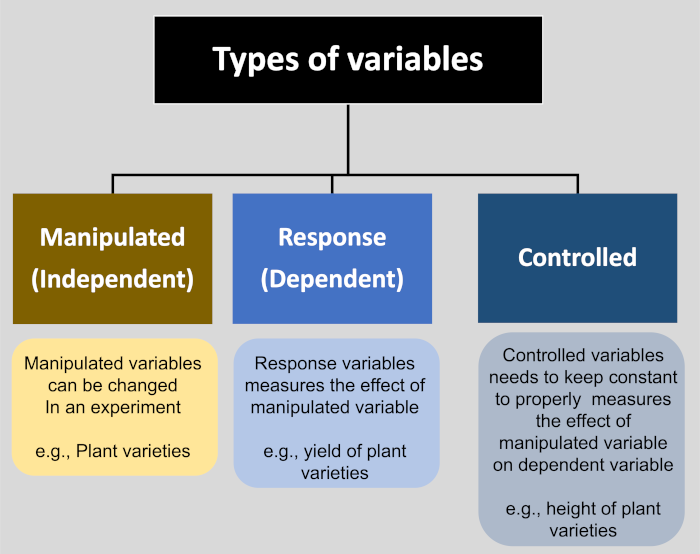
Before diving into specific technological applications, it’s essential to grasp the core concepts of variables and their interplay. This scientific framework provides the bedrock for rigorous experimentation and data analysis in any field, including technology.
Independent vs. Responding Variables: The Core Relationship
At the heart of any systematic investigation lies the distinction between independent and responding variables.
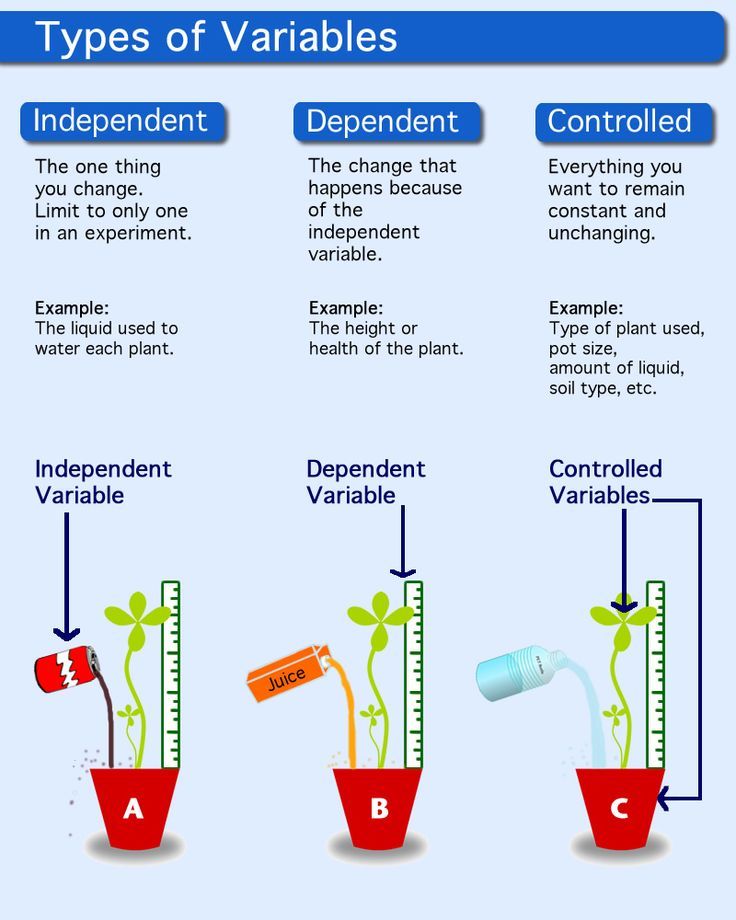
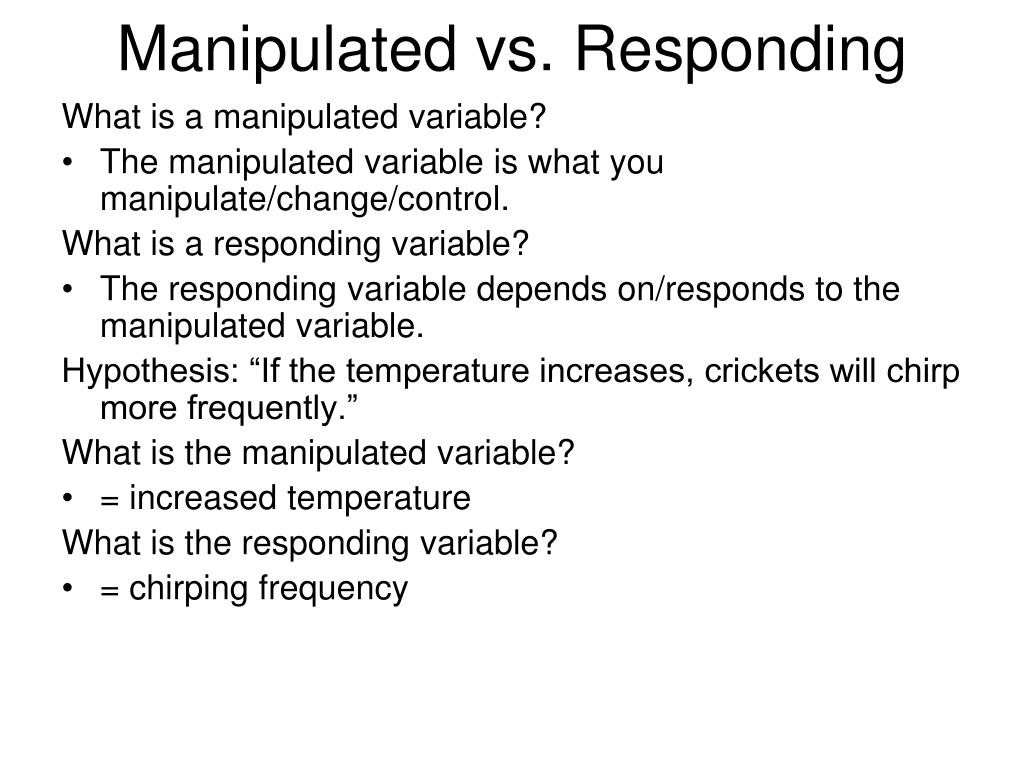
The independent variable (IV) is the factor that is manipulated, changed, or controlled by the experimenter. It is the presumed cause. In technology, this could be a new line of code, an updated algorithm, a different user interface layout, or a specific input to an AI model.
The responding variable (RV), conversely, is the factor that is measured or observed; it is the presumed effect. It “responds” to the changes made in the independent variable. For instance, if you change a website’s button color (IV), the click-through rate (RV) might be observed to change. If you modify a server’s caching mechanism (IV), its response time (RV) would be the outcome of interest. The responding variable is what we want to understand, predict, or optimize.
Why This Distinction Matters in Tech
This distinction is not merely academic; it is foundational for nearly every aspect of technological development and operation:
- Enables Structured Experimentation: Understanding the IV-RV relationship allows tech teams to conduct controlled experiments, such as A/B testing, where different versions of a product or feature (IVs) are presented to user groups, and their impact on specific metrics (RVs like conversion rates, engagement time) is measured. This systematic approach replaces guesswork with empirical evidence.
- Crucial for Debugging and Optimization: When a system isn’t performing as expected, identifying the responding variable (e.g., high latency, frequent crashes) helps pinpoint which independent variables (e.g., recent code changes, server load) might be responsible. This allows for targeted debugging and optimization efforts, leading to more stable and efficient systems.
- Forms the Basis for Data-Driven Decision-Making: By systematically linking independent actions to observed responses, tech professionals can make informed decisions. Should we deploy this new feature? Is this algorithm superior? Does this security patch reduce vulnerability? The answers come from analyzing how responding variables react to proposed changes.
Responding Variables Across Key Tech Domains
The application and significance of responding variables manifest uniquely across various specialized areas within technology, each leveraging the concept to drive specific outcomes.
Software Development and Performance Engineering
In software development, responding variables are the direct indicators of code quality, efficiency, and functionality. They are continuously monitored to ensure applications meet performance standards and user expectations.
- Examples: An application’s load time (RV) can be measured in response to varying levels of server load (IV) or different database query optimizations (IV). The number of bugs or crashes (RV) might be observed after a major code refactor (IV). Memory usage or CPU utilization (RV) are critical responding variables when evaluating the efficiency of different algorithmic implementations (IV).
- Role in Testing and Quality Assurance: Responding variables are central to all forms of software testing—unit tests check function outputs (RVs) for given inputs (IVs), integration tests ensure modules interact correctly, and performance tests stress a system to see how its key metrics (RVs) hold up under pressure.
Artificial Intelligence and Machine Learning
In AI and ML, the concept of a responding variable is intrinsically linked to the model’s objective. It’s often referred to as the “target variable,” “label,” or “output.”
- Examples: In a spam detection system, the classification outcome (spam or not spam – RV) is the model’s response to an incoming email’s features (IVs like sender, keywords, attachments). For a recommendation engine, the likelihood of a user clicking on an item (RV) is predicted based on user history and item attributes (IVs). In generative AI, the quality and relevance of the generated text or image (RV) are responses to the input prompt (IV).
- Model Evaluation and Training: The entire process of training an AI model involves adjusting its internal parameters (which can be seen as independent variables) to minimize the error between its predicted responding variable and the actual responding variable in the training data. Performance metrics like accuracy, precision, recall, F1-score, or mean squared error are all ways of quantifying how well the model’s predicted responding variable aligns with reality.
Data Analytics and User Experience (UX)
For product managers, UX designers, and data analysts, understanding user behavior and product effectiveness hinges entirely on measuring responding variables.
- Examples: A website’s conversion rate (RV – percentage of visitors completing a desired action) is a key responding variable when changes are made to the landing page design (IV). User retention rates (RV) can be tracked in response to the rollout of new features (IV). The average session duration (RV) or bounce rate (RV) might respond to different content strategies (IV) or navigation structures (IV).
- A/B Testing and Personalization: A/B testing is a direct application of IV-RV analysis, allowing teams to rigorously test hypotheses about what drives desired user behaviors. Understanding responding variables also fuels personalization engines, where individual user preferences (IVs) lead to tailored content or product recommendations (RVs) to optimize engagement.
Methodologies for Identifying and Analyzing Responding Variables
Effectively leveraging responding variables requires more than just identifying them; it demands robust methodologies for their measurement, analysis, and interpretation.
Controlled Experiments and A/B Testing
The gold standard for establishing cause-and-effect relationships in tech is the controlled experiment, often manifested as A/B testing.
- How it Works: Users are randomly divided into groups, with one group receiving the “control” version (no change) and another receiving the “treatment” version (the independent variable being tested). The responding variable (e.g., conversion rate, click-through rate, engagement) is then measured for both groups.
- Statistical Significance: A crucial step is to determine if any observed difference in the responding variable between groups is statistically significant, meaning it’s unlikely to have occurred by chance. This ensures that decisions are based on reliable data, not random fluctuations.
Observational Studies and Data Mining
When controlled experiments are not feasible or ethical, observational studies and data mining techniques allow for the identification of patterns and correlations related to responding variables.
- Identifying Trends: By analyzing large datasets (Big Data), patterns in user behavior or system performance (RVs) can be correlated with various environmental factors or system states (potential IVs). While these methods don’t prove causation, they can generate hypotheses for future controlled experiments.
- Anomaly Detection: Monitoring responding variables like system error rates or network traffic can help detect unusual patterns that might indicate security breaches or system failures.
Predictive Modeling and Simulation
Responding variables are central to the development and application of predictive models and simulations, allowing tech professionals to anticipate future outcomes.
- Forecasting: Machine learning models are trained on historical data, learning the relationships between independent variables and past responding variables. This knowledge is then used to predict future values of the responding variable (e.g., predicting future sales, user churn, or system load).
- Risk Assessment: Simulations can model how a system’s responding variables (e.g., processing time, failure rate) would react under various hypothetical scenarios or stress conditions, enabling proactive risk mitigation.
The Strategic Importance of Mastering Responding Variables
Beyond tactical implementation, a strategic focus on understanding responding variables is a hallmark of leading tech organizations. It’s not just about what to measure, but why and how those measurements inform broader goals.
Driving Innovation and Optimization
Mastering responding variables is fundamental to continuous improvement and breakthrough innovation.
- Iterative Development: By clearly defining the desired responding variables (e.g., faster processing, higher user engagement), teams can iteratively design, test, and refine solutions, each cycle bringing them closer to optimal performance. This data-driven approach fosters a culture of learning and adaptation.
- Delivering Measurable Value: In a competitive landscape, proving the value of a technological solution or feature often comes down to its impact on key responding variables. Whether it’s increased efficiency, improved user satisfaction, or enhanced security, quantifying these effects is crucial for demonstrating ROI and justifying investment.
Mitigating Risk and Ensuring Reliability
Proactive monitoring and analysis of responding variables are critical for maintaining system health and security.
- Early Warning Systems: Tracking responding variables like latency, error rates, resource consumption, or unauthorized access attempts can provide early warnings of impending system failures, performance bottlenecks, or security breaches.
- Incident Response: When incidents occur, understanding which responding variables were affected (e.g., data corruption, service downtime) helps in root cause analysis and implementing effective solutions to prevent recurrence.
Ethical Considerations and Bias
As technology becomes more pervasive, the ethical implications of how we define and interpret responding variables become increasingly important.
- Fair Measurement: Ensuring that responding variables (e.g., fairness metrics in AI, access to features) are measured equitably across diverse user groups is crucial to avoid reinforcing biases or creating discriminatory systems.
- Unintended Consequences: Every change (IV) might lead to an intended positive response (RV) but also unintended negative responses (other RVs). Thoughtful analysis includes looking beyond primary metrics to understand the broader impact on users and society. For instance, optimizing for “engagement” might lead to positive RVs like longer session times, but also negative RVs like increased addiction or misinformation spread. Ethical technology demands a holistic view of all significant responding variables.
Conclusion
The question “what is the responding variable?” might seem simple, but its implications in the realm of technology are profound. From the intricate logic of a software function to the vast complexities of an AI model, from the subtle nuances of user interaction to the robust demands of system security, the responding variable is the central indicator of success, failure, and opportunity. It empowers developers, engineers, data scientists, and product managers to move beyond intuition, grounding their decisions in observable, measurable outcomes. By rigorously identifying, analyzing, and strategically leveraging responding variables, the tech industry not only builds better products but also fosters a culture of continuous learning, precise optimization, and responsible innovation, charting a clear course towards a more intelligent and efficient future.
aViewFromTheCave is a participant in the Amazon Services LLC Associates Program, an affiliate advertising program designed to provide a means for sites to earn advertising fees by advertising and linking to Amazon.com. Amazon, the Amazon logo, AmazonSupply, and the AmazonSupply logo are trademarks of Amazon.com, Inc. or its affiliates. As an Amazon Associate we earn affiliate commissions from qualifying purchases.