
The complexities of intimate partner violence (IPV) within marriage are multifaceted, spanning psychological, emotional, and social dimensions. However, an often-underestimated yet critical aspect is the profound financial relationship between IPV and the marital institution. Financial abuse is not merely a byproduct but often a central pillar of control in abusive marriages, deeply impacting a victim’s autonomy, security, and future. Understanding this nexus requires a deep dive into how money, assets, and economic independence are manipulated within these relationships, how IPV incurs significant financial costs, and how financial strategies are crucial for both entrapment and escape. This perspective is vital for policymakers, support organizations, and individuals seeking to understand the full scope of marital violence and to empower survivors towards lasting safety and economic stability.

Understanding Financial Abuse as a Component of IPV in Marriage
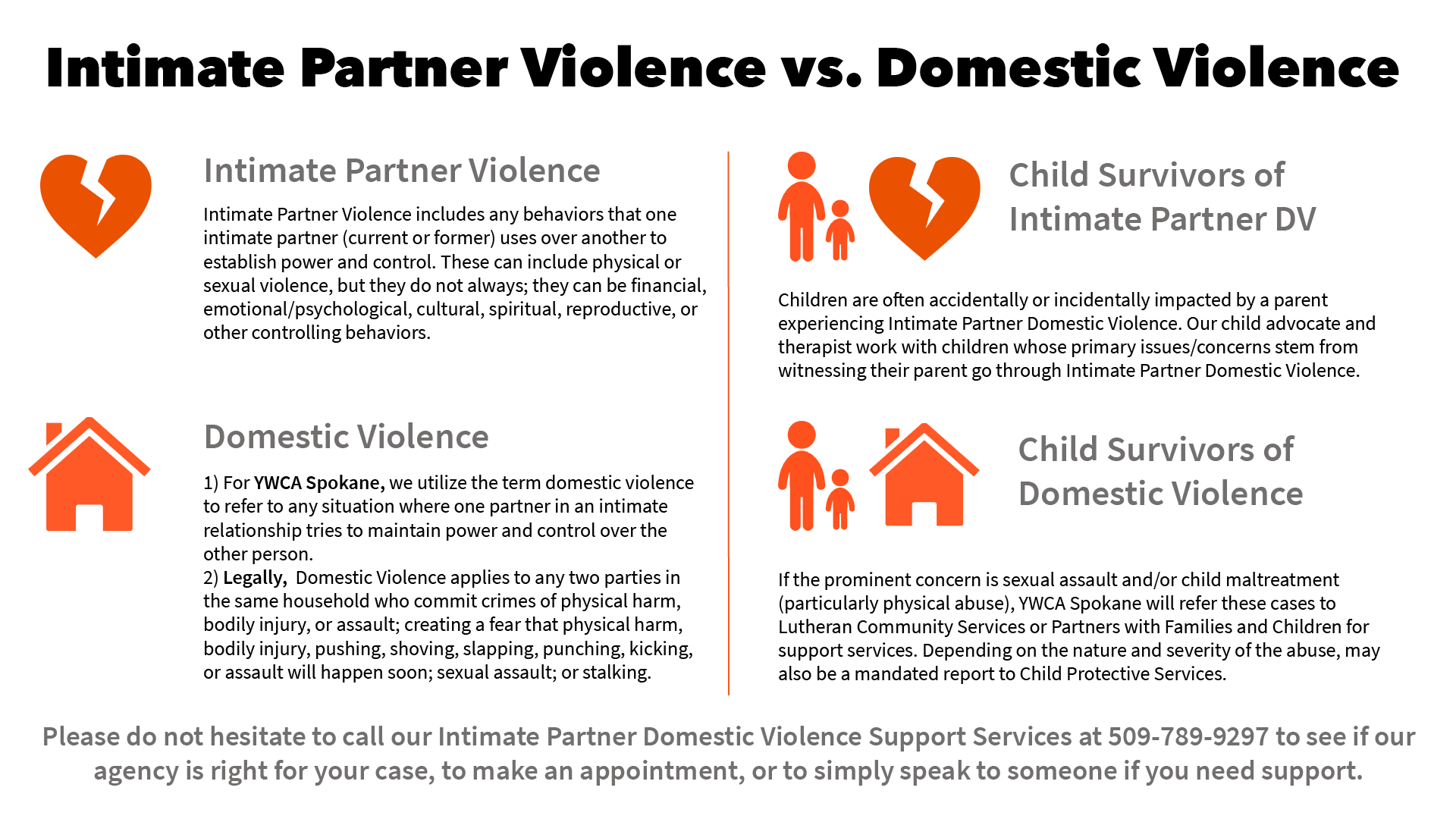
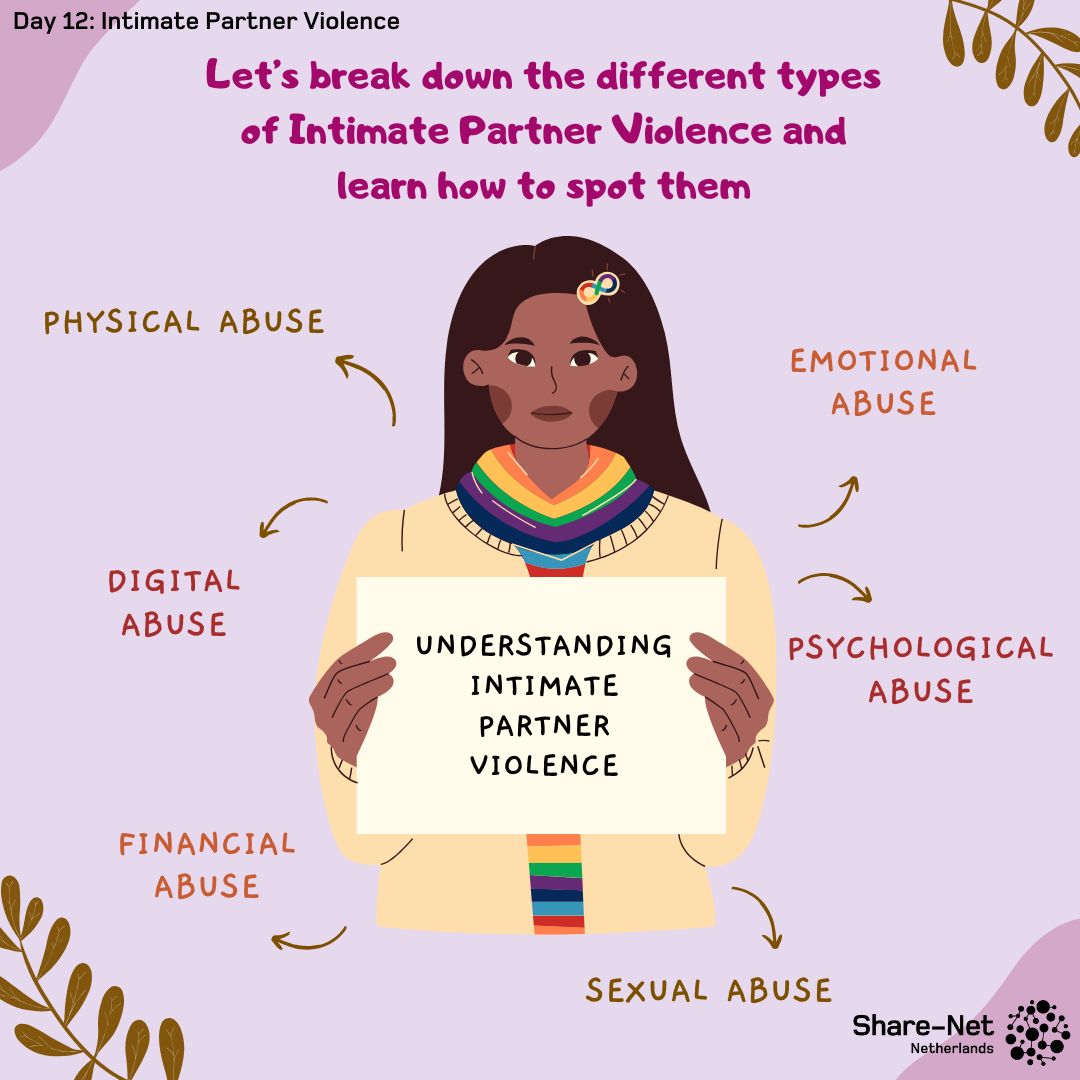
Financial abuse is a pervasive and insidious form of intimate partner violence, often occurring alongside physical, emotional, and psychological abuse. Within the context of marriage, it leverages the shared economic structures and legal bindings of the union to exert control and dependency. This form of abuse is designed to limit a partner’s access to financial resources, diminish their earning potential, and undermine their economic autonomy, effectively trapping them in the relationship. It’s a strategic tool used by abusers to ensure their partner remains financially dependent, making separation or escape appear impossible.
Tactics and Manifestations of Financial Control
Financial abuse manifests in a myriad of ways, ranging from overt control to subtle manipulation, all designed to disempower the victim economically. One common tactic is controlling access to money and assets. This can involve an abuser taking all of a partner’s earnings, dictating how every penny is spent, withholding funds for necessities, or even preventing access to bank accounts. Joint accounts, which are common in marriage, can become tools for monitoring and control, where one partner is denied knowledge of or access to funds.
Another prevalent tactic is sabotaging employment and education. An abuser might prevent their partner from working by creating obstacles (e.g., hiding car keys, refusing childcare, harassing them at work), forcing them to quit, or even refusing to allow them to seek employment or pursue higher education. This directly impacts their earning potential and future financial independence. Accumulating debt in the victim’s name is another devastating form of financial abuse. This could involve taking out loans, maxing out credit cards, or incurring significant expenses without the partner’s knowledge or consent, leaving them with damaged credit and overwhelming debt. Forcing a partner to sign financial documents under duress, such as loan agreements or property deeds, further entrenches their financial vulnerability. In some cases, abusers may also misuse or steal a partner’s identity or assets, further eroding their economic standing. These tactics not only create immediate hardship but also establish long-term financial instability, making it incredibly difficult for a victim to leave the marriage or rebuild their life independently.
The Silent Impact on Marital Dynamics
The presence of financial abuse fundamentally alters the power dynamics within a marriage, creating an imbalance that often goes unnoticed by external observers. While physical abuse leaves visible scars, financial abuse can operate covertly, making it difficult for friends, family, or even the victims themselves to initially identify it as a form of violence. The abuser often presents themselves as the “responsible” financial manager, while the victim is portrayed as financially incompetent or irresponsible. This narrative is further reinforced by the victim’s increasing dependency, which appears to justify the abuser’s control.
This silent form of abuse erodes trust and autonomy, fostering a climate of fear and anxiety. Victims may live with constant stress about money, fearful of retaliation for perceived overspending or for questioning financial decisions. The inability to make independent financial choices, even for basic necessities, strips away a person’s dignity and self-worth. It makes the marital bond, which should ideally be a partnership, a cage where one partner holds absolute economic power over the other. The psychological toll of this control is immense, often leading to depression, anxiety, and learned helplessness, reinforcing the victim’s belief that they cannot survive financially outside the abusive marriage.
The Economic Toll: Financial Consequences of IPV within Marriage
Beyond the direct acts of financial abuse, the broader phenomenon of intimate partner violence within marriage imposes substantial economic costs on individuals, families, and society. These costs extend far beyond immediate expenses, encompassing lost income, damaged credit, legal fees, and the long-term struggle to regain financial footing. Understanding this economic toll is crucial for appreciating the full devastating impact of IPV.
Direct Costs and Lost Opportunities
The immediate financial consequences of IPV for victims within marriage are often staggering. Medical expenses related to physical injuries, mental health support for trauma, and ongoing therapy can quickly accumulate, draining limited resources. Legal fees for divorce proceedings, restraining orders, or child custody battles are significant and often unavoidable. Victims may also incur housing costs if they are forced to leave the marital home, including rent, deposits, and the expense of furnishing a new residence, often on a diminished income.
Crucially, IPV leads to substantial lost income and employment opportunities. Frequent absences from work due to injuries, court appearances, or the psychological impact of abuse can lead to job loss or reduced work hours. The abuser’s tactics of sabotaging employment further exacerbate this issue, directly preventing the victim from earning an income. This loss of current and future earnings has a cascading effect, limiting savings, retirement contributions, and overall financial security. For many, a promising career path is derailed, leading to a lifetime of underemployment and reduced earning potential. The economic impact extends to damaged property or stolen assets by the abuser, adding further financial strain.
Long-Term Financial Instability and Debt
The long-term financial consequences of IPV in marriage can be even more devastating than the immediate costs. Victims often emerge from abusive marriages with damaged credit scores due to shared debts, financial mismanagement by the abuser, or accounts opened without their consent. This poor credit can severely limit their ability to secure housing, loans for education, or even obtain certain types of employment, hindering their ability to rebuild. The burden of accumulated debt, often taken out in their name by the abuser, can be crippling, taking years or even decades to resolve.
The lack of personal savings, retirement funds, or other financial safety nets, often stripped away by the abuser, leaves survivors financially vulnerable for years. This contributes to long-term financial instability, making it difficult to achieve economic independence and security. The inability to build wealth means that survivors are often at a disadvantage when it comes to investing in their future, owning a home, or providing for their children. The cycle of poverty or financial struggle can persist long after the abuse has ceased, perpetuating a state of vulnerability that can impact future relationships and overall well-being.
Financial Independence as a Pathway to Safety and Empowerment
For survivors of IPV within marriage, achieving financial independence is not merely about personal wealth; it is often the most critical pathway to safety, autonomy, and lasting empowerment. The ability to support oneself and one’s children provides the practical means to leave an abusive situation and the psychological strength to reclaim control over one’s life. Recognizing this, efforts to combat IPV increasingly focus on strengthening survivors’ financial literacy and access to resources.
Barriers to Financial Autonomy in Abusive Marriages
The journey towards financial autonomy is fraught with significant barriers for individuals in abusive marriages. As detailed earlier, financial abuse itself is the primary impediment, actively designed to prevent economic independence. Victims may have no access to money, no personal bank accounts, and no knowledge of family finances. Lack of employment history or educational attainment due to an abuser’s sabotage further limits their ability to secure a job. Many victims may have been out of the workforce for years, caring for children or managing the household under the abuser’s direction, leading to a significant gap in their resume and a loss of professional skills.
Fear of retaliation from the abuser for attempting to gain financial independence is another powerful barrier. An abuser may threaten to harm them, their children, or pets, or to expose sensitive information if they try to get a job or open a secret bank account. The absence of a support network and limited access to transportation or childcare can also make it logistically impossible to seek employment or financial counseling. Furthermore, the psychological impact of abuse, including diminished self-esteem and chronic stress, can create a powerful internal barrier, making it difficult for victims to believe in their own capacity for financial independence. The legal and financial complexities of divorce, compounded by the abuser’s tactics, also act as formidable obstacles.
Strategic Financial Planning for Departure
Despite these barriers, strategic financial planning is a critical step for those contemplating leaving an abusive marriage. This involves a covert and careful process of accumulating resources and knowledge. The first step is often to secretly save small amounts of money, even if it means diverting small sums from household expenses or accepting help from trusted friends or family. Opening a separate, confidential bank account in their own name, accessible only to them, is crucial. This account should ideally be at a different bank from any joint accounts, and statements should be sent to a secure address or accessed online only from a safe computer.
Victims should also begin to gather important financial and legal documents, such as birth certificates, social security cards, marriage licenses, property deeds, tax returns, bank statements, and insurance policies. Keeping these documents in a safe, accessible location outside the home, such as with a trusted friend or in a safety deposit box, is essential. Understanding the marital assets and debts is another vital step. While challenging, victims should try to learn about all sources of income, bank accounts, investments, and debts to ensure they receive a fair settlement during divorce and are not held liable for hidden debts. Seeking confidential legal and financial advice from specialists in domestic violence is paramount to understand their rights and available options. This strategic planning provides not only practical resources but also a sense of control and hope, empowering survivors to take the difficult step towards freedom.
Supporting Survivors: Financial Resources and Tools for Recovery
The journey towards financial recovery for survivors of IPV within marriage is long and arduous, requiring comprehensive support and tailored resources. Moving from a state of financial dependency and trauma to one of stability and empowerment demands a coordinated effort from various support systems.
Legal and Financial Aid for Victims
Access to specialized legal and financial aid is paramount for survivors. Legal aid services focused on domestic violence can assist with obtaining restraining orders, navigating divorce proceedings, securing child support, and addressing issues of property division and shared debt. These services often provide pro bono or low-cost representation, which is critical given survivors’ limited financial means. Financial counselors and advocates specializing in IPV can help survivors assess their current financial situation, create budgets, develop debt management strategies, and understand their credit reports. They can also guide survivors through applying for public assistance programs, housing support, and other benefits they may be entitled to.
Furthermore, emergency financial assistance from domestic violence shelters and community organizations plays a crucial role in providing immediate needs like temporary housing, food, transportation, and childcare. Many organizations also offer small grants or loans to help survivors cover initial expenses for moving, education, or job training. These resources are designed to bridge the gap between leaving an abusive situation and achieving long-term financial stability, preventing survivors from returning to dangerous circumstances due due to economic desperation.
Rebuilding Financial Lives Post-Abuse
Rebuilding a financial life after IPV requires a strategic, step-by-step approach. Establishing good credit is often a priority, which may involve working with credit repair services, opening secured credit cards, or carefully managing small loans. Developing strong financial literacy skills is also crucial. Workshops and educational programs on budgeting, saving, investing, and understanding financial products empower survivors to make informed decisions and maintain control over their money.
Securing stable employment is foundational to long-term recovery. Support services can assist with resume writing, interview skills, job search strategies, and vocational training to help survivors re-enter the workforce or advance their careers. For those with children, reliable childcare solutions are essential to enable consistent employment. Ultimately, the goal is to cultivate financial independence and resilience, allowing survivors to build a secure future free from the shadow of abuse. This process is not just about money; it’s about restoring dignity, fostering self-sufficiency, and providing the bedrock for a life of safety and empowerment.
aViewFromTheCave is a participant in the Amazon Services LLC Associates Program, an affiliate advertising program designed to provide a means for sites to earn advertising fees by advertising and linking to Amazon.com. Amazon, the Amazon logo, AmazonSupply, and the AmazonSupply logo are trademarks of Amazon.com, Inc. or its affiliates. As an Amazon Associate we earn affiliate commissions from qualifying purchases.