
The natural minor scale is a fundamental building block in music theory, offering a distinct melancholic or somber flavor compared to its brighter major scale counterpart. While its name suggests an inherent simplicity, understanding its structure and application opens up a world of melodic possibilities for musicians, composers, and even tech enthusiasts exploring the intersection of sound and technology. This article will delve into the essence of the natural minor scale, exploring its construction, its relationship to other scales, and how its principles can resonate with concepts within technology, branding, and even finance.
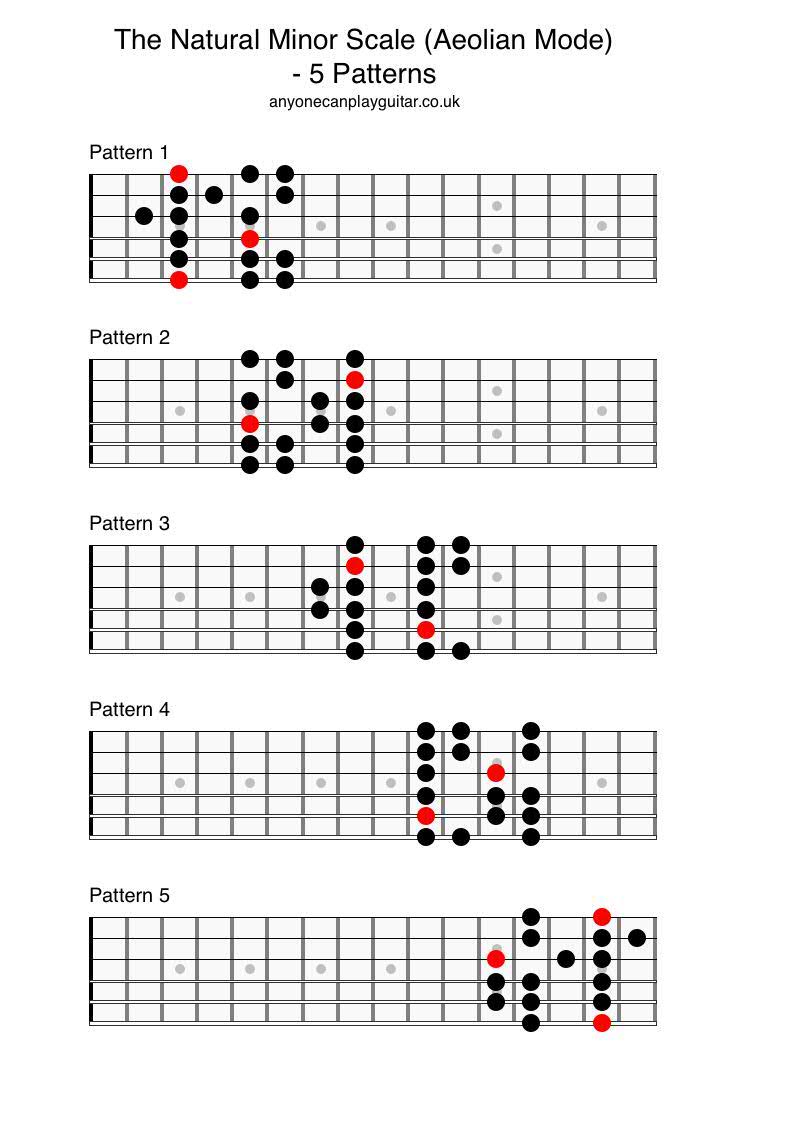
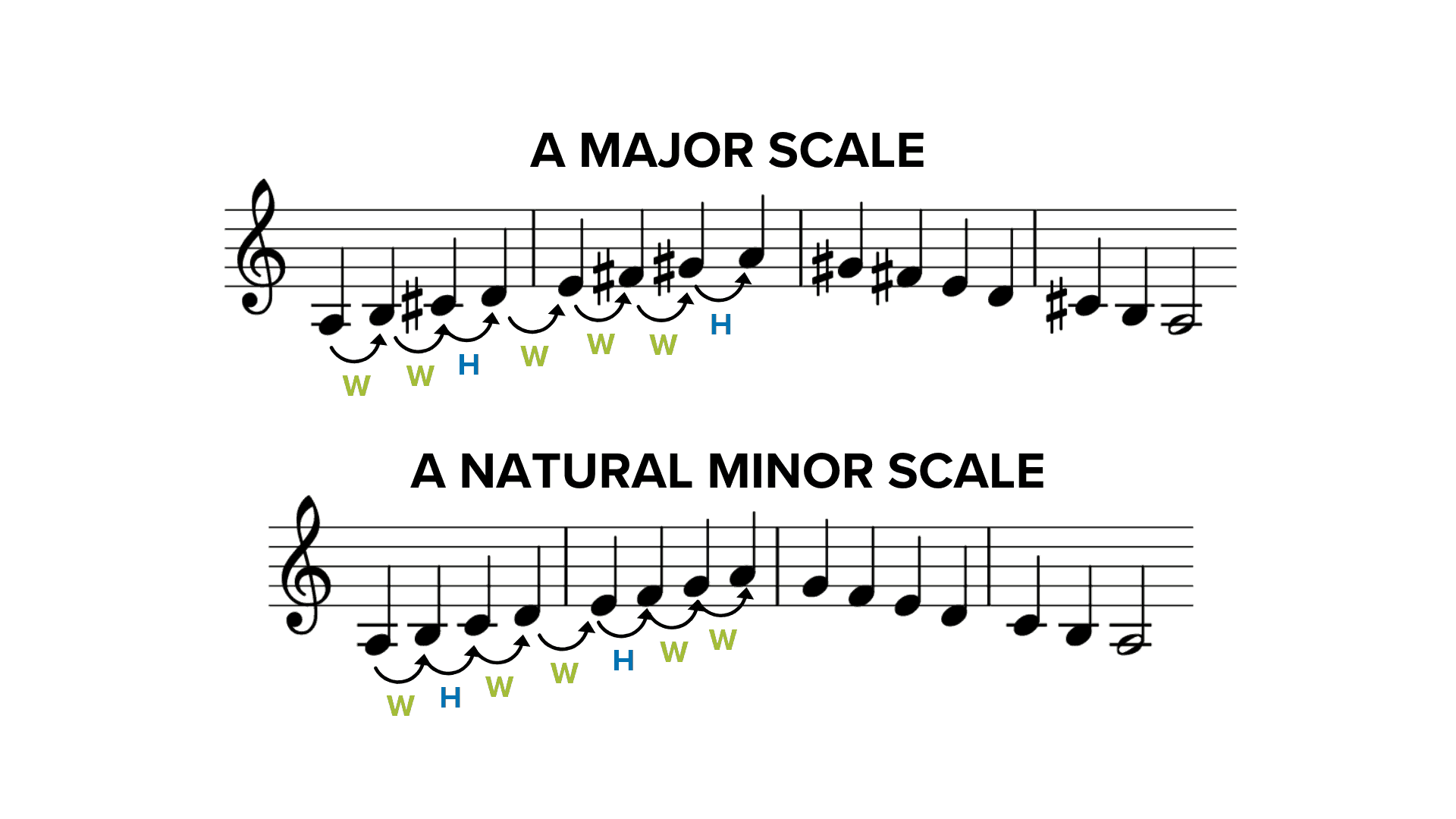
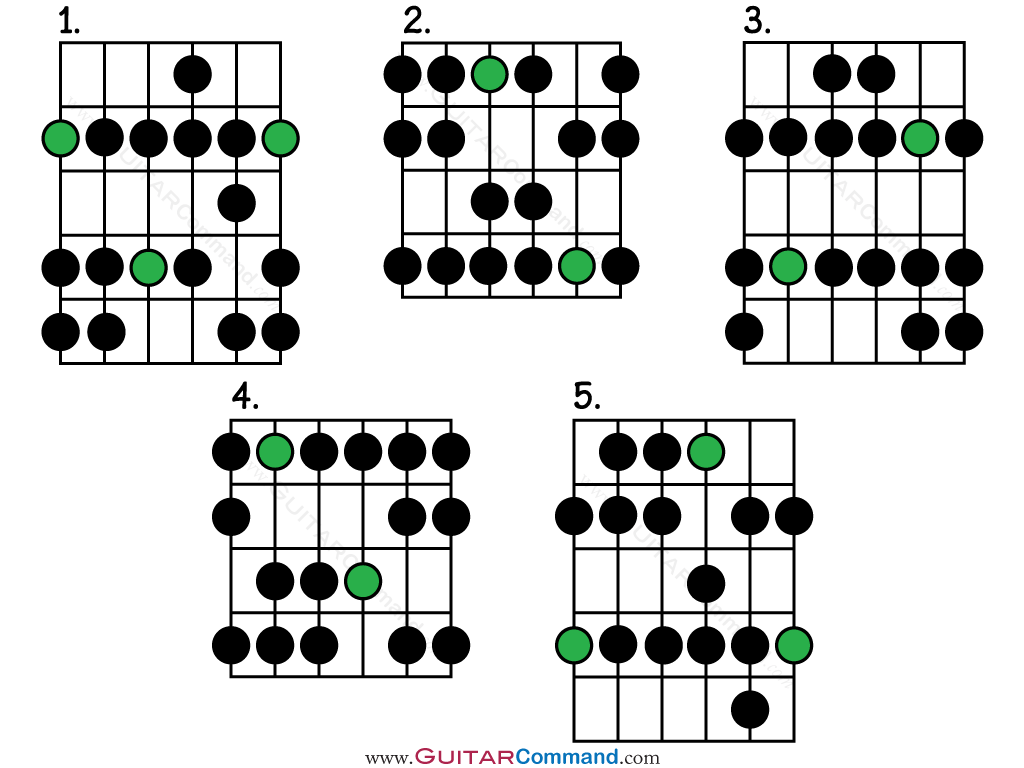
The natural minor scale, often referred to simply as the “minor scale,” is characterized by its specific intervallic pattern, which creates its signature sound. Unlike the major scale, which is built on a pattern of whole and half steps of Whole-Whole-Half-Whole-Whole-Whole-Half (W-W-H-W-W-W-H), the natural minor scale follows a different, yet equally symmetrical, sequence: Whole-Half-Whole-Whole-Half-Whole-Whole (W-H-W-W-H-W-W). This seemingly small alteration in intervals, particularly the lowered third, sixth, and seventh degrees compared to the parallel major scale, is what gives the natural minor its poignant and often introspective character.
Understanding the Construction of the Natural Minor Scale
To truly grasp the natural minor scale, it’s crucial to break down its constituent intervals and understand how they are derived. Every natural minor scale can be understood in relation to its parallel major scale. For instance, the A major scale consists of the notes A-B-C#-D-E-F#-G#. The A natural minor scale, on the other hand, is formed by lowering the third, sixth, and seventh degrees of the A major scale by a half step. This results in the notes A-B-C-D-E-F-G.
Let’s dissect this intervallic structure using A natural minor as our example:
- Root (1st degree): A. This is our starting point.
- Major Second (2nd degree): B. A whole step up from A.
- Minor Third (3rd degree): C. A half step up from B. This is the defining interval that distinguishes the minor from the major. In A major, this would be C#.
- Perfect Fourth (4th degree): D. A whole step up from C.
- Perfect Fifth (5th degree): E. A whole step up from D.
- Minor Sixth (6th degree): F. A half step up from E. In A major, this would be F#.
- Minor Seventh (7th degree): G. A whole step up from F. In A major, this would be G#.
- Octave (8th degree): A. A whole step up from G, returning to the root.
The sequence of intervals for any natural minor scale is therefore: Root – Whole Step – Half Step – Whole Step – Whole Step – Half Step – Whole Step – Whole Step. This pattern can be applied to any root note to generate its corresponding natural minor scale. For example, C natural minor would be C-D-Eb-F-G-Ab-Bb-C.
The Relative Minor: A Different Perspective
While understanding the intervallic construction is paramount, it’s also important to recognize the concept of the relative minor. Every major scale has a relative minor scale that shares the same key signature. The relative minor is found by going down a minor third (three half steps) from the root of the major scale.
For instance, C major (C-D-E-F-G-A-B) has a relative minor of A minor. Going down a minor third from C lands us on A. Notice that both C major and A minor share the same key signature (no sharps or flats). The A natural minor scale we discussed earlier (A-B-C-D-E-F-G) is the relative minor of C major.
Conversely, if we start with a natural minor scale, its relative major is found by going up a minor third from the root. So, for A natural minor, going up a minor third from A leads us to C, which is its relative major.
This relationship between relative major and minor scales is a fundamental concept in music theory, providing a valuable shortcut for understanding key signatures and chord relationships.
Applications and Connections Beyond Music
The principles behind musical scales, including the natural minor, are not confined to the realm of audible frequencies. Their underlying structure, patterns, and the emotions they evoke can be observed and applied in diverse fields, including technology, branding, and finance.
Tech: Algorithmic Harmony and User Experience
In the technological landscape, the concept of “harmony” can be interpreted in various ways. For instance, in audio synthesis and music production software, understanding scale construction is fundamental. Developers who create virtual instruments or sequencers rely on precise intervallic relationships to generate authentic-sounding melodies and harmonies. The natural minor scale, with its predictable intervallic structure, can be programmed into algorithms to create specific moods or stylistic outputs. Imagine an AI music generator designed to produce “melancholy lo-fi beats” – the natural minor scale would be a prime candidate for its melodic palette.
Beyond direct musical applications, the idea of a “scale” and its inherent structure can be analogous to algorithmic design and data organization. Just as a scale provides a framework for musical notes, algorithms provide a framework for processing information. The predictability and inherent logic of a scale can be seen in the elegant design of efficient algorithms.
Furthermore, in user interface (UI) and user experience (UX) design, the concept of “flow” and “cohesion” can be related to musical harmony. A well-designed app or website creates a seamless and intuitive experience, much like a well-composed piece of music flows harmonically. While not a direct application of the natural minor scale, the underlying principle of structured progression and emotional resonance can be drawn. A UI that feels “off” or jarring might be likened to dissonant chords, while a user experience that feels natural and engaging might evoke a sense of musical consonance.
The exploration of AI tools in creative fields is another area where scale principles might be implicitly at play. As AI learns to generate music, art, or even written content, it’s essentially learning patterns and structures. The natural minor scale, as a fundamental musical pattern, can be a component of the data that AI models are trained on, influencing the emotional tone and harmonic landscape of generated content.
Brand: Establishing Identity and Evoking Emotion
In the world of branding, establishing a strong and resonant identity is paramount. The natural minor scale, with its inherent emotional weight, can serve as a metaphor for how brands evoke specific feelings in their audience. A brand that aims for a sophisticated, introspective, or even slightly melancholic appeal might consciously or unconsciously draw upon the emotional resonance of the minor key.
Consider corporate identity. The choice of colors, typography, and overall aesthetic can convey a particular mood. A brand using darker, muted tones and clean, minimalist design might be aiming for a more serious, perhaps even somber, or elegantly reserved image, mirroring the contemplative nature of the natural minor. This is not to say that such brands are explicitly using minor scales, but rather that the emotional impact of musical elements can be parallelogy applied to visual and conceptual branding.
Marketing campaigns often strive to elicit specific emotional responses. A campaign that seeks to foster empathy, highlight a societal issue, or tell a poignant story might leverage imagery, music, and narrative that align with the emotional qualities of the natural minor. Think of advertisements that aim to inspire reflection or highlight the value of enduring experiences – the subtle emotional undercurrents can be akin to the natural minor’s character.
Reputation management can also be viewed through this lens. A company that has faced challenges or is undergoing a period of transformation might aim to project an image of resilience and thoughtful introspection. This nuanced approach, rather than overt positivity, can resonate with audiences who appreciate authenticity and a deeper understanding of complexity, much like a well-crafted minor key melody.
Money: Financial Risk and Investment Strategy
The realm of money and finance might seem distant from musical scales, yet intriguing parallels can be drawn, particularly in the context of risk and investment strategy. The inherent somberness or cautionary nature of the natural minor scale can be metaphorically linked to the considerations of potential downsides and cautious decision-making in financial matters.
In personal finance, when planning for the future, individuals often grapple with uncertainties. The concept of “risk aversion” – a preference for a sure thing over a gamble with a potentially higher payoff but also a higher chance of loss – can be seen as an embrace of a more “minor key” approach to financial decision-making. Instead of chasing aggressive, high-yield (and potentially high-risk) investments, a more conservative approach prioritizes stability and the avoidance of significant losses, akin to a musician opting for a predictable, albeit less flamboyant, harmonic progression.
Investing involves understanding market fluctuations and potential downturns. During periods of economic uncertainty or market volatility, an investor might adopt a more cautious or defensive strategy. This shift in approach, moving away from aggressive growth towards capital preservation, can be likened to a composer shifting from a bright major key to a more somber natural minor to reflect a change in narrative or mood.
Business finance also involves navigating potential risks. Companies that operate in volatile industries or are in early stages of development often face a higher degree of financial uncertainty. Their financial modeling and strategic planning may incorporate “worst-case scenario” analyses, which are, in essence, exploring the “minor key” possibilities of their business operations.
While not directly using musical notes, the financial tools and strategies employed by individuals and businesses are often designed to manage and mitigate risk. The underlying logic of choosing instruments or strategies that offer a degree of security and predictable (even if modest) returns over potentially spectacular but uncertain gains can be seen as an application of a “minor key” sensibility in the financial world. It’s about acknowledging the potential for less desirable outcomes and building a plan that accounts for them, much like a composer uses the natural minor scale to convey a sense of introspection or caution.
In conclusion, the natural minor scale, far from being an esoteric musical concept, offers a framework for understanding emotion, structure, and progression that extends into numerous aspects of our technologically driven, brand-conscious, and financially interconnected world. By dissecting its intervallic construction and exploring its metaphorical resonance, we gain a deeper appreciation for the universal principles that shape our experiences, from the melodies we hear to the strategies we employ.
aViewFromTheCave is a participant in the Amazon Services LLC Associates Program, an affiliate advertising program designed to provide a means for sites to earn advertising fees by advertising and linking to Amazon.com. Amazon, the Amazon logo, AmazonSupply, and the AmazonSupply logo are trademarks of Amazon.com, Inc. or its affiliates. As an Amazon Associate we earn affiliate commissions from qualifying purchases.