
For homeowners, few financial topics generate as much curiosity and potential benefit as understanding the current refinance rate. It’s a dynamic figure, influenced by a complex interplay of economic indicators, Federal Reserve policies, and global market forces. Deciphering “what is the refinance rate today” isn’t just about quoting a number; it’s about understanding the environment that shapes it, the factors that influence your specific rate, and ultimately, whether now is the right time to seize an opportunity to improve your financial standing.
Refinancing, at its core, involves replacing an existing mortgage with a new one, often with different terms. The primary driver for many homeowners is securing a lower interest rate, which can translate into significant savings over the life of the loan or a reduced monthly payment. However, refinancing can serve several other strategic financial goals, from shortening your loan term to tapping into your home equity. To make an informed decision, it’s crucial to look beyond the headlines and delve into the nuances of today’s refinance landscape.
Understanding Today’s Refinance Landscape
The daily fluctuations in refinance rates are not arbitrary; they are a direct reflection of broader economic health and central bank strategies. Grasping these underlying dynamics is the first step toward understanding the rate you might be offered.
The Dynamics of Interest Rates
Mortgage rates, including refinance rates, are intricately linked to the overall economy. Key indicators such as inflation, employment figures, and consumer confidence all play a role. Perhaps the most significant influence comes from the Federal Reserve. While the Fed doesn’t directly set mortgage rates, its actions regarding the federal funds rate – the rate at which banks lend to each other overnight – have a cascading effect. When the Fed raises rates to combat inflation, it typically pushes up borrowing costs across the board, including mortgage rates. Conversely, a dovish stance or rate cuts can lead to lower mortgage rates.
Beyond the Fed, the bond market, specifically the yield on the 10-year Treasury note, is a critical benchmark for long-term mortgage rates. Mortgage-backed securities (MBS), which are bundles of mortgages sold to investors, also heavily influence rates. Investor demand for MBS, driven by perceptions of risk and return, directly impacts the rates lenders can offer.
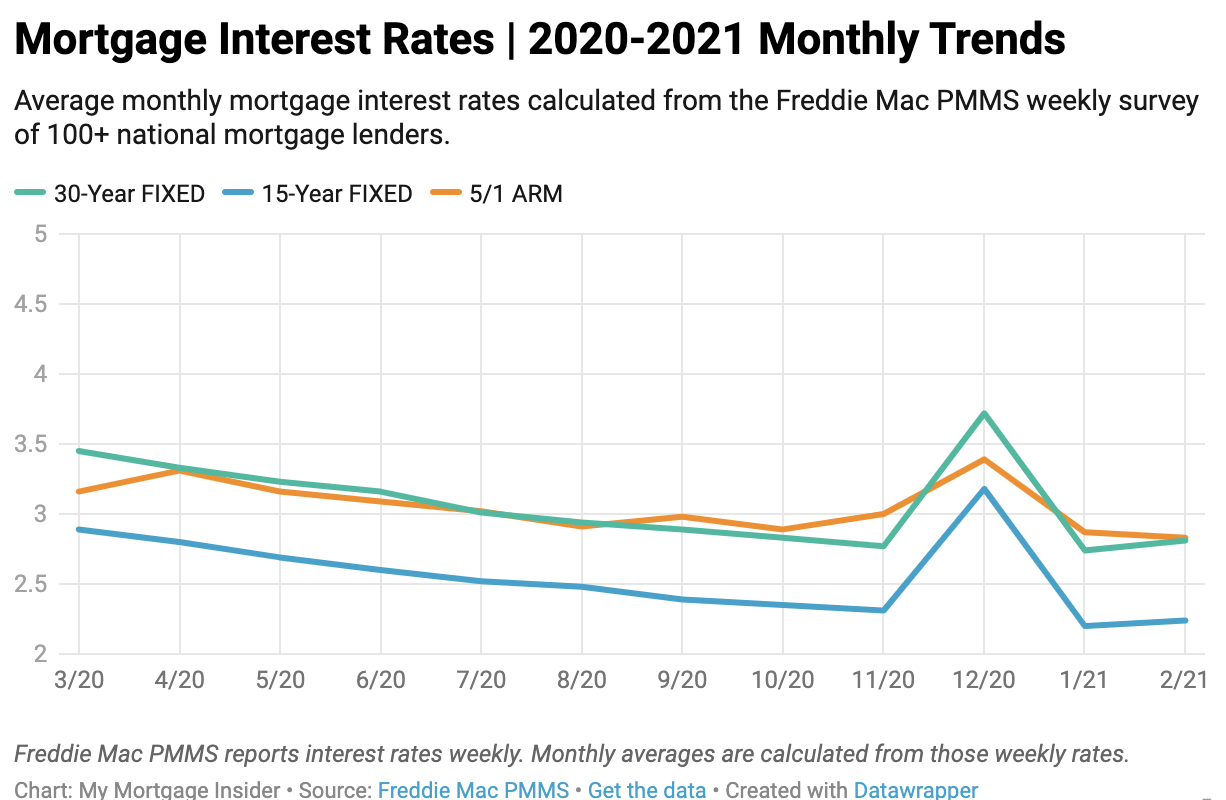
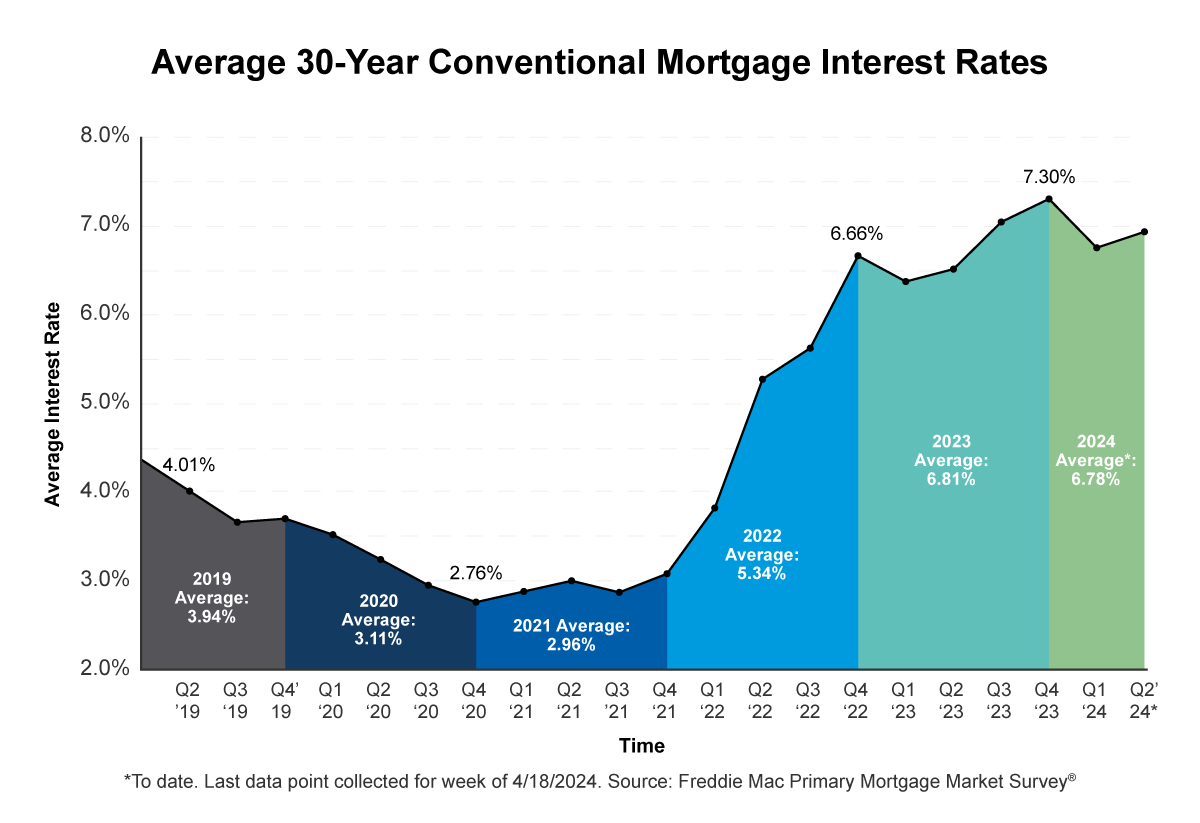
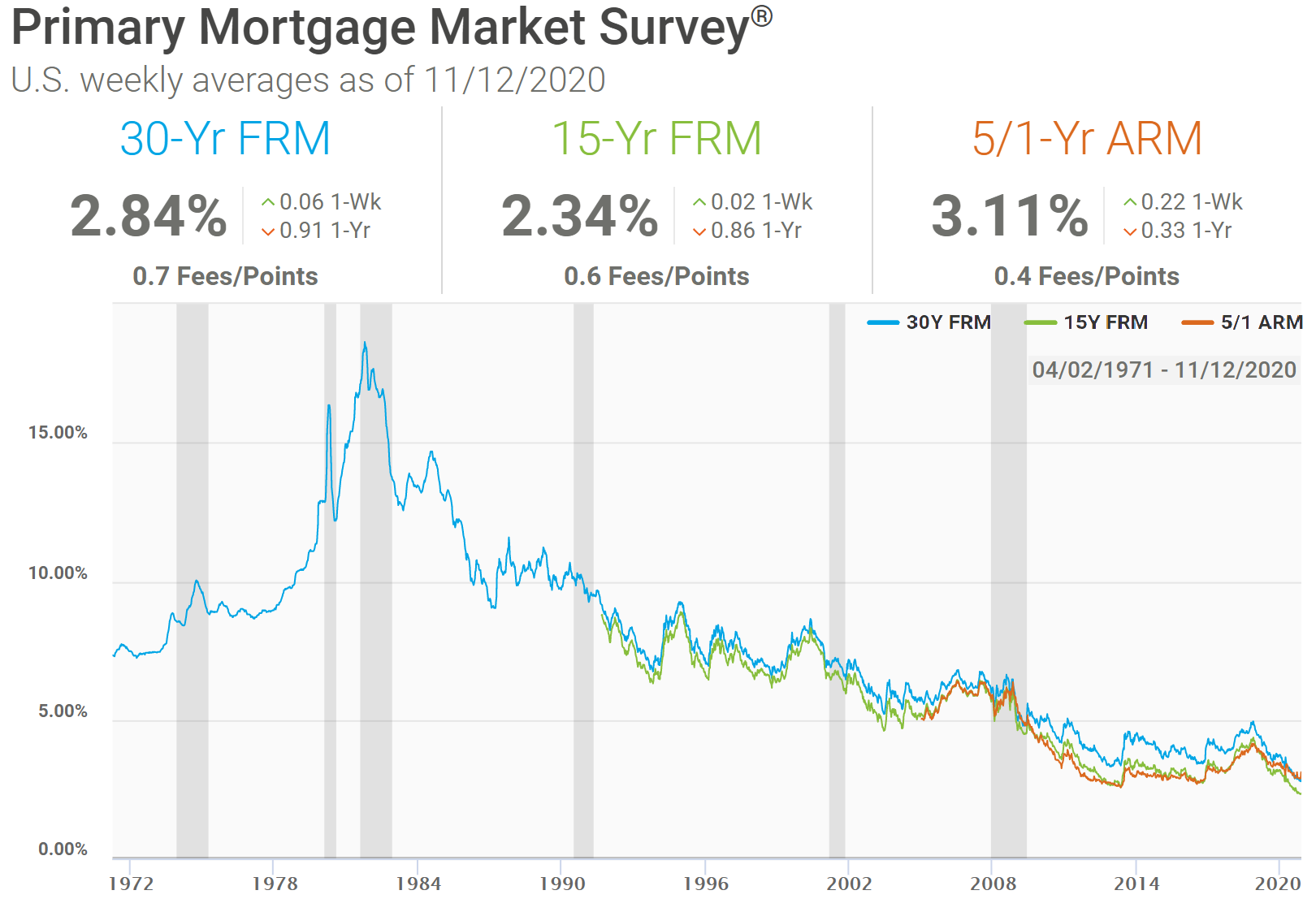
Currently, the market reflects a period of heightened sensitivity to economic data. After several years of unprecedented low rates followed by a rapid ascent, the market is continually recalibrating. Lenders are adjusting their offerings in real-time as new economic reports are released, making it essential for homeowners to monitor trends closely rather than relying on a single day’s quote. What was true yesterday might not be true today, and certainly not next month.
Key Factors Affecting Your Individual Rate
While market conditions set the baseline, the actual refinance rate you qualify for is highly personalized. Lenders assess several factors to determine your individual risk profile and, consequently, your interest rate.
- Credit Score: This is perhaps the most significant individual factor. A higher credit score (typically FICO scores above 740-760) signals to lenders that you are a reliable borrower with a strong history of managing debt, enabling you to secure the most favorable rates. Lower scores indicate higher risk and will result in higher rates.
- Loan-to-Value (LTV) Ratio: This ratio compares the amount you want to borrow against the appraised value of your home. If your home is worth $400,000 and you owe $200,000, your LTV is 50%. A lower LTV (meaning more equity in your home) generally translates to a lower interest rate because it reduces the lender’s risk. Most lenders prefer an LTV of 80% or less for the best rates, sometimes requiring private mortgage insurance (PMI) for higher LTVs.
- Loan Type and Term: The type of mortgage you choose (e.g., fixed-rate vs. adjustable-rate mortgage, conventional, FHA, VA) and its term (e.g., 15-year vs. 30-year) will significantly impact the rate. Shorter terms typically come with lower interest rates because lenders recover their capital faster. Adjustable-rate mortgages (ARMs) often start with lower rates than fixed-rate mortgages but carry the risk of future rate increases.
- Property Type and Occupancy: Rates can vary depending on whether the property is your primary residence, a second home, or an investment property. Primary residences typically receive the most favorable rates.
- Debt-to-Income (DTI) Ratio: Lenders look at your total monthly debt payments relative to your gross monthly income. A lower DTI (generally below 43%) demonstrates your ability to comfortably manage your new mortgage payments.
- Points and Fees: You can often “buy down” your interest rate by paying discount points at closing. Each point usually costs 1% of the loan amount. While this lowers your rate, it increases your upfront costs, a trade-off that needs careful calculation.
Understanding these factors allows you to not only anticipate the rate you might receive but also identify areas where you can improve your financial profile before applying.
Why Refinance Now? Common Goals and Considerations
Refinancing is not a one-size-fits-all solution; it’s a strategic financial maneuver driven by specific objectives. Today’s market might be opportune for some goals while less favorable for others.
Lowering Your Monthly Payments
This is the most common reason homeowners refinance. If current refinance rates are significantly lower than your existing mortgage rate, switching to a new loan can reduce your monthly outflow, freeing up cash for other priorities or savings. This strategy is particularly effective when interest rates have dropped substantially since you originated your current mortgage. Additionally, if you’ve been diligently paying down your mortgage for many years, you might consider extending your loan term (e.g., from a 15-year to a new 30-year loan) even if the rate isn’t drastically lower. This will likely reduce your monthly payment, though it will increase the total interest paid over the very long term.
Reducing Your Loan Term
Conversely, some homeowners choose to refinance to accelerate their path to mortgage freedom. By moving from a 30-year mortgage to a 15-year term (or even shorter), you’ll typically secure a lower interest rate and pay off your home much faster, saving tens of thousands of dollars in total interest over the life of the loan. While this usually results in a higher monthly payment, it can be an excellent strategy for those with stable or increasing incomes who want to build equity more quickly and minimize long-term debt.
Tapping Into Home Equity (Cash-Out Refinance)
A cash-out refinance allows you to borrow against the equity you’ve built in your home. You take out a new, larger mortgage than you currently owe, and the difference is paid to you in cash. This capital can be used for a variety of purposes:
- Home Improvements: Funding renovations that increase your home’s value.
- Debt Consolidation: Paying off high-interest credit card debt or personal loans, potentially at a much lower mortgage interest rate. This can simplify your finances and reduce overall interest expenses, but it’s crucial to address the root cause of the debt to avoid repeating the cycle.
- Investment: Funding a child’s education, starting a business, or making other strategic investments.
However, a cash-out refinance increases your loan amount and could put your home at risk if you’re unable to make payments. It’s vital to weigh the benefits against the risks carefully.
Switching Loan Types (e.g., ARM to Fixed)
Homeowners with an adjustable-rate mortgage (ARM) might consider refinancing into a fixed-rate mortgage, especially if their ARM’s initial fixed period is ending or if interest rates are expected to rise. This switch provides stability and predictability in monthly payments, shielding you from potential rate hikes. Conversely, if current fixed rates are high but ARMs offer attractive introductory rates, some borrowers might opt for an ARM if they plan to sell or refinance again before the adjustable period kicks in, or if they anticipate a future drop in rates.
How to Find the Best Refinance Rate
Securing the best refinance rate isn’t about luck; it’s about diligence, preparation, and strategic shopping.
The Importance of Shopping Around
This cannot be stressed enough: always get quotes from multiple lenders. The difference between the highest and lowest rate offered to you could be substantial, potentially saving you thousands of dollars over the life of the loan. Consider contacting:
- Your current mortgage lender: They might offer a competitive rate to retain your business.
- Other banks and credit unions: These institutions often have competitive rates and may offer preferred terms to existing customers.
- Online lenders: Companies like Rocket Mortgage or Better.com can provide quick quotes and streamlined processes.
- Mortgage brokers: These professionals work with multiple lenders and can often find you options you might not discover on your own.
When comparing offers, don’t just look at the interest rate. Consider the Annual Percentage Rate (APR), which includes the interest rate plus certain fees and points, giving you a more accurate picture of the total cost of borrowing. Also, scrutinize the closing costs, which can vary significantly between lenders.
Preparing Your Finances
Before you even start applying, take steps to optimize your financial profile:
- Check Your Credit Score and Report: Obtain a copy of your credit report from all three major bureaus (Equifax, Experian, TransUnion) and dispute any errors. If your score is borderline, take steps to improve it, such as paying down credit card balances or avoiding new credit inquiries, a few months before applying.
- Gather Necessary Documentation: Lenders will require extensive paperwork, including pay stubs, W-2s, tax returns, bank statements, and your current mortgage statements. Having these ready will expedite the application process.
- Calculate Potential Savings and Break-Even Points: Use online refinance calculators to estimate how much you could save with a lower rate or a different term. Crucially, calculate the “break-even point” – how long it will take for the savings from your lower monthly payments to offset the upfront closing costs. If you plan to sell your home before reaching this point, refinancing might not be financially beneficial.
Understanding Closing Costs and Fees
Refinancing involves various fees, collectively known as closing costs, which can range from 2% to 5% of the loan amount. These include:
- Origination fees: What the lender charges for processing the loan.
- Appraisal fee: For valuing your home.
- Title insurance and settlement fees: For ensuring a clear title and handling the transaction.
- Recording fees: For officially documenting the new mortgage.
- Prepaid interest and escrow deposits: For property taxes and homeowner’s insurance.
Some lenders offer “no-cost” refinances, where they cover the closing costs in exchange for a slightly higher interest rate. This can be attractive if you don’t have cash for upfront costs, but remember that you’re still paying those costs, just spread out over the life of the loan through a higher rate. Analyze whether the higher rate offsets the benefit of no upfront costs based on how long you plan to stay in the home.
The Refinance Process: A Step-by-Step Guide
Once you’ve decided to refinance, understanding the process can alleviate stress and ensure a smoother experience.
Application and Documentation
The process begins with completing a loan application, either online or with a loan officer. You’ll submit all the financial documents you’ve gathered. The lender will then pull your credit report to assess your creditworthiness. They will verify your income and employment to ensure you can afford the new payments. This initial phase is about establishing your financial eligibility.
Appraisal and Underwriting
Next, the lender will typically order an appraisal to determine your home’s current market value. This is critical for calculating your loan-to-value (LTV) ratio. If your home appraises for less than expected, it could impact the rate or even the feasibility of your refinance. Simultaneously, your application moves into underwriting, where a professional thoroughly reviews all your financial information, documents, and the appraisal to ensure everything meets the lender’s and investor’s guidelines. This is often the longest phase, as underwriters may request additional documentation or clarification.
Closing
Once underwriting approves your loan, you’ll receive a Closing Disclosure (CD) detailing all the final loan terms, fees, and payments. You have three business days to review this document before closing. At the closing appointment, you’ll sign numerous legal documents, including the new promissory note and mortgage deed. Funds are then disbursed, and your old mortgage is paid off, officially replaced by the new one. For a primary residence, there’s typically a three-day right of rescission period after closing, during which you can cancel the refinance without penalty.
Is Refinancing Right For You? Final Considerations
Even with attractive refinance rates, the decision to refinance should align with your long-term financial strategy.
Weighing the Costs vs. Benefits
The core question is always: Will refinancing save me enough money to justify the closing costs and the effort involved? As discussed, calculating the break-even point is crucial. If you only plan to stay in your home for a few more years, and the break-even point is five years, refinancing might not be sensible. However, if you plan to live there indefinitely, even modest monthly savings can add up to significant figures over decades. Consider not just the immediate financial impact but also the stability or flexibility the new loan offers.
Seeking Professional Advice
Navigating the complexities of mortgage rates and refinancing options can be daunting. It is highly advisable to consult with a reputable mortgage loan officer or a financial advisor. They can help you:
- Analyze your current financial situation and future goals.
- Explain the nuances of different loan products.
- Provide a clear, unbiased comparison of potential savings.
- Help you understand the fine print and avoid common pitfalls.
Ultimately, “what is the refinance rate today” is more than a simple numerical answer. It’s an invitation to assess your financial goals, understand the economic currents, and make an informed decision that could profoundly impact your long-term financial well-being. By staying informed, preparing thoroughly, and seeking expert guidance, you can confidently determine if today’s refinance landscape offers the opportunity you’ve been waiting for.
aViewFromTheCave is a participant in the Amazon Services LLC Associates Program, an affiliate advertising program designed to provide a means for sites to earn advertising fees by advertising and linking to Amazon.com. Amazon, the Amazon logo, AmazonSupply, and the AmazonSupply logo are trademarks of Amazon.com, Inc. or its affiliates. As an Amazon Associate we earn affiliate commissions from qualifying purchases.