
In a world increasingly reliant on documented assurances and legal certainty, the role of a notary public remains as crucial as ever. Yet, within the broad spectrum of notarial duties, one specific act stands out for its profound implications in financial security, legal compliance, and personal responsibility: the jurat. Understanding “what is a jurat notary” isn’t merely about defining a term; it’s about recognizing a vital guardian of truth, a key player in countless financial transactions, and for many, a specialized business opportunity or lucrative side hustle.
This article delves into the precise nature of a jurat and the notary who administers it, exploring its critical function, its place in various financial landscapes, and how this specialized service can be cultivated into a rewarding professional endeavor. From ensuring the integrity of critical financial documents to offering a tangible pathway to online income, the jurat notary occupies a unique and indispensable position at the intersection of law, finance, and trust.
Demystifying the Jurat Notary: A Foundation of Trust in Financial Transactions
At its core, a jurat is a certification added to an affidavit or other sworn statement, attesting that the signer appeared before the notary, was identified, took an oath or affirmation, and signed the document in the notary’s presence. The term “jurat” itself comes from the Latin “juratum,” meaning “sworn.” For a notary public, administering a jurat is not just a procedural step; it’s an act that imbues a document with legal weight, verifying the truthfulness of its contents as declared by the signer under penalty of perjury.
The Core Function: What a Jurat Entails
Unlike a simple acknowledgment, where a signer merely confirms their signature on a document, a jurat involves a more rigorous process. The notary’s primary responsibilities during a jurat include:
- Identifying the Signer: Ensuring the person appearing is indeed the person named in the document through valid identification.
- Administering an Oath or Affirmation: Requiring the signer to swear or affirm that the contents of the document are true and accurate to the best of their knowledge. This is a solemn promise made before a public officer.
- Witnessing the Signature: Observing the signer affix their signature to the document. The signature must be made in the notary’s presence.
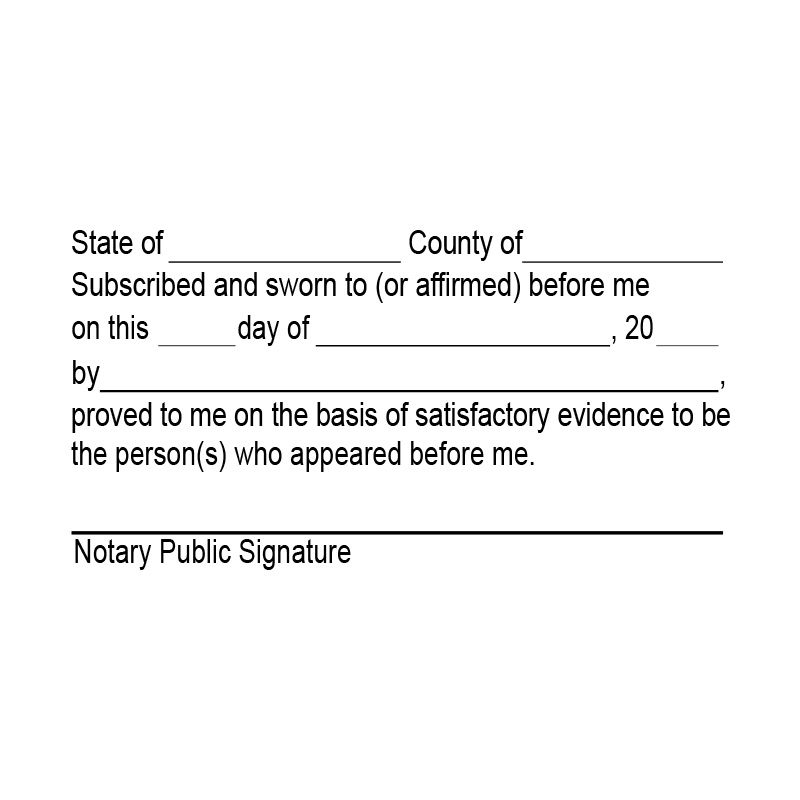
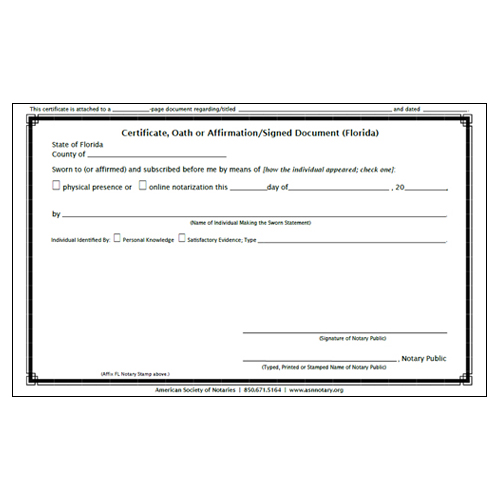
- Completing the Jurat Certificate: Attaching the formal notarial certificate, which includes the venue (state and county), the date, the signer’s name, the statement that an oath was administered, and the notary’s signature, seal, and commission expiration date.
This meticulous process ensures that the signer understands the gravity of their statement and the legal ramifications of misrepresentation, laying a foundational layer of trust crucial for any document bearing a jurat.
Beyond the Signature: Why Jurats Matter for Legal & Financial Integrity
The significance of a jurat extends far beyond a bureaucratic checkbox. In the financial world, jurats are indispensable for documents where the veracity of the statements is paramount. They transform mere claims into sworn testimony, essential for:
- Loan Applications and Mortgages: Where financial declarations and asset disclosures must be accurate.
- Estate Planning Documents: Affidavits relating to wills, trusts, and power of attorney often require a jurat to confirm the statements of the affiant.
- Insurance Claims: Sworn statements regarding losses or incidents.
- Court Filings: Affidavits presented as evidence in legal proceedings.
- Government Forms: Certain tax forms or applications for benefits demand sworn statements.
Without a properly administered jurat, these documents can lose their legal standing, potentially leading to financial disputes, invalidated claims, or legal challenges. The notary public, through this act, safeguards all parties involved by certifying the authenticity and sworn nature of critical information.
The Notary’s Role in Administering Oaths and Affirmations
The power to administer an oath or affirmation is a fundamental aspect of a notary public’s authority and distinguishes the jurat from other notarial acts. An oath is a religious pledge, while an affirmation is a solemn, non-religious declaration. Both carry the same legal weight regarding truthfulness. The notary must ensure the signer understands the solemnity of what they are doing and that they are speaking under penalty of perjury. This act transforms the document from a simple written statement into legally binding sworn testimony, a cornerstone for maintaining integrity in business finance, personal finance, and legal affairs.
The Financial Landscape of Jurat Notarization: Services, Fees, and Value
For individuals and businesses, the need for jurat notarization is a recurring necessity, creating a consistent demand for skilled notaries. For the notary public, this translates into a tangible opportunity for income, whether as a primary business or a supplementary stream. Understanding the financial dynamics of jurat services is key to both providing and profiting from them.
Standard Notary Fees vs. Jurat Specialization: What to Expect
Notary fees are typically regulated by state statutes, setting maximum amounts a notary can charge per notarial act. For a jurat, these fees generally range from $5 to $25 per signature, depending on the state. While these individual fees might seem modest, the volume and specialized nature of jurat notarization can aggregate into significant income.
Moreover, mobile notaries or those offering remote online notarization (RON) can charge additional convenience fees, travel fees, or platform fees, which are separate from the statutory notarial fee. A notary specializing in jurats, particularly for complex financial or legal documents, often commands a premium for their expertise, reliability, and willingness to travel to clients or operate during non-standard hours. This distinction between the base notarial fee and the total service cost is crucial for pricing strategies.
Understanding the Value Proposition for Businesses and Individuals
The value of a jurat notary service far outweighs its cost. For businesses, errors in documentation can lead to costly delays, legal battles, or regulatory fines. A reliable jurat notary mitigates these risks by ensuring compliance and authenticity from the outset. Consider a real estate transaction: an affidavit confirming the transfer of property or a lien waiver might require a jurat. Any flaw in this notarization could jeopardize the entire deal, potentially costing hundreds of thousands or even millions of dollars. The notary’s fee, in this context, is an investment in security and peace of mind.
For individuals, especially in personal finance and estate planning, the jurat notary secures crucial personal information and wishes. From confirming financial disclosures for a loan to validating a sworn statement for an insurance claim, the notary ensures that these personal financial commitments are legally sound and defensible. The small fee paid for a jurat can prevent monumental financial headaches down the line.
Protecting Assets and Ensuring Compliance Through Proper Notarization
The rigorous process of a jurat, particularly the oath and verification of identity, acts as a powerful deterrent against fraud and misrepresentation. This is especially vital in protecting assets and ensuring regulatory compliance. In business finance, transactions involving large sums, property, or intellectual property often hinge on the truthfulness of sworn statements. A notary’s vigilant execution of a jurat guarantees that these foundational statements are robust against challenge, thereby protecting the financial interests of all parties. Furthermore, for industries under strict regulatory oversight, such as banking or healthcare, accurate and properly notarized documents are not just good practice but a legal mandate, making the jurat notary an indispensable partner in compliance strategies.
Jurat Notary as a Business Venture: From Side Hustle to Full-Time Enterprise

Recognizing the consistent demand for jurat services, many individuals leverage their notary commission into a viable income stream. Whether seeking a flexible side hustle or aiming to build a full-fledged notary business, specializing in jurats offers a clear path to financial independence and professional growth.
Pathways to Becoming a Certified Jurat Notary Public
The journey to becoming a jurat notary begins with becoming a commissioned notary public in one’s state. This typically involves:
- Meeting Eligibility Requirements: Age, residency, and often a clean criminal record.
- Education and Training: Many states require a notary education course.
- Passing an Exam: Some states require an exam to test knowledge of notarial law.
- Application and Bonding: Submitting an application to the state and purchasing a surety bond (a form of insurance that protects the public).
- Commissioning: Receiving the official commission from the state.
Once commissioned, a notary is authorized to perform all notarial acts, including administering jurats. For those looking to specialize, additional training in handling complex legal and financial documents, often offered by professional notary associations, can be invaluable. This specialized knowledge builds confidence and attracts a higher-paying clientele.
Marketing Your Notary Services: Targeting Niche Financial Needs
Effective marketing is crucial for transforming a notary commission into a profitable venture. For a jurat notary, this means strategically targeting clients with specific financial needs:
- Legal Firms: Particularly those specializing in litigation, real estate, or estate planning, which frequently require sworn statements.
- Financial Institutions: Banks, credit unions, and mortgage brokers who process numerous loan applications and affidavits.
- Real Estate Agencies and Title Companies: For property deeds, affidavits of title, and closing documents.
- Insurance Companies: For claim forms and sworn statements of loss.
- Individual Clients: Who need documents notarized for personal financial matters, such as powers of attorney or affidavits for court.
Building a strong online presence, networking with local businesses, and providing exceptional customer service are key to establishing a reputation and generating repeat business in this specialized field.
Scaling Your Notary Business: Expanding Service Offerings
As a jurat notary gains experience and clientele, opportunities arise to scale the business. This could involve:
- Becoming a Loan Signing Agent (LSA): This highly specialized role involves facilitating mortgage closings, which heavily rely on jurats and other notarizations, and commands significantly higher fees. LSAs are crucial for the multi-billion dollar real estate industry.
- Offering Remote Online Notarization (RON): Leveraging technology to notarize documents virtually, expanding the client base beyond geographical limitations. RON platforms are a specific type of financial tool for notaries.
- Developing Partnerships: Collaborating with law offices, financial planners, or elder care facilities to be their preferred notary service provider.
- Training and Mentorship: For experienced notaries, offering training to new notaries can create an additional revenue stream and build industry leadership.
These expansions allow a notary to move beyond basic jurat services to encompass a broader range of high-value financial document notarizations, solidifying their position as a crucial part of the financial ecosystem.
Integrating Jurat Services into Broader Financial Tools and Strategies
The role of a jurat notary isn’t isolated; it’s intricately woven into the fabric of modern financial planning, business operations, and personal financial management. Understanding this integration helps both notaries position their services and clients appreciate their necessity.
Essential Financial Tools for Notary Professionals
Running a successful notary business, especially one specializing in jurats, requires more than just a stamp and seal. Notaries must utilize various financial tools to manage their operations effectively:
- Accounting Software: For tracking income, expenses, and tax preparation. QuickBooks, FreshBooks, or even simple spreadsheets are essential for managing business finance.
- Scheduling and CRM Software: To manage appointments, client information, and follow-ups.
- Payment Processing Solutions: Mobile card readers (Square, PayPal Here) or online invoicing platforms for convenient client payments.
- Notary Journals and Supplies: Essential for compliance and record-keeping, often considered administrative financial tools as they protect against liability.
- Insurance: Errors & Omissions (E&O) insurance is a critical financial safeguard, protecting the notary against claims of negligence or mistakes.
These tools streamline operations, enhance professionalism, and ensure financial accountability, allowing the notary to focus on providing top-tier jurat services.
Jurats in Estate Planning, Real Estate, and Loan Document Notarization
The demand for jurats is particularly pronounced in sectors dealing with significant financial assets and liabilities:
- Estate Planning: Affidavits of heirship, sworn declarations of trust, and specific instructions for asset distribution often require jurats to ensure their enforceability and reflect the true intent of the deceased or grantor.
- Real Estate: Beyond deeds and mortgages, jurats are crucial for affidavits of occupancy, statements of identity, and sworn disclosures related to property conditions or transfer. The integrity of these documents is paramount to securing property rights and financial investments.
- Loan Documents: From personal loans to large commercial financing, virtually any sworn statement related to collateral, income, or financial standing will necessitate a jurat. This provides lenders with assurance regarding the accuracy of information provided by borrowers, safeguarding their investments.
In each of these areas, the jurat notary acts as a linchpin, validating the truthfulness of statements that underpin monumental financial decisions.
The Future of Notarization: Balancing Tradition with Modern Financial Needs
The notarial profession, including the administration of jurats, is evolving. The rise of Remote Online Notarization (RON) platforms, for example, combines traditional notarial duties with cutting-edge technology, allowing notaries to perform jurats for clients across geographical boundaries. While the core principles of identity verification, oath administration, and witnessing a signature remain unchanged, the delivery mechanism is adapting to a digital-first financial landscape.
This evolution presents both challenges and opportunities for jurat notaries. Embracing digital security protocols, staying abreast of state-specific RON regulations, and integrating digital tools into their business model will be crucial for notaries who wish to thrive in the modern era. The underlying truthfulness guaranteed by a jurat will always be essential for financial security and legal integrity, regardless of whether it’s performed in person or online. For the savvy professional, understanding “what is a jurat notary” today also means anticipating its financial impact tomorrow.
aViewFromTheCave is a participant in the Amazon Services LLC Associates Program, an affiliate advertising program designed to provide a means for sites to earn advertising fees by advertising and linking to Amazon.com. Amazon, the Amazon logo, AmazonSupply, and the AmazonSupply logo are trademarks of Amazon.com, Inc. or its affiliates. As an Amazon Associate we earn affiliate commissions from qualifying purchases.