
In the contemporary global landscape, the role of government is often debated through the lens of political ideology or social philosophy. However, when viewed through the prism of finance and economics, the “purpose” of government becomes much clearer and more pragmatic. Far from being merely a bureaucratic entity, a functional government serves as the foundational infrastructure for the modern economy. It acts as the ultimate arbiter of value, the insurer of last resort, and the architect of the environment in which personal finance, corporate growth, and international trade flourish.
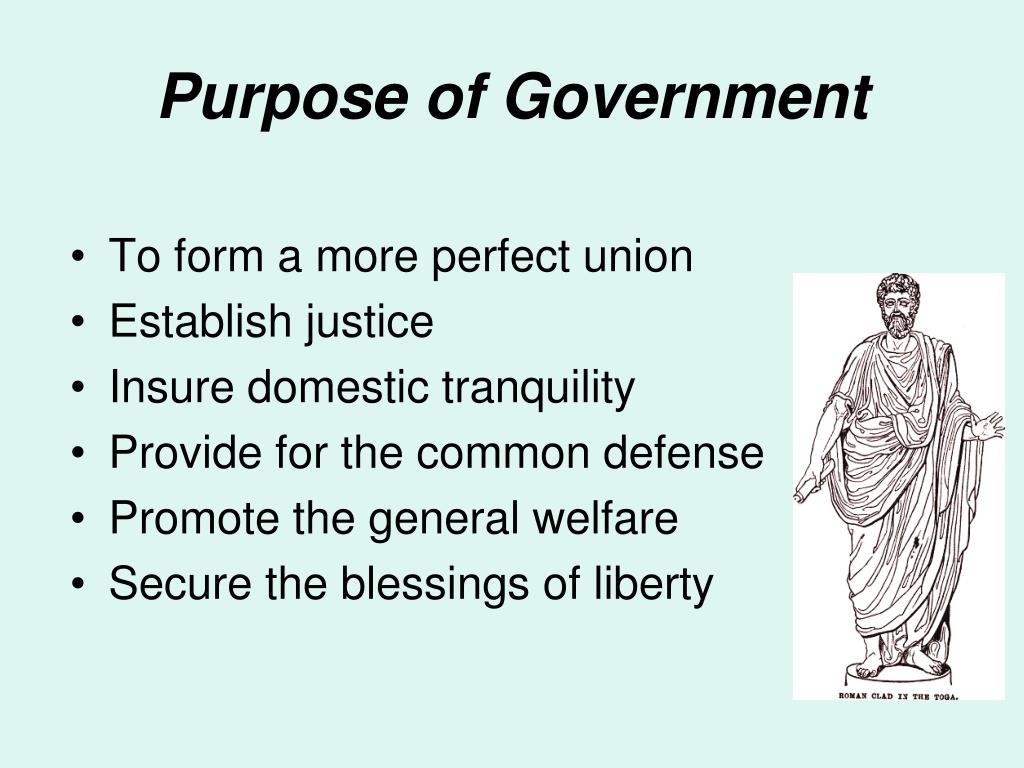
Understanding the purpose of government from a financial perspective requires us to look past the headlines and examine the structural mechanisms that allow markets to function. Without a centralized authority to enforce contracts, manage currency, and address market externalities, the complex financial systems we rely on today would cease to exist. This article explores the economic purpose of government across four critical dimensions: market regulation, public infrastructure investment, macroeconomic management, and the mitigation of systemic risk.
The Guardian of Market Stability: Regulation and Oversight
The primary financial purpose of a government is to create a level playing field where competition can thrive and participants are protected from fraud and systemic collapse. In economic terms, this is often referred to as the correction of market failures. Without government intervention, markets frequently trend toward monopolies or suffer from “information asymmetry,” where one party has an unfair advantage over another.
Preventing Market Failures and Monopolies
Free markets are exceptionally efficient at allocating resources, but they are not self-correcting in all circumstances. One of the core roles of government is to implement and enforce anti-trust legislation. When a single brand or corporation dominates a niche to the point of stifling innovation, the government steps in to ensure that the competitive spirit—the very engine of economic growth—is preserved. By preventing the formation of coercive monopolies, the government ensures that consumers have choices and that smaller businesses have a fair opportunity to enter the marketplace. This regulatory oversight maintains the integrity of the price mechanism, ensuring that costs are dictated by value rather than market manipulation.
Consumer Protection and Financial Integrity
For a financial system to work, there must be a high degree of trust. Investors need to know that the companies they invest in are providing accurate data, and consumers need to know that the financial products they purchase are not deceptive. Government bodies like the Securities and Exchange Commission (SEC) or the Consumer Financial Protection Bureau (CFPB) serve as the “referees” of the financial world. By mandating transparency, audit standards, and fair lending practices, the government reduces the risk premium associated with economic activity. This trust lowers the cost of capital, making it easier for businesses to expand and for individuals to build wealth through long-term investing.
The Architect of Infrastructure: Investing in Public Goods
From a business and money perspective, the government acts as a provider of “public goods”—services that are essential for economic activity but are not profitable for a private company to provide on a universal scale. These investments create a multiplier effect, where every dollar spent by the government generates several dollars of private-sector economic activity.
Physical and Digital Foundations for Commerce
The most visible expression of the government’s purpose is the construction and maintenance of physical infrastructure. Roads, bridges, ports, and railways are the arteries of commerce. Without a state-funded transportation network, the logistics costs for businesses would be astronomical, effectively paralyzing trade. In the modern era, this mandate has expanded to include digital infrastructure. Government initiatives to expand broadband access and secure power grids are essential for the growth of the digital economy. By providing these foundational layers, the government allows private enterprises to focus their capital on innovation and service delivery rather than on building their own basic utility networks.
Education and Human Capital as Economic Drivers
A nation’s most valuable financial asset is its people. The government’s role in funding public education and vocational training is an investment in “human capital.” By ensuring a baseline of literacy, numeracy, and technical skill across the population, the government creates a sophisticated workforce capable of driving high-value industries. From a financial planning perspective, a well-educated populace leads to higher median incomes, increased tax revenue, and a lower reliance on social assistance. This creates a virtuous cycle of economic growth where the government’s “spending” on education is actually a long-term capital investment with a high rate of return for the national economy.
The Macroeconomic Engine: Fiscal Policy and Monetary Coordination
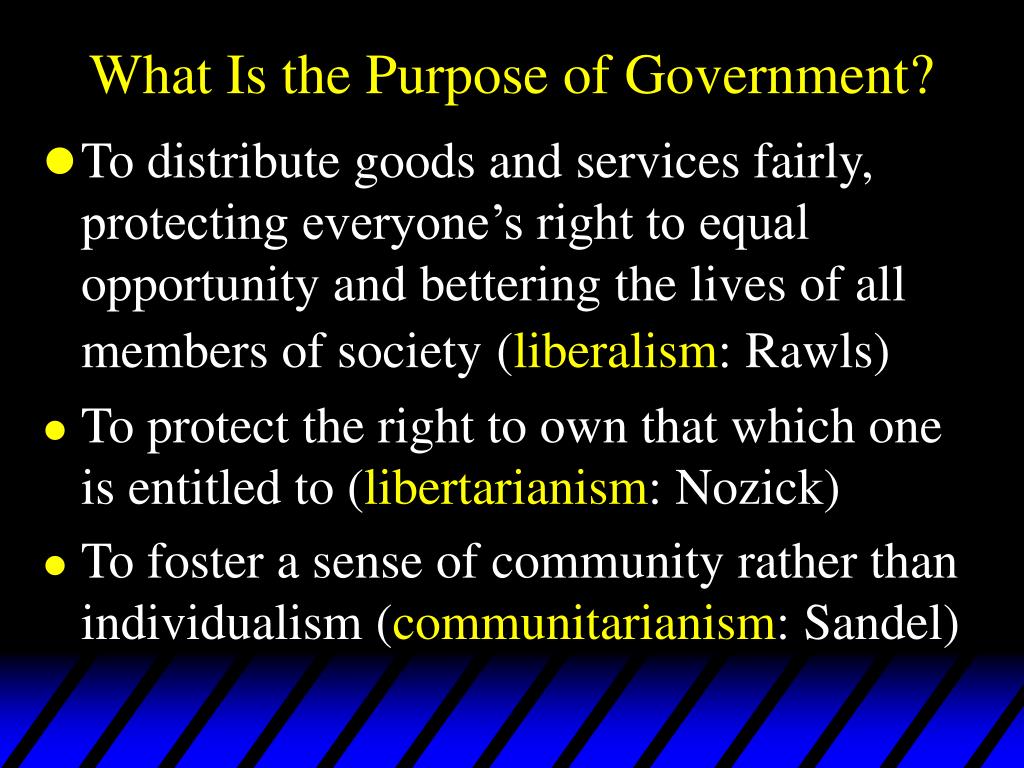
While individual businesses focus on their specific niche, the government is tasked with managing the “Big Picture”—the macroeconomy. This involves balancing growth with stability, a task achieved through the dual levers of fiscal policy and coordination with monetary authorities.
Managing Economic Cycles and Inflation
Economies are naturally cyclical, moving through periods of expansion and recession. Left entirely to their own devices, these cycles can be extreme, leading to hyper-inflation or deep depressions. The purpose of government is to act as a counter-cyclical force. During downturns, the government can utilize fiscal stimulus—increasing spending or cutting taxes—to inject liquidity into the system and encourage consumer spending. Conversely, during periods of over-heating, the government can pull back to prevent the erosion of purchasing power. This stabilization is crucial for long-term financial planning; businesses and investors need a predictable economic environment to make multi-year capital commitments.
The Role of Taxation in Resource Allocation
Taxation is often viewed through a negative lens, but in a functional economy, it is a tool for strategic resource allocation. Beyond simply funding public services, tax policy is used to incentivize behaviors that benefit the economy and disincentivize those that don’t. For example, tax credits for Research and Development (R&D) encourage businesses to innovate, leading to future economic growth. “Sin taxes” on harmful products can offset the long-term healthcare costs that would otherwise burden the economy. By using the tax code to align private interests with public economic health, the government ensures that capital flows toward productive, sustainable activities.
The Social Safety Net: Wealth Distribution and Risk Mitigation
A final, critical purpose of government in the realm of money and finance is the management of social risk. A modern economy is a high-risk environment; automation, globalization, and market shifts can leave segments of the population economically vulnerable. The government serves as a collective insurance policy against these systemic risks.
Balancing Equity with Efficiency
A purely “winner-take-all” economy is inherently unstable. When wealth becomes too concentrated and the barrier to entry for the middle class becomes too high, aggregate demand—the total amount of money spent in the economy—can collapse. The government’s role in wealth redistribution through progressive taxation and social programs is not just a moral project; it is a financial one. By maintaining a robust middle class, the government ensures a steady base of consumers for businesses. This creates a more resilient economic structure that can withstand localized shocks without spiraling into a systemic crisis.
Social Insurance and Long-term Stability
Programs such as Social Security, unemployment insurance, and public healthcare options function as a “safety net” that allows individuals to take the risks necessary for a dynamic economy. When people know they won’t face total financial ruin due to a temporary job loss or a medical emergency, they are more likely to start small businesses, switch to more productive careers, or invest in the stock market. This social insurance lowers the overall “anxiety level” of the economy, fostering an environment of entrepreneurship and long-term financial engagement. By mitigating the downside of the capitalist system, the government actually strengthens the system’s ability to generate upside.
Conclusion: The Government as a Platform for Prosperity
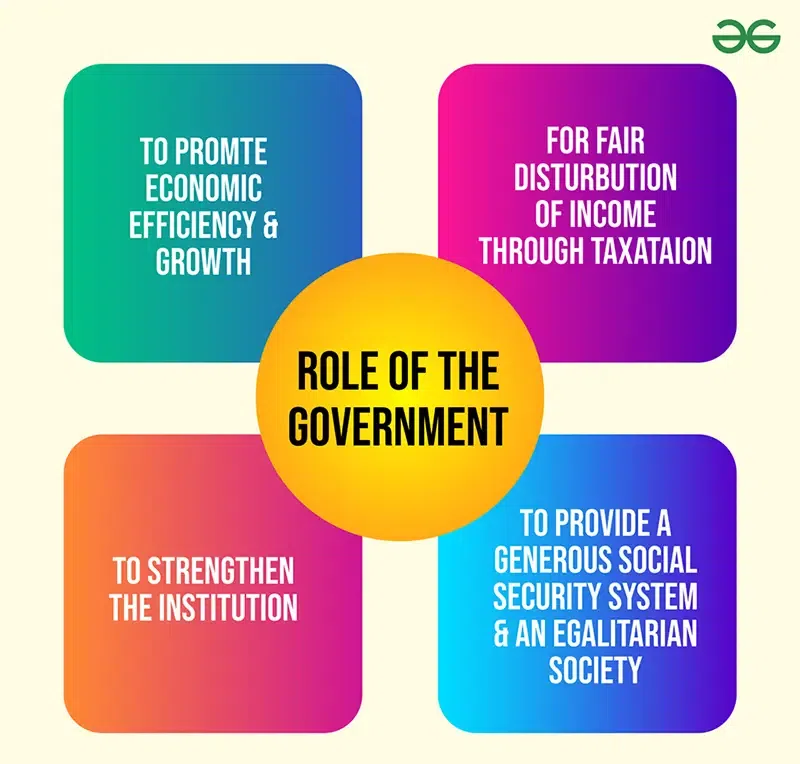
In summary, the purpose of the government within the world of money and finance is to act as a “platform.” Much like a computer’s operating system allows various software applications to run, the government provides the legal, physical, and economic framework that allows the private sector to operate. Through regulation, it ensures fairness; through infrastructure, it provides the tools for growth; through fiscal policy, it ensures stability; and through social safety nets, it manages systemic risk.
When we ask, “what is the purpose of the government?” from a financial perspective, the answer is clear: it is to create the conditions under which sustainable wealth can be generated, protected, and distributed. While the debate over the size of government will always continue, its purpose as the essential backbone of the financial ecosystem is undeniable. For investors, entrepreneurs, and everyday citizens, a functional, transparent, and economically literate government is the most important partner they have in the pursuit of financial prosperity.
aViewFromTheCave is a participant in the Amazon Services LLC Associates Program, an affiliate advertising program designed to provide a means for sites to earn advertising fees by advertising and linking to Amazon.com. Amazon, the Amazon logo, AmazonSupply, and the AmazonSupply logo are trademarks of Amazon.com, Inc. or its affiliates. As an Amazon Associate we earn affiliate commissions from qualifying purchases.