
In today’s complex financial landscape, businesses worldwide grapple with the intricacies of lease accounting standards such as ASC 842 (US GAAP) and IFRS 16. These regulations demand a significant shift in how companies identify, recognize, measure, and disclose lease obligations, moving many off-balance sheet leases onto the balance sheet. Manually managing these processes, especially for organizations with a substantial lease portfolio, is not only time-consuming and error-prone but also poses significant compliance risks. This is where dedicated lease accounting software emerges as an indispensable technological solution, transforming a daunting task into a manageable, accurate, and strategic operation.
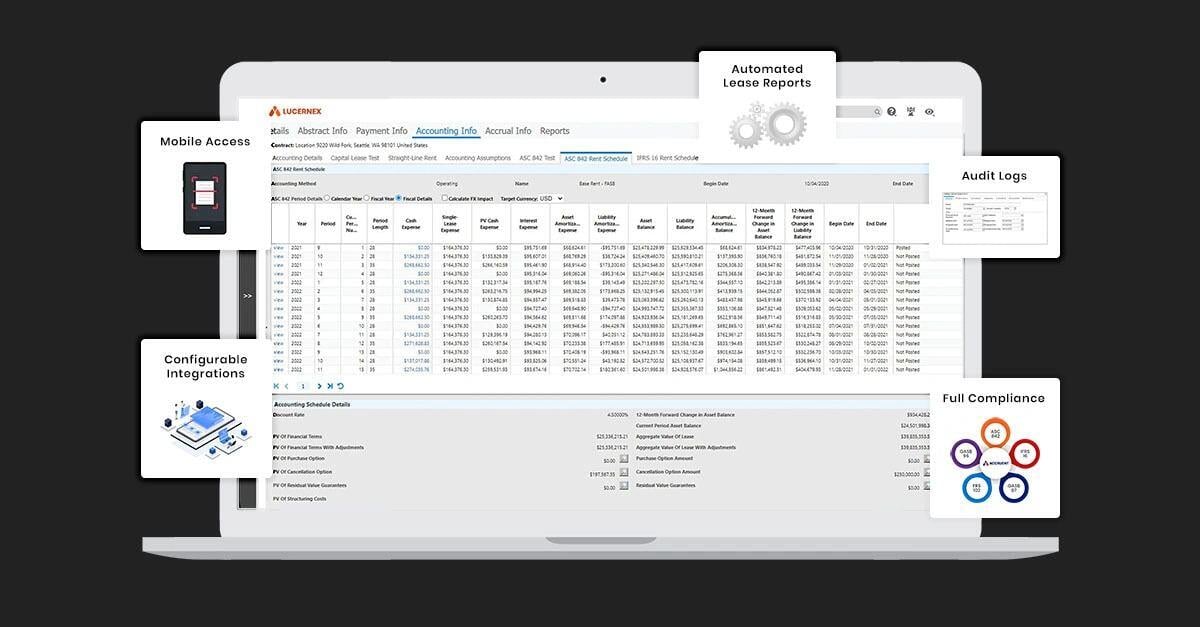
The quest for the “best” lease accounting software isn’t about finding a one-size-fits-all solution, but rather identifying the technology that best aligns with an organization’s specific needs, existing tech stack, and future growth ambitions. It involves a deep dive into functionality, integration capabilities, scalability, and the underlying technological architecture.
Understanding the Imperative: Why Lease Accounting Software Matters
The primary driver for adopting specialized lease accounting software is compliance. However, its benefits extend far beyond merely satisfying regulatory demands, touching upon operational efficiency, data integrity, and strategic decision-making – all facilitated by robust technological frameworks.
Navigating Regulatory Compliance with Precision Technology
The core challenge posed by ASC 842 and IFRS 16 is the rigorous calculation and tracking required for lease liabilities and right-of-use (ROU) assets. This involves complex present value calculations, re-assessment triggers, and amortization schedules for diverse lease types (operating, finance, short-term, low-value). A sophisticated lease accounting software solution is engineered with these specific accounting principles embedded into its algorithms, automating the calculations and ensuring audit-readiness. It serves as a single source of truth for all lease-related data, significantly reducing the risk of non-compliance and potential penalties, thanks to its precise and systematic data processing capabilities.
Streamlining Complex Financial Operations Through Automation
Beyond compliance, the operational efficiencies gained from lease accounting software are substantial. Manual tracking often involves spreadsheets, disparate documents, and human intervention, leading to inefficiencies and errors. Lease accounting software automates data entry, calculation, and reporting processes. It centralizes lease data, providing an organized repository that is easily accessible and auditable. This automation frees up finance teams from tedious, repetitive tasks, allowing them to focus on higher-value activities such as financial analysis and strategic planning. The underlying technology ensures that lease modifications, renewals, and terminations are handled systematically, adjusting the accounting treatment instantaneously.
Enhancing Data Accuracy and Reporting Capabilities
The integrity of financial data is paramount. Errors in lease accounting can have cascading effects on financial statements, investor confidence, and decision-making. Dedicated software minimizes human error by automating calculations and data reconciliation. Furthermore, these platforms come equipped with powerful reporting engines, enabling the generation of standard disclosures (e.g., footnotes, cash flow adjustments) and customizable reports. From a technological standpoint, these systems often leverage advanced database management and reporting frameworks to provide real-time insights, drill-down capabilities, and executive dashboards, presenting a clear and accurate picture of an organization’s lease portfolio at any given moment.
Key Technological Features to Look For in Lease Accounting Software
When evaluating potential solutions, the technological capabilities are paramount. The “best” software will offer a suite of features that not only meet current needs but also provide a scalable and secure foundation for future growth.
Robust Calculation Engines and Rule Configurability
At the heart of any lease accounting software is its calculation engine. This technology must be capable of accurately applying complex accounting standards for various lease types, currencies, and scenarios. It should handle everything from initial recognition to subsequent measurements, including impairments and modifications. Crucially, the system should allow for robust rule configurability, enabling finance teams to adapt the software to specific organizational policies or future regulatory changes without requiring extensive developer intervention. This flexibility ensures the technology remains agile and relevant.
Seamless Integration Capabilities
No software operates in a vacuum. The ability of lease accounting software to seamlessly integrate with existing enterprise resource planning (ERP) systems (e.g., SAP, Oracle, NetSuite), general ledgers, and other financial modules is critical. Integration via APIs (Application Programming Interfaces) or pre-built connectors ensures a smooth flow of data, eliminating manual data transfers and maintaining data consistency across the enterprise. A well-integrated system enhances operational efficiency, reduces data discrepancies, and provides a holistic view of financial health, acting as a cohesive part of the overall tech ecosystem.
Cloud-Native vs. On-Premise Solutions
The deployment model is a significant technological consideration. Cloud-native solutions (Software-as-a-Service, SaaS) offer unparalleled advantages in terms of accessibility, scalability, and lower upfront infrastructure costs. They typically provide automatic updates, robust security protocols managed by the vendor, and anywhere, anytime access. On-premise solutions, while offering greater control over data and customization, demand significant internal IT resources for maintenance, security, and upgrades. For most modern enterprises, the flexibility and cost-efficiency of cloud-native platforms make them the preferred technological choice, aligning with broader digital transformation strategies.
Intuitive User Interface and Experience (UI/UX)
Even the most technologically advanced software can be ineffective if it’s not user-friendly. An intuitive UI/UX is crucial for adoption and efficiency. The interface should be clean, logical, and easy to navigate, minimizing the learning curve for finance professionals. Features like customizable dashboards, drag-and-drop functionalities, and clear visual representations of lease data contribute significantly to a positive user experience. Excellent UI/UX design is a hallmark of superior software engineering, ensuring that users can leverage the full power of the technology without frustration.
Advanced Reporting and Analytics Tools
Beyond standard compliance reports, the best lease accounting software provides advanced analytical capabilities. This includes customizable report builders, scenario analysis tools to model the impact of different lease strategies, and predictive analytics. From a technology perspective, these tools often incorporate data visualization libraries and business intelligence features, transforming raw lease data into actionable insights. The ability to forecast future lease liabilities, analyze portfolio performance, and understand the financial implications of strategic decisions is a significant technological advantage.

Evaluating the Top Contenders: A Technological Lens
When sifting through the numerous offerings in the market, a systematic technological evaluation is essential. Key areas to scrutinize include the platform’s ability to scale, its security posture, and the vendor’s commitment to support and innovation.
Scalability and Performance
An organization’s lease portfolio can grow, shrink, or become more complex over time. The “best” lease accounting software must be technologically scalable, capable of handling an increasing volume of leases, users, and data without performance degradation. This relates to the underlying database architecture, server infrastructure (especially for cloud solutions), and efficient algorithm design. A scalable solution ensures that the initial investment in technology continues to yield returns as the business evolves, preventing the need for costly migrations or replacements down the line.
Security and Data Protection Protocols
Lease contracts contain sensitive financial and operational data. Therefore, the security framework of the software is non-negotiable. Top-tier lease accounting solutions adhere to stringent data protection standards, including robust encryption protocols (in-transit and at-rest), multi-factor authentication, regular security audits, and compliance with privacy regulations (e.g., GDPR, CCPA). For cloud solutions, inquire about the vendor’s data center security, disaster recovery plans, and uptime guarantees. A secure platform protects your critical financial data from unauthorized access, breaches, and operational disruptions.
Vendor Support, Implementation Services, and Technological Roadmap
The best technology is only as good as the support behind it. Evaluate vendors based on their implementation methodology, training programs, and ongoing technical support. A strong implementation team can ensure a smooth transition and proper configuration of the software to match your specific accounting policies and system integrations. Furthermore, assess the vendor’s technological roadmap. A forward-thinking vendor consistently invests in research and development, introducing new features, enhancing existing ones, and adapting to future technological trends and regulatory changes. This ensures the software remains cutting-edge and future-proof.
The Future of Lease Accounting Technology
The evolution of lease accounting software is dynamic, with emerging technologies poised to further enhance its capabilities and intelligence. Organizations should consider solutions that are not just compliant today but are also built on a flexible architecture ready for tomorrow’s innovations.
AI and Machine Learning Integration
Artificial intelligence (AI) and machine learning (ML) are set to revolutionize various aspects of lease accounting. AI-powered tools can automate the extraction of key data points from lease contracts (e.g., lease term, payment schedules, discount rates) using natural language processing (NLP), significantly reducing manual data entry and improving accuracy. ML algorithms can identify patterns, predict future lease trends, flag potential re-assessment triggers, and even assist in optimizing lease vs. buy decisions by analyzing vast datasets. The integration of these intelligent technologies promises to make lease accounting software more predictive, efficient, and strategic.
Blockchain for Enhanced Transparency and Security
While still in nascent stages for lease accounting, blockchain technology holds promise for creating immutable, transparent, and secure records of lease agreements. Smart contracts on a blockchain could automatically execute lease payments or trigger re-assessments based on predefined conditions, minimizing disputes and administrative overhead. This distributed ledger technology could enhance auditability and trust among parties, representing a significant technological leap in contract management and verification.
Predictive Analytics for Lease Portfolio Optimization
Beyond just reporting, future lease accounting software will leverage predictive analytics to offer deeper insights. By analyzing historical data and external market factors, these systems can project future lease liabilities, identify opportunities for lease optimization (e.g., renegotiating terms, exercising options), and provide scenarios for different strategic choices. This transforms the software from a mere compliance tool into a powerful strategic asset, guiding financial decisions with data-driven forecasts.
Making the Right Choice: A Strategic Technology Investment
Selecting the best lease accounting software is a critical strategic technology investment that impacts compliance, operational efficiency, and financial reporting. It requires a thoughtful evaluation process, focusing not just on current needs but also on future scalability and technological advancements.
Assessing Your Organization’s Specific Needs
Before diving into product comparisons, thoroughly define your organization’s unique requirements. This includes the size and complexity of your lease portfolio, the specific regulatory standards you must adhere to, your existing ERP and general ledger systems, internal IT capabilities, and budget constraints. A clear understanding of these parameters will help narrow down the technological solutions that are a true fit.
Pilot Programs and Vendor Demos
Once a shortlist of contenders is established, engage in comprehensive product demonstrations and, if possible, pilot programs. This allows your finance and IT teams to experience the software firsthand, test its features with your actual data, and assess its user-friendliness and integration capabilities in a real-world context. This practical evaluation is invaluable for making an informed decision about the technology’s suitability.

Total Cost of Ownership (TCO) from a Tech Perspective
Beyond the initial licensing or subscription fees, consider the total cost of ownership (TCO). This includes implementation costs (consulting, integration), ongoing maintenance and support fees, training costs, and potential future upgrade expenses. For cloud solutions, understand the pricing model for scaling usage. A holistic view of TCO ensures that the chosen technological solution is not only functionally superior but also financially sustainable over its lifecycle.
In conclusion, the “best” lease accounting software is a robust, scalable, and secure technological solution that automates compliance, streamlines operations, enhances data accuracy, and provides actionable insights. By carefully evaluating features like calculation engines, integration capabilities, UI/UX, and future technological roadmaps, organizations can select a platform that not only meets today’s stringent regulatory demands but also acts as a strategic enabler for future financial success in an increasingly complex digital world.
aViewFromTheCave is a participant in the Amazon Services LLC Associates Program, an affiliate advertising program designed to provide a means for sites to earn advertising fees by advertising and linking to Amazon.com. Amazon, the Amazon logo, AmazonSupply, and the AmazonSupply logo are trademarks of Amazon.com, Inc. or its affiliates. As an Amazon Associate we earn affiliate commissions from qualifying purchases.