
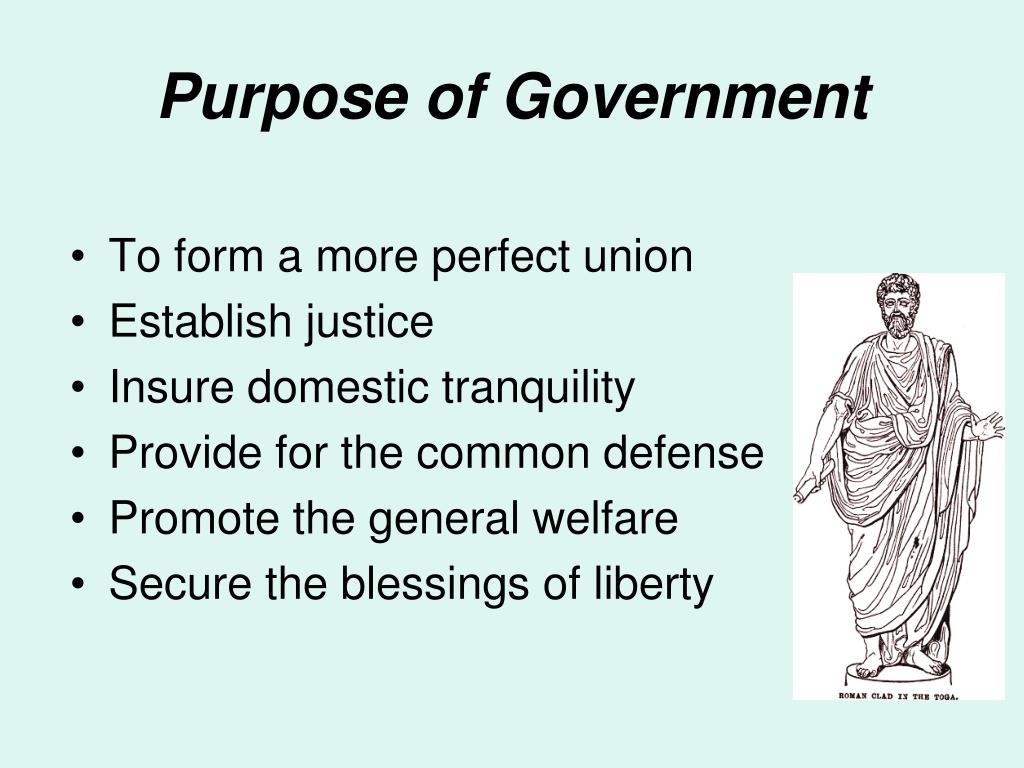
In the realm of personal finance and global markets, the government is often viewed through a lens of skepticism, characterized primarily by the taxes it collects or the regulations it imposes. However, from a purely financial and business perspective, the fundamental purpose of government is to act as the ultimate economic architect. Without a structured governing body, the modern financial ecosystem—comprising global stock exchanges, complex credit markets, and digital currencies—would lack the stability necessary for growth. The government’s role is to create the “playing field” upon which private enterprise competes, ensuring that capital can flow efficiently and that the risks inherent in a market economy remain manageable for both individuals and institutions.
The Guardian of Market Integrity and Fair Play
At its most basic level, the economic purpose of government is to establish and enforce the rules of engagement. In a vacuum, markets are prone to volatility and exploitation; the government provides the legal framework that transforms a chaotic environment into a reliable system for wealth creation.
Enforcing Property Rights and Contracts
The bedrock of all investment and business finance is the concept of property rights. If an investor cannot be certain that their ownership of an asset—be it real estate, intellectual property, or corporate equity—will be protected by law, the incentive to invest evaporates. The government’s judicial system serves as the final arbiter of contract law. When two parties enter a financial agreement, the government provides the assurance that the terms will be upheld, or that restitution will be provided if they are breached. This certainty reduces the “risk premium” associated with business dealings, lowering the cost of capital and allowing markets to function smoothly.
Regulating Monopolies and Competition
Free markets are not naturally self-sustaining in their competitive state. Left unchecked, successful firms often consolidate power to the point of stifling innovation and gouging consumers, a phenomenon known as market failure. The government’s purpose here is to act as a referee through antitrust laws and competition policy. By preventing the formation of predatory monopolies, the government ensures that new entrants—startups and small businesses—have a fair chance to compete. This fosters a dynamic economy where capital is allocated based on efficiency and innovation rather than sheer size and historical dominance.
Macroeconomic Management: Smoothing the Boom-Bust Cycle
For the individual investor and the corporate CFO, the government’s most visible purpose is its role in macroeconomic management. The “invisible hand” of the market is prone to extreme cycles of euphoria and despair. The government, primarily through fiscal policy and its relationship with central banks, seeks to dampen these swings to maintain a stable environment for long-term financial planning.
Monetary Policy and Inflation Control
While many central banks operate with a degree of independence, they are an extension of the government’s sovereign authority to manage the nation’s money supply. The primary goal is price stability. Inflation is the silent predator of personal finance, eroding the purchasing power of savings and complicating long-term investment strategies. By adjusting interest rates and managing the money supply, the government attempts to keep inflation within a predictable range. This predictability is essential for the debt markets; without it, lenders would demand prohibitively high interest rates to protect against future currency devaluation, effectively freezing the credit markets.
Fiscal Policy: Taxation and Stimulus
Fiscal policy is the government’s most direct lever for influencing the economy. Through taxation, the government gathers the resources necessary to function, but the structure of that taxation also serves as an incentive or disincentive for specific financial behaviors. For instance, capital gains tax rates or R&D tax credits are designed to steer private capital toward long-term investment and innovation. Conversely, during periods of economic contraction, the government’s purpose is to provide “counter-cyclical” support. By increasing spending or cutting taxes, the government can inject liquidity into a stalling economy, preventing a temporary downturn from becoming a systemic collapse.
Infrastructure and Public Goods: The Foundation of Private Growth
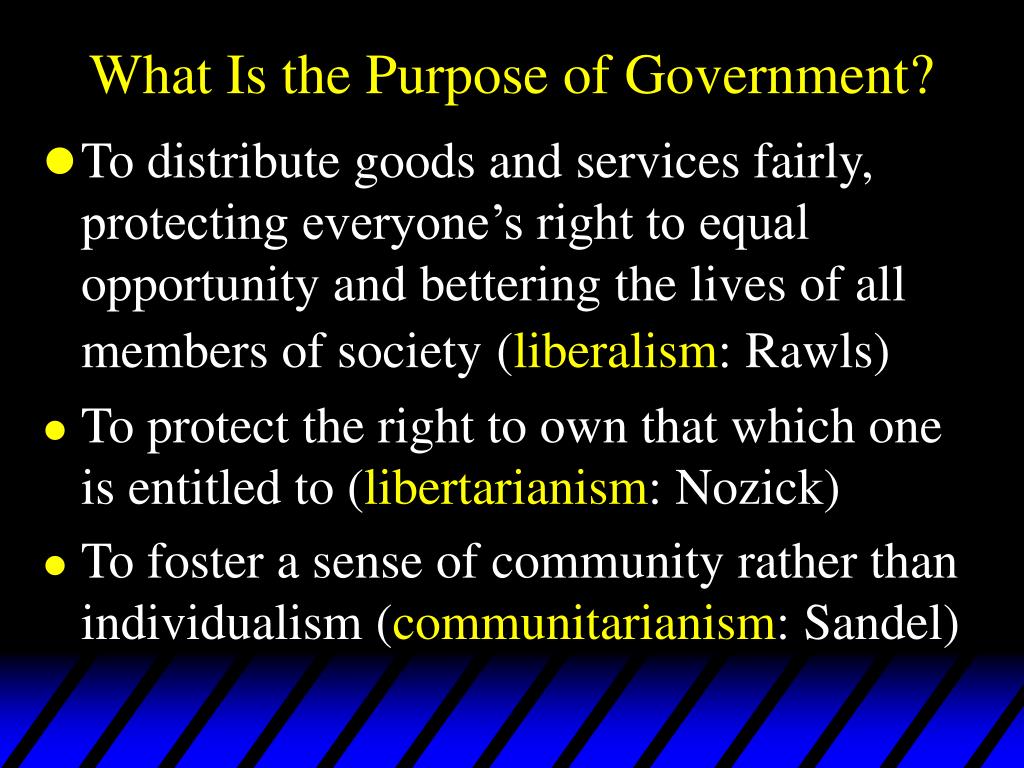
No business exists in a vacuum. The profitability of a corporation or the success of a side hustle often depends on a vast network of “public goods”—services that the private market is often unwilling or unable to provide because they are not easily monetizable at the individual level.
Hard Infrastructure: From Roads to Digital Grids
The physical infrastructure of a nation is the skeletal system of its economy. Roads, bridges, ports, and power grids are massive capital projects with long-term payoffs that often exceed the lifespan of private investment horizons. The government’s purpose is to fund and manage these assets, which act as a “force multiplier” for private business. An efficient logistics network reduces the cost of doing business, while a stable energy grid is a prerequisite for any modern tech-driven enterprise. In the 21st century, this role has expanded to include the rollout of high-speed digital infrastructure, ensuring that the digital economy has the bandwidth necessary for global commerce.
Soft Infrastructure: Education and Healthcare
While physical assets are vital, “human capital” is the ultimate driver of economic value. The government invests in soft infrastructure—education and public health—to ensure a productive and capable workforce. From a business finance perspective, a well-educated population reduces the costs of training and increases the rate of technological adoption. Public health initiatives, meanwhile, protect the economy from the massive productivity losses associated with widespread illness. By subsidizing or providing these services, the government ensures that the labor market remains resilient and adaptable to changing economic demands.
Wealth Redistribution and the Social Safety Net
The purpose of government also extends to managing the social externalities of a market economy. While capitalism is highly efficient at generating wealth, it does not naturally distribute that wealth in a way that ensures social cohesion or long-term systemic stability.
Mitigating Systemic Risk Through Social Insurance
The government provides a safety net that functions as a form of national insurance. Programs like unemployment benefits, social security, and disability insurance act as stabilizers. During economic shocks, these programs ensure that consumer spending—the primary engine of many modern economies—does not drop to zero. For the financial sector, this provides a floor for demand, preventing the “vicious cycle” where job losses lead to decreased spending, which in turn leads to more job losses.
Promoting Equal Opportunity in the Marketplace
Economic mobility is a key indicator of a healthy financial system. If wealth remains stagnant within a small elite, the economy loses out on the potential contributions of millions of individuals. The government’s purpose is to level the playing field through progressive taxation and targeted social programs. By funding scholarships, small business grants, and low-interest housing loans, the government ensures that talent is not wasted due to a lack of initial capital. This broadens the base of the economy, creating more consumers, more investors, and more entrepreneurs.
Global Trade and Financial Diplomacy
In an era of globalization, no national government can fulfill its purpose by looking only inward. The government serves as the primary representative of the nation’s economic interests on the world stage, negotiating the terms under which capital and goods cross borders.
Trade Agreements and Market Access
For businesses looking to scale, international markets represent the greatest opportunity. The government’s role is to negotiate trade agreements that reduce tariffs and eliminate non-tariff barriers. By doing so, they expand the “Total Addressable Market” for domestic companies. These agreements also provide a framework for resolving international commercial disputes, giving companies the confidence to invest in foreign operations without the fear of arbitrary expropriation or unfair treatment by foreign jurisdictions.
Currency Stability and International Reserves
The government also manages the nation’s relationship with the global financial system. By maintaining foreign exchange reserves and participating in international organizations like the IMF or the World Bank, governments work to prevent currency crises that can wipe out the value of international investments overnight. For the global investor, the strength and stability of a government’s diplomatic relations are just as important as its internal balance sheet.
In conclusion, while the government is often criticized for its inefficiencies, its fundamental purpose in the niche of money and finance is indispensable. It provides the legal certainty, the macroeconomic stability, the physical and human infrastructure, and the global diplomatic framework that allow individuals to build wealth and businesses to flourish. Without the government acting as the architect and regulator of the economic system, the pursuit of financial independence would be a far more perilous and less productive endeavor.
aViewFromTheCave is a participant in the Amazon Services LLC Associates Program, an affiliate advertising program designed to provide a means for sites to earn advertising fees by advertising and linking to Amazon.com. Amazon, the Amazon logo, AmazonSupply, and the AmazonSupply logo are trademarks of Amazon.com, Inc. or its affiliates. As an Amazon Associate we earn affiliate commissions from qualifying purchases.