
Wimbledon, the oldest and most prestigious tennis tournament in the world, is synonymous with tradition, excellence, and sporting drama. Beyond the pristine white attire, the iconic Centre Court, and the strawberries and cream, lies a significant financial aspect that underpins the entire event: its prize money. Far from being a mere footnote, the prize money at Wimbledon is a critical component of its allure, attracting the world’s top talent and shaping the careers of countless athletes. For players, it represents not just a reward for victory, but often the lifeblood of their professional journey, covering training costs, travel, and the myriad expenses associated with competing at an elite level. For the All England Lawn Tennis Club (AELTC), it’s a carefully calculated investment, reflecting the tournament’s financial health, its commitment to the sport, and its role within the global sports economy. Understanding Wimbledon’s prize money structure offers a fascinating glimpse into the economics of professional tennis, revealing how a centuries-old institution navigates the demands of a multi-billion-dollar global sport.
The Financial Grandeur of Wimbledon: A Tradition of Generosity
Wimbledon’s esteemed status in the tennis world isn’t solely built on its historical roots or its unique grass courts; its financial commitment to players is a significant factor. As one of the four Grand Slams, alongside the Australian Open, French Open, and US Open, it occupies the pinnacle of the sport, and its prize money naturally reflects this standing. The substantial payouts underscore the tournament’s economic power and its ability to attract the absolute best athletes globally, ensuring a spectacle of unparalleled competition.
Wimbledon’s Place in the Tennis Ecosystem
Within the professional tennis ecosystem, the Grand Slams are not just major sporting events; they are also the primary engines for player earnings. For many players, especially those outside the top 50, performing well at a Grand Slam can represent a substantial portion, if not the majority, of their annual income. Wimbledon’s prize money sets a high benchmark, influencing the financial viability of other tournaments and contributing to the overall growth and sustainability of the professional tour. Its commitment to increasing prize money over the years demonstrates a clear understanding of its responsibility to the sport and its athletes, ensuring that tennis remains a lucrative and aspirational career path.
Evolution of Prize Money: From Amateurs to Professionals
The concept of “prize money” at Wimbledon has evolved dramatically since its inception in 1877. For much of its early history, Wimbledon, like other major sporting events, adhered strictly to amateur ideals. Professional players were initially banned, and even when they were allowed, prize money was either non-existent or minimal, often taking the form of vouchers or expenses. The “Open Era” in 1968 marked a pivotal shift, ushering in professionalism and with it, significant monetary rewards. This transformation was not merely symbolic; it democratized the sport, allowing players from all backgrounds to pursue tennis as a viable career. From modest sums in the late 20th century, the total prize fund has soared into tens of millions of pounds, reflecting the exponential growth in global broadcasting rights, sponsorship deals, and overall commercial interest in tennis. This evolution highlights how the tournament has adapted to modern sports economics while striving to maintain its cherished traditions.
Decoding the Prize Money Structure
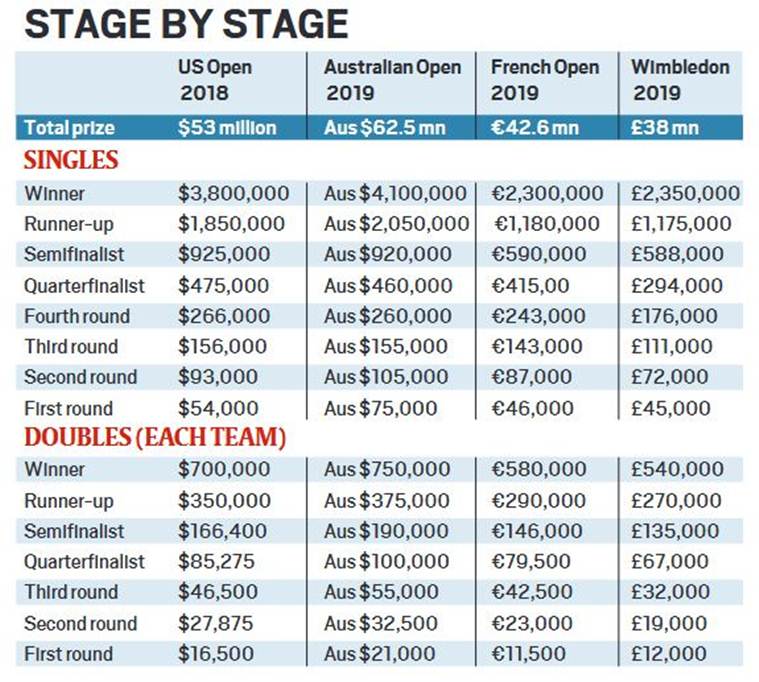
Wimbledon’s prize money is meticulously structured to reward success at every stage of the tournament, though with a clear emphasis on those who advance furthest. This tiered system ensures that while champions receive life-changing sums, even players who exit in the early rounds receive substantial compensation, acknowledging the effort, travel, and training costs involved in qualifying and competing.
Singles Champions: The Ultimate Financial Reward
For the winners of the Gentlemen’s and Ladies’ Singles titles, the prize money is truly grand. These champions receive the largest individual payouts, symbolizing their ultimate triumph. Historically, there was a disparity between men’s and women’s prize money, but Wimbledon made a landmark decision in 2007 to award equal prize money to both male and female champions. This commitment to parity set a crucial precedent and solidified Wimbledon’s progressive stance on gender equality in sports. The seven-figure sum awarded to the singles champions not only provides immense financial security but also dramatically boosts their marketability for endorsements and future earnings, solidifying their status as global sporting icons.
Runners-Up and Early Exits: A Tiered Compensation System
While the champions take the lion’s share, Wimbledon’s prize money structure ensures that every player who enters the main draw is financially rewarded. The runner-up in each singles event receives a substantial sum, typically half of what the champion earns, a testament to their exceptional performance in reaching the final. As players progress through the rounds, the prize money increases significantly at each stage. For example, quarter-finalists receive more than fourth-round losers, who in turn receive more than third-round losers, and so on. Even players eliminated in the first round receive a noteworthy sum, which is crucial for lower-ranked players whose livelihoods depend on tournament winnings to cover travel, coaching, and accommodation expenses throughout the year. This tiered system effectively acts as a critical financial safety net and incentive for a wide array of professional tennis players.
Doubles and Mixed Doubles: Different Payouts
The prize money for doubles and mixed doubles events is structured differently from singles, reflecting the nature of team competition. While still substantial, the overall prize pool for these categories is typically smaller than for singles, and the winnings are shared among the team members. Doubles specialists, for whom these events are their primary focus, rely heavily on these earnings. The prize money for winning the Gentlemen’s, Ladies’, and Mixed Doubles titles provides significant financial rewards for these athletes, acknowledging their specialized skills and contributions to the tournament’s entertainment value.
Wheelchair Tennis: Parity and Recognition
In a significant move towards greater inclusivity and recognition, Wimbledon has also substantially increased the prize money for its Wheelchair Singles and Doubles events. This commitment ensures that athletes with disabilities are appropriately rewarded for their immense talent and dedication. The growing financial recognition in wheelchair tennis not only supports the professional careers of these athletes but also elevates the profile of the sport, encouraging wider participation and appreciation. It underscores Wimbledon’s broader ethical commitment to ensuring that all forms of elite tennis are valued and celebrated.
The Economic Impact Beyond the Court
The financial implications of Wimbledon prize money extend far beyond the immediate payout to the winning players. It ripples through various sectors, influencing player careers, shaping endorsement landscapes, and even impacting national economies. The money generated and distributed at Wimbledon is a powerful economic force that fuels the professional tennis industry and contributes to a broader financial ecosystem.
Player Earnings and Career Sustainability

For elite athletes, particularly those not consistently winning Grand Slams, prize money from tournaments like Wimbledon is the bedrock of their financial stability. It directly funds their careers, covering essential expenses such as coaches, physiotherapists, travel, accommodation, and equipment. For many professional tennis players, especially those ranked outside the top 100, prize money from Grand Slams can make the difference between a sustainable career and being forced to abandon their dreams. It allows them to invest in their training, improve their game, and continue competing on the global stage, ensuring a robust and competitive field year after year. Without significant prize money, the professional tennis circuit would be far less accessible and diverse.
Sponsorships, Endorsements, and Brand Value
Winning or performing exceptionally well at Wimbledon dramatically enhances a player’s commercial appeal and brand value. The exposure gained from deep runs in such a high-profile tournament directly translates into lucrative sponsorship and endorsement deals with major global brands. A Wimbledon champion, for instance, becomes an instant global ambassador, attracting partnerships that can far exceed their on-court winnings over the course of their career. These endorsements provide additional, often more stable, income streams, allowing players to diversify their financial portfolios and build lasting personal brands. For companies, associating with a Wimbledon victor offers unparalleled marketing opportunities and global reach. This synergy between on-court success and off-court earnings is a critical component of the financial model for top-tier athletes.
Tax Implications and Financial Planning for Athletes
While the gross prize money figures are impressive, players do not take home the full amount. A significant portion is deducted for taxes, which vary depending on the player’s nationality, residency, and specific tax treaties between the UK and their home country. Additionally, agents’ fees, which can range from 10-20% of prize money, further reduce the net earnings. This necessitates sophisticated financial planning for professional athletes. Many top players employ dedicated financial advisors, accountants, and wealth managers to navigate complex international tax laws, invest wisely, and ensure their long-term financial security. The prize money thus becomes the starting point for a comprehensive financial strategy, rather than simply a windfall.
The Business of Wimbledon: Funding the Payouts
The staggering sums allocated as prize money at Wimbledon don’t materialize out of thin air. They are the result of a sophisticated and highly profitable business operation run by the All England Lawn Tennis Club (AELTC). Understanding how Wimbledon generates its revenue provides crucial insight into its capacity to offer such generous financial rewards while also maintaining its status as a world-class sporting event.
Revenue Streams: Tickets, Broadcast Rights, and Merchandise
Wimbledon’s primary revenue streams are diverse and robust. Broadcast rights represent the largest portion of its income. Global television networks pay enormous sums for the exclusive rights to broadcast the tournament to audiences worldwide, eager to capture the drama and prestige of the event. Beyond broadcasting, ticket sales are a major contributor, with demand consistently outstripping supply for access to the iconic courts. The tournament also generates significant income from corporate hospitality packages, offering premium experiences to businesses and high-net-worth individuals. Merchandise sales, featuring the distinctive Wimbledon brand, and sponsorship deals with carefully selected global partners (who align with Wimbledon’s traditional values) further bolster the AELTC’s coffers. These multiple income streams collectively allow Wimbledon to invest heavily in its infrastructure, player facilities, and, crucially, its prize money fund.
Balancing Tradition with Commercial Success
One of the AELTC’s enduring challenges is to balance its deep-rooted traditions and quintessential British charm with the commercial imperatives of a modern global sporting enterprise. The significant increases in prize money over the years reflect the need to remain competitive with other Grand Slams and attract top talent, which in turn drives viewership and commercial interest. Yet, Wimbledon has steadfastly avoided over-commercialization, maintaining strict rules on player attire (all white), limited on-court advertising, and a unique atmosphere. This delicate balance is key to its brand identity and enduring appeal, proving that financial success doesn’t necessarily require sacrificing heritage. The AELTC’s strategic management ensures that commercial growth serves to enhance the tournament experience for both players and spectators, rather than detract from it.
Investing in the Future of Tennis
A significant portion of Wimbledon’s profits is not just paid out in prize money but is also reinvested into the future of tennis. This includes substantial investments in improving facilities, such as court upgrades, new training complexes, and spectator amenities, ensuring Wimbledon remains at the forefront of sports venues. Furthermore, the AELTC actively supports junior tennis development, grassroots programs, and charitable initiatives aimed at growing the sport both within the UK and internationally. This commitment to reinvestment is a testament to Wimbledon’s broader mission: to uphold the excellence of tennis and inspire future generations of players and fans. This long-term financial strategy ensures the continued prosperity of the tournament and the sport as a whole.
Wimbledon’s Role in Global Sports Economics
Wimbledon’s influence extends far beyond the confines of its courts and its immediate financial transactions. As a global sporting institution, it plays a significant role in the broader landscape of sports economics, setting benchmarks, stimulating local economies, and influencing how value is perceived in professional sports.
Setting Benchmarks for Other Tournaments
As a premier Grand Slam event, Wimbledon often sets the standard for prize money levels and facility quality for other tournaments on the ATP and WTA tours. Its decisions regarding prize fund increases can create pressure on other events to follow suit, contributing to a general upward trend in player compensation across professional tennis. This competitive dynamic ensures that players are fairly compensated for their talent and effort, elevating the financial health of the entire sport. Wimbledon’s influence as an industry leader means that its economic strategies and financial commitments have ripple effects throughout the global tennis calendar, benefiting players and smaller tournaments alike.
Contribution to the UK Economy
Beyond the direct financial benefits to players and the AELTC, Wimbledon makes a substantial contribution to the wider UK economy. The tournament attracts hundreds of thousands of visitors from around the globe, boosting the local hospitality sector, including hotels, restaurants, and transport services in London and the surrounding areas. It creates thousands of temporary jobs during the two-week period, from security and catering staff to media and logistics personnel. The international media coverage generated by Wimbledon also acts as an invaluable marketing tool for London and the UK, promoting tourism and investment. This economic footprint underscores Wimbledon’s status as a major cultural and financial asset for the nation.

The Spectator’s Investment: Value for Money
For the millions of fans who watch Wimbledon, either live or through broadcast, there’s also a significant financial and emotional investment. Spectators spend money on tickets, travel, merchandise, and subscriptions to watch the event. In return, they receive unparalleled sporting entertainment and the opportunity to witness history being made. This “spectator’s investment” is crucial; it’s their engagement and willingness to spend that ultimately fuels the massive revenue streams that enable Wimbledon to offer its prize money. The perceived value for money, in terms of entertainment quality and memorable experiences, ensures continued fan loyalty and engagement, which is the ultimate driver of the tournament’s financial success and its ability to continue offering such prestigious rewards.
In conclusion, the prize money at Wimbledon is far more than just a figure; it is a complex financial ecosystem that reflects the tournament’s history, its evolution into a professional sport, its commercial prowess, and its deep commitment to the athletes who grace its courts. It underpins careers, drives economic activity, and ultimately sustains the legend of the greatest grass-court tournament in the world.
aViewFromTheCave is a participant in the Amazon Services LLC Associates Program, an affiliate advertising program designed to provide a means for sites to earn advertising fees by advertising and linking to Amazon.com. Amazon, the Amazon logo, AmazonSupply, and the AmazonSupply logo are trademarks of Amazon.com, Inc. or its affiliates. As an Amazon Associate we earn affiliate commissions from qualifying purchases.