
A stock exchange stands as a cornerstone of modern financial systems, a sophisticated marketplace whose primary purpose extends far beyond mere transaction processing. At its core, a stock exchange serves as a regulated platform designed to facilitate the buying and selling of financial securities, primarily stocks, bonds, and other derivatives. However, its significance permeates the entire economic landscape, touching upon capital formation, investment opportunities, economic growth, and market integrity. Understanding its multifaceted functions is crucial for anyone interested in finance, investing, or the broader economy.
Facilitating Capital Formation for Businesses
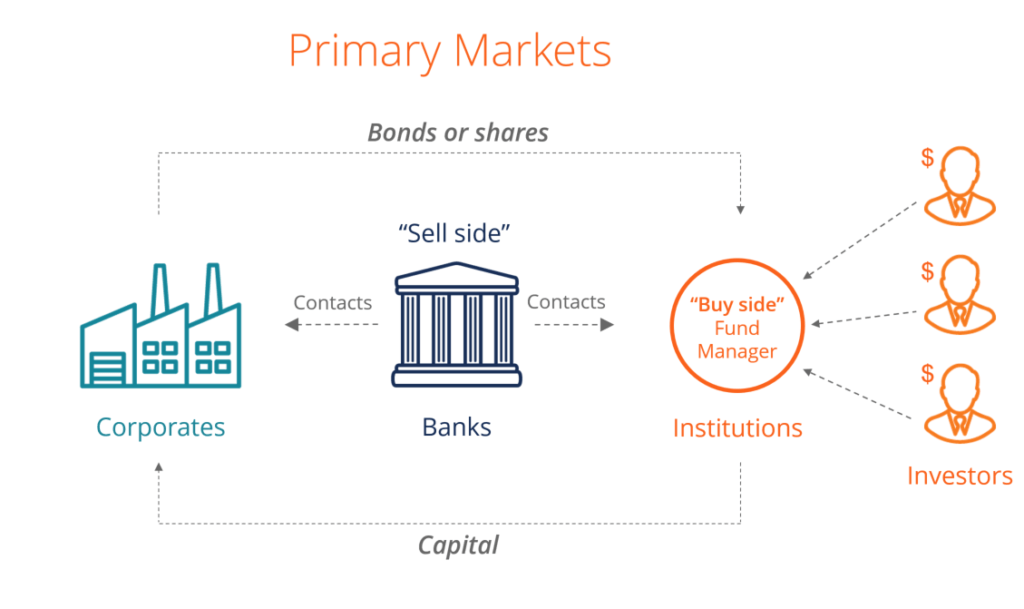
One of the most vital functions of a stock exchange is to enable businesses to raise capital efficiently. This process, known as capital formation, is fundamental for companies to grow, innovate, and contribute to the economy.

Raising Equity Capital
For companies seeking substantial funding, the stock exchange provides a critical avenue: going public. This typically involves an Initial Public Offering (IPO), where a private company offers its shares to the public for the first time. By issuing shares on an exchange, companies can access a vast pool of capital from individual investors, institutional funds, and other entities that might not be available through traditional bank loans or private funding rounds. This equity capital is non-debt financing, meaning companies don’t have to repay it with interest, providing a stable foundation for long-term strategies. Funds raised through IPOs are often earmarked for significant investments, such as expanding operations, developing new products, conducting research and development, acquiring other businesses, or paying down existing debt. Without the ability to tap into public markets, many innovative and growing companies would struggle to secure the necessary capital to reach their full potential.
Advantages for Companies
Listing on a stock exchange offers several strategic advantages for businesses. Beyond the immediate capital injection, it significantly enhances a company’s visibility and public profile. A listed status often confers greater credibility and prestige, which can be beneficial for attracting customers, partners, and top talent. Furthermore, being publicly traded provides a clear valuation mechanism for the company, as its market capitalization is transparently determined by supply and demand for its shares. This can be useful for mergers and acquisitions, employee stock option programs, and strategic planning. The liquidity provided by the exchange also makes it easier for early investors and founders to eventually exit their positions, incentivizing initial venture capital and angel investment in the first place.
Providing Liquidity and Fair Valuation for Investors
For investors, the stock exchange is equally indispensable, offering a mechanism to participate in the growth of companies and manage their financial assets.
The Importance of Liquidity
Liquidity refers to the ease with which an asset can be converted into cash without affecting its market price. For investors, high liquidity is paramount. The stock exchange ensures that there is a continuous market for shares, allowing investors to buy or sell their holdings quickly and efficiently when they choose. Without this liquidity, investors would be hesitant to purchase shares, fearing they might be unable to sell them later without incurring significant losses or long delays. The exchange aggregates buy and sell orders from countless participants, ensuring that there are almost always willing buyers for sellers and vice-versa. This constant activity makes financial assets attractive and accessible, encouraging investment.
Price Discovery and Market Efficiency
A key function of the stock exchange is price discovery. Through the continuous interaction of supply and demand, the exchange facilitates the determination of fair market prices for securities. Every trade executed on the exchange reflects the consensus valuation of that security at that precise moment, incorporating all available public information. This transparency and constant price updating lead to more efficient markets, where prices reflect true underlying value as closely as possible. Investors can have confidence that the price they pay or receive for a stock is a fair representation of its market value, based on collective intelligence. Brokers, market makers, and advanced trading algorithms all contribute to this intricate dance of price formation.
Investor Participation
The stock exchange opens up opportunities for both individual and institutional investors to allocate their capital in productive enterprises. Individuals can invest in public companies to potentially grow their wealth through capital appreciation and dividends, participating directly in the economic success of various industries. Institutional investors, such as pension funds, mutual funds, and hedge funds, use the exchange to manage vast sums of money on behalf of their clients, diversifying portfolios and seeking returns. This broad participation ensures a dynamic market where capital is constantly reallocated to its most productive uses, supporting the overall financial ecosystem.
Enabling Economic Growth and Development
Beyond its direct roles in capital formation and investment, the stock exchange plays a critical role in fostering broader economic prosperity.
Channeling Savings into Investment
Stock exchanges act as crucial conduits, transforming individual and corporate savings into productive investments. Rather than letting money lie dormant, the stock market provides a mechanism for individuals and institutions to deploy their capital into companies that can use it to create jobs, innovate, and expand. This efficient allocation of capital is a fundamental driver of economic growth. By connecting those with surplus capital (savers/investors) with those who need capital (businesses), exchanges facilitate the engine of progress, fostering innovation, productivity improvements, and overall societal wealth creation.
Corporate Governance and Accountability
Public listing on a stock exchange often comes with increased scrutiny and regulatory requirements. Companies listed on exchanges are typically mandated to adhere to stringent accounting standards, disclose financial results regularly, and comply with various corporate governance rules. This level of transparency and accountability helps protect investors and fosters greater trust in the market. It can also encourage better management practices within companies, as executives are accountable not just to private owners but to a broad base of public shareholders. This emphasis on good governance contributes to a healthier and more sustainable business environment, benefiting the entire economy.
Economic Indicators
The performance of the stock market is frequently viewed as a significant barometer of economic health and future expectations. Stock market indices (like the S&P 500 or Dow Jones Industrial Average) are closely watched by economists, policymakers, and the general public as indicators of investor confidence, corporate profitability, and overall economic sentiment. While not a perfect predictor, a rising stock market generally signals optimism about future economic conditions, while a declining market can indicate apprehension or recessionary fears. This provides valuable feedback for policy decisions and business planning.
Regulating and Maintaining Market Integrity
To ensure fairness, transparency, and investor confidence, stock exchanges operate within a robust framework of regulation and oversight.
Investor Protection
A paramount purpose of a stock exchange, in conjunction with regulatory bodies (such as the Securities and Exchange Commission (SEC) in the United States), is investor protection. This involves establishing and enforcing rules designed to prevent fraud, market manipulation, insider trading, and other illicit activities. These safeguards are essential to ensure a level playing field where all market participants have access to timely and accurate information, allowing them to make informed investment decisions without fear of being exploited. Robust regulations build trust, which is the bedrock of any functioning financial market.
Transparency and Disclosure
Stock exchanges, often mandated by regulatory authorities, require listed companies to adhere to strict transparency and disclosure requirements. This includes the regular filing of financial statements (quarterly and annual reports), immediate disclosure of material events that could impact the company’s stock price, and adherence to specific accounting standards. This continuous flow of information ensures that all investors have access to the same critical data, promoting fair pricing and enabling due diligence. Without such transparency, the market would be prone to speculation and unfair advantages, eroding investor confidence.
Orderly Trading Environment
The stock exchange provides the technological infrastructure and procedural rules necessary for an orderly and efficient trading environment. This includes sophisticated electronic trading systems that match buy and sell orders almost instantaneously, clearing and settlement mechanisms that ensure transactions are completed accurately and on time, and risk management protocols to mitigate systemic failures. These robust systems are crucial for handling the immense volume of transactions that occur daily, maintaining market stability, and reducing operational risks for all participants.
Evolution and Future of Stock Exchanges
Stock exchanges have undergone significant transformations throughout history, from bustling open-outcry trading floors to the high-speed electronic networks of today.
From Open Outcry to Electronic Trading
The evolution from physical trading pits to fully electronic trading platforms has dramatically increased the speed, efficiency, and global reach of stock exchanges. Electronic trading has democratized access, allowing a broader range of investors to participate from anywhere in the world. This technological shift has also led to lower transaction costs and greater market liquidity. While the fundamental purposes remain, the mechanisms for achieving them have been revolutionized by digital innovation.
Global Interconnectedness
Modern stock exchanges are increasingly interconnected, facilitating global capital flows and offering investors access to international markets. This interconnectedness allows companies to tap into a wider pool of global capital and enables investors to diversify their portfolios across different economies and regions, reducing risk and potentially enhancing returns.

Emerging Trends
The future of stock exchanges is continuously evolving with emerging technologies. Concepts like blockchain technology hold promise for further enhancing transparency, security, and efficiency in settlement processes. Artificial intelligence and machine learning are being deployed to detect market anomalies, enhance trading strategies, and improve regulatory oversight. As financial instruments become more complex and global, stock exchanges will continue to adapt, ensuring they remain central to capital formation and wealth creation in an ever-changing financial landscape. Their enduring purpose, however, will always be to provide a fair, liquid, and transparent marketplace for the world’s financial assets.
aViewFromTheCave is a participant in the Amazon Services LLC Associates Program, an affiliate advertising program designed to provide a means for sites to earn advertising fees by advertising and linking to Amazon.com. Amazon, the Amazon logo, AmazonSupply, and the AmazonSupply logo are trademarks of Amazon.com, Inc. or its affiliates. As an Amazon Associate we earn affiliate commissions from qualifying purchases.