
In the hyper-competitive landscape of the global beauty and personal care industry, brands are no longer competing solely on scent, texture, or celebrity endorsements. The modern consumer is more informed than ever, demanding products that are rooted in biological reality. At the center of this scientific shift is a singular, complex pigment: melanin. To understand the primary function of melanin is not just to understand human biology; it is to understand the foundational pillar of the next generation of brand strategy.
For decades, the skincare market operated under a “universal” paradigm that often ignored the specific physiological needs of diverse skin tones. Today, however, successful brand positioning requires a deep dive into the photoprotective and antioxidant properties of melanin. By centering brand identity on the science of how melanin functions, companies are moving away from superficial marketing and toward a model of high-authority, inclusive expertise.

The Biological Anchor: Understanding Melanin’s Function as a Brand Value Proposition
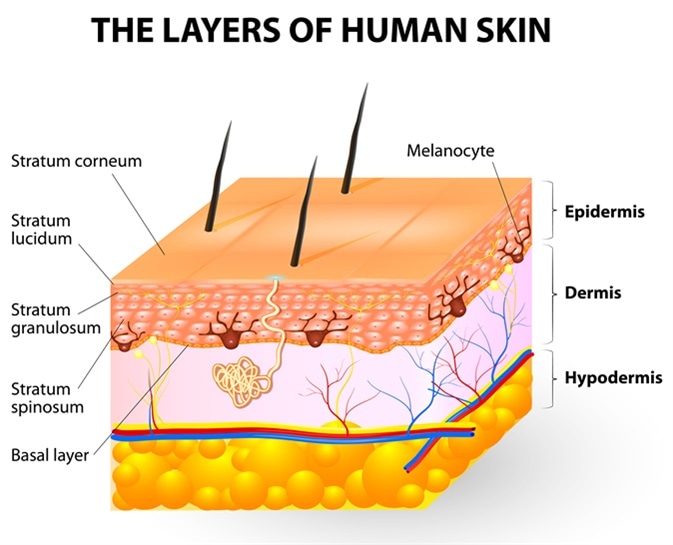
From a brand strategy perspective, melanin is more than a pigment; it is a built-in biological defense system. The primary function of melanin is photoprotection—specifically, its ability to absorb harmful ultraviolet (UV) radiation and dissipate it as harmless heat. For a brand, this biological fact serves as a powerful “Reason to Believe” (RTB), a core marketing concept that provides the evidence behind a brand’s claims.
Photoprotection and the “Shield” Narrative
Melanin acts as a natural sunscreen, particularly eumelanin, which is prevalent in darker skin tones. Brands that focus on “melanin-rich” skin often build their entire corporate identity around this “shield” narrative. This strategy involves educating the consumer on how melanin absorbs up to 99.9% of absorbed UV rays. By positioning products as “support systems” for this natural shield, brands like Black Girl Sunscreen have successfully carved out niches that were previously ignored by legacy corporations. They didn’t just sell a product; they branded the biological necessity of protecting the skin’s natural functions.
Antioxidant Defense and Longevity Branding
Beyond UV absorption, melanin functions as a potent antioxidant and free-radical scavenger. In the realm of luxury and “pro-aging” branding, this function is critical. Brands are increasingly leveraging the narrative of “cellular protection.” When a brand explains that melanin neutralizes reactive oxygen species (ROS) produced by environmental stressors, they elevate their status from a cosmetic provider to a scientific authority. This transition is essential for building brand equity in the “clean clinical” space, where efficacy is the primary driver of customer loyalty.
Market Segmentation: The Shift Toward Melanin-Inclusive Brand Positioning
Understanding the function of melanin has allowed brands to move beyond the “one-size-fits-all” approach and into sophisticated market segmentation. This is not merely a social gesture; it is a calculated brand strategy designed to capture the “Melanin Economy”—a multi-billion dollar segment of consumers who have historically felt underserved.
Moving Beyond “Universal” Skincare
Traditional branding often treated skin as a monolithic canvas. However, the varying levels and types of melanin (eumelanin vs. pheomelanin) mean that different skin types react differently to inflammation, scarring, and aging. Brands like Topicals and Bolden have built their market share by focusing on the specific dysfunctions associated with melanin-rich skin, such as post-inflammatory hyperpigmentation (PIH). Their brand strategy is built on the recognition that melanin’s “over-performance” in response to injury requires specific chemical interventions. By acknowledging these nuances, these brands build a level of trust that generic “brightening” products cannot match.
The Psychology of Representation in Visual Identity
In branding, the visual identity must reflect the science. If the primary function of melanin is protection and pigment, the brand’s color palette, photography, and packaging design must honor that. This is where “inclusive design” meets corporate identity. Brands that utilize “Skin-Tone Imagery” (STI) in their marketing collateral are signaling to the consumer that their product development team understands the biological function of the consumer’s skin. This creates a psychological bond, as the consumer feels “seen” not just as a demographic, but as a biological reality.
Content Marketing: Educating the Consumer on Melanin Science

In the digital age, content is the bridge between a brand’s laboratory and the consumer’s vanity. Because the science of melanin is complex, content marketing has become the primary tool for brands to establish authority. This is “Education-Based Marketing,” a strategy that prioritizes consumer knowledge over the hard sell.
Transparency as a Trust-Building Asset
The modern consumer is skeptical of “marketing fluff.” To counter this, brands are publishing white papers, hosting webinars with dermatologists, and creating “ingredient glossaries” that explain how specific actives interact with melanin. When a brand explains that certain acids might trigger melanin overproduction (hyperpigmentation), they are using the function of melanin as a teaching moment. This transparency builds “Brand Integrity,” ensuring that the customer views the company as a partner in their skin health journey rather than a vendor.
Combating Misinformation through Authority
There is a long-standing myth that melanin-rich skin does not need supplemental UV protection. Strategic branding in the modern era takes an active role in debunking these myths. By explaining that while melanin’s function is photoprotective, it is not an absolute barrier, brands can create a “problem/solution” framework. The “problem” is the limit of natural melanin; the “solution” is the brand’s specialized SPF formulation. This approach transforms a scientific explanation into a compelling sales funnel.
Design and Product Development: Formulating for Function
The most successful brands align their corporate identity with their Research and Development (R&D). If the brand’s mission is to support the primary function of melanin, the products must be formulated with “melanin-first” chemistry. This is the intersection of design thinking and biological function.
Addressing Melanin-Specific Concerns: Hyperpigmentation and Sensitivity
For many, the “function” of melanin becomes a “concern” when it leads to uneven skin tone. Brands like Fenty Skin have mastered the art of “Solution-Oriented Branding.” Their strategy involves identifying the unique ways melanin-rich skin responds to the environment—such as a higher propensity for keloids or dark spots—and formulating products that address these issues without causing irritation. This requires a shift in brand messaging from “lightening” (which has negative cultural connotations) to “evening” and “brightening,” which honors the natural function of melanin while optimizing its appearance.
Packaging and Visual Cues in Brand Design
The physical design of a product often mirrors the function it serves. For melanin-focused brands, packaging often utilizes warm tones, earth-based palettes, and tactile textures that evoke a sense of protection and richness. This is a deliberate design choice to align the brand’s visual identity with the biological “richness” of the pigment it serves. Furthermore, airless pumps and UV-protected glass are often used to protect the integrity of the active ingredients, mirroring the protective function of melanin itself.
The Economic Impact of Melanin-Focused Brand Strategy
The financial success of brands that prioritize the science of melanin proves that inclusivity is a lucrative strategy. The “Melanin Economy” is not a niche; it is a global powerhouse.
Case Studies of Market Disruptors
Look at the success of brands like EPARA or 4.5.6 Skin. These companies didn’t just add darker shades to their foundation range; they built their entire brand architecture around the physiology of melanin-rich skin. Their strategy involved high-price points justified by specialized R&D. By focusing on the function of melanin—such as its unique lipid composition and trans-epidermal water loss (TEWL) patterns—they created a luxury segment that didn’t previously exist. This is a masterclass in using biological science to create a new market category.
Long-term Growth and Brand Loyalty in Diverse Markets
Brand loyalty is highest when a consumer feels a product was made specifically for their unique biological needs. By centering brand strategy on the primary function of melanin, companies are not just making a sale; they are securing a lifelong customer. As the global population becomes increasingly diverse, the brands that understand the nuances of pigment science will be the ones that dominate the market. The future of branding is not universal; it is specialized, scientific, and deeply rooted in the biological functions that define us.
In conclusion, the primary function of melanin—protection, defense, and pigment—is the new blueprint for brand strategy in the beauty and wellness sectors. Brands that ignore this biological foundation risk obsolescence, while those that embrace it as their core identity are poised to lead the next era of global commerce. By aligning scientific education, inclusive design, and targeted marketing, these brands are proving that the most powerful brand story is the one written in our own biology.
aViewFromTheCave is a participant in the Amazon Services LLC Associates Program, an affiliate advertising program designed to provide a means for sites to earn advertising fees by advertising and linking to Amazon.com. Amazon, the Amazon logo, AmazonSupply, and the AmazonSupply logo are trademarks of Amazon.com, Inc. or its affiliates. As an Amazon Associate we earn affiliate commissions from qualifying purchases.