
For the majority of individuals, a vehicle represents the second-largest financial commitment they will make, trailing only the purchase of a home. Yet, while homeowners often track their equity with meticulous care, car owners frequently view their vehicles through the lens of utility rather than as a fluctuating asset on a personal balance sheet. Understanding the answer to the question “What is the price of my car?” requires more than a glance at a sticker price or a cursory search of local listings. It demands a sophisticated understanding of market dynamics, depreciation curves, and the financial variables that dictate the true liquid value of an automobile at any given moment.

In the realm of personal finance, a car is a classic example of a depreciating asset. Unlike a diversified stock portfolio or real estate in a growing market, a vehicle loses value the moment it leaves the dealership. However, the rate of that loss is not uniform. To effectively manage your net worth, you must treat your vehicle as a strategic component of your financial portfolio, knowing exactly when to hold, when to maintain, and when to divest.
The Mechanics of Depreciation and Market Volatility
Depreciation is the silent thief of personal wealth. On average, a new car loses approximately 20% of its value within the first year of ownership and continues to lose roughly 15% per year for the following four years. By the five-year mark, most vehicles are worth only 40% of their original purchase price. Understanding this trajectory is the first step in answering the question of valuation.
The Impact of External Economic Factors
While internal factors like mileage and condition are critical, external economic forces often play an even larger role in determining your car’s price. Inflation, for instance, has a dual effect. It raises the cost of new vehicles, which in turn can bolster the value of used cars as buyers seek more affordable alternatives. Conversely, rising interest rates increase the cost of financing, which can dampen demand and force sellers to lower their asking prices to attract buyers.
Global supply chain disruptions have also fundamentally altered the traditional depreciation model. In recent years, we witnessed a phenomenon where certain used vehicle models actually appreciated in value due to a lack of new inventory. While this is an anomaly, it highlights the importance of real-time market monitoring. To know the price of your car today, you must look at the current equilibrium between supply and demand in your specific geographic region.
The Role of Make, Model, and Brand Equity
Not all brands depreciate at the same rate. Brand equity—the perceived value of a manufacturer’s reputation for reliability and prestige—acts as a financial cushion. Luxury brands may have higher initial price tags, but certain “workhorse” brands often retain a higher percentage of their value over time. For example, a vehicle known for its longevity and low cost of maintenance will command a premium on the secondary market compared to a high-performance vehicle with expensive, specialized repair needs. When calculating your car’s price, you are essentially pricing the confidence the next owner will have in the vehicle’s future performance.
Quantitative Tools for Accurate Valuation
To move from an educated guess to a precise financial figure, you must leverage the sophisticated valuation tools used by banks, dealerships, and insurance companies. These tools aggregate millions of data points to provide a statistical average of what a vehicle is worth.
Understanding the Three Tiers of Value
When you ask for the price of your car, you are actually asking for three different numbers depending on the context of the transaction:
-
Trade-In Value: This is the amount a dealership will offer you toward the purchase of a new vehicle. It is typically the lowest of the three figures because the dealer must factor in the cost of reconditioning the vehicle and a profit margin for resale. From a financial perspective, however, the trade-in value can be offset by tax advantages in many jurisdictions, where you only pay sales tax on the “net” price of the new car.
-
Private Party Value: This represents what you could expect to receive if you sold the car directly to another individual. This figure is higher than the trade-in value but requires a greater investment of time and marketing effort.
-
Retail Value: This is the price a consumer would pay for your car at a dealership. This is the highest number and is rarely achievable for an individual seller, as it includes warranties, professional inspections, and dealer overhead.
Leveraging Data Aggregators
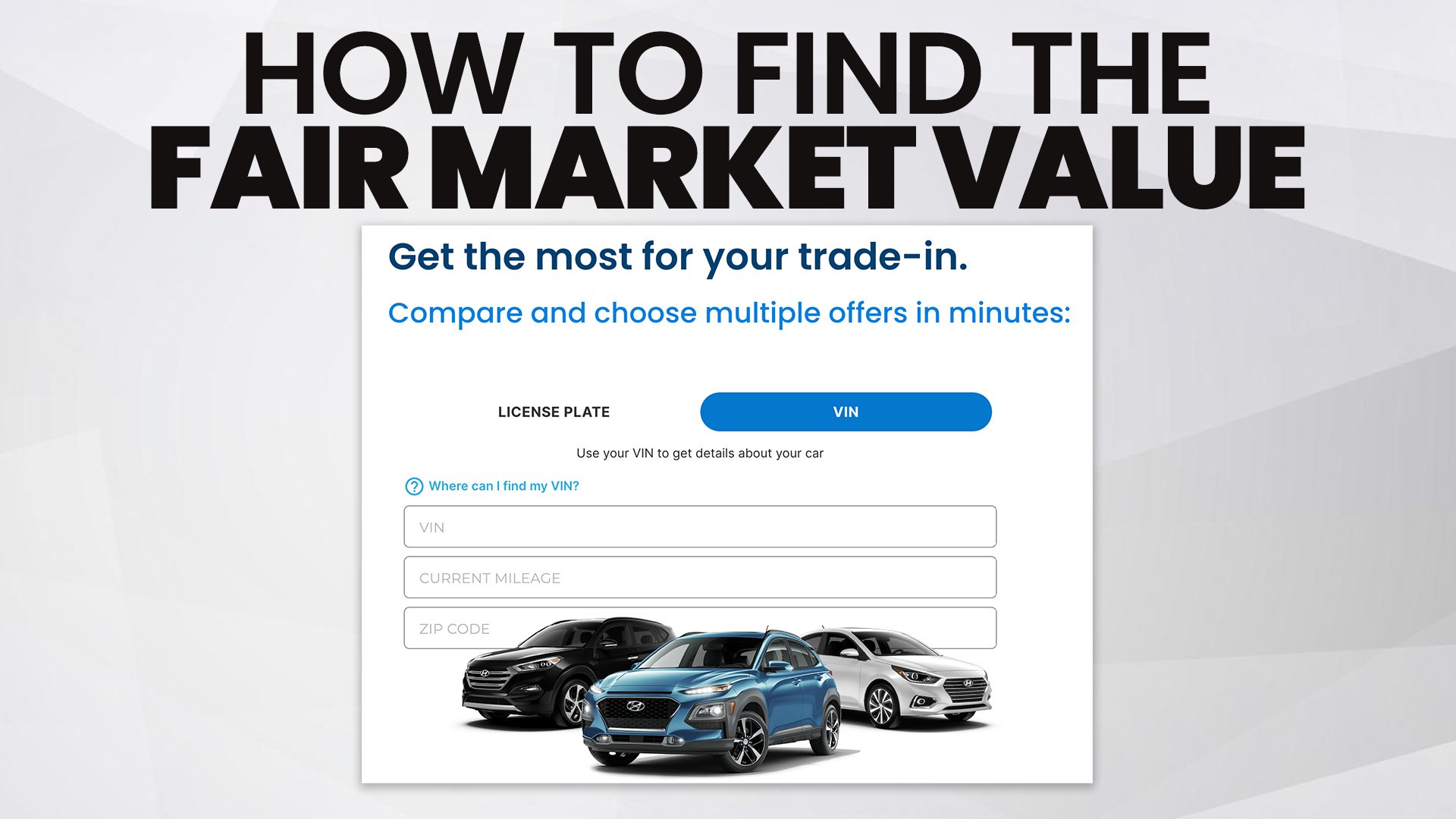
In the modern financial landscape, data is king. Resources such as Kelley Blue Book (KBB), Edmunds, and NADA Guides provide the industry standard for valuation. However, for a more “real-time” assessment, many savvy investors look to online car-buying platforms. These platforms provide instant cash offers based on current auction data and regional demand. By obtaining a “buy-bid” from one of these services, you establish a firm floor for your vehicle’s value—the absolute minimum liquid cash value of the asset.
Strategic Timing: When to Divest for Maximum ROI
Timing the sale of a car is much like timing a trade in the stock market. While you cannot predict every fluctuation, there are logical milestones that signal the optimal time to sell to preserve your capital.
The 100,000-Mile Psychological Threshold
In the used car market, 100,000 miles is a significant psychological and financial barrier. Once a vehicle crosses this threshold, its pool of potential buyers shrinks. Many secondary-market lenders refuse to provide financing for vehicles over a certain mileage, and most extended warranties expire. Consequently, the price of your car will often experience a “step-down” in value as it nears this milestone. Selling at 90,000 to 95,000 miles often yields a significantly higher return than selling at 105,000 miles, despite the negligible difference in mechanical wear.
Seasonal Demand and Market Cycles
The price of your car is also subject to seasonal fluctuations. Convertibles and sports cars command higher prices in the spring and summer, while all-wheel-drive SUVs and trucks see a price premium in the late autumn and winter months. Additionally, the release cycle of new models affects your car’s value. When a manufacturer releases a completely redesigned version of your model, the previous generation—the one you likely own—immediately looks dated, causing a sharp dip in its market price.
Monitoring Maintenance vs. Equity
There is a point in every vehicle’s life where the cost of maintenance exceeds the value it provides. This is the “break-even” point of car ownership. If a vehicle worth $5,000 requires a $2,500 transmission repair, you are essentially reinvesting 50% of the asset’s value back into it with no guarantee of an equivalent increase in resale price. From a financial management perspective, it is often wiser to sell the asset while it is still in good working order rather than waiting for a catastrophic failure that destroys its market value.
Enhancing Asset Value: The Financial Impact of Upkeep
While you cannot stop depreciation, you can mitigate its effects. The price of your car is not just a reflection of its age; it is a reflection of its history.
The Premium of Documentation
A vehicle with a complete, transparent service history will always command a higher price than one without. In the eyes of a buyer—especially a private party—detailed records are a form of insurance. They prove that the vehicle has been treated as a valuable asset rather than a disposable tool. This “provenance” can add anywhere from 5% to 10% to the final sale price, representing a significant return on the simple effort of filing receipts.
Reconditioning vs. ROI
Before selling, many owners wonder if they should invest in repairs to increase the price. The key is to focus on high-impact, low-cost improvements. Professional detailing, addressing minor paint chips, and ensuring the tires have adequate tread are investments that almost always pay for themselves. However, major mechanical overhauls or expensive aftermarket modifications (such as high-end audio systems or custom wheels) rarely recoup their costs. In fact, aftermarket modifications can often decrease the price of your car, as they narrow the field of potential buyers to those with your specific tastes.
Integration into the Broader Financial Plan
Knowing the price of your car is the first step toward making informed decisions about your total net worth. Once you have a firm valuation, you can decide how to best utilize that capital.
Equity and Replacement Strategy
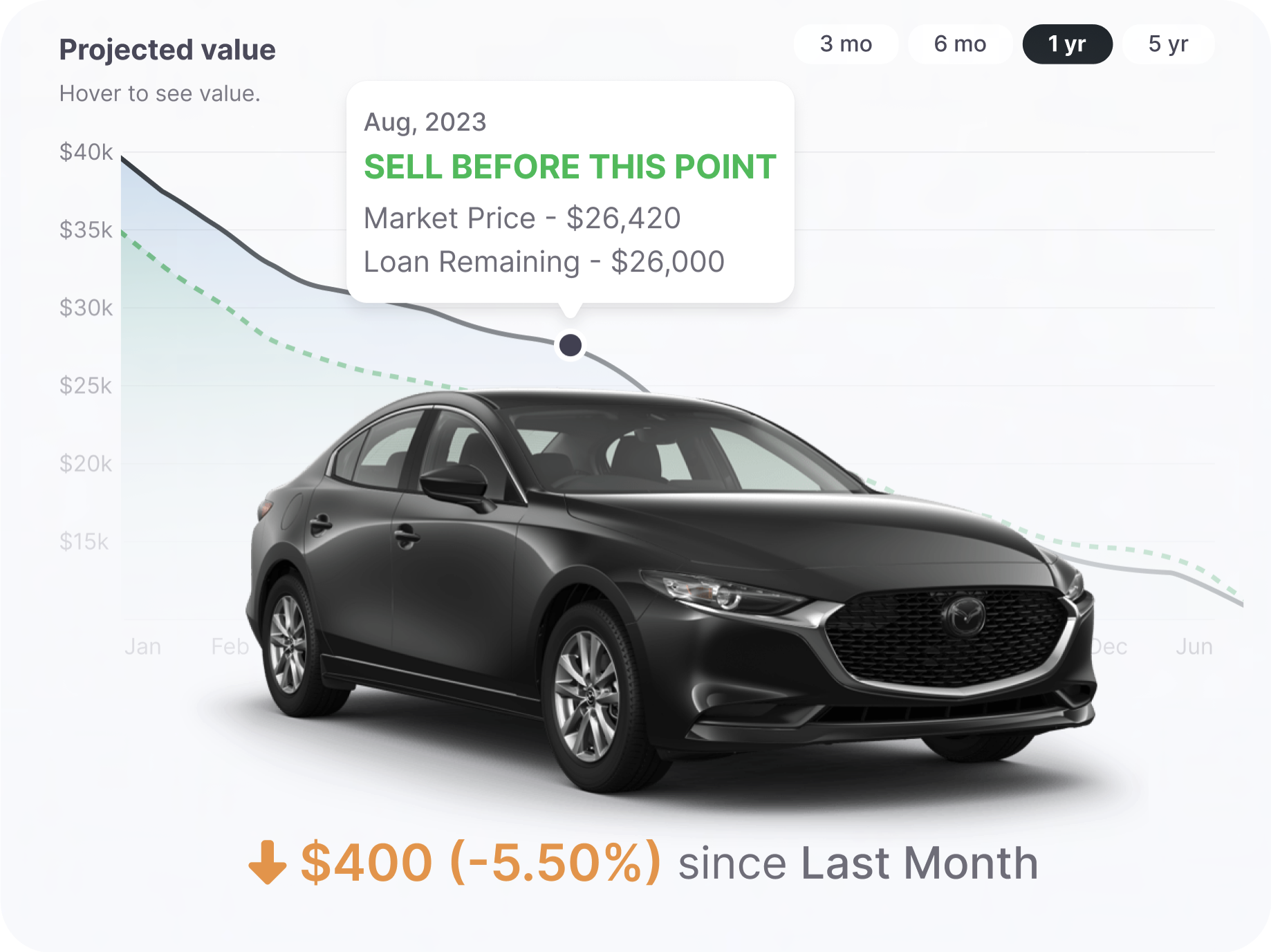
If your car is paid off, its value represents “trapped” equity. You must decide if that equity is better served staying in the vehicle or being liquidated to pay down high-interest debt or to seed a brokerage account. If you are financing the vehicle, knowing its price is essential to ensure you are not “underwater”—owing more on the loan than the car is worth. If you find yourself in a position of negative equity, the priority should be to pay down the principal or pivot to a more sustainable asset before the gap widens further.
Tax Implications and Business Use
For entrepreneurs and business owners, the price of a car is also tied to tax strategy. Depreciation can often be used as a business expense to offset income. Understanding the current market value vs. the “book value” on your tax returns is vital for accurate financial reporting and maximizing your tax efficiency upon the sale or trade-in of the vehicle.
In conclusion, the question “What is the price of my car?” is a gateway into a more disciplined approach to personal finance. By treating your vehicle as a managed asset—utilizing data-driven valuation tools, timing your exit strategies, and maintaining the vehicle’s “paper trail”—you can minimize the financial drain of depreciation and maximize the liquid value of your automotive investment. In the world of money, every thousand dollars saved in the transition between vehicles is a thousand dollars that can be put to work in more productive, appreciating assets.
aViewFromTheCave is a participant in the Amazon Services LLC Associates Program, an affiliate advertising program designed to provide a means for sites to earn advertising fees by advertising and linking to Amazon.com. Amazon, the Amazon logo, AmazonSupply, and the AmazonSupply logo are trademarks of Amazon.com, Inc. or its affiliates. As an Amazon Associate we earn affiliate commissions from qualifying purchases.