
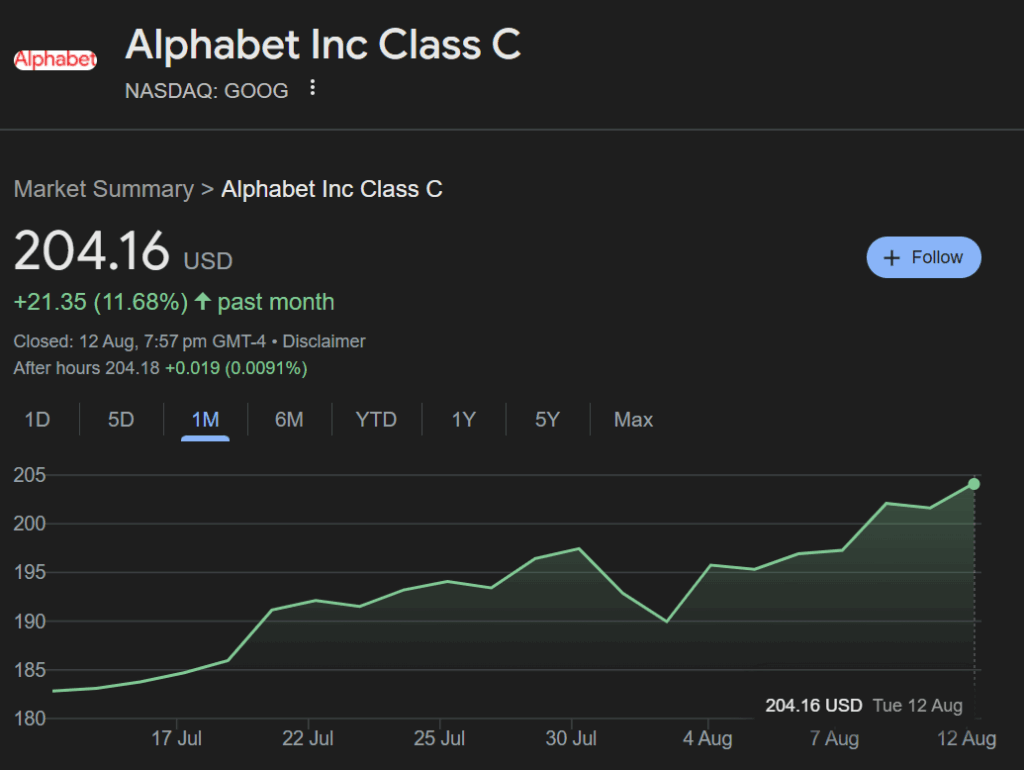
Understanding the current price of Google shares is a fundamental query for both seasoned investors and curious newcomers to the stock market. However, a precise, static answer to “what is the price of Google shares?” is elusive by its very nature. Stock prices are dynamic, fluctuating constantly throughout trading hours based on a myriad of factors. What an investor truly seeks is not just a number, but an understanding of the underlying company, the forces that drive its valuation, and the analytical tools available to make informed investment decisions. This article delves into the financial intricacies surrounding Alphabet Inc. – Google’s parent company – exploring its share structure, the catalysts behind its market performance, and the strategic considerations for anyone looking to invest in one of the world’s most influential technology giants.
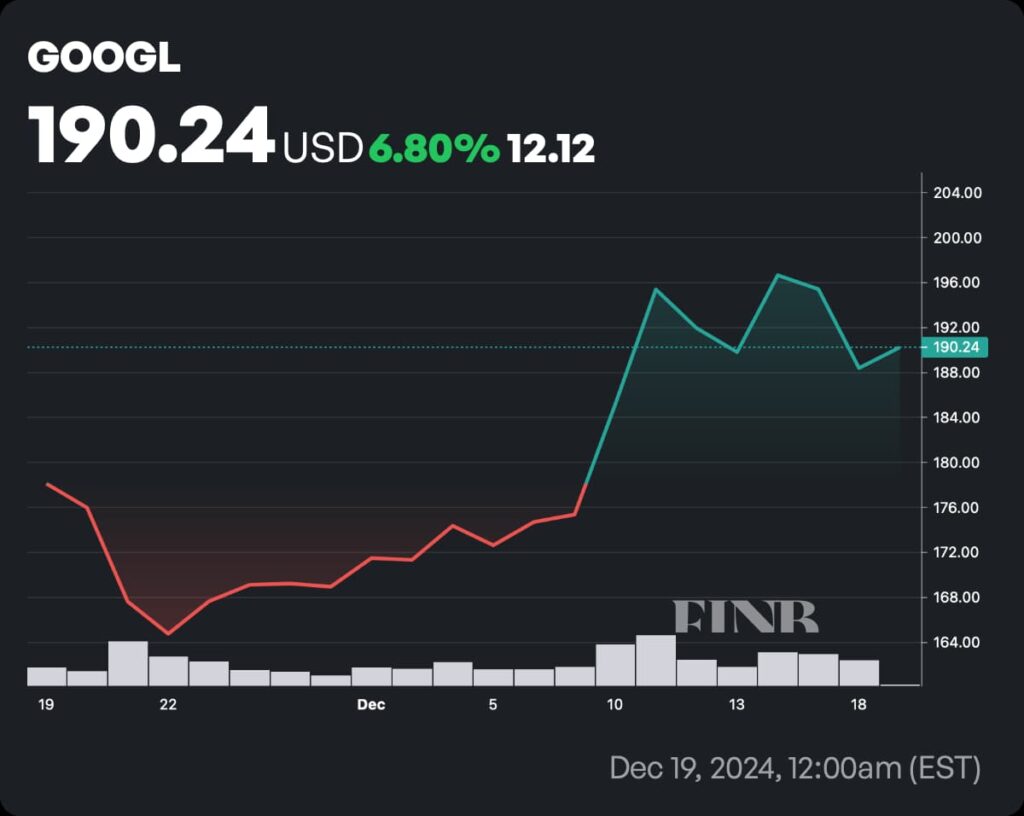
Alphabet Inc. represents far more than just a search engine; it’s a sprawling conglomerate with vast interests spanning cloud computing, artificial intelligence, autonomous vehicles, and a plethora of other innovative ventures. Its financial health and future prospects are closely scrutinized, making its stock price a critical indicator of market confidence in the tech sector and the broader economy. For investors, grasping the nuances of Alphabet’s stock means navigating complex market dynamics, understanding financial reports, and recognizing the potential for both growth and risk that accompanies any major market player. Our journey will unpack these layers, providing a comprehensive financial perspective on the investment opportunity presented by Google shares.
Decoding Alphabet’s Stock: Understanding GOOGL and GOOG
Before delving into the factors that influence its price, it’s crucial to understand what “Google shares” actually refer to in the public market. Google, as a standalone entity, no longer exists as a publicly traded company. Instead, it operates as the largest subsidiary under the umbrella of Alphabet Inc. (NASDAQ: GOOGL, GOOG). This distinction is vital for any potential investor.
Alphabet Inc.: The Parent Company
In 2015, Google underwent a significant corporate restructuring, creating Alphabet Inc. as its new holding company. This move was designed to bring greater transparency and management focus to its diverse range of businesses. Under Alphabet, Google remains the primary revenue driver, encompassing search, ads, YouTube, Android, Chrome, and Maps. However, Alphabet also houses a collection of “Other Bets” – ambitious, long-term projects like Waymo (self-driving cars), Verily (life sciences), and Wing (drone delivery) – which, while often unprofitable in their early stages, hold considerable future potential. When you buy “Google shares,” you are actually purchasing shares in Alphabet Inc., gaining exposure to this entire ecosystem.
Class A (GOOGL) vs. Class C (GOOG) Shares
One of the unique aspects of investing in Alphabet is the existence of two distinct classes of common stock traded on the NASDAQ exchange:
-
Class A shares (GOOGL): These shares come with voting rights. Each Class A share grants the holder one vote on company matters. This class is primarily held by public investors.
-
Class C shares (GOOG): These are non-voting shares. They typically trade at a very similar price to Class A shares, often with minor fluctuations due to demand for voting power. Many investors choose Class C shares if their primary interest is capital appreciation rather than exercising voting rights.
Alphabet also has Class B shares, which are not publicly traded. These super-voting shares (10 votes per share) are primarily held by the company’s founders (Larry Page and Sergey Brin) and key insiders, ensuring their control over the company’s strategic direction. This dual-class structure is a significant governance feature to be aware of.
The Significance of Ticker Symbols
The ticker symbols GOOGL and GOOG are how Alphabet’s shares are identified on stock exchanges. Understanding which ticker symbol you are looking at is important, especially when tracking prices or placing trades. While their prices generally move in tandem, slight discrepancies can exist due to supply and demand dynamics specific to each class. For most retail investors, the choice between GOOGL and GOOG often comes down to personal preference regarding voting rights or minor price differences at the time of purchase.
Key Drivers Behind Alphabet’s Share Valuation
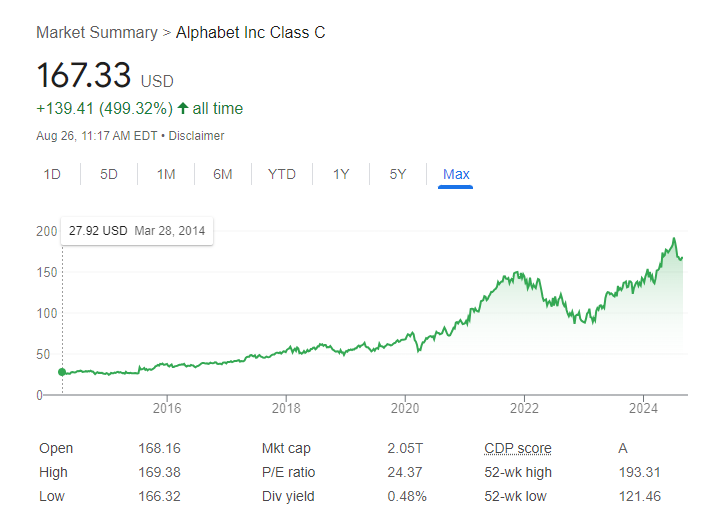
Alphabet’s stock price, like that of any major corporation, is a complex reflection of its financial health, market expectations, industry trends, and broader economic conditions. Understanding these drivers is crucial for interpreting its current valuation and predicting future movements.
Financial Performance: Revenue, Earnings, and Profitability
At the core of Alphabet’s share price is its financial performance. Investors meticulously analyze quarterly and annual reports for key metrics:
-
Revenue Growth: Alphabet’s ability to consistently grow its top line, particularly from its dominant advertising business (Google Search & YouTube Ads) and its rapidly expanding Google Cloud segment, is a primary concern. Sustained, strong revenue growth signals market expansion and effective business strategies.
-
Earnings Per Share (EPS): This metric indicates how much profit the company makes for each outstanding share. Rising EPS, especially when beating analyst expectations, often drives stock prices higher.
-
Profit Margins: Operating and net profit margins reveal how efficiently Alphabet converts revenue into profit. Healthy and improving margins suggest cost control and strong operational leverage.
-
Free Cash Flow (FCF): FCF is the cash a company generates after accounting for cash outflows to support operations and maintain its capital assets. Strong FCF allows Alphabet to invest in new projects, make acquisitions, and potentially return capital to shareholders.
Market Sentiment and Macroeconomic Factors
Beyond internal performance, external forces play a significant role:
-
Overall Market Trends: As a large-cap tech stock, Alphabet is often influenced by the broader market’s direction, particularly the performance of major indices like the NASDAQ Composite and S&P 500. Bull markets tend to lift Alphabet, while bear markets exert downward pressure.
-
Interest Rates: Higher interest rates can make future earnings less valuable in present terms, potentially leading to lower valuations for growth stocks like Alphabet. Conversely, lower rates can be a tailwind.
-
Economic Outlook: Consumer spending confidence, GDP growth, and employment figures all indirectly impact Alphabet’s advertising revenue, as businesses tend to increase or decrease ad spending based on economic health.
-
Investor Sentiment: Perception, news cycles, and investor confidence can create significant short-term price swings. Positive news (e.g., successful product launches, strong earnings beats) can boost sentiment, while negative news (e.g., regulatory challenges, missed forecasts) can dampen it.
Competitive Landscape and Regulatory Headwinds
Alphabet operates in highly competitive industries, and its stock price reflects its ability to maintain its dominant position:
-
Competition: While Google Search maintains a near-monopoly, other segments face intense competition from rivals like Amazon (e-commerce ads, cloud), Microsoft (cloud, search), Meta (social media ads), and Apple (app ecosystem).
-
Regulatory Scrutiny: Alphabet faces ongoing antitrust investigations and regulatory pressure globally, particularly concerning its search and advertising practices, as well as its app store policies. Adverse regulatory outcomes, such as fines or forced business separations, could negatively impact future earnings and the stock price.
Innovation and Growth Segments (e.g., Cloud, AI, Other Bets)
Alphabet’s capacity for innovation is a key long-term driver of its valuation:
-
Google Cloud: The growth and profitability of Google Cloud Platform (GCP) are increasingly important as a diversified revenue stream beyond advertising. Strong performance here signals Alphabet’s ability to compete effectively in the lucrative enterprise market.
-
Artificial Intelligence (AI): Alphabet is a leader in AI research and application. Announcements related to AI breakthroughs, new AI-powered products (e.g., advancements in Bard/Gemini, AI integration across products), and monetization strategies for AI can significantly impact investor confidence and future growth projections.
-
Other Bets: While often a drag on current profitability, the long-term potential of projects like Waymo and Verily provides optionality and future growth catalysts, which investors factor into long-term valuations. Progress in these areas can ignite investor excitement.
Practical Approaches to Tracking and Analyzing Alphabet’s Stock
For investors keen on Alphabet, merely knowing the current price isn’t enough. A deeper dive into how to track and analyze its stock performance is essential for making informed decisions.
Essential Financial Metrics for Investors
Beyond the top-line revenue and EPS, several other metrics are crucial when evaluating Alphabet:
-
P/E Ratio (Price-to-Earnings): Compares the company’s current share price to its earnings per share. It helps determine if the stock is overvalued or undervalued relative to its earnings.
-
PEG Ratio (Price/Earnings to Growth): Similar to P/E but also accounts for earnings growth. A lower PEG ratio often indicates a stock that is undervalued given its growth prospects.
-
Market Capitalization: The total value of all outstanding shares. Alphabet’s immense market cap signifies its status as a mega-cap company, often associated with stability but also slower growth rates compared to smaller firms.
-
Return on Equity (ROE): Measures how much profit a company generates for each dollar of shareholders’ equity.
-
Debt-to-Equity Ratio: Indicates the extent to which a company’s operations are financed by debt versus equity. Alphabet generally maintains a strong balance sheet with low debt.
Leveraging Financial News and Analyst Reports
Staying informed is critical. Investors should regularly consult reputable financial news sources (e.g., The Wall Street Journal, Bloomberg, Reuters, Financial Times) for updates on Alphabet, the tech sector, and macroeconomic trends. Additionally, institutional research reports from investment banks and independent financial analysts can offer valuable insights into Alphabet’s valuation, earnings estimates, and future outlook. These reports often provide detailed financial models and strategic assessments that go beyond surface-level analysis.
Fundamental vs. Technical Analysis: A Brief Overview
Two primary schools of thought guide stock analysis:
-
Fundamental Analysis: This approach focuses on a company’s intrinsic value by examining financial statements, management quality, industry position, competitive advantages, and macroeconomic factors. A fundamental investor would look at Alphabet’s revenue growth, profitability, innovation pipeline, and regulatory environment to determine if its current stock price reflects its true worth.
-
Technical Analysis: This method involves evaluating investments by analyzing statistical trends gathered from trading activity, such as price movement and volume. Technical analysts use charts to identify patterns and trends, attempting to predict future price movements without necessarily looking at the underlying business fundamentals. They might examine moving averages, support and resistance levels, and volume indicators for GOOGL/GOOG.
A balanced approach often incorporates elements of both, with fundamental analysis informing long-term investment decisions and technical analysis potentially aiding in timing entry and exit points.
Strategic Considerations for Investing in Alphabet Shares
Investing in a company as large and influential as Alphabet requires careful consideration of its potential for growth, the inherent risks, and how it fits into a broader investment portfolio.
Long-Term Growth Potential and Value Proposition
Alphabet offers a compelling long-term growth story driven by several factors:
-
Dominant Market Positions: Its core search and advertising businesses continue to be highly profitable cash cows.
-
Cloud Computing Expansion: Google Cloud is a high-growth segment capturing market share in the booming enterprise cloud market.
-
AI Leadership: Alphabet’s extensive investment and expertise in AI position it at the forefront of the next technological revolution, with AI expected to permeate and enhance all its product offerings.
-
Future Innovation: The “Other Bets” represent significant optionality for future growth, even if their impact on current financials is limited.
Investors who believe in the continued digital transformation of the global economy and Alphabet’s ability to innovate and capture new markets will find its long-term prospects attractive.
Assessing Risks and Volatility
No investment is without risk, and Alphabet is no exception:
-
Regulatory Risk: As discussed, antitrust actions and new regulations pose a significant threat to Alphabet’s business model and profitability, potentially leading to fines or forced divestitures.
-
Competition: Despite its dominance, aggressive competition in various segments could erode market share or compress margins.
-
Macroeconomic Downturns: A severe global recession could significantly reduce advertising spending, impacting Alphabet’s primary revenue source.
-
Technological Disruption: While a leader, Alphabet is not immune to disruptive technologies that could emerge from competitors or new startups.
-
Geopolitical Factors: Global political tensions, trade wars, or cybersecurity threats could impact international operations and market access.
Investors must weigh these risks against the potential rewards and assess their own risk tolerance.
Diversification and Portfolio Allocation
Given Alphabet’s size and influence, it’s often a significant component of many investment portfolios. However, it’s crucial to remember the principle of diversification. While Alphabet offers exposure to various tech sectors (search, cloud, AI), it’s still a single company stock. Over-concentration in any one stock, regardless of its strength, can expose a portfolio to undue risk. Investors should consider how Alphabet fits within their broader asset allocation strategy, balancing it with investments in other sectors, geographies, and asset classes to create a well-diversified and resilient portfolio aligned with their financial goals.
The price of Google shares, therefore, is not merely a number flashing on a screen. It is a real-time assessment by millions of market participants of Alphabet Inc.’s vast financial engine, its strategic direction, its innovative prowess, and its navigating of a complex global landscape. For the discerning investor, understanding this dynamic interplay is the true key to unlocking value.
aViewFromTheCave is a participant in the Amazon Services LLC Associates Program, an affiliate advertising program designed to provide a means for sites to earn advertising fees by advertising and linking to Amazon.com. Amazon, the Amazon logo, AmazonSupply, and the AmazonSupply logo are trademarks of Amazon.com, Inc. or its affiliates. As an Amazon Associate we earn affiliate commissions from qualifying purchases.