
In the landscape of modern personal finance, the subscription economy has shifted from a convenience to a significant budgetary consideration. Among these, Amazon Prime stands as the titan of membership programs. For the average consumer asking “how much is Amazon Prime cost,” the answer is a straightforward set of numbers, but the financial implications of that cost are far more complex. To manage a household budget effectively, one must look beyond the sticker price and evaluate the service through the lens of return on investment (ROI), opportunity cost, and spending psychology.
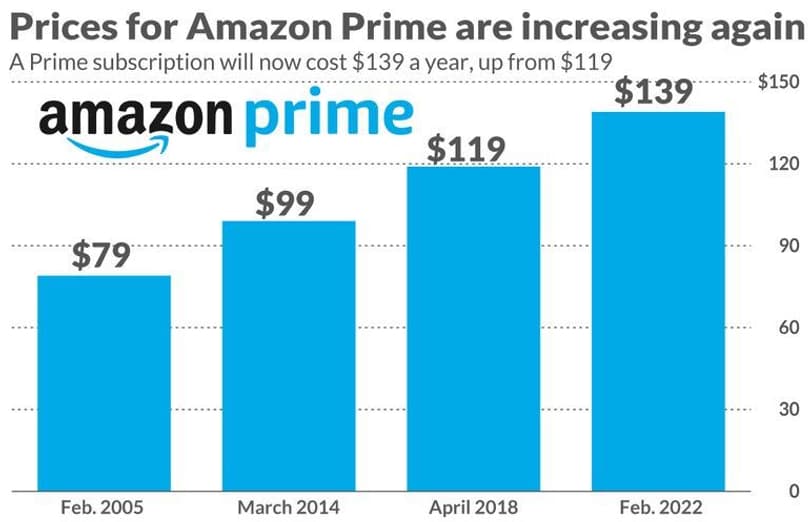
Currently, for most consumers in the United States, a standard Amazon Prime membership costs $14.99 per month or $139 per year. While these figures represent the baseline, the true cost of the service—and whether it earns its place in your financial portfolio—requires a deep dive into the tiered pricing structures, the bundled services, and the impact on your overall consumer behavior.
Understanding the Current Pricing Tiers and Subscription Models
The headline price of $139 annually is a significant jump from the service’s original $79 launch price. This upward trajectory reflects both inflation and the massive expansion of the Prime ecosystem. However, Amazon offers several entry points depending on a user’s financial profile and stage of life.
Annual vs. Monthly: The Mathematics of Savings
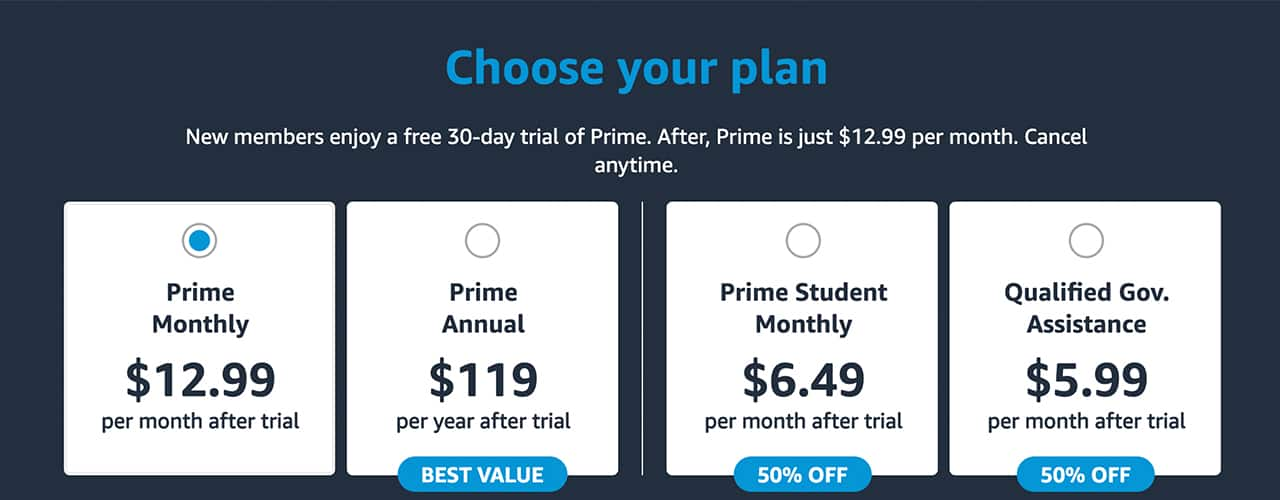
From a personal finance perspective, the choice between monthly and annual billing is a classic lesson in interest and liquidity. At $14.99 per month, a member pays approximately $179.88 over the course of a year. By opting for the $139 annual lump sum, the consumer saves roughly $40.88, which represents a nearly 23% discount.
For those with the liquid capital to pay upfront, the annual plan is objectively the superior financial move. However, for households living paycheck-to-paycheck, the $15 monthly “convenience fee” allows for easier cash flow management, even if it results in a higher total cost. From a wealth-building standpoint, securing the 23% “return” by paying annually is one of the easiest ways to optimize a fixed expense.
Student and Discounted Memberships (Prime Access)
Amazon has strategically segmented its market to capture demographics with lower disposable income but high long-term value. Prime Student is currently priced at $7.49 per month or $69 per year, following a six-month trial. For students, this lower barrier to entry is a powerful tool for managing living expenses, provided the service is used to consolidate other costs like textbooks or grocery delivery.
Furthermore, “Prime Access” is a critical tier for those receiving government assistance (such as SNAP or Medicaid). At $6.99 per month, this tier ensures that the logistical benefits of Prime—which can be a lifeline for those in “food deserts” or without reliable transportation—remain accessible.
The Hidden Value: Calculating the Return on Investment (ROI)
To determine if the cost of Prime is “worth it,” a consumer must treat the membership as a business expense and calculate the ROI. If the value of the utilized services exceeds the $139 annual fee, the membership is a net positive for the household balance sheet.
Shipping and Logistics: The Primary Value Driver
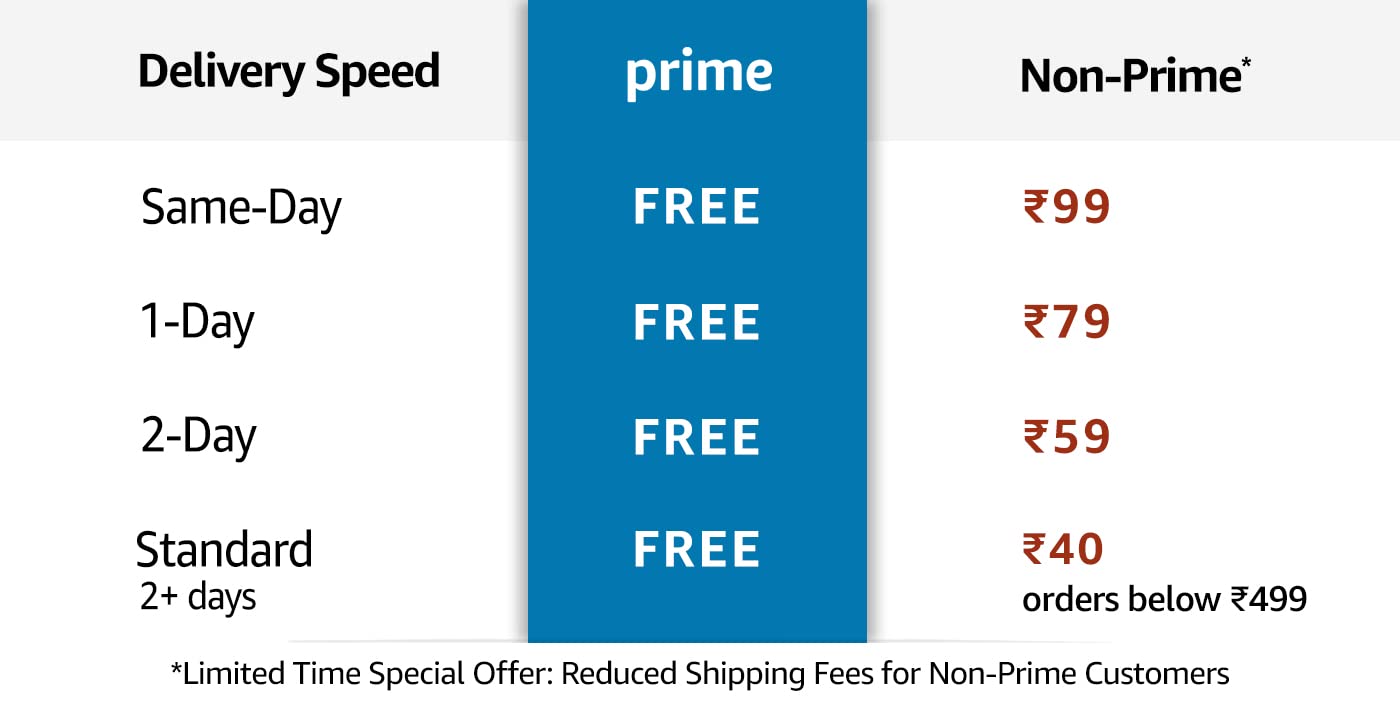
The cornerstone of Prime is free, fast shipping. For a non-Prime member, shipping costs for smaller orders can range from $5.00 to $15.00 depending on speed and weight. If a consumer places just 15 to 20 orders per year that would otherwise incur shipping fees, the membership has paid for itself on logistics alone.
In the context of “time is money,” the value of two-day, one-day, or even same-day delivery cannot be overstated. By reducing the number of trips to physical retail stores, consumers save on fuel, vehicle wear and tear, and—most importantly—their own time. For a high-earning professional, the time saved by outsourcing errands to Amazon’s logistics network can represent hundreds of dollars in “recovered” billable hours or personal rest.
Digital Content and Services: Consolidating Your Media Spend
One of the most common mistakes in personal finance is “subscription creep,” where individuals pay for multiple overlapping services. Amazon Prime includes Prime Video, Prime Music, and Prime Reading.
If a household can use Prime Video to replace a $15.99/month Netflix subscription, or Prime Music to replace a $10.99/month Spotify plan, the Prime membership doesn’t just pay for itself—it generates a surplus. Additionally, Prime Photos offers unlimited full-resolution photo storage, which can eliminate the need for paid tiers of Google Photos or iCloud, potentially saving another $20 to $100 per year.
Grocery Savings and Exclusive Deals
The acquisition of Whole Foods Market integrated physical retail into the Prime value proposition. Prime members receive an additional 10% off sale items and exclusive weekly deals at Whole Foods. For regular grocery shoppers, these discounts can easily shave $10 to $20 off a weekly bill. Furthermore, the “Subscribe & Save” feature allows for up to 15% off recurring household essentials. When managed correctly, this automation ensures you never pay “emergency prices” at a local convenience store because you ran out of detergent or diapers.
The Financial Psychology of Prime: Convenience vs. Overspending
While the mathematical ROI of Amazon Prime can be high, the psychological impact on spending habits can be a significant hidden cost. As a brand, Amazon has mastered the art of “frictionless” commerce, which can be a double-edged sword for personal finance.
The “Frictionless” Spending Trap
The primary goal of Prime is to remove hurdles between the “want” and the “buy.” Features like “Buy Now” and one-click ordering bypass the traditional cooling-off period that helps prevent impulse purchases. Research has consistently shown that Prime members tend to spend more on Amazon annually than non-members.
From a budgeting perspective, the $139 fee can act as a “sunk cost.” Because you have already paid for the membership, you may feel compelled to “get your money’s worth” by ordering more frequently. This psychological pressure can lead to buying items you don’t need, effectively negating any savings gained from free shipping.
Strategies to Maximize Membership Without Blowing the Budget
To keep Prime as a financial asset rather than a liability, savvy consumers employ several strategies:
-
The Amazon Prime Visa Card: For those with disciplined credit habits, the co-branded credit card offers 5% back on Amazon and Whole Foods purchases. If a household spends $3,000 a year on Amazon, the $150 in cash back effectively covers the entire cost of the Prime membership.
-
Utilizing “No-Rush” Shipping: If you don’t need an item immediately, opting for slower shipping often yields digital credits for eBooks or movie rentals, further increasing the ROI.
-
Annual Audits: Once a year, users should review their “Order History” and calculate exactly how much they saved on shipping and how often they used the digital perks. If the usage is low, the membership should be paused or canceled.
Comparing Prime to Competitive Ecosystems
Amazon Prime no longer exists in a vacuum. To understand if the cost is competitive, it must be measured against other emerging “membership-as-a-service” models.
Walmart+, Target Circle 360, and Niche Services
Walmart+ is the most direct competitor, priced at $98 per year. It offers free shipping and grocery delivery, but its secondary perks differ, focusing more on fuel discounts and a Paramount+ subscription. For a family that prioritizes groceries and fuel over streaming media and technical gadgets, Walmart+ might offer a better financial fit.
Target’s “Circle 360” also targets the convenience-seeking demographic. When deciding where to allocate your subscription budget, you must analyze your geographical proximity to these retailers and your specific consumption patterns. Amazon’s edge remains its sheer variety of SKUs—nearly anything can be found on Amazon, whereas Walmart and Target are more curated.
Is the Premium Worth the Price in Today’s Economy?
In a high-inflation environment, every fixed expense is under scrutiny. The $139 price tag is a “premium” cost. For a minimalist or someone living in a dense urban area with high walkability, the value of Prime diminishes. However, for suburban or rural households, the cost of Prime is often less than the cost of the gasoline required to visit multiple specialty stores.
Making the Decision: When to Keep, Cancel, or Pause
The question “how much is Amazon Prime cost” is ultimately personal. It is not just the $139 or $14.99; it is the sum of the savings generated minus the impulse spending it encourages.
You should keep Amazon Prime if:
-
You make more than 20 orders per year.
-
You actively use Prime Video or Prime Music as your primary entertainment.
-
You use the 5% cash back on the Prime Visa card.
-
The time saved on errands is more valuable than the $11.58 monthly cost.
You should consider canceling if:
-
You find yourself making “filler” purchases just to use the service.
-
You rarely use the digital streaming components.
-
You live near a variety of discount retailers and enjoy in-person shopping.
-
Your annual shipping savings are less than the membership fee.
In conclusion, Amazon Prime is a sophisticated financial tool. For the disciplined consumer, it is a way to consolidate expenses, earn significant cash back, and save hundreds of hours a year. For the undisciplined consumer, it can be a gateway to “death by a thousand clicks.” By understanding the pricing tiers and calculating your personal ROI, you can ensure that the cost of Amazon Prime is an investment in your lifestyle, rather than a drain on your wealth.
aViewFromTheCave is a participant in the Amazon Services LLC Associates Program, an affiliate advertising program designed to provide a means for sites to earn advertising fees by advertising and linking to Amazon.com. Amazon, the Amazon logo, AmazonSupply, and the AmazonSupply logo are trademarks of Amazon.com, Inc. or its affiliates. As an Amazon Associate we earn affiliate commissions from qualifying purchases.