
In the intricate world of finance, few concepts are as fundamental, yet often misunderstood, as “the price of capital.” It is a cornerstone upon which investment decisions are made, business valuations are calculated, and economic growth is fueled. Far from being a simple numerical value, the price of capital is a multifaceted construct that encapsulates the cost an entity pays to acquire and utilize financial resources. Whether you’re a burgeoning startup seeking funding, a multinational corporation evaluating a new project, or an individual investor weighing asset allocation, grasping this concept is not merely beneficial—it is absolutely essential for informed decision-making and sustainable financial health.
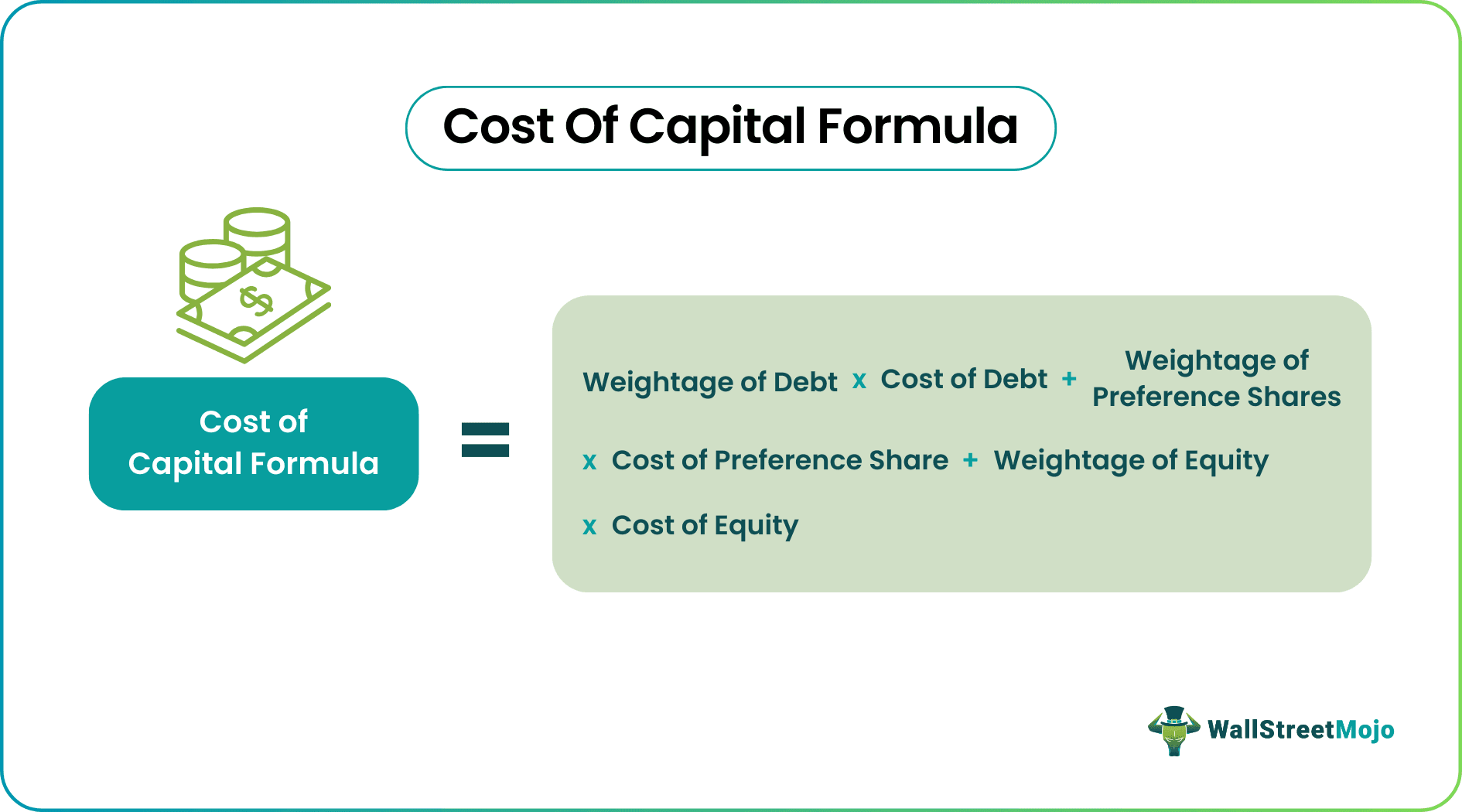
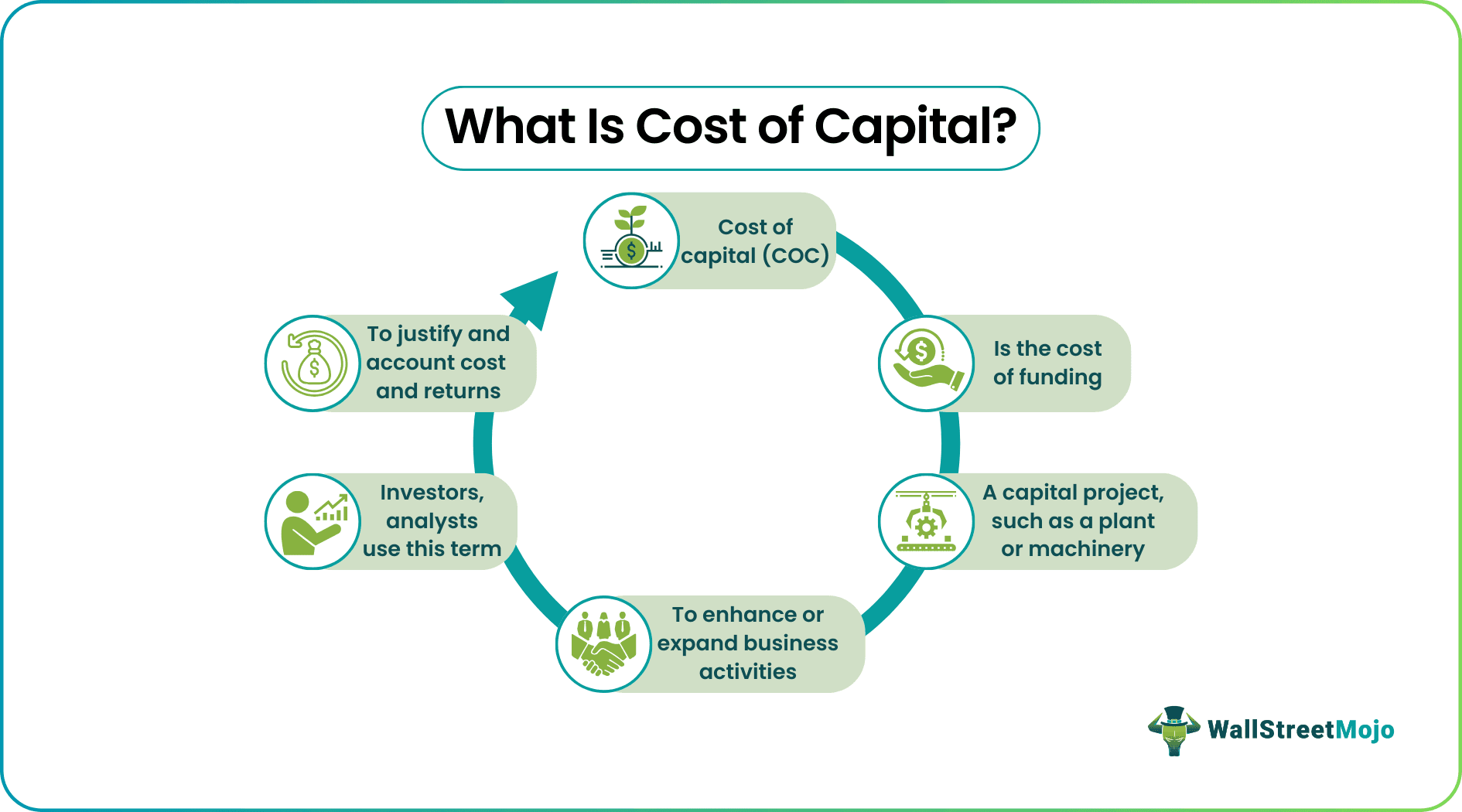
At its core, capital represents the financial assets or resources—money, machinery, buildings, even human expertise—that are used to generate future wealth. The “price” of this capital, then, is the compensation demanded by its providers for foregoing immediate consumption or for taking on risk. This price manifests in various forms: interest rates on loans, expected returns for equity investors, or the implicit cost of depreciating assets. Understanding this price allows businesses to properly evaluate investment opportunities, ensure their projects generate sufficient returns, and optimize their financial structure. For individuals, it helps in assessing the true cost of borrowing and the required returns on personal investments. This article delves deep into the essence of the price of capital, exploring its components, significance, influencing factors, and practical applications within the broader financial landscape.
Deconstructing “Capital”: More Than Just Money
To truly grasp the price of capital, we must first understand what “capital” itself signifies in various financial contexts. It’s not a monolithic entity but rather a collection of resources, each with its own inherent cost and method of acquisition.
Financial Capital: The Cost of Debt and Equity
Financial capital is perhaps the most direct interpretation of “capital” in common parlance—it’s the money businesses raise to fund their operations and investments. The price of this capital is typically categorized into two primary forms: the cost of debt and the cost of equity.
- Cost of Debt: This refers to the effective interest rate a company pays on its borrowings, such as bank loans, bonds, or other credit facilities. The calculation usually takes into account the actual interest payments and any associated fees. A crucial aspect of the cost of debt is that interest expenses are often tax-deductible, effectively reducing the net cost to the company. For example, if a company borrows at 5% interest and has a 25% tax rate, the after-tax cost of debt is 5% * (1 – 0.25) = 3.75%. This component is relatively straightforward to determine as it’s typically stipulated in loan agreements or bond indentures.
- Cost of Equity: This is the return required by a company’s shareholders in exchange for investing their capital. Unlike debt, equity does not have a fixed contractual payment. Instead, shareholders expect returns in the form of dividends and capital appreciation (growth in stock price). The cost of equity is harder to quantify than the cost of debt because it reflects investor expectations and perceptions of risk. Common methods for estimating it include the Dividend Discount Model (DDM) and, more frequently, the Capital Asset Pricing Model (CAPM), which considers the risk-free rate, the market risk premium, and the company’s specific beta (a measure of its volatility relative to the market). Equity is generally considered more expensive than debt because it carries higher risk for investors (they are paid after debtholders in liquidation) and does not offer the tax deductibility of interest.
Physical Capital: Depreciation and Opportunity Cost
Beyond pure financial resources, businesses also rely heavily on physical capital, which includes tangible assets like machinery, equipment, buildings, and land. While these aren’t “borrowed” in the same way as financial capital, they still come with a price.
- Depreciation and Maintenance Costs: Physical assets lose value over time due to wear and tear, obsolescence, or market factors. This loss of value is recognized as depreciation, which is a non-cash expense that reduces a company’s taxable income. Additionally, physical capital requires ongoing maintenance, repairs, and sometimes upgrades, all of which represent a recurring cost of utilizing these assets.
- Opportunity Cost: A significant, yet often overlooked, component of the price of physical capital is the opportunity cost. If a company invests a substantial sum in a new factory, that capital cannot be used for other potentially profitable ventures, such as research and development, marketing campaigns, or even simply earning interest in a savings account. The foregone return from the best alternative use of that capital is its opportunity cost.
Human Capital: Investment in Talent and Knowledge
While less tangible, human capital—the skills, knowledge, experience, and health of a company’s workforce—is an invaluable form of capital. Investing in human capital also carries a “price” and yields a “return.”
- Training, Salaries, and Benefits: The costs associated with human capital include salaries, wages, benefits packages, training programs, and recruitment expenses. These expenditures are essential for attracting, retaining, and developing a skilled workforce.
- Returns on Human Capital Investment: The “return” on human capital investment manifests as increased productivity, innovation, higher quality output, improved customer service, and ultimately, enhanced profitability for the business. While challenging to quantify precisely, companies increasingly recognize the strategic importance of measuring the ROI on their human capital initiatives.
Why Understanding the Price of Capital is Crucial
The nuanced understanding of the price of capital is not merely an academic exercise; it’s a practical imperative that underpins sound financial management and strategic decision-making. Its implications ripple through every layer of a business, influencing everything from daily operations to long-term strategic direction.
Guiding Investment Decisions and Project Evaluation
Perhaps the most direct application of the price of capital is in evaluating potential investments and projects. Companies constantly face choices about where to allocate their scarce resources. The price of capital acts as a critical benchmark or “hurdle rate.”
- Return on Investment (ROI), Net Present Value (NPV), Internal Rate of Return (IRR): When assessing projects, businesses compare the expected returns (e.g., projected cash flows or ROI) against the cost of the capital required to fund that project.
- Net Present Value (NPV) calculates the present value of future cash flows minus the initial investment. A positive NPV indicates a project is expected to generate returns above the cost of capital, thereby creating value for shareholders.
- Internal Rate of Return (IRR) is the discount rate that makes the NPV of all cash flows from a particular project equal to zero. If a project’s IRR exceeds the cost of capital, it is generally considered acceptable.
- Setting Hurdle Rates: The cost of capital effectively sets the minimum acceptable rate of return a project must achieve to be considered viable. Any project expected to yield returns below this hurdle rate would destroy value and should typically be rejected, regardless of how innovative or appealing it might seem.
Informing Capital Structure and Financing Choices
The composition of a company’s financing—the mix of debt and equity—is known as its capital structure. Optimizing this structure is a delicate balancing act influenced heavily by the cost of each component.
- Debt vs. Equity Mix: Since debt is generally cheaper than equity (due to tax deductibility and lower risk for lenders), companies might be tempted to use more debt. However, excessive debt increases financial risk, potentially leading to bankruptcy if the company cannot meet its interest obligations. A higher debt load also makes future borrowing more expensive as lenders demand higher interest rates for increased risk.
- Optimizing Weighted Average Cost of Capital (WACC): Companies strive to find the optimal capital structure that minimizes their overall cost of capital. This overall cost is typically represented by the Weighted Average Cost of Capital (WACC), which is the average rate of return a company expects to pay to all its security holders (debtholders and equity holders) to finance its assets. Minimizing WACC is crucial because a lower cost of capital directly translates into higher project NPVs and thus greater value creation for shareholders.
Strategic Planning and Valuation
Beyond individual project decisions, the price of capital plays a pivotal role in a company’s broader strategic planning and its overall valuation.
- Impact on Business Growth and Expansion: A lower cost of capital makes it easier and cheaper for a company to fund growth initiatives, acquire competitors, or expand into new markets. Conversely, a high cost of capital can stifle growth, making even attractive opportunities seem unprofitable.
- Company Valuation: For investors, financial analysts, and M&A specialists, the price of capital (often represented by WACC) is a key discount rate used in various valuation methodologies, particularly Discounted Cash Flow (DCF) models. By discounting a company’s projected future cash flows back to the present using its WACC, analysts can arrive at an intrinsic value for the business. An accurate WACC is therefore critical for realistic valuations.
Factors Influencing the Price of Capital
The price of capital is not static; it is a dynamic figure influenced by a complex interplay of internal and external forces. Understanding these factors is key to predicting changes and making adaptive financial decisions.
Macroeconomic Environment
Broad economic conditions exert a significant influence on the cost of capital for all entities.
- Interest Rates (Central Bank Policy): Central banks, through their monetary policy decisions, directly impact the “risk-free” rate, which is a foundational component in calculating the cost of capital. When central banks raise benchmark interest rates, borrowing costs generally increase across the economy, driving up both the cost of debt and indirectly, the cost of equity. Conversely, lower rates tend to reduce the cost of capital.
- Inflation: High inflation erodes the purchasing power of future cash flows. Lenders and investors demand higher nominal returns to compensate for this loss, pushing up the cost of both debt and equity.
- Economic Growth: During periods of strong economic growth, investment opportunities are plentiful, and business risks might seem lower. This can sometimes lead to an increased supply of capital (as investors are more willing to invest) or higher demand for capital (as businesses expand), impacting its price.
Company-Specific Risk Profile
Each company has unique characteristics that affect how lenders and investors perceive its riskiness, and consequently, the return they demand.
- Business Risk: This refers to the inherent uncertainty in a company’s operations, market demand for its products, industry competition, and operational leverage. Companies in highly volatile or cyclical industries (e.g., technology startups, construction) typically face a higher cost of capital than those in stable, mature industries (e.g., utilities).
- Financial Risk: This is the risk associated with a company’s capital structure, particularly its reliance on debt. A highly leveraged company with substantial debt obligations is seen as riskier, leading lenders to demand higher interest rates and equity investors to demand a higher risk premium.
- Credit Ratings: For larger corporations, independent credit rating agencies (like Moody’s, S&P, Fitch) assess their creditworthiness. A higher credit rating signifies lower default risk, allowing companies to borrow at lower interest rates. Conversely, a downgrade significantly increases the cost of debt.
Market Conditions and Investor Sentiment
The broader financial markets and the prevailing sentiment among investors also play a crucial role.
- Supply and Demand for Capital: Like any other commodity, the price of capital is influenced by supply and demand. If there’s an abundance of capital seeking investment opportunities (e.g., during periods of high liquidity), its price might fall. Conversely, if capital is scarce, its price will rise.
- Investor Confidence and Risk Aversion: During periods of economic uncertainty or market volatility (e.g., a recession, geopolitical crises), investor confidence typically declines, and risk aversion increases. Investors demand higher returns for taking on risk, leading to a higher cost of capital for companies. Conversely, in bull markets, investors might be more willing to accept lower returns for higher risk, temporarily decreasing the cost of equity.
The Practical Application: Calculating and Managing the Price of Capital
Given its pervasive influence, the ability to calculate and effectively manage the price of capital is a hallmark of strong financial leadership. The most comprehensive measure used in corporate finance is the Weighted Average Cost of Capital (WACC).
The Weighted Average Cost of Capital (WACC) Formula
The WACC integrates the costs of all sources of a company’s financing—debt, equity, and sometimes preferred stock—into a single, weighted average rate.
The formula is typically expressed as:
WACC = (E/V) * Re + (D/V) * Rd * (1 – Tc)
Where:
- Re: Cost of Equity
- Rd: Cost of Debt
- E: Market Value of Equity
- D: Market Value of Debt
- V: Total Market Value of Equity and Debt (E + D)
- Tc: Corporate Tax Rate
This formula provides a holistic view of the minimum return a company must earn on its existing asset base to satisfy its creditors and shareholders. It’s the standard discount rate used for valuing projects and entire companies, making its accurate calculation paramount for strategic financial planning.
Strategies for Lowering the Cost of Capital
Minimizing the price of capital is a continuous objective for financially astute businesses, as it directly enhances profitability and competitive advantage.
- Improving Creditworthiness: Demonstrating consistent profitability, strong cash flows, prudent debt management, and a solid balance sheet can lead to higher credit ratings, which in turn lowers the interest rates demanded by lenders.
- Optimizing Debt-to-Equity Ratio: Finding the optimal balance between debt and equity is critical. While debt is cheaper, too much can increase financial risk and the cost of both debt and equity. Companies can strategically adjust their capital structure through actions like issuing new shares, repurchasing shares, taking on more debt, or paying down existing debt.
- Demonstrating Strong Performance and Growth Prospects: Companies with a proven track record of delivering consistent earnings, robust growth, and effective management instill confidence in equity investors, potentially reducing the required rate of return (cost of equity).
- Effective Risk Management: Implementing robust operational and financial risk management strategies can reduce perceived business and financial risks. This can translate into lower risk premiums demanded by both debtholders and shareholders.
- Transparency and Investor Relations: Maintaining transparent financial reporting and engaging in proactive investor relations can build trust and reduce information asymmetry, making investors more comfortable and potentially willing to accept a lower return for their capital.
In conclusion, “the price of capital” is a concept of profound importance in the realm of money and finance. It is not a fixed number but a dynamic reflection of risk, opportunity, and market forces. For businesses, accurately understanding, calculating, and managing this price is central to making sound investment decisions, optimizing capital structure, driving growth, and ultimately, maximizing shareholder value. For investors and individuals, recognizing the various costs associated with different types of capital empowers them to make more informed choices about borrowing, lending, and allocating their own financial resources. In an ever-evolving economic landscape, a solid grasp of the price of capital remains an indispensable tool for financial success.
aViewFromTheCave is a participant in the Amazon Services LLC Associates Program, an affiliate advertising program designed to provide a means for sites to earn advertising fees by advertising and linking to Amazon.com. Amazon, the Amazon logo, AmazonSupply, and the AmazonSupply logo are trademarks of Amazon.com, Inc. or its affiliates. As an Amazon Associate we earn affiliate commissions from qualifying purchases.