
In the burgeoning world of electric vehicles (EVs), few brands capture the public imagination quite like Tesla. Synonymous with innovation, performance, and sustainability, owning a Tesla has become a aspirational goal for many. However, beneath the allure of cutting-edge technology and zero-emission driving lies a significant financial decision. For prospective buyers, the initial question is often straightforward: “What is the price of a Tesla?” Yet, the answer is far more nuanced than a simple sticker price. Understanding the true cost of a Tesla involves delving into a complex web of factors, from model variations and optional upgrades to long-term ownership expenses, government incentives, and the subtle shifts of the automotive market. This article will unpack the financial landscape of Tesla ownership, guiding you through the various monetary considerations to help you make an informed decision that aligns with your personal finance goals.
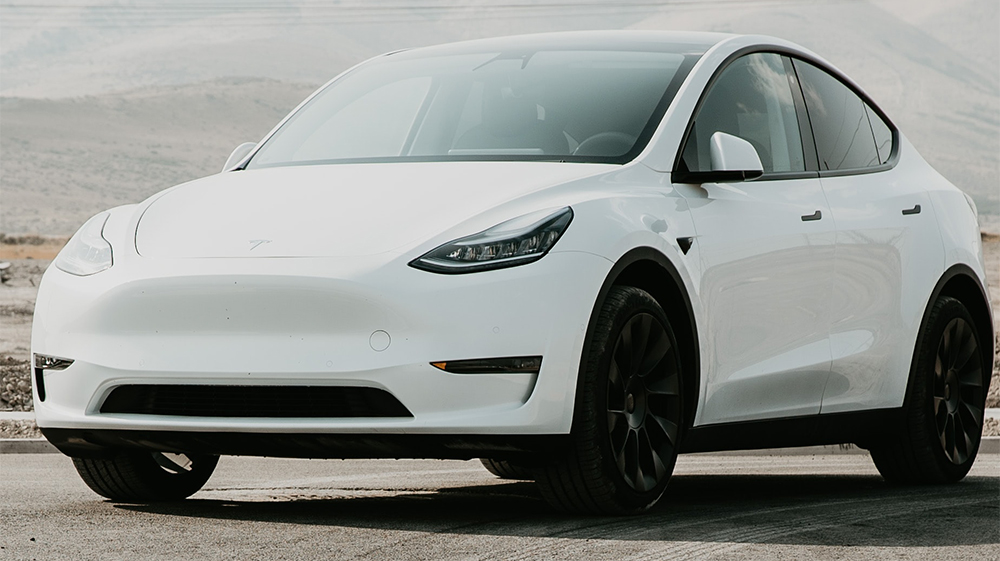
Understanding Tesla’s Dynamic Pricing Model: More Than Just MSRP
The sticker price, or Manufacturer’s Suggested Retail Price (MSRP), is merely the starting point when evaluating the cost of a Tesla. Unlike traditional dealerships with fixed pricing strategies, Tesla operates a direct-to-consumer model, often adjusting prices based on production costs, demand, and strategic market positioning. This dynamic approach means the price you see today might differ from the price next month, necessitating a vigilant approach to budgeting.
The Dynamic Nature of Tesla’s Sticker Price
Tesla’s pricing is notoriously fluid, influenced by global supply chains, battery material costs, production efficiencies, and market competition. The company frequently implements price adjustments, sometimes without prior notice, reflecting real-time economic conditions and strategic shifts. This variability requires potential buyers to monitor the official Tesla website closely for the most up-to-date pricing on models and configurations. While this dynamism can sometimes lead to sudden price drops, offering unexpected savings, it can also mean increases, underscoring the importance of timely decision-making once you’ve settled on a model and budget. Understanding this inherent flexibility is crucial for anyone preparing to invest in a Tesla.
Model Lineup and Base Price Variations
Tesla offers a range of vehicles, each catering to different needs and budgets, with base prices varying significantly. The Model 3, often considered the entry-point, typically starts at a more accessible price point, making it a popular choice for first-time EV buyers or those transitioning from conventional sedans. Moving up the line, the Model Y, a compact SUV, commands a higher base price due to its larger size and increased versatility. The premium Model S sedan and Model X SUV represent the top tier, featuring longer ranges, faster performance, and more luxurious appointments, naturally coming with substantially higher price tags. Each model has different trim levels (e.g., Rear-Wheel Drive, Long Range, Performance), which fundamentally alter the base price, sometimes by tens of thousands of dollars.
Decoding Optional Features and Upgrades
Beyond the base price and trim level, a significant portion of a Tesla’s final cost comes from optional features and upgrades. These include choices like paint color, wheel design, interior configuration, and crucially, software enhancements. Full Self-Driving (FSD) capability, for instance, is a substantial add-on that can significantly inflate the total price. While FSD promises advanced autonomous features, its current price tag represents a significant upfront investment, requiring careful consideration of its value proposition for your personal driving habits and financial situation. Other upgrades, such as enhanced autopilot, premium interior packages, and specific charging hardware, also contribute to the final purchase price, turning a base model into a customized—and more expensive—vehicle.
Regional Differences and Market Fluctuations
The listed price on Tesla’s website may not be the final price you pay, as regional factors often come into play. Delivery fees, documentation fees, and local sales taxes are added on top of the vehicle’s price, varying by state or country. Furthermore, international markets may see different base prices due to import duties, currency exchange rates, and local regulations. Market fluctuations, driven by demand, inventory levels, and even global events, can also indirectly influence pricing or the availability of certain configurations, making it essential to factor in your specific geographic location when calculating potential costs.
Beyond the Purchase Price: The True Cost of Tesla Ownership
Focusing solely on the upfront purchase price of a Tesla would paint an incomplete financial picture. The true cost of ownership extends far beyond the initial transaction, encompassing a range of ongoing expenses and potential savings that significantly impact your long-term financial outlay. A holistic view of Total Cost of Ownership (TCO) is essential for any prudent financial decision.
Initial Investment: Taxes, Fees, and Delivery Charges
The moment you configure your Tesla online, you’ll notice that several additional costs are appended to the MSRP. A non-refundable order fee is typically required to secure your reservation. When the vehicle is ready for delivery, you’ll encounter a mandatory destination and documentation fee, which covers the cost of transporting the vehicle from the factory and processing the paperwork. Sales tax, a percentage of the vehicle’s purchase price, is levied by your state or local municipality and can add thousands of dollars to the final bill, depending on your location. These initial charges are non-negotiable and must be factored into your budget alongside the vehicle’s price.
Fueling Up: The Cost of Charging (Home vs. Supercharger)
One of the most appealing financial aspects of an EV is the elimination of gasoline costs. However, electricity isn’t free. The cost of “fueling” your Tesla depends heavily on where and how you charge it. Charging at home, especially during off-peak hours with a dedicated Level 2 charger, is generally the most economical option, leveraging lower residential electricity rates. Installing a home charger, however, represents an upfront cost that needs to be considered. Public charging, particularly at Tesla’s proprietary Supercharger network, offers convenience and speed but comes at a higher per-kWh cost, sometimes comparable to gasoline on a cost-per-mile basis. For long-distance travel, Superchargers are invaluable, but for daily commuting, home charging is the financial winner.
Insurance Premiums: A Significant Variable
Insuring a Tesla can be a notable recurring expense. As advanced, high-performance, and relatively expensive vehicles, Teslas often command higher insurance premiums compared to their internal combustion engine (ICE) counterparts. Factors influencing these premiums include the vehicle’s value, repair costs (which can be higher due to specialized components and aluminum body construction), safety features, accident statistics for Tesla models, and your personal driving record and location. Some insurers even offer specialized Tesla-specific policies or discounts, while Tesla itself has explored offering its own insurance, aiming to provide more competitive rates based on real-time driving data. Always obtain several insurance quotes before purchasing to avoid a significant budget shock.
Maintenance and Service: Electric Vehicle Advantages
While EVs are often touted for their lower maintenance needs, this isn’t entirely without cost. Teslas benefit from fewer moving parts compared to gasoline cars, eliminating oil changes, spark plug replacements, and complex exhaust system maintenance. This can lead to substantial long-term savings. However, regular maintenance such as tire rotations, brake fluid checks, cabin air filter replacements, and software updates are still necessary. Battery health, while generally robust, can be a long-term consideration, though Tesla offers generous battery warranties. Bodywork and collision repairs for Teslas can be specialized and more expensive due to their unique construction and technology, making insurance coverage particularly important.
Depreciation and Resale Value Considerations
Depreciation, the loss of value over time, is a critical component of TCO. Historically, EVs have shown better depreciation curves than many ICE vehicles, partly due to strong demand and evolving technology. Teslas, in particular, have maintained robust resale values, often better than many luxury brands. This strong residual value can mean less financial loss when it comes time to sell or trade in your vehicle. However, market conditions, battery degradation, and the introduction of newer models can influence future depreciation. Understanding the potential resale value contributes to calculating the net cost of ownership over several years.
Navigating the Financial Landscape: Financing and Incentives
Purchasing a Tesla often represents one of the largest financial commitments an individual makes. Understanding the various financing options available and the potential for government incentives can significantly alleviate the burden and make ownership more attainable.
Loan Options: APRs, Terms, and Monthly Payments

Most buyers will finance their Tesla through a loan. The Annual Percentage Rate (APR) you qualify for will depend on your credit score, the loan term (e.g., 36, 48, 60, 72 months), and the lender. Longer loan terms typically result in lower monthly payments but often accumulate more interest over the life of the loan. Tesla offers direct financing options through its website, but it’s always prudent to shop around with banks, credit unions, and other financial institutions to secure the most competitive APR. A lower APR, even by a percentage point, can save thousands over the loan term. Carefully calculating your monthly payment and ensuring it fits comfortably within your budget is paramount.
Leasing a Tesla: Is It the Right Financial Move?
Leasing offers an alternative to outright ownership, particularly appealing to those who prefer lower monthly payments, drive fewer miles, and enjoy upgrading to a new vehicle every few years. With a lease, you essentially pay for the depreciation of the vehicle during the lease term, plus interest and fees. While monthly payments are generally lower than loan payments, you don’t build equity in the car, and there are mileage restrictions and potential end-of-lease fees for excess wear and tear. For those who prioritize having the latest technology and avoiding long-term maintenance concerns, leasing can be an attractive financial strategy, essentially treating your car as a recurring expense rather than an appreciating asset.
Government Tax Credits and Rebates
One of the most significant financial advantages of buying an EV comes from government incentives. In the United States, the federal government offers a clean vehicle tax credit, which can significantly reduce the effective purchase price. The exact amount of the credit depends on several factors, including the vehicle’s battery capacity, manufacturing origin, and the buyer’s income level. Tesla vehicles have periodically qualified for these credits, though changes in legislation and Tesla’s sales volume can impact eligibility. It’s crucial to research the current federal tax credit rules and ensure the specific Tesla model you’re considering qualifies for the full amount at the time of purchase, as these credits can change annually.
State-Specific Incentives and Programs
Beyond federal incentives, many states, and even some local municipalities, offer their own unique rebates, tax credits, or non-monetary perks for EV owners. These can range from direct cash rebates at the point of sale, state income tax credits, to reduced vehicle registration fees, or access to HOV lanes. For example, some states offer rebates for home charging station installation. These state and local programs can further reduce the effective cost of ownership, making a Tesla significantly more affordable in certain regions. Thorough research into the incentives available in your specific area is a vital step in calculating the final financial impact of your purchase.
The Long-Term Financial Picture: Savings and Investment
While the initial price of a Tesla might seem daunting, it’s essential to consider the potential long-term financial benefits and savings that an electric vehicle can offer. Over years of ownership, these savings can significantly offset the higher upfront cost, making a Tesla a more financially sound decision than it might first appear.
Fuel Cost Savings Compared to Gasoline Vehicles
Perhaps the most apparent long-term saving comes from fuel costs. Electricity, on average, is significantly cheaper per mile than gasoline. The precise savings depend on local electricity rates and gas prices, but owners consistently report substantial reductions in their monthly “fuel” budget. This can translate to hundreds or even thousands of dollars saved annually, which accumulates considerably over the vehicle’s lifespan. These savings become even more pronounced during periods of high gasoline prices, providing a financial hedge against volatile energy markets.
Reduced Maintenance Expenses Over Time
As previously mentioned, the simpler mechanics of an EV lead to fewer maintenance requirements. Without an internal combustion engine, there’s no need for oil changes, spark plugs, fuel filters, or timing belt replacements. Brake wear is also reduced thanks to regenerative braking, which uses the electric motor to slow the vehicle and recharge the battery, lessening reliance on traditional friction brakes. While tire wear can be higher due to the immediate torque and weight of an EV, the overall reduction in scheduled service items and potential repairs contributes to lower long-term maintenance costs, a key financial benefit often overlooked.
Potential for Higher Resale Value
Teslas have historically held their value well, often outperforming many luxury ICE vehicles in terms of depreciation. This strong resale market is driven by several factors: the continuous demand for EVs, Tesla’s brand prestige, ongoing software updates that keep older models feeling modern, and the relative scarcity of used Teslas compared to traditional cars. While depreciation is inevitable for any vehicle, a higher resale value means that the total financial loss incurred when selling or trading in a Tesla is often less than with a rapidly depreciating alternative, effectively making it a better “investment” in the long run from a pure asset depreciation perspective.
Assessing the “Green Premium” on Your Wallet
Beyond direct financial savings, there’s an intangible but increasingly recognized “green premium.” For some buyers, the environmental benefits of owning a zero-emission vehicle carry significant value. While this doesn’t directly translate to monetary savings, it represents an investment in a cleaner future and aligns with personal values. Financially, this can sometimes lead to non-monetary perks like preferential parking, reduced tolls, or a sense of contributing to environmental sustainability, which, for many, justifies the cost. From a pure financial standpoint, it’s about balancing direct costs and savings with this often-unquantifiable value proposition.
Making an Informed Financial Decision: Is a Tesla Right for Your Budget?
Ultimately, deciding whether a Tesla is within your financial reach requires a comprehensive personal finance assessment. It’s not just about the upfront cost but about how the total cost of ownership fits into your broader financial plan and priorities.
Budgeting for a Luxury EV: A Holistic Approach
Budgeting for a Tesla requires more than just ensuring you can afford the monthly payment. It involves a holistic review of your entire financial situation. Consider your emergency fund, other debts, retirement savings, and discretionary income. A Tesla, even the more affordable models, is a significant luxury purchase for many. Ensure that committing to such an expense doesn’t jeopardize other critical financial goals. Think about potential interest rate changes if you have a variable loan, and how fluctuations in electricity prices might affect your future “fuel” budget. A robust financial plan will account for these variables.
Total Cost of Ownership (TCO) Calculators and Tools
To gain the clearest financial picture, utilize Total Cost of Ownership (TCO) calculators. Many reputable automotive websites, and even Tesla’s own configurator, offer tools that estimate the five-year cost of ownership, factoring in purchase price, financing, taxes, fees, fuel/electricity, insurance, maintenance, and projected depreciation. These calculators provide invaluable insights, allowing you to compare the TCO of a Tesla against other EVs and comparable ICE vehicles. They can highlight the long-term savings that might make the initial investment more palatable and demonstrate where the true financial value lies.
Comparing Tesla to Other Luxury EVs and ICE Alternatives
When evaluating the price of a Tesla, it’s crucial to compare it not just against its own model lineup but also against competing vehicles. Look at other luxury EVs from brands like Porsche, Audi, Mercedes-Benz, or Lucid, as well as high-end ICE vehicles that fall within a similar price bracket. Compare their TCO, performance, features, and depreciation rates. Sometimes, another EV might offer better incentives or lower insurance costs, while a luxury ICE vehicle might have a lower upfront price but higher long-term fuel and maintenance expenses. This comparative financial analysis is key to identifying the best value for your money.

The Intangible Value: Experience vs. Expenditure
Finally, the financial decision for a Tesla often comes down to balancing tangible costs and savings with intangible value. The unique driving experience, cutting-edge technology, frequent software updates, and the satisfaction of driving a sustainable vehicle contribute to an ownership experience that many find unparalleled. While these aspects don’t have a direct monetary value, they contribute significantly to the perceived worth and enjoyment of the vehicle. For some, this “experience premium” justifies the expenditure, seeing it as an investment in a lifestyle choice rather than solely a mode of transport. Your personal priorities and what you value most in a vehicle will ultimately shape your financial decision.
In conclusion, “what is the price of a Tesla?” is a question that opens the door to a detailed financial exploration. From the dynamic MSRP and myriad optional upgrades to the long-term considerations of charging costs, insurance, maintenance, incentives, and resale value, the financial landscape of Tesla ownership is multifaceted. By taking a comprehensive and informed approach to budgeting and TCO analysis, prospective buyers can confidently determine if a Tesla is not only a desirable vehicle but also a financially sensible choice for their personal circumstances.
aViewFromTheCave is a participant in the Amazon Services LLC Associates Program, an affiliate advertising program designed to provide a means for sites to earn advertising fees by advertising and linking to Amazon.com. Amazon, the Amazon logo, AmazonSupply, and the AmazonSupply logo are trademarks of Amazon.com, Inc. or its affiliates. As an Amazon Associate we earn affiliate commissions from qualifying purchases.