
Navigating the landscape of business taxes can be one of the most complex, yet critical, aspects of running a successful enterprise. For entrepreneurs, understanding the “how-to” of tax payments is not just about compliance; it’s about strategic financial management, avoiding penalties, and ensuring the long-term health of their business. This guide delves into the essential steps, methods, and considerations for fulfilling your business tax obligations, strictly within the realm of business finance and financial tools.
Understanding Your Business Tax Obligations
Before you can pay your business taxes, you must first understand what you owe, to whom, and by when. The type of business entity you operate significantly influences your tax structure and obligations.
Federal vs. State vs. Local Taxes
Businesses typically face tax liabilities at multiple levels:
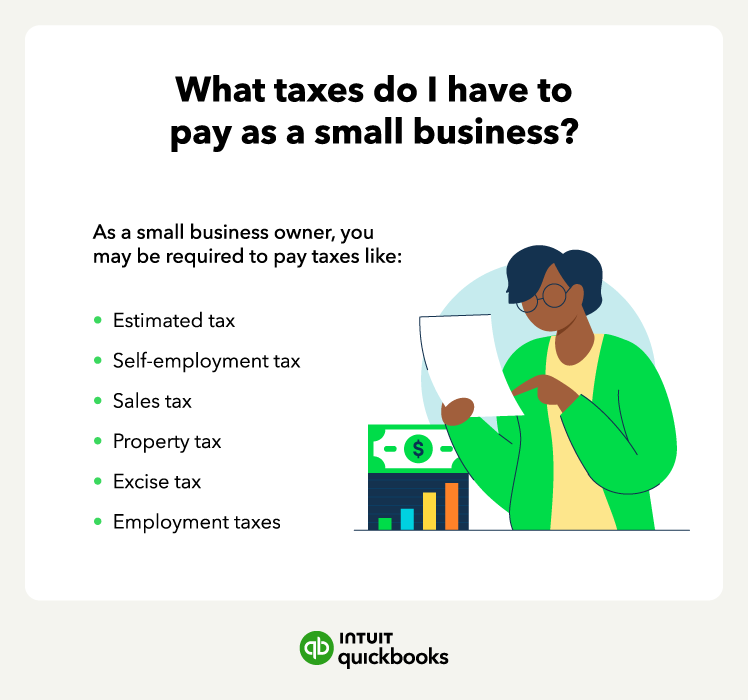
- Federal Taxes: These are imposed by the U.S. government, primarily through the Internal Revenue Service (IRS). Federal taxes include income tax, self-employment tax (Social Security and Medicare), payroll taxes (for employees), and potentially excise taxes.
- State Taxes: Most states impose their own income tax on businesses, alongside sales tax (if you sell goods or services), property tax, and various licensing or franchise taxes. Each state has unique rules and rates, making it crucial to understand the regulations in every state where your business operates.
- Local Taxes: Cities, counties, and other local jurisdictions may levy additional taxes, such as local income taxes, property taxes, business license fees, or specific excise taxes. These vary widely by location.
Entity Types and Their Tax Implications
Your business structure dictates how profits and losses are reported and taxed:
- Sole Proprietorship: The simplest structure, where the business and owner are one and the same. Profits and losses are reported on Schedule C (Form 1040) of the owner’s personal income tax return. The owner pays self-employment taxes in addition to income tax.
- Partnership: Formed by two or more individuals who agree to share in profits or losses. The partnership itself does not pay income tax; instead, it files an informational return (Form 1065), and profits/losses “pass-through” to the partners’ personal tax returns (Schedule K-1), who then pay self-employment and income taxes.
- Limited Liability Company (LLC): Offers personal liability protection. An LLC can be taxed in several ways:
- Single-member LLC: Defaults to being taxed as a sole proprietorship (Schedule C).
- Multi-member LLC: Defaults to being taxed as a partnership (Form 1065).
- Any LLC: Can elect to be taxed as an S-corporation or C-corporation by filing the appropriate forms (Form 2553 for S-Corp, Form 8832 for C-Corp).
- S-Corporation (S-Corp): A special tax election that allows profits and losses to be passed directly to the owners’ personal income without being subject to corporate tax rates. Owners must pay themselves a “reasonable salary,” which is subject to payroll taxes. Remaining distributions are generally not subject to self-employment tax, offering a potential tax saving. It files Form 1120-S.
- C-Corporation (C-Corp): A separate legal entity from its owners, subject to “double taxation.” The corporation pays taxes on its profits (Form 1120), and shareholders then pay taxes again on any dividends received. C-corps offer the most robust liability protection and can retain earnings for reinvestment.
Understanding your entity type is fundamental, as it dictates which forms you file, which taxes you pay, and the methods available for payment.
Key Tax Deadlines to Remember
Missing deadlines can result in penalties and interest. Key federal tax deadlines for businesses often include:
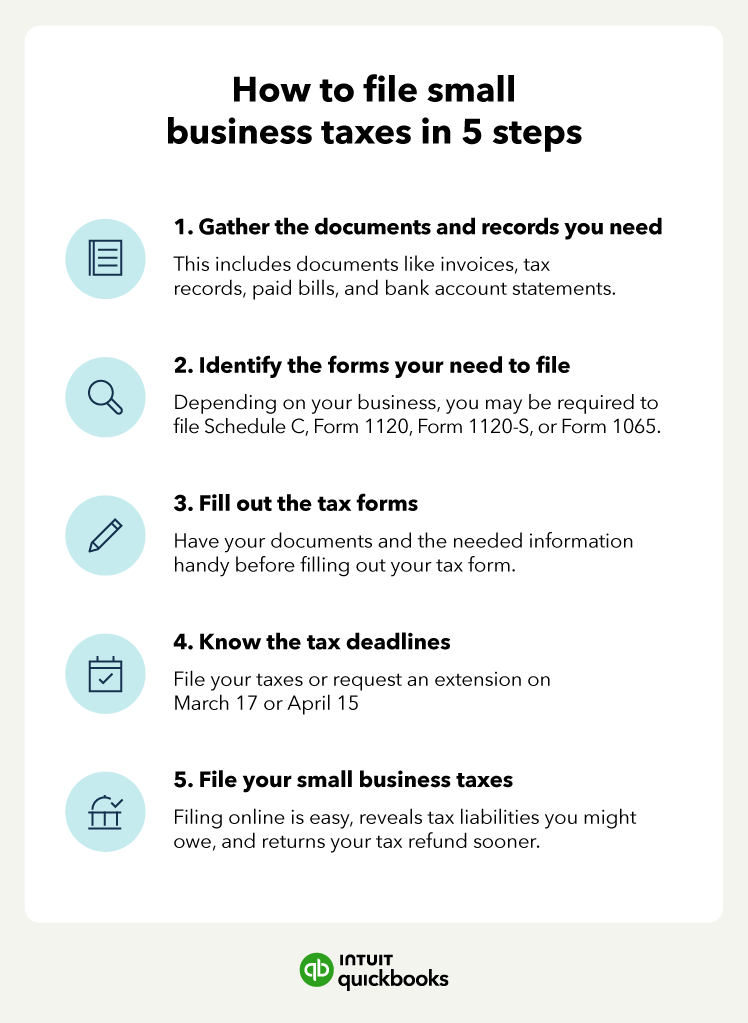
- March 15: S-Corporation (Form 1120-S) and Partnership (Form 1065) returns due.
- April 15: C-Corporation (Form 1120) returns due, and the first quarter estimated tax payment for individuals (including sole proprietors, partners, and S-corp shareholders) and corporations.
- June 15: Second quarter estimated tax payment due.
- September 15: Third quarter estimated tax payment due.
- January 15 (of the following year): Fourth quarter estimated tax payment due.
Payroll tax deadlines are typically more frequent (weekly, bi-weekly, or monthly) depending on your payroll size and tax liability. State and local deadlines will vary. Calendaring these dates and setting reminders is crucial for compliance.
Preparing for Tax Season: Record-Keeping and Compliance
Effective tax payment begins long before the actual due date, rooted in diligent record-keeping and proactive compliance.
Meticulous Bookkeeping: The Foundation
Accurate and up-to-date financial records are the bedrock of tax compliance. This includes:
- Income Tracking: All revenue generated, from sales to service fees, must be recorded.
- Expense Tracking: Every business expense, from office supplies to travel costs, should be meticulously documented. Categorizing expenses correctly is vital for identifying eligible deductions.
- Payroll Records: If you have employees, detailed records of wages paid, taxes withheld, and employer contributions are mandatory.
- Bank Statements and Credit Card Statements: Reconcile these regularly with your accounting software to ensure all transactions are captured and categorized.
Using accounting software like QuickBooks, Xero, or FreshBooks can automate much of this process, linking directly to bank accounts and categorizing transactions.
Essential Documents to Organize
Beyond daily transactions, keep these documents readily accessible:
- Prior Year Tax Returns: A valuable reference for current year planning.
- Receipts and Invoices: Proof of all income and expenses.
- Bank and Credit Card Statements: For reconciliation and verification.
- Loan Documents: For interest deductions.
- Asset Purchase Records: For depreciation calculations.
- Payroll Reports: Wage and tax statements (W-2s, W-3s, 1099s).
Choosing the Right Accounting Method
The IRS generally allows two primary accounting methods:
- Cash Method: Income is recorded when received, and expenses are recorded when paid. Simpler for smaller businesses.
- Accrual Method: Income is recorded when earned (even if payment hasn’t been received), and expenses are recorded when incurred (even if not yet paid). Generally required for businesses with inventories or revenues exceeding a certain threshold.
Your chosen method impacts when income and expenses are recognized, which directly affects your tax liability in a given period.
Estimating Quarterly Taxes
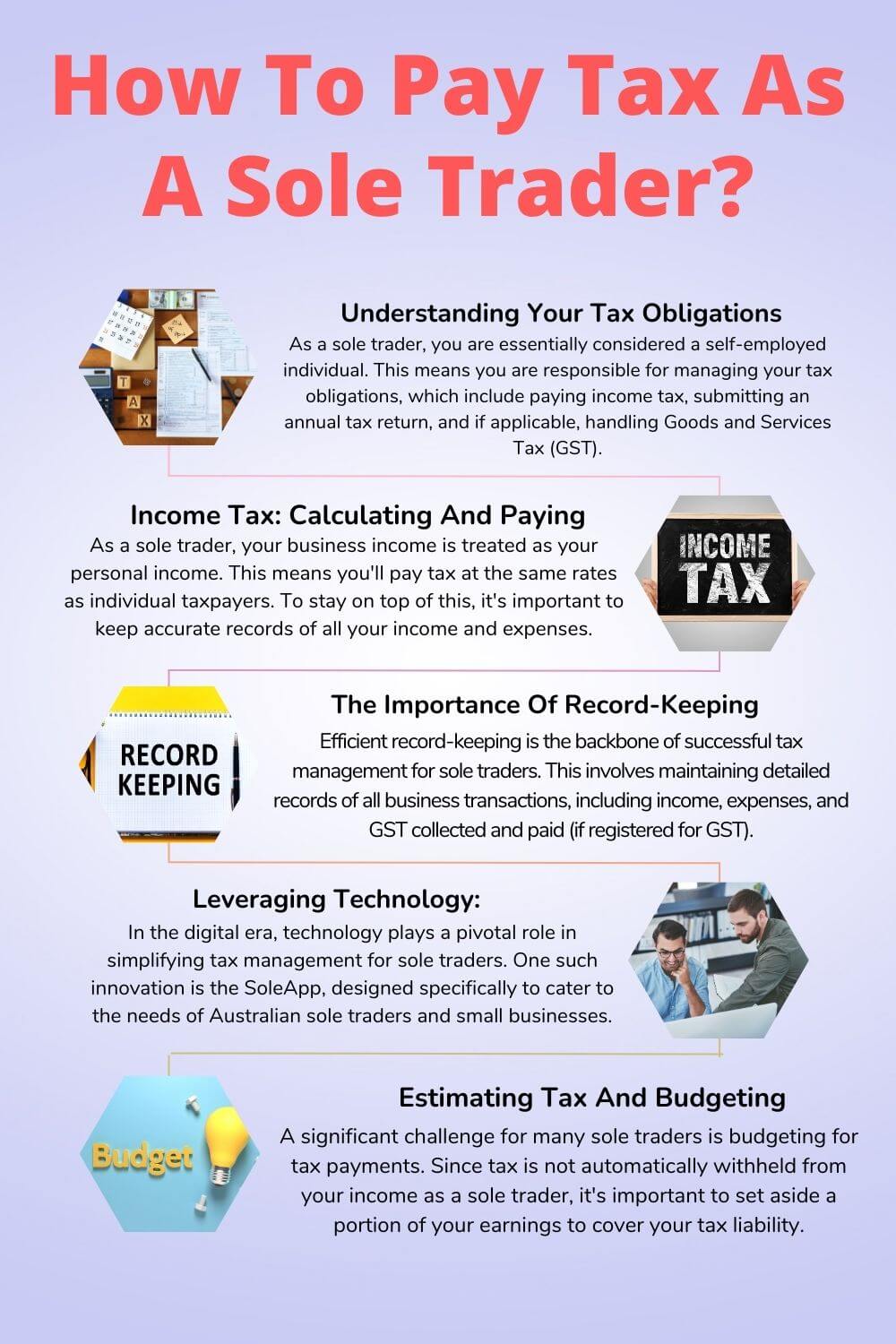
Most businesses (sole proprietors, partners, S-corp shareholders, and corporations expecting to owe more than $1,000 in federal tax) are required to pay estimated taxes throughout the year. This system ensures that tax liability is paid as income is earned, rather than in one lump sum at year-end. You can estimate your quarterly payments using:
- Last Year’s Tax: If your income is stable, you can pay 100% (or 110% if your AGI exceeds certain thresholds) of your prior year’s total tax liability to avoid penalties.
- Current Year’s Projected Income: A more accurate method, especially for growing businesses. Forecast your income and expenses for the year, calculate your estimated tax, and divide by four for quarterly payments. Form 1040-ES (for individuals/sole proprietors) and Form 1120-W (for corporations) provide worksheets.
Methods for Paying Your Business Taxes
Once you know what you owe, the next step is actually making the payment. The IRS and state tax agencies offer various payment options, primarily favoring electronic methods.
Electronic Funds Withdrawal (EFW)
When you file your federal tax return electronically (e-file), you can authorize the IRS to withdraw the payment directly from your bank account on a specified date. This is a convenient option for year-end tax payments. Most tax software facilitates this option.
IRS Direct Pay
For federal taxes, the IRS offers Direct Pay, a free, secure web service that allows you to pay your tax directly from your checking or savings account. You can schedule payments up to 365 days in advance, receive email confirmations, and view your payment history. It can be used for various tax forms, including estimated taxes.
Electronic Federal Tax Payment System (EFTPS)
EFTPS is the IRS’s primary electronic payment system for businesses and individuals. It requires prior enrollment (which can take several days to process) but offers flexibility to make various federal tax payments, including estimated taxes, payroll taxes (Form 941, 940), and business income taxes. Payments can be scheduled up to 365 days in advance. It’s often favored by businesses with recurring tax obligations, particularly payroll.
Credit or Debit Card Payments
The IRS allows you to pay federal taxes using a credit or debit card through third-party payment processors. While convenient, these processors charge a fee (typically 1.87% to 2.29% for credit cards, and a flat fee for debit cards). This method can be useful for earning rewards points or in situations where cash flow is tight, but the fees should be weighed against the benefits.
Check or Money Order
While electronic payments are preferred and often mandatory for larger tax liabilities, you can still pay federal taxes by check or money order in some cases. You’ll need to send a payment voucher (e.g., Form 1040-V for individuals/sole proprietors, Form 1120-V for corporations) along with your payment to the IRS. State and local agencies also typically accept checks. Always ensure the check is made out correctly and includes your tax ID number.
State and Local Payment Gateways
Each state and many local jurisdictions have their own online portals for tax payments. These systems often mirror federal options, offering direct debit from bank accounts, credit/debit card payments, and sometimes state-specific electronic fund transfer systems. It’s imperative to consult your state’s Department of Revenue website for specific instructions and available payment methods.
Leveraging Technology and Professional Assistance
Efficient tax payment and compliance are significantly enhanced by embracing modern financial tools and expert advice.
Tax Software Solutions
Integrated accounting and tax preparation software can streamline the entire process:
- QuickBooks: Offers comprehensive accounting, payroll, and invoicing features, making it easier to track income and expenses throughout the year, which can then be directly imported into tax preparation modules.
- TurboTax Business, H&R Block Business, TaxAct Business: These specialized software packages are designed for small business tax preparation. They guide you through the process, help identify deductions, and facilitate e-filing and electronic payment.
- Specialized Payroll Software (e.g., Gusto, ADP): Automates payroll tax calculations, withholdings, and payments, ensuring compliance with federal and state payroll tax obligations.
These tools not only simplify calculations but also reduce the risk of errors and ensure timely submissions.
Engaging a Tax Professional
While software can handle many aspects, a qualified tax professional can be an invaluable asset:
- Certified Public Accountant (CPA): CPAs offer comprehensive tax planning, preparation, and advisory services. They can help businesses optimize deductions, navigate complex tax laws, and represent you in IRS audits.
- Enrolled Agent (EA): EAs are federally authorized tax practitioners who specialize in taxation and have unlimited practice rights before the IRS. They can prepare returns, offer advice, and represent taxpayers.
- Tax Attorney: For complex legal tax issues, disputes, or business structuring advice, a tax attorney provides expertise in tax law.
A professional can provide strategic insights, ensure compliance, and often save businesses more in taxes than their fees, particularly as the business grows in complexity. They can also help develop effective tax planning strategies to minimize future liabilities.
Benefits of Automation in Tax Compliance
Automating tax-related tasks, through accounting software integrations and payroll services, offers several advantages:
- Accuracy: Reduces human error in calculations and data entry.
- Efficiency: Frees up time that would otherwise be spent on manual data processing, allowing business owners to focus on core operations.
- Timeliness: Ensures deadlines are met through automated reminders and scheduled payments.
- Visibility: Provides real-time financial data, aiding in better financial planning and decision-making.
By understanding your obligations, maintaining meticulous records, choosing the right payment methods, and leveraging appropriate tools and expertise, businesses can transform tax payment from a daunting task into a manageable and even strategic component of their financial operations.
aViewFromTheCave is a participant in the Amazon Services LLC Associates Program, an affiliate advertising program designed to provide a means for sites to earn advertising fees by advertising and linking to Amazon.com. Amazon, the Amazon logo, AmazonSupply, and the AmazonSupply logo are trademarks of Amazon.com, Inc. or its affiliates. As an Amazon Associate we earn affiliate commissions from qualifying purchases.