
In the landscape of modern speculative fiction, few concepts have captured the anxiety of the digital age as effectively as “Severance.” While the narrative is often discussed in terms of its psychological and sociological implications, the plot of Severance is, at its core, a deep dive into an extreme technological solution for workplace security and employee management. It posits a world where the boundary between a “user” and their “data” is surgically and digitally enforced. By examining the plot through a tech-centric lens, we can understand how the show mirrors contemporary trends in neural engineering, data privacy, and the gamification of labor.
The Severance Procedure: A New Frontier in Cognitive Computing
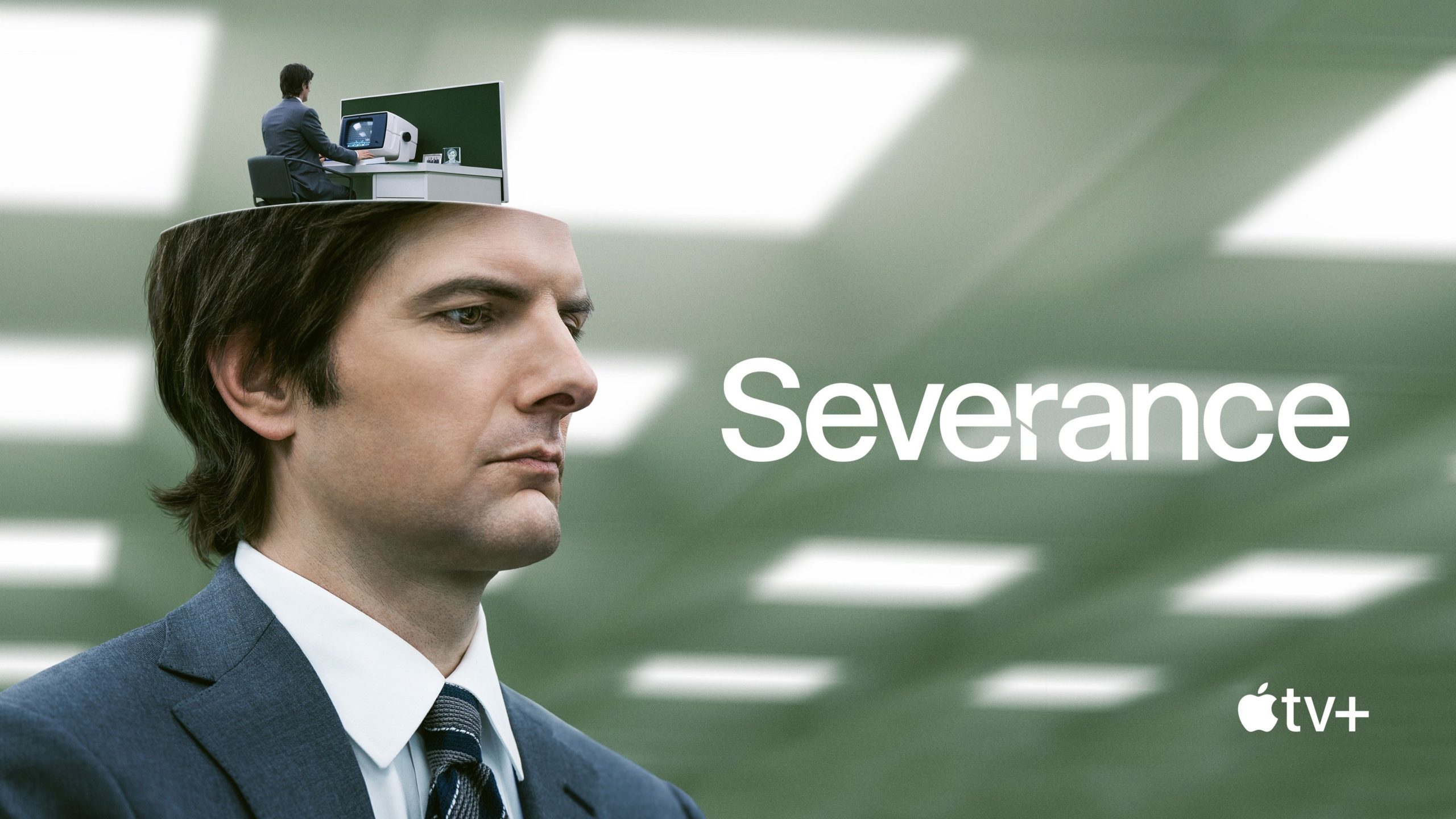
The central plot of Severance revolves around the “Severance” procedure—a surgical intervention pioneered by the fictional Lumon Industries. From a technical standpoint, this is a masterpiece of neural interface engineering. The procedure involves the insertion of a small, sophisticated chip into the brain’s prefrontal cortex, which acts as a switch triggered by spatial cues.
The Bifurcation of Data: How Spatial-Dictated Memory Works
The plot hinges on a concept known as “spatial-dictated memory.” When an employee enters the “severed” floor of Lumon Industries, the chip activates, effectively walling off their personal memories. This creates two distinct identities: the “Outie” (the version of the person in the outside world) and the “Innie” (the version that exists only within the office).
From a technological perspective, this is a radical approach to data security. Lumon has essentially created a biological firewall. By ensuring that the “Innie” has no access to external context, they prevent corporate espionage and leakages. The “Innie” possesses the cognitive functions required for work—language, motor skills, and technical knowledge—but lacks the biographical metadata that constitutes a personality. This architectural separation of “self” and “service” is the catalyst for the entire plot, as characters like Mark Scout begin to question the integrity of the partition.
The Ethics of Invasive Neural Interfaces
As the plot progresses, we see the darker side of this neural hardware. The tech is not just a passive filter; it is a tool for absolute administrative control. The “Overtime Contingency” (OTC) protocol is a critical plot point that demonstrates the remote-access capabilities of the severance chip. This allows Lumon supervisors to activate an “Innie” persona even when the employee is outside the physical office.
This mirrors real-world concerns regarding the “Right to Disconnect” and the invasive nature of modern workplace apps. In the world of Severance, the tech has moved from a smartphone notification to a neural override. The ethical dilemma presented is clear: when a company owns the hardware inside your skull, do they own your consciousness as well? The plot tracks the rebellion of the employees as they realize they are essentially firmware trapped in a biological host.
Macrodata Refinement (MDR): Gamification or Advanced Data Processing?
The primary task performed by the protagonists—Mark, Helly, Irving, and Dylan—is “Macrodata Refinement.” For the viewer, and for the characters, the nature of this work is intentionally opaque, reflecting the “black box” nature of many modern AI and machine learning algorithms.
Deciphering the “Scary Numbers”: Cryptography and Human Intuition
The refined “work” involves sorting clusters of numbers on a screen into digital bins. What makes this a compelling tech-centric plot device is that the refined numbers are identified not by logic, but by “feeling.” Employees must find numbers that evoke specific emotions: woe, frolic, dread, and malice.
This suggests a high-level integration of human emotion into data processing, a concept known as “affective computing.” In the context of the plot, it is theorized that the MDR team is essentially acting as a manual training set for a sophisticated AI. They are the “human in the loop,” performing the emotional heavy lifting that current silicon-based processors cannot achieve. The mystery of what these numbers represent—be it weapons systems, psychological profiles, or internal company data—drives the tension of the narrative.
The Role of AI and Machine Learning in Lumon’s Infrastructure
Lumon’s workspace is an exercise in extreme minimalism, yet it is powered by a complex backend. The “Board,” which communicates through a silent intermediary, functions much like an opaque algorithm. Decisions are handed down without context, and the employees are expected to execute them without question.
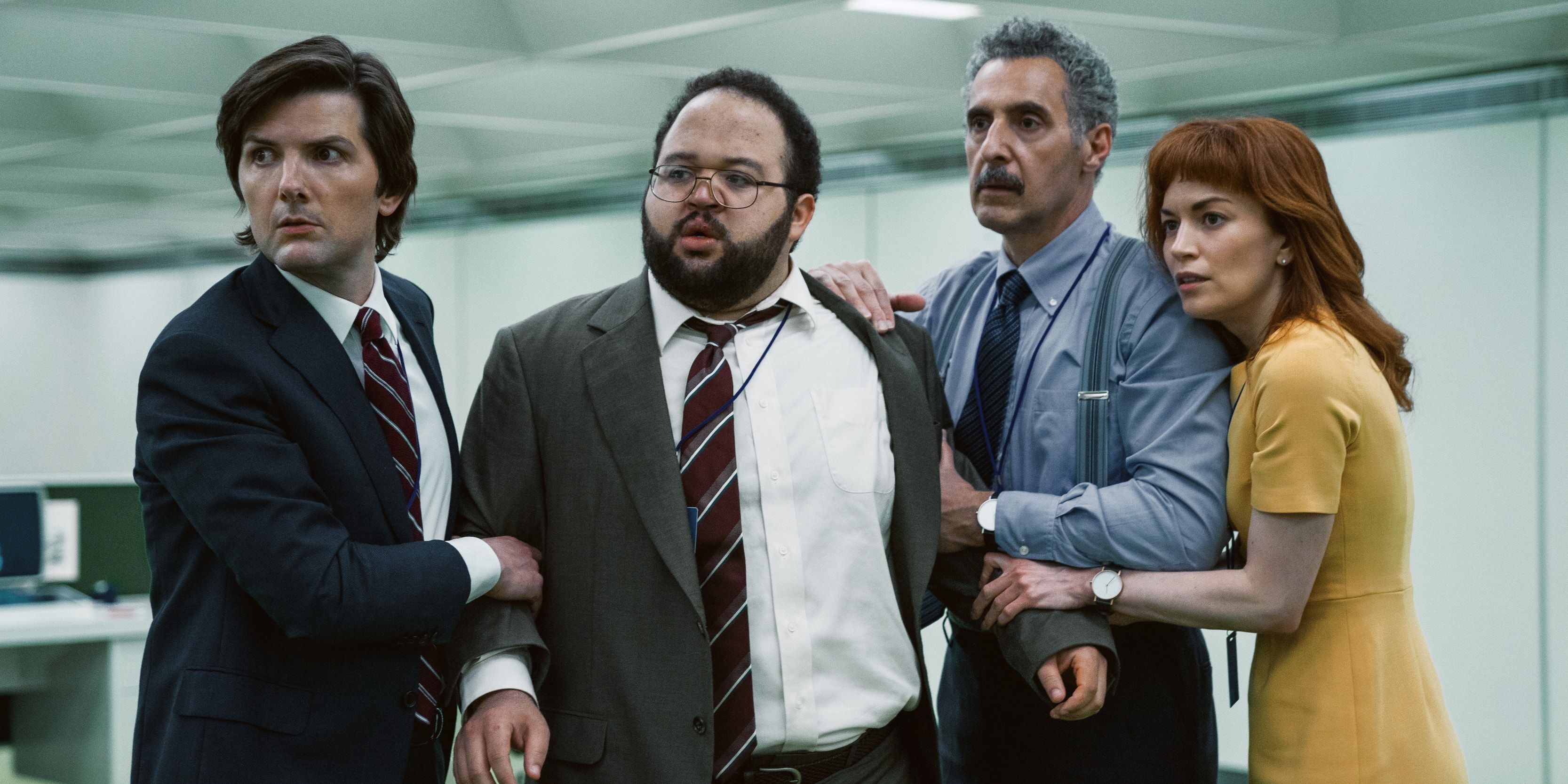
The plot highlights the dehumanizing aspect of being a “data refiner.” When the output is disconnected from the purpose, work becomes an abstract game. This mirrors the “gig economy” or “micro-tasking” platforms like Amazon Mechanical Turk, where workers perform small fragments of data labeling for AI training without ever seeing the final product. The Severance plot is a cautionary tale about the total abstraction of labor in a tech-driven society.
Digital Security and the Surveillance State of Lumon Industries
The plot of Severance is structured around a “heist” or an “escape” narrative, where the obstacles are not just physical walls, but sophisticated digital surveillance systems. Lumon Industries represents the ultimate “closed system,” where information flow is strictly asymmetric.
Non-Geographical Intranets and the “Elevator Break”
The “Elevator Break” is a technological bottleneck designed to prevent any physical transfer of information. Any written note, symbol, or digital storage device carried by an employee is detected by “code detectors” embedded in the elevator shafts. This creates a vacuum of information.
In cybersecurity terms, this is an “air-gapped” environment. The “Innies” are effectively living on an intranet with no connection to the global web. The plot develops as the characters find “exploits” in this system. For instance, they discover that certain areas of the office are not monitored as closely, or they find ways to smuggle information using the few analog tools available to them. The tension arises from the constant struggle between the administrators (the system’s “root users”) and the employees (the “standard users” trying to gain elevated privileges).
Biometric Control and the “Break Room”
Beyond the elevator, Lumon uses psychological and biometric feedback to maintain order. The “Break Room” is a psychological torture chamber where employees must repeat a “compunction statement” until a polygraph-like machine determines they are being 100% sincere.
This represents a terrifying evolution of biometric monitoring. It isn’t just about fingerprinting or facial recognition; it is about “intent recognition.” The plot uses this tech to show how Lumon enforces cultural alignment. If the machine detects a deviation in your emotional state, you are deemed “malfunctioning” and subjected to “re-education.” This reflects modern corporate surveillance tools that track keystrokes, eye movements, and “sentiment analysis” in company emails.
The Future of Remote Work and the “Severed” Employee Experience
As we look toward the future of technology and work, Severance serves as a grim meditation on the ultimate “work-life balance” solution. The plot explores whether tech can solve the burnout associated with the 24/7 digital grind.
From Slack to Severance: The Evolution of Workplace Communication
In our current reality, tools like Slack, Zoom, and Microsoft Teams have blurred the lines between the office and the home. We are “always on.” The severance procedure is presented to the public (the “Outies”) as a way to reclaim their personal life. If you don’t remember your work, you can’t be stressed by it.
However, the plot reveals the logical fallacy of this tech-fix. By severing the memory, you create a sentient being (the “Innie”) who never leaves the office. For the Innie, life is a continuous loop of work with no sleep, no weekends, and no respite. This narrative choice highlights the dangers of using technology to solve systemic social issues. Instead of reducing the workload, the tech simply hides the burden from the conscious self.

Corporate Governance in the Age of Bio-Tech
Finally, the plot touches on the “Brand” of Lumon as a quasi-religious tech cult. The company’s founder, Kier Eagan, is treated as a deity, and his “instructions” are treated as scripture. This reflects the “founder worship” prevalent in Silicon Valley, where tech CEOs are often seen as visionaries whose products will “save the world.”
The “Severance” technology is the ultimate product of this cult-like corporate identity. It is a tool designed to create the perfect, compliant employee. As the characters unravel the mystery of the “Board” and the true purpose of the MDR department, they are essentially performing a “security audit” on their own lives. They are looking for the “backdoors” and “vulnerabilities” in Lumon’s system that will allow them to regain their autonomy.
In conclusion, the plot of Severance is a complex exploration of how invasive technology can be used to commodify the human experience. Through the severance procedure, the mystery of Macrodata Refinement, and the total surveillance of the Lumon campus, the show warns us of a future where the “Terms of Service” are written into our very biology. It is a brilliant, tech-focused narrative that asks one of the most pressing questions of our time: In an age of total connectivity, how much of ourselves are we willing to delete for the sake of a paycheck?
aViewFromTheCave is a participant in the Amazon Services LLC Associates Program, an affiliate advertising program designed to provide a means for sites to earn advertising fees by advertising and linking to Amazon.com. Amazon, the Amazon logo, AmazonSupply, and the AmazonSupply logo are trademarks of Amazon.com, Inc. or its affiliates. As an Amazon Associate we earn affiliate commissions from qualifying purchases.