
Choosing a career in law enforcement is often driven by a sense of civic duty and a desire for public service. However, from a personal finance and career planning perspective, understanding the “pay” of a police officer requires looking far beyond the starting hourly wage. The compensation package for a police officer is one of the most complex in the public sector, involving a blend of base salary, geographic adjustments, overtime opportunities, and some of the most robust retirement benefits available in the modern economy.
For those evaluating law enforcement as a financial path, it is essential to analyze the total compensation model. This article explores the multifaceted layers of police pay, the impact of location on earning potential, and the long-term wealth-building tools that characterize this profession.

Understanding the Base Salary Structure and Geographic Variables
The base salary of a police officer is the foundation of their financial life, but it is rarely a static number. Unlike many private-sector roles where raises are negotiated individually, police compensation is typically governed by “steps” and “grades” established by municipal budgets or collective bargaining agreements.
The Impact of Location on Earning Potential
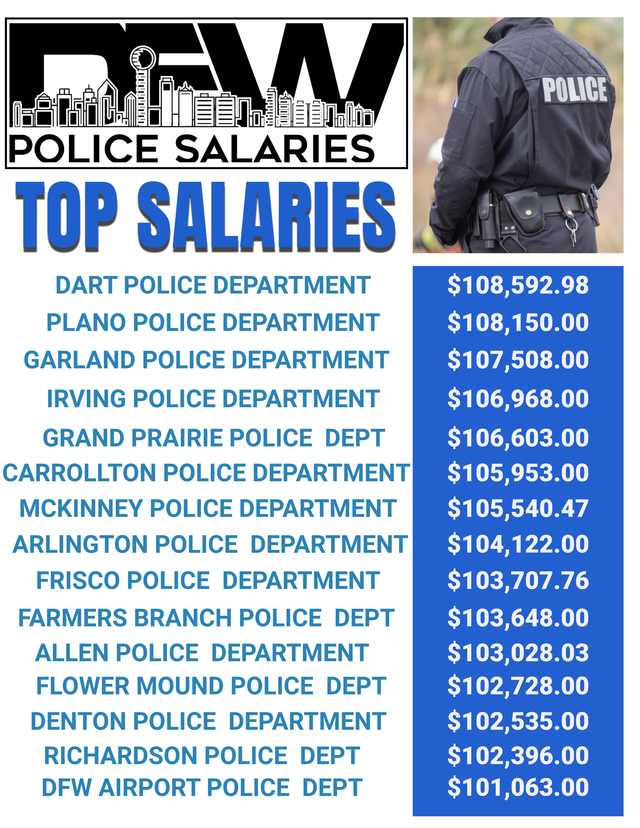
In the world of personal finance, location is the single greatest determinant of a police officer’s standard of living. According to data from the Bureau of Labor Statistics (BLS), the median annual wage for police and sheriff’s patrol officers fluctuates significantly across the United States.
In high-cost-of-living areas, such as California, New Jersey, and Washington D.C., base salaries often start in the $70,000 to $90,000 range, with senior officers easily clearing six figures before overtime. Conversely, in rural areas or states with lower costs of living, starting salaries may hover between $40,000 and $55,000. When evaluating these numbers, it is vital to calculate the “real wage”—how far that salary goes when adjusted for local housing, taxes, and consumer goods.
Entry-Level vs. Seniority-Based Pay Scales
Most law enforcement agencies operate on a transparent pay scale. An entry-level officer starts at Step 1. With each year of service, they move to the next step, which carries a predetermined percentage increase. This structure provides a level of financial predictability that is rare in the private sector. Furthermore, moving up in rank—from Officer to Detective, Sergeant, Lieutenant, or Captain—triggers a shift to a higher pay grade. For a savvy financial planner, this transparency allows for precise long-term budgeting and investment forecasting.
Beyond the Base: Overtime, Bonuses, and Specialized Pay
If you were to look at a police officer’s W-2 at the end of the year, the “Gross Pay” is often 20% to 50% higher than their quoted base salary. This is because law enforcement offers unique avenues for increasing income through supplemental pay structures.
The Role of Overtime in Maximizing Annual Income
Overtime (OT) is a cornerstone of the law enforcement financial model. Due to staffing shortages, specialized details, and the “unpredictable nature of the job” (such as a late-shift arrest requiring hours of paperwork or a court appearance), officers often work well beyond the standard 40-hour week.
From a money management perspective, overtime is a double-edged sword. It provides a significant boost to cash flow, allowing officers to pay off debt or fund investment accounts rapidly. However, relying on OT for basic living expenses—a phenomenon known as “pension spiking” or “lifestyle creep”—can be dangerous if the department suddenly restricts overtime hours due to budget cuts.
Incentives for Education and Specialized Certifications
Many departments offer “incentive pay” to encourage professional development. This is essentially a bonus added to the base salary for specific qualifications. Common incentives include:
- Education Pay: Monthly stipends for holding an Associate’s, Bachelor’s, or Master’s degree.
- Bilingual Pay: Extra compensation for officers fluent in a second language relevant to their community.
- Specialty Unit Pay: Additional “hazard pay” or “specialty pay” for roles in SWAT, K9 units, bomb squads, or flight crews.
- Shift Differentials: Extra pay for working the “graveyard” or evening shifts.
These increments may seem small—perhaps $200 a month for a degree—but when compounded over a 25-year career, they add tens of thousands of dollars to an officer’s lifetime earnings and, crucially, often increase the final average salary used to calculate retirement benefits.
The Long-Term Value: Pension Plans and Retirement Benefits
While the monthly paycheck is important, the true “wealth” in law enforcement is often found in the benefits package. In an era where the private sector has largely abandoned “Defined Benefit” pensions in favor of “Defined Contribution” plans like the 401(k), the public safety pension remains a powerful financial asset.
Defined Benefit Plans vs. Traditional Savings
Most police officers participate in a pension system where, after a set number of years (often 20 or 25), they are eligible to retire with a guaranteed monthly check for life. This pension is typically calculated as a percentage of their highest average salary. For example, a “3% at 50” plan might allow an officer to retire at age 50 with 75% of their salary if they served 25 years.
To replicate a $60,000 annual pension in the private sector using the “4% Rule” of retirement spending, an individual would need a nest egg of approximately $1.5 million. This “pension wealth” is a critical component of a police officer’s net worth that isn’t reflected in their bank account balance but provides immense financial security.
Health Insurance and Post-Service Security
Another significant financial advantage is the subsidized health insurance. Many departments provide premium-free or low-cost medical, dental, and vision coverage for the officer and their family. Furthermore, some collective bargaining agreements include retiree medical benefits, which bridge the expensive gap between retirement and Medicare eligibility. In the context of personal finance, this reduces the “emergency fund” requirements and increases the amount of disposable income available for investing.
Financial Planning Strategies for Law Enforcement Professionals
Given the unique structure of police pay, officers face specific financial challenges and opportunities. Managing a “Money” strategy in this field requires a different approach than a standard corporate 9-to-5.
Managing Variable Income and Overtime Surges
The volatility of overtime pay can lead to “feast or famine” cycles. Financial experts recommend that law enforcement professionals build their primary budget based solely on their base salary. Any overtime earned should be treated as “bonus capital” and directed toward specific financial goals, such as:
- Eliminating high-interest consumer debt.
- Maxing out supplemental retirement accounts.
- Building a 6-to-12-month emergency fund to buffer against potential injury or administrative leave.
Leveraging Deferred Compensation Plans (457b)
In addition to a pension, most government employees have access to a 457(b) Deferred Compensation Plan. This is the public-sector equivalent of a 401(k), but with a major advantage: there is generally no 10% early withdrawal penalty if you leave the service before age 59.5.
For an officer retiring in their late 40s or early 50s, the 457(b) serves as a vital bridge. By contributing to this plan throughout their career, an officer can build a significant tax-advantaged investment portfolio that complements their pension, potentially leading to a “fat FIRE” (Financial Independence, Retire Early) lifestyle that is difficult to achieve in other professions.

Conclusion: Is the Pay Worth the Risk?
When asking “what is the pay of a police officer,” the answer is a complex narrative of immediate cash flow and long-term asset building. While the starting base salary may seem modest in some regions, the total compensation—inclusive of overtime, specialized incentives, and a guaranteed lifetime pension—places law enforcement among the more financially stable career paths in the public sector.
From a “Money” perspective, the key to success in this field is not just earning the salary, but strategically managing the unique tools provided. By budgeting on base pay, investing overtime into a 457(b), and protecting the “pension asset” through health and wellness, a police officer can build a level of financial security that rivals many high-level corporate executives. Ultimately, the pay is a reflection of the high-stakes nature of the work, designed to provide a middle-to-upper-middle-class life in exchange for a career of public service.
aViewFromTheCave is a participant in the Amazon Services LLC Associates Program, an affiliate advertising program designed to provide a means for sites to earn advertising fees by advertising and linking to Amazon.com. Amazon, the Amazon logo, AmazonSupply, and the AmazonSupply logo are trademarks of Amazon.com, Inc. or its affiliates. As an Amazon Associate we earn affiliate commissions from qualifying purchases.