
In the landscape of modern biotechnology, few processes are as fundamental or as technologically complex as oxidative phosphorylation. While traditionally relegated to the pages of biology textbooks, this cellular mechanism has recently emerged as a primary focus for software engineers, computational biologists, and deep-tech innovators. Oxidative phosphorylation is the final stage of cellular respiration, the process by which mitochondria—the “hardware” of the cell—convert nutrients into adenosine triphosphate (ATP), the universal energy currency. To understand oxidative phosphorylation today is to understand the sophisticated bio-circuitry that powers human life and the cutting-edge technology currently being developed to optimize, simulate, and repair it.
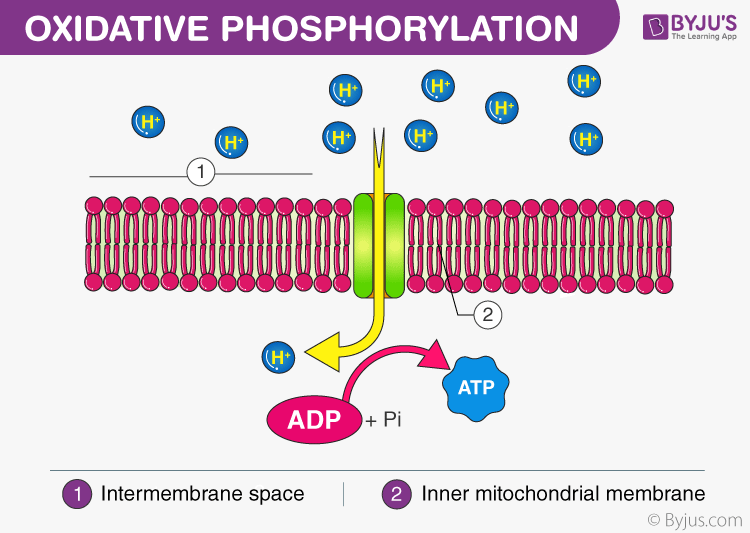
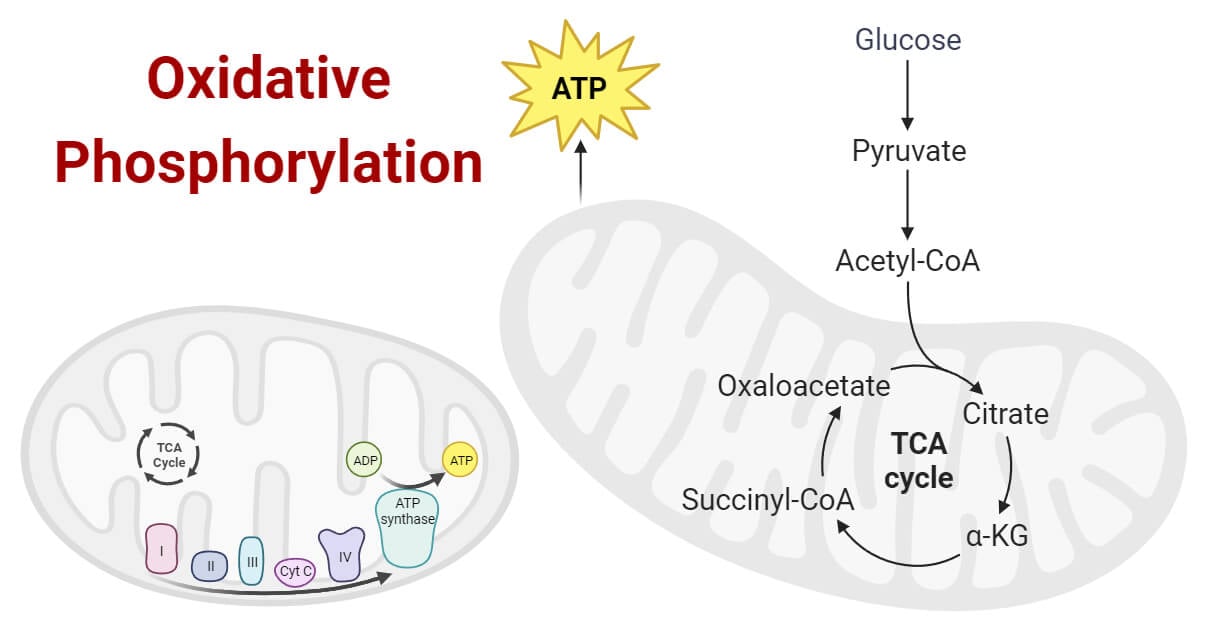
From the perspective of systems engineering, oxidative phosphorylation is a marvel of efficiency. It is the process where energy is harnessed through a series of electron transfers to create a proton gradient, which then drives the synthesis of ATP. As we move deeper into the era of the “quantified self” and AI-driven drug discovery, decoding this bio-engine has become a cornerstone of the tech industry’s foray into longevity and metabolic optimization.
The Biological Architecture: A High-Performance Power Grid
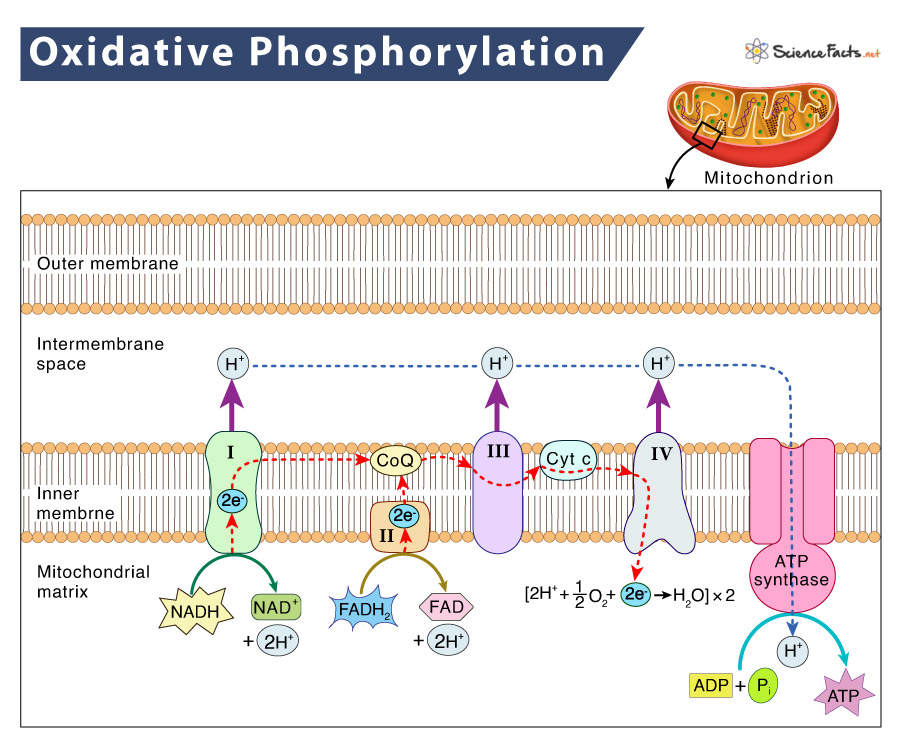
To analyze oxidative phosphorylation through a technical lens, one must view the inner mitochondrial membrane as a sophisticated biological circuit board. The process consists of two main components: the Electron Transport Chain (ETC) and Chemiosmosis.
The Electron Transport Chain as Circuitry
The Electron Transport Chain is a series of protein complexes (Complexes I through IV) embedded in the mitochondrial membrane. In tech terms, these complexes act as a sequence of transistors and conductors. They facilitate the flow of electrons derived from donors like NADH and FADH2. As electrons move through these “gates,” energy is released.
This is not unlike the flow of electricity through a microprocessor. In a computer, electrons move to perform logic operations; in the mitochondria, the movement of electrons is used to pump protons (hydrogen ions) across the membrane. This creates an electrochemical gradient—essentially a biological capacitor. The precision of this flow is critical. Any “leakage” in this circuit results in the production of reactive oxygen species (ROS), which can be compared to hardware overheating or data corruption, leading to cellular damage and aging.
Chemiosmosis: The ATP Synthase Turbine
The second phase, chemiosmosis, utilizes the stored potential energy of the proton gradient. The protons flow back across the membrane through a protein called ATP synthase. Engineers often describe ATP synthase as the world’s smallest molecular motor. It literally rotates, using the kinetic energy of the proton flow to catalyze the conversion of ADP into ATP.
This mechanical rotation is a point of intense study for nanotechnology researchers. By understanding the torque and efficiency of this biological turbine, scientists are developing biomimetic nanomachines that could one day power targeted drug delivery systems or microscopic sensors within the human body.
The Silicon Convergence: AI and the Simulation of Cellular Energy
The most significant shift in our understanding of oxidative phosphorylation hasn’t come from microscopes alone, but from high-performance computing and artificial intelligence. The complexity of mitochondrial interactions is so vast that traditional laboratory methods often fall short of capturing the full picture.
Predictive Modeling and Protein Folding
The protein complexes involved in oxidative phosphorylation are among the most intricate structures in nature. Software like DeepMind’s AlphaFold has revolutionized this field by predicting the 3D structures of these proteins with unprecedented accuracy. By understanding the precise configuration of Complex I or the ATP synthase motor, biotech companies can use digital simulations to test how specific molecules interact with these structures.
This “in silico” testing allows for the rapid development of mitochondrial-targeted therapeutics. Instead of years of trial and error, AI algorithms can simulate millions of chemical interactions to find compounds that can boost the efficiency of the electron transport chain or repair damaged complexes, effectively “patching” the biological software of the cell.
Digital Twins of the Mitochondria
The concept of the “Digital Twin”—a virtual model of a physical process used for optimization—has moved from aerospace engineering into metabolic health. Researchers are now building digital twins of the human metabolic system, with oxidative phosphorylation at the core. These models integrate data from proteomics, metabolomics, and real-time biometric sensors.
By running simulations on these digital twins, tech-driven health platforms can predict how a specific individual’s energy production will respond to different inputs, such as diet, exercise, or pharmaceutical interventions. This is the frontier of personalized technology, where the “one size fits all” approach is replaced by precise, algorithmic adjustments to one’s cellular energy production.
Bio-Optimization and the Quantified Self
The tech industry’s obsession with optimization has moved from software code to biological code. Oxidative phosphorylation is the ultimate target for “biohackers” and tech enthusiasts looking to maximize cognitive and physical performance.
Wearable Integration and Metabolic Tracking
Current-generation wearables track heart rate and sleep, but the next frontier is real-time metabolic monitoring. New sensor technologies are being developed to measure biomarkers related to mitochondrial efficiency, such as oxygen consumption (VO2 max) and lactate thresholds, directly through the skin or via minimally invasive patches.
These devices translate the invisible process of oxidative phosphorylation into actionable data. If your “bio-engine” is running inefficiently due to poor electron transfer, your wearable might suggest a specific micronutrient stack—such as Coenzyme Q10 or NAD+ precursors—that acts as a “hardware upgrade” for your mitochondria. This represents a convergence of hardware, software, and biology, where the goal is the continuous optimization of the human machine.
The Longevity Tech Stack
Longevity technology, or “Geroscience,” focuses heavily on maintaining the integrity of oxidative phosphorylation as we age. Aging is increasingly viewed as a technical failure of energy production. As we get older, the efficiency of the electron transport chain declines, and “noise” (oxidative stress) increases.
Silicon Valley startups are investing billions into “mitophagy” technologies—processes that identify and recycle damaged mitochondria. This is essentially a garbage collection algorithm for cells. By automating the removal of inefficient power plants within the cell and stimulating the biogenesis of new ones, these technologies aim to extend the human “warranty” and maintain peak energy levels well into the later stages of life.
Engineering the Future: Synthetic Biology and Biomimetic Energy Systems
Beyond human health, the principles of oxidative phosphorylation are inspiring a new generation of sustainable technology and energy storage solutions.
Bio-Batteries and Artificial Photosynthesis
The efficiency of biological energy conversion is far superior to many current human-made technologies. Engineers are looking at the mechanism of proton gradients and electron transfer to create “bio-batteries.” These systems use enzymes or synthetic proteins modeled after the electron transport chain to generate electricity from organic matter.
Furthermore, research into artificial photosynthesis seeks to replicate the way plants and certain bacteria use light to drive electron transport. By mimicking the “software” of oxidative phosphorylation, tech companies are developing new ways to capture carbon and generate clean energy, turning a biological process into a scalable industrial solution.
Nanotechnology and Cellular Repair
We are entering an era where nanorobots may be deployed to monitor and repair the mitochondrial membrane. These devices, governed by complex control algorithms, could theoretically detect a drop in the proton-motive force and intervene to stabilize the gradient. This is the ultimate merger of tech and biology: using manufactured hardware to support and enhance the natural biological processes that sustain life.
The Algorithmic Nature of Life
At its core, oxidative phosphorylation is an algorithmic process. It is a series of “if-then” statements executed at the molecular level: If an electron is present, then a proton is pumped. If the gradient is sufficient, then the turbine spins.
As we continue to develop more powerful computational tools, our ability to interface with this process will only grow. We are moving from being passive observers of our biology to active developers. The study of oxidative phosphorylation is no longer just for biologists; it is a vital field for the next generation of tech innovators who see the human body not just as a vessel, but as the most sophisticated piece of hardware ever designed. Through AI, wearables, and synthetic biology, we are finally learning how to optimize the very fire that powers our existence.
aViewFromTheCave is a participant in the Amazon Services LLC Associates Program, an affiliate advertising program designed to provide a means for sites to earn advertising fees by advertising and linking to Amazon.com. Amazon, the Amazon logo, AmazonSupply, and the AmazonSupply logo are trademarks of Amazon.com, Inc. or its affiliates. As an Amazon Associate we earn affiliate commissions from qualifying purchases.