
The internet, in its sprawling, ever-evolving landscape, has given birth to countless phenomena that shape our daily communication and cultural understanding. Among the most pervasive and intriguing are memes – bite-sized units of culture that spread like wildfire, capturing the collective zeitgeist in a moment. But as we scroll through endless feeds of viral images, videos, and catchphrases, a fundamental question often arises: what is the oldest meme? Is it a product purely of the digital age, or does its lineage stretch further back, rooted in human history and the very mechanics of cultural transmission? This exploration delves into the technological underpinnings that define and propagate memes, examining their origins from early internet artifacts to their conceptual ancestors in pre-digital human communication, framed squarely within the context of technology’s transformative influence.

Defining the Meme in the Digital Age: A Technological Lens
Before we embark on a quest for the oldest meme, it’s crucial to establish what we mean by “meme” within the modern technological paradigm. While the term itself predates the internet, its digital manifestation has unique characteristics deeply intertwined with the platforms and software that enable its existence.
From Dawkins to the Internet: A Paradigm Shift in Replication
The concept of a “meme” was first coined by evolutionary biologist Richard Dawkins in his 1976 book, The Selfish Gene. Dawkins proposed memes as cultural equivalents to genes: “units of cultural transmission, or units of imitation.” These could be ideas, symbols, phrases, melodies, fashion trends, or skills that replicate from mind to mind. In Dawkins’ original framework, the spread of memes relied on human interaction, oral tradition, and traditional media like books and television.
The advent of the internet, however, represented a seismic shift in memetic replication. Early bulletin board systems (BBS), Usenet groups, and later, the World Wide Web, provided an unprecedented technological infrastructure for the rapid, widespread, and often anonymous dissemination of cultural units. Text-based forums allowed for the quick copy-pasting of phrases and ASCII art. Image boards and early web hosting services enabled the sharing of visual gags and manipulated photos. Social media platforms, with their “share” buttons and network effects, then perfected the art of virality, transforming memes from niche curiosities into global phenomena within hours. This technological evolution democratized cultural creation and dissemination, making anyone with an internet connection a potential memetic carrier or creator.
Key Characteristics of Digital Memes: Enabled by Technology
Modern digital memes possess distinct characteristics that are directly facilitated by technological advancements:
- Virality and Speed: The internet’s global connectivity and instant communication protocols (HTTP, TCP/IP) allow memes to spread across continents in seconds. Social media algorithms further accelerate this by pushing trending content.
- Replicability and Remixability: Digital formats (images, videos, text) are inherently easy to copy, paste, save, and modify. Image editing software, video editing applications, and even simple text editors enable users to adapt existing memes, adding new layers of humor or context. This “remix culture” is a cornerstone of digital memetics, driven by accessible creative tools.
- Platform Dependence: Memes are often tailored to specific platforms. Short, snappy video memes thrive on TikTok and Reels, while image macros dominate Reddit and Twitter. The technical specifications and user interfaces of these platforms dictate the optimal format and spread mechanism for different types of memes, creating distinct memetic ecosystems.
- Anonymity (often) and Collective Authorship: While some memes have identifiable creators, many evolve through iterative contributions from countless anonymous users. This collective authorship is a product of decentralized internet culture and easy content sharing without strict attribution mechanisms.
Early Internet Precursors: The Dawn of Digital Virality
If we narrow our definition to “digital memes” – those born and bred on internet technologies – then our search for the oldest takes us back to the foundational eras of online communication.
Usenet and Forum Fads: Text-Based Memes and ASCII Art
In the early days of the internet, before graphical interfaces were commonplace, Usenet newsgroups and online forums served as the primary gathering places for digital communities. Here, creativity often manifested within the limitations of text.
- “All Your Base Are Belong To Us” (AYBABTU): Originating from a poorly translated Japanese video game cutscene in Zero Wing (1991, Mega Drive), this phrase became a massive internet meme around 2000-2001. It spread rapidly across forums, image boards, and early web pages, often accompanied by simple graphics. Its virality was a testament to the copy-paste function and the burgeoning subcultures of early online gaming communities.
- The Hampster Dance (1998): This Flash animation featuring rows of dancing hamsters set to a sped-up track was one of the internet’s earliest widespread viral phenomena. It started as a personal webpage creation and quickly spread through email chains and direct links, demonstrating the power of simple, catchy content paired with nascent web technologies.
- ASCII Art and Emoticons: Even earlier, within text-only environments like Usenet and IRC (Internet Relay Chat), users developed intricate ASCII art drawings and emoticons 🙂 to express humor and emotion. These were direct ancestors of today’s visual memes, relying on the keyboard and character sets as their “software” for creation and replication.
These early examples highlight how even with rudimentary technology, the human desire to share humor, inside jokes, and cultural tidbits found a fertile ground online. The simple ability to copy and paste text or share a hyperlink was revolutionary in its capacity to spread information and cultural artifacts rapidly.
The Rise of Early Animated GIFs and Flash: Visual Leaps
The introduction of graphical browsers and improvements in internet bandwidth (though still dial-up for many) allowed for the creation and dissemination of more visually rich memes.
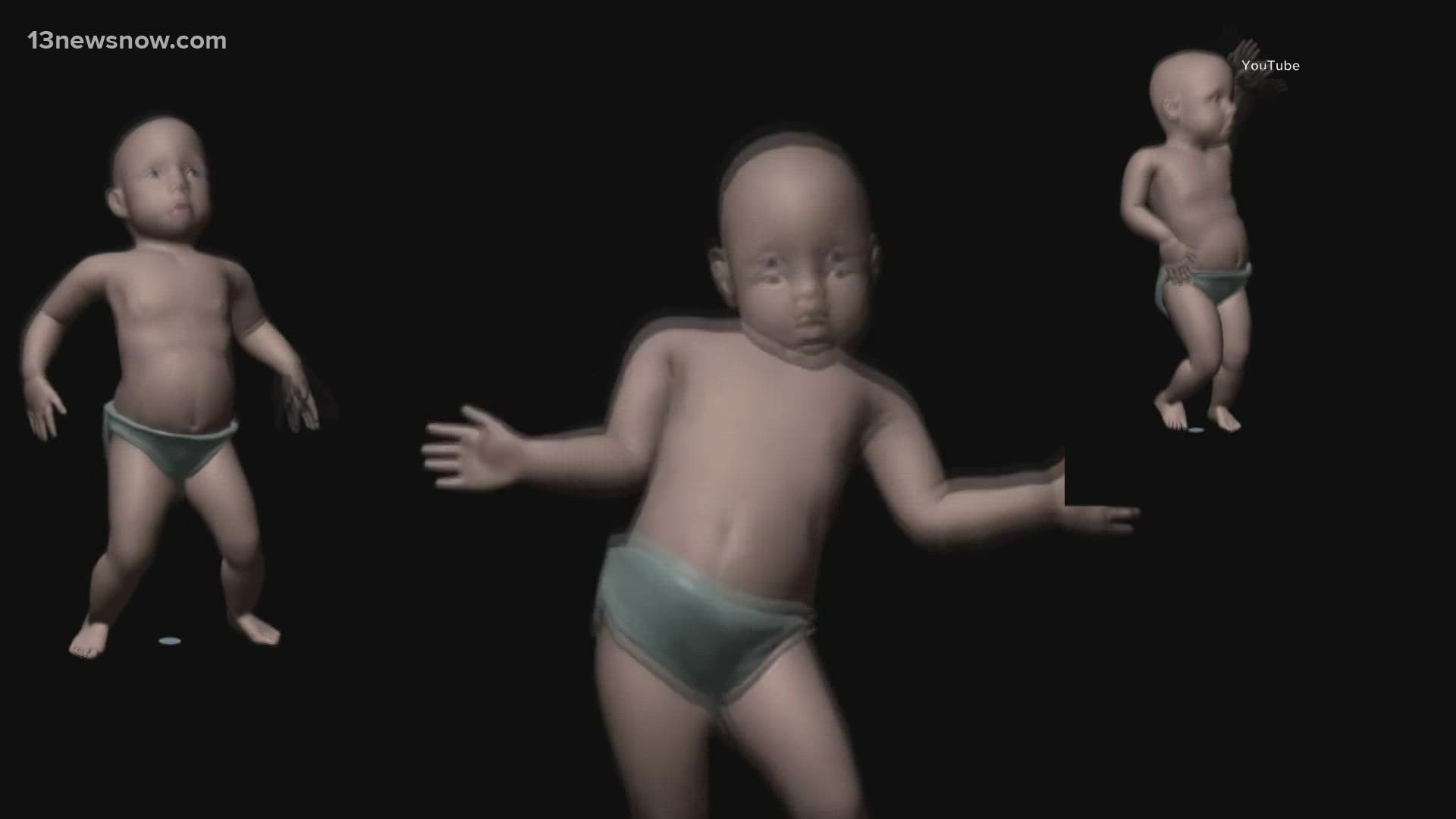
- The Dancing Baby (1996): Also known as “Ooga-Chaka Baby,” this 3D-rendered baby dancing to Blue Swede’s “Hooked on a Feeling” was one of the first truly viral video clips. It was initially circulated as an email attachment and later gained widespread exposure on television shows like Ally McBeal. Its success showcased the potential of early animation software (like Autodesk 3D Studio Max) and the newfound ability to share multimedia files, albeit often at slow speeds.
- Peanut Butter Jelly Time (2002): This Flash animation featuring a dancing banana quickly became a ubiquitous internet phenomenon. It was simple, quirky, and highly shareable, often embedded on personal websites or sent via instant messenger. This meme demonstrated how accessible animation tools and browser plug-ins could create widespread cultural artifacts.
These early visual memes relied on emerging web technologies to deliver richer experiences, moving beyond mere text to incorporate movement and sound, laying the groundwork for the multimedia-heavy memes we see today.
Beyond the Digital Screen: Are There Pre-Internet Memes?
While the digital meme is a distinct technological artifact, the core concept of a replicating cultural unit predates the internet by millennia. If we broaden our definition to Dawkins’ original concept, then the “oldest meme” is arguably as old as human communication itself.
Visual Culture and Ancient Glyphs: Proto-Memes
Humans have always communicated through symbols and stories that resonate and replicate.
- Cave Paintings and Petroglyphs: Recurring motifs in ancient art, such as handprints, animal symbols, or geometric patterns found across geographically disparate sites, can be seen as early memes. They represented ideas, beliefs, or observations that were deemed important enough to be replicated and shared across generations and communities, using rudimentary tools and rock surfaces as their “platform.”
- Iconography and Mythology: Ancient Egyptian hieroglyphs, Mesopotamian cylinder seals, or Greek mythological figures (e.g., the Minotaur) often featured recurring visual elements and narratives that spread and were reinterpreted across cultures. These symbols functioned as powerful cultural shorthand, transmitted through storytelling, art, and early writing systems.
These early forms of cultural transmission relied on oral tradition, physical replication through art, and the laborious process of manual copying. The “technology” here was the human mind for remembering and transmitting, and basic tools for carving or drawing.
The “Kilroy Was Here” Phenomenon: A Pre-Digital Viral Sensation
Perhaps one of the most famous examples of a pre-digital visual meme is “Kilroy Was Here.” This distinctive doodle of a bald man with a large nose peering over a wall, accompanied by the phrase “Kilroy Was Here,” became ubiquitous during World War II.
- Origins and Spread: Its precise origin is debated, but it’s widely believed to have started in American shipyards. Riveters would write it in hard-to-reach places on ships. When soldiers discovered it in unexpected locations across battlefields, barracks, and even Hitler’s personal toilet, it provided a sense of connection and an inside joke.
- Mechanics of Replication: “Kilroy” spread through physical inscription – chalk, paint, pencil – by countless individuals. It was simple to draw, universally recognizable, and carried a subversive, morale-boosting message. Its virality was facilitated by the mass movement of military personnel and the shared experiences of wartime. It lacked digital amplification but achieved global penetration through physical means. This classic example shows that the core elements of a meme – simplicity, replicability, relatable context, and widespread dissemination – existed long before the internet, utilizing the available “technologies” of the time.
Slogans, Jingles, and Catchphrases: Auditory and Linguistic Memes
Beyond visuals, auditory and linguistic units have also functioned as memes:
- Advertising Jingles: Decades before viral TikTok sounds, catchy radio and television jingles (e.g., “I’d like to teach the world to sing” for Coca-Cola) were designed for memorability and replication in the listener’s mind, spreading through broadcast media.
- Urban Legends and Folk Tales: These narrative memes replicate through oral tradition, adapting and evolving with each retelling. They demonstrate the power of storytelling as a “platform” for cultural transmission, passed down through generations.
The Evolutionary Path: From Concept to Global Phenomenon
The journey of the meme, from its conceptual roots to its digital ubiquity, is a testament to the interplay between human culture and technological progress. Each technological leap has provided new tools and platforms, transforming how memes are created, shared, and experienced.
The Role of Platform Evolution
The evolution of internet platforms has been instrumental in shaping memetic culture:
- Early Web Forums and Image Boards (e.g., 4chan): These platforms, with their anonymous posting and rapid content refresh rates, fostered highly experimental and often provocative memetic content, laying the groundwork for many internet subcultures.
- Social Media (Facebook, Twitter, Instagram): These platforms introduced user profiles, friend networks, and sophisticated sharing mechanisms, allowing memes to reach unprecedented scales and become integrated into mainstream communication. The “like” and “share” buttons are fundamental technological features that define modern meme propagation.
- Video-Centric Platforms (YouTube, TikTok): The rise of high-bandwidth internet and mobile technology made video memes dominant. TikTok, in particular, with its short-form video format, powerful editing tools, and recommendation algorithm, has revolutionized memetics, creating rapid cycles of trends and challenges. Mobile phones, acting as powerful portable content creation and consumption devices, are now central to the meme economy.
AI and the Future of Memetics
Looking ahead, artificial intelligence (AI) is already beginning to influence the creation and dissemination of memes. AI image generators, video editing tools, and language models can produce meme-like content with astonishing speed and variety. We might soon see:
- Algorithmically Generated Memes: AI could potentially create memes tailored to specific audiences or even individual users, blurring the lines between human creativity and machine-generated content.
- Deepfake Memes: Advanced AI tools can create highly realistic, yet entirely fabricated, images and videos, posing new challenges and opportunities for memetic expression and potential misinformation.
These advancements represent the next frontier in memetic evolution, where technology doesn’t just facilitate the spread of memes but actively participates in their creation.

Conclusion: A Continuum of Cultural Replication
The question “what is the oldest meme?” yields a nuanced answer, dependent on how strictly one defines “meme.” If we adhere to the modern digital manifestation – easily replicable, rapidly spread, often humorous internet content – then the oldest memes are rooted in the early days of Usenet and the graphical web, with text-based gags, ASCII art, and simple animated GIFs leading the charge in the late 1980s and 1990s. These were revolutionary in their reliance on nascent digital technologies for their birth and propagation.
However, if we adopt Dawkins’ broader definition of a “unit of cultural transmission,” then memes are as ancient as humanity itself. From recurring cave painting motifs and ancient symbols to the enduring “Kilroy Was Here” of WWII, humans have always created and replicated cultural units. These pre-digital memes relied on different “technologies” – oral tradition, physical art, the printing press, and human memory – but fulfilled the same fundamental function of cultural sharing.
Ultimately, the history of memes is a continuum. It illustrates how the human impulse for connection, humor, and shared understanding constantly finds new outlets, and how technology, from the chisel and papyrus to the fiber-optic cable and AI algorithms, serves as the ever-evolving medium that shapes, amplifies, and transforms these fundamental units of culture. The oldest meme, therefore, is not a single artifact, but rather the enduring human capacity for cultural replication, continually redefined and supercharged by the latest technological innovations.
aViewFromTheCave is a participant in the Amazon Services LLC Associates Program, an affiliate advertising program designed to provide a means for sites to earn advertising fees by advertising and linking to Amazon.com. Amazon, the Amazon logo, AmazonSupply, and the AmazonSupply logo are trademarks of Amazon.com, Inc. or its affiliates. As an Amazon Associate we earn affiliate commissions from qualifying purchases.