
Federal tax withholding is a cornerstone of the U.S. tax system, a mechanism designed to ensure that taxpayers meet their annual income tax obligations steadily throughout the year rather than facing a single, large bill at tax time. For millions of American employees, it’s the most common way their federal income tax liability is paid. Far from being a mere administrative detail, understanding federal tax withholding is crucial for personal financial planning, helping individuals avoid penalties for underpayment while also preventing the common pitfall of overpaying and giving the government an interest-free loan.
At its core, federal tax withholding is the amount of income tax an employer deducts from an employee’s gross pay each pay period and sends directly to the U.S. Treasury on behalf of the employee. This system serves several vital purposes: it provides a continuous stream of revenue for federal government operations, simplifies the tax payment process for individual taxpayers, and reduces the likelihood of tax delinquencies. Without it, most Americans would face the daunting task of saving and remitting a substantial lump sum payment to the Internal Revenue Service (IRS) each April. This article will delve into the intricacies of federal tax withholding, exploring its mechanics, the importance of accuracy, the factors that influence it, and strategies for optimizing your financial health through informed withholding decisions.
The Mechanics of Federal Tax Withholding
Understanding how federal tax withholding works involves grasping the roles of both the employee and the employer, as well as the types of income subject to this system. It’s a structured process that, while appearing complex on the surface, follows clear rules established by the IRS.
How It Works for Employees: The W-4 Form
The journey of federal tax withholding begins with the employee and the Form W-4, Employee’s Withholding Certificate. When you start a new job, or when your financial situation changes, you’re required to complete this form. The W-4 is not submitted to the IRS; rather, it’s given to your employer, who then uses the information provided to calculate how much federal income tax to withhold from each paycheck.
The current version of Form W-4, redesigned in 2020, simplified the process by removing the concept of “allowances” and shifting to a more direct, step-by-step approach. Instead of claiming allowances, employees now provide information related to:
- Marital Status: Single, Married Filing Separately, or Married Filing Jointly (or Qualifying Widow(er)). This choice significantly impacts the standard deduction and tax bracket used for calculation.
- Multiple Jobs or Spouse’s Job: If you have more than one job or are married filing jointly and your spouse also works, this step helps ensure enough tax is withheld from all income sources. The IRS Tax Withholding Estimator is particularly useful here.
- Claiming Dependents: This step allows you to account for qualifying children and other dependents, which can lead to claiming the Child Tax Credit or Credit for Other Dependents, reducing your overall tax liability.
- Other Adjustments: This section is for entering any additional income not subject to withholding (like interest or dividends), itemized deductions (if you expect to itemize rather than take the standard deduction), or any extra withholding you want taken out of each paycheck to further reduce your tax bill at year-end.
The choices made on your W-4 directly influence the amount of tax withheld. A higher reported credit or deduction amount on the W-4 typically results in less tax withheld, while requesting additional withholding leads to more tax being taken out.
Employer Responsibilities in Withholding
Employers play a critical role in the federal tax withholding process. Upon receiving a completed Form W-4 from an employee, the employer is legally obligated to:
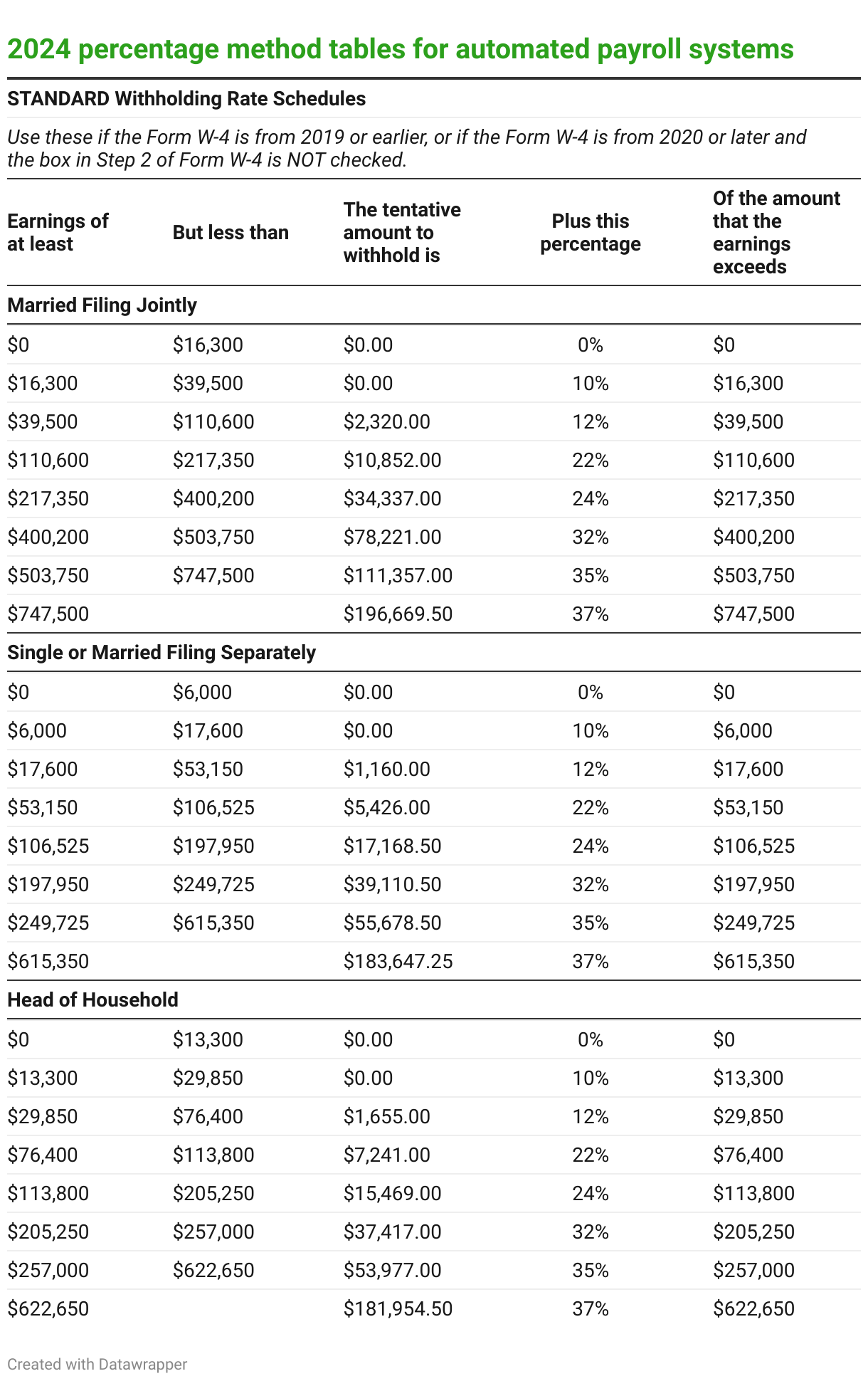
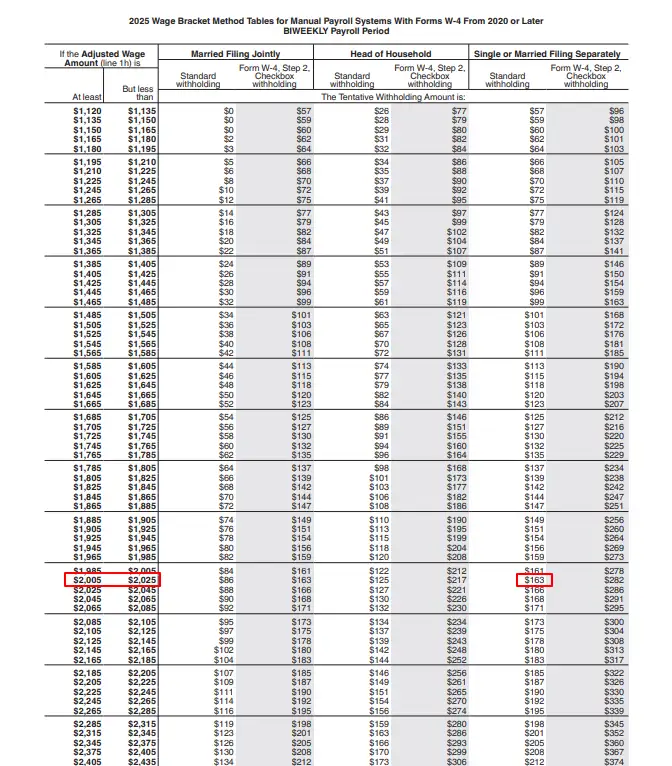
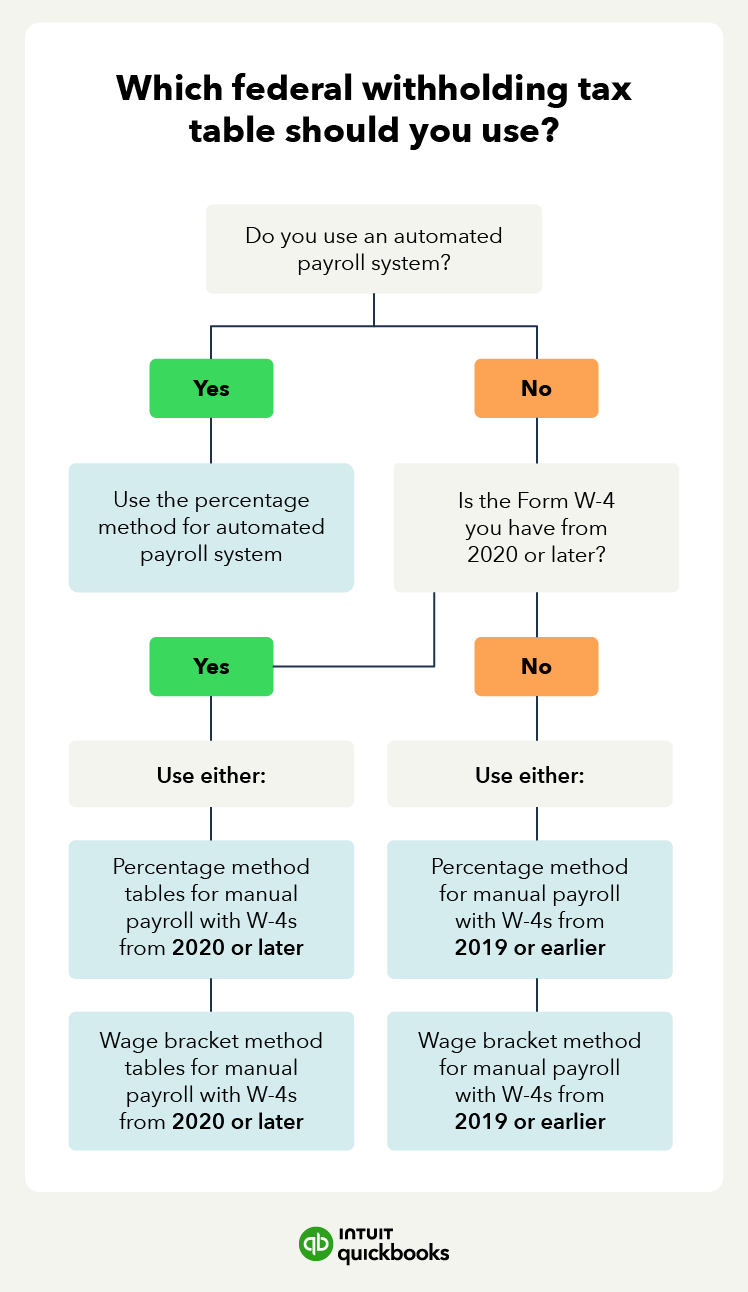
- Calculate Withholding: Employers use the information from the W-4, along with IRS-provided tax withholding tables and wage computation methods (such as the wage bracket method or percentage method), to determine the correct amount of federal income tax to withhold from each paycheck.
- Remit Withheld Taxes: The withheld taxes are not kept by the employer. Instead, they must be periodically remitted (usually weekly or semi-weekly, depending on the amount) to the U.S. Treasury. This ensures a steady flow of funds to the government.
- Reporting: Employers are required to report wages paid and taxes withheld. This is done quarterly via Form 941, Employer’s QUARTERLY Federal Tax Return, and annually on Form W-2, Wage and Tax Statement, which is provided to both the employee and the Social Security Administration. The W-2 is critical for employees when filing their annual tax returns.
Types of Income Subject to Withholding
While wages and salaries are the most common forms of income subject to federal tax withholding, it’s important to recognize that other types of payments also fall under this system:
- Regular Wages and Salaries: The primary source of withheld taxes for most employees.
- Bonuses and Commissions: These are considered supplemental wages and are generally subject to withholding, often at a flat rate or aggregated with regular wages.
- Pensions and Annuities: While often optional, recipients of pension or annuity payments can elect to have federal income tax withheld from these distributions.
- Gambling Winnings: Certain large gambling winnings are subject to mandatory federal tax withholding.
- Sick Pay: Payments made by a third party (like an insurance company) for sickness or injury are often subject to withholding.
Understanding these different categories helps individuals with varied income streams plan their tax strategy more effectively.
Why Accurate Withholding Matters
Setting your federal tax withholding accurately is more than just good practice; it’s a fundamental aspect of sound personal financial management. The consequences of inaccurate withholding can range from inconvenient to financially detrimental.
Avoiding Underpayment Penalties
If you have too little federal tax withheld from your paychecks throughout the year, you’ll likely owe money to the IRS when you file your tax return. More critically, if the amount you owe is substantial (generally $1,000 or more for most taxpayers), you could face an underpayment penalty. The IRS penalizes taxpayers who don’t pay enough tax throughout the year, either through withholding or estimated tax payments.
The idea is that tax liability should be paid as income is earned. While there are “safe harbor” rules (e.g., owing less than $1,000, paying at least 90% of your current year’s tax liability, or 100% of your prior year’s tax liability – 110% if your adjusted gross income was over $150,000), consistently under-withholding can lead to unexpected penalties that diminish your financial resources. This is particularly relevant for individuals with multiple jobs, significant investment income, or those who previously received large tax refunds and adjusted their W-4 too aggressively.
Minimizing Overpayment (Getting a Refund)
Conversely, having too much federal tax withheld means you’re essentially giving the government an interest-free loan. While many people enjoy the feeling of getting a large tax refund, it’s not always the smartest financial strategy. That money, which could have been in your bank account, earning interest, paying down debt, or invested, was inaccessible to you for potentially over a year.
For example, if you consistently receive a $3,000 refund, that means $250 more per month could have been in your pocket. Over a year, that’s $3,000 that could have been used to build an emergency fund, contribute to a retirement account, pay down high-interest credit card debt, or make extra mortgage payments. While a small refund might be a welcome bonus, a consistently large one indicates a missed opportunity for better cash flow management throughout the year.
Budgeting and Cash Flow Management
Accurate withholding directly impacts your take-home pay, which is the foundation of your monthly budget. When your withholding is correctly aligned with your tax liability, your net pay provides a realistic picture of the funds available for living expenses, savings, and discretionary spending.
Inaccurate withholding can create budgetary confusion. If too much is withheld, you might feel unnecessarily constrained by a smaller paycheck. If too little is withheld, you might feel flush with cash only to face a large, unwelcome tax bill at year-end, potentially disrupting your financial plans or forcing you to dip into savings. By carefully managing your W-4, you gain better control over your current cash flow and future financial obligations.
Factors Influencing Your Withholding Amount
Several personal and financial factors directly influence how much federal tax is withheld from your paycheck. Understanding these elements is key to making informed decisions on your Form W-4.
Marital Status and Number of Dependents
Your marital status declaration on Form W-4 is a primary determinant. Electing “Single” or “Married Filing Separately” typically results in a higher withholding rate than “Married Filing Jointly” (or “Qualifying Widow(er)”). This is because the IRS assumes a lower standard deduction and smaller tax brackets for single filers compared to married couples filing jointly.
The number of dependents you claim also significantly impacts withholding. Each qualifying child can be worth up to a $2,000 Child Tax Credit, and other dependents can be worth up to a $500 Credit for Other Dependents. These credits directly reduce your tax liability, and accounting for them on your W-4 will lead to less tax being withheld from your paychecks.
It’s crucial to consider these factors, especially when major life events occur. A change in marital status or the birth/adoption of a child necessitates a review and likely an update to your W-4.
Additional Income and Deductions
Beyond your primary wages, other financial elements can influence your overall tax situation and, consequently, how you should adjust your withholding:
- Additional Income Not Subject to Withholding: If you have income from sources like investments (dividends, interest, capital gains), rental properties, or a side hustle that isn’t subject to regular W-2 withholding, you’ll need to account for this. Ignoring these income streams can lead to underpayment penalties. You can either request additional withholding from your W-2 job (via Step 4(c) on Form W-4) or make estimated tax payments (discussed later).
- Itemized Deductions and Tax Credits: If you expect to itemize deductions (e.g., for mortgage interest, state and local taxes, or charitable contributions) and they exceed the standard deduction, or if you qualify for significant tax credits (like education credits or energy credits), these can reduce your overall tax liability. You can account for these on Step 4(b) of your W-4 to reduce your withholding. However, many taxpayers find that the standard deduction provides a greater benefit, simplifying their tax situation.
Life Changes Requiring a W-4 Update
Your federal tax withholding isn’t a “set it and forget it” task. Life is dynamic, and many major life events have significant tax implications that warrant updating your W-4:
- Marriage or Divorce: A change in marital status fundamentally alters your filing status and potentially your standard deduction and tax brackets.
- Birth or Adoption of a Child: This can qualify you for the Child Tax Credit or Credit for Other Dependents.
- Starting or Losing a Job: A new income source or the cessation of one dramatically changes your total annual income. If you have multiple jobs simultaneously, accurate withholding becomes more complex and requires careful consideration of all income streams.
- Significant Change in Income: A substantial raise, promotion, or even a pay cut can shift you into a different tax bracket or alter your overall tax liability.
- Large Deductions or Credits: If you anticipate a major tax deduction (e.g., buying a home and incurring significant mortgage interest) or qualify for a new tax credit, adjusting your W-4 can help you benefit from those throughout the year.
- Retirement: As income sources shift from wages to pensions or other distributions, your withholding needs will change.
It’s advisable to review your W-4 at least annually, especially early in the year, and whenever a significant life event occurs, to ensure your withholding remains as accurate as possible.
Strategies for Optimizing Your Withholding
Proactive management of your federal tax withholding can be a powerful tool in your financial arsenal. By taking deliberate steps, you can ensure you’re paying just the right amount of tax throughout the year, optimizing your cash flow and avoiding year-end surprises.
Using the IRS Tax Withholding Estimator
The most effective tool at your disposal for optimizing withholding is the IRS Tax Withholding Estimator. This free, online tool is designed to help you determine the correct amount of tax to have withheld from your pay.
How to use it:
- Gather Information: Have your most recent pay stubs, income tax return (Form 1040) from last year, and any other income information (e.g., from side gigs, investments) ready.
- Input Data: The estimator will guide you through entering information about your wages, other income, marital status, dependents, tax credits, and deductions.
- Review Results: Based on your input, the tool will provide a recommended withholding amount and instructions on how to adjust your Form W-4. It will show you if you’re currently under-withholding or over-withholding and suggest changes to make.
- Update W-4: Take the recommendations from the estimator and use them to complete a new Form W-4, which you will then submit to your employer.
Benefits of using this tool: The IRS Tax Withholding Estimator takes the guesswork out of W-4 adjustments, especially for those with complex financial situations (e.g., multiple jobs, self-employment income, significant deductions). It provides a personalized, accurate projection, helping you get as close as possible to a “zero balance” at tax time—meaning you neither owe a large sum nor receive a large refund. It’s particularly useful after any major life event or at the beginning of each tax year.
Making Estimated Tax Payments
For individuals with substantial income not subject to regular W-2 withholding, such as freelancers, independent contractors, small business owners, or those with significant investment income, relying solely on employer withholding won’t be sufficient. In these cases, the IRS requires you to pay estimated taxes quarterly.
Key aspects of estimated taxes:
- Who Needs to Pay: If you expect to owe at least $1,000 in tax for the year from income not subject to withholding, you generally need to make estimated tax payments.
- Form 1040-ES: You use Form 1040-ES, Estimated Tax for Individuals, to calculate and pay these taxes.
- Quarterly Deadlines: Estimated taxes are paid in four installments throughout the year: April 15, June 15, September 15, and January 15 of the following year (if these dates fall on a weekend or holiday, the deadline moves to the next business day).
- Avoiding Penalties: Failing to pay enough estimated tax throughout the year can result in underpayment penalties. The IRS Tax Withholding Estimator can also help calculate these payments.
If you have a W-2 job in addition to other income, you might be able to avoid estimated payments by increasing the withholding from your W-2 job (via Step 4(c) on Form W-4) to cover the tax liability from your non-wage income.
Seeking Professional Advice
While the IRS tools are excellent for most situations, some tax scenarios are particularly complex and warrant the expertise of a qualified professional.
When to consult a tax advisor or financial planner:
- Significant Income Changes: Major shifts in income or expenses that are difficult to project.
- Complex Investments: Large capital gains, losses, or distributions from various investment vehicles.
- Self-Employment or Business Income: Navigating deductions, write-offs, and estimated taxes for a business can be intricate.
- Major Life Transitions: Retirement planning, significant inheritances, or complex divorce settlements.
- International Income or Assets: Dealing with foreign tax credits or reporting requirements.
- Repeated Underpayment Penalties: If you consistently face penalties, a professional can help restructure your withholding strategy.
A tax professional can provide tailored advice, help you understand the nuances of your specific situation, ensure compliance, and develop a comprehensive strategy to optimize your tax position and overall financial well-being.
Conclusion
Federal tax withholding is an indispensable component of the U.S. tax system, playing a critical role in both government finance and individual financial management. Far from being a passive deduction from your paycheck, it’s a dynamic element that, when understood and managed proactively, can significantly impact your annual tax outcome and overall financial health.
By accurately completing your Form W-4, utilizing tools like the IRS Tax Withholding Estimator, and understanding when to make estimated tax payments or seek professional guidance, you empower yourself to navigate the complexities of federal taxes with confidence. Doing so ensures you avoid costly underpayment penalties, optimize your cash flow throughout the year, and prevent the often-overlooked opportunity cost of over-withholding. Ultimately, taking control of your federal tax withholding isn’t just about compliance; it’s about making informed financial decisions that contribute to your long-term economic stability and success.
aViewFromTheCave is a participant in the Amazon Services LLC Associates Program, an affiliate advertising program designed to provide a means for sites to earn advertising fees by advertising and linking to Amazon.com. Amazon, the Amazon logo, AmazonSupply, and the AmazonSupply logo are trademarks of Amazon.com, Inc. or its affiliates. As an Amazon Associate we earn affiliate commissions from qualifying purchases.